For more information about senior living options: (866) 208-4318
3.6 from 51 reviews
5 stars
27
4 stars
6
3 stars
2
2 stars
3
1 stars
13
Middlefield Oaks Memory Care Community Costs & Pricing
Middlefield Oaks Memory Care Community offers competitive pricing for its memory care accommodations compared to both Lane County and the broader state of Oregon. For a studio apartment, residents can expect a monthly cost of $3,550, which is notably lower than the average rates in Lane County at $3,877 and Oregon statewide at $3,815. The one-bedroom option is priced at $4,060, slightly below the county's average of $4,179 but above the state's lower average of $3,904. For those considering semi-private rooms, Middlefield Oaks stands at $4,995 per month, which is higher than both Lane County's rate of $4,740 and Oregon's overall average of $4,457. Overall, Middlefield Oaks presents an attractive array of options for families seeking quality memory care services that balance affordability with exceptional care in a supportive community environment.
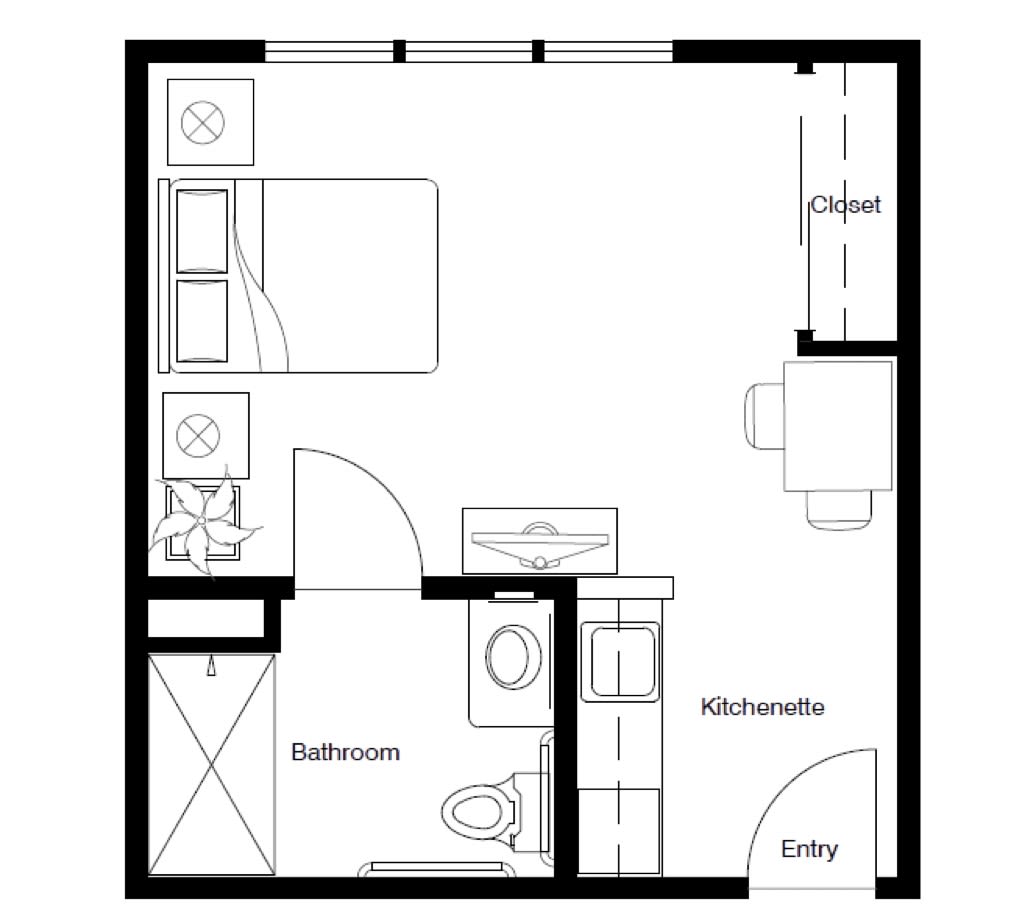
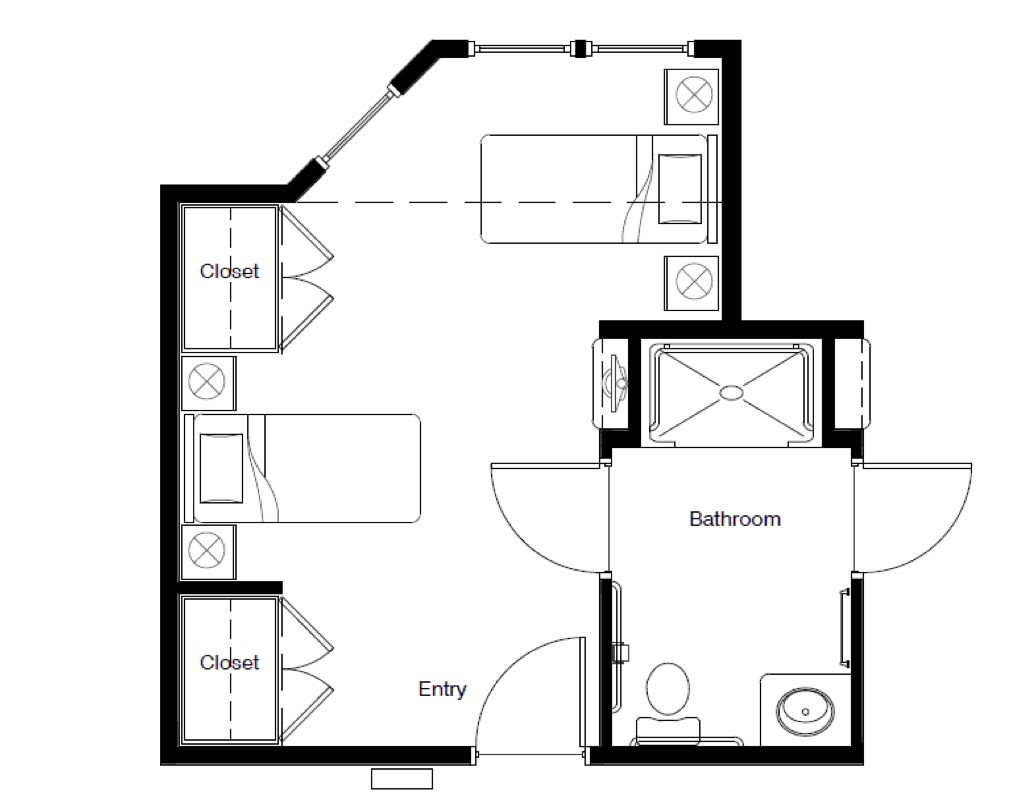
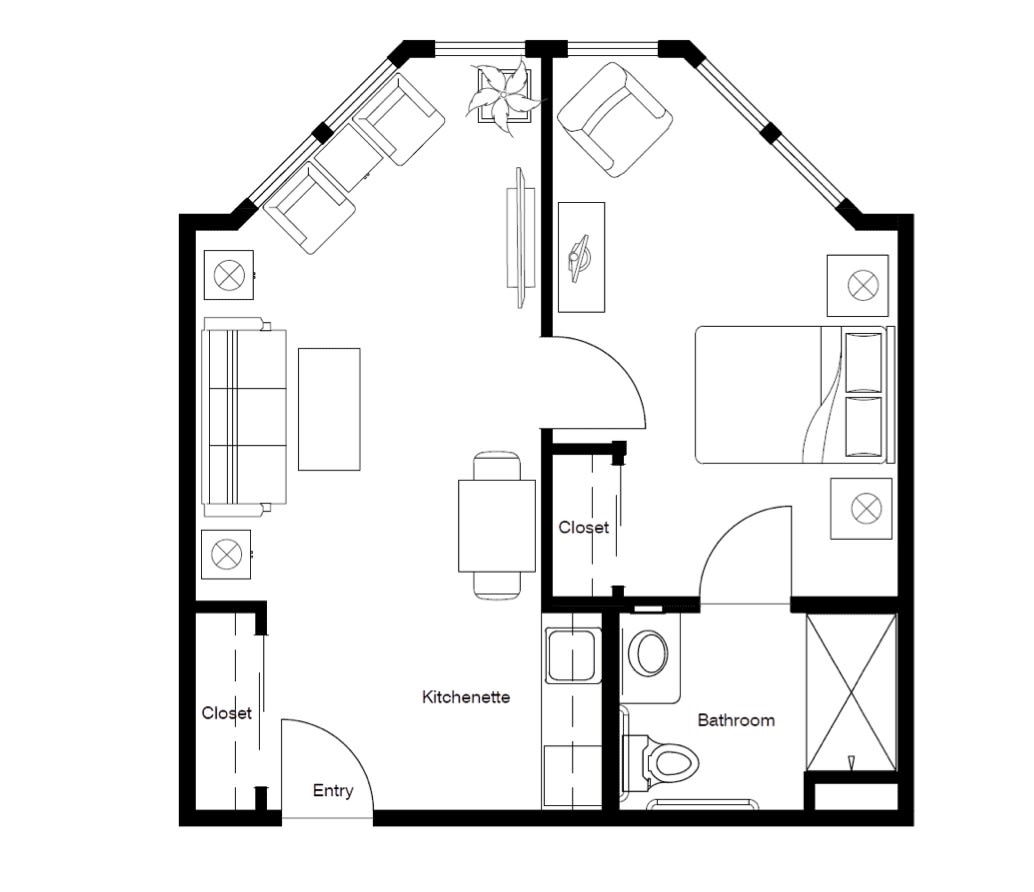
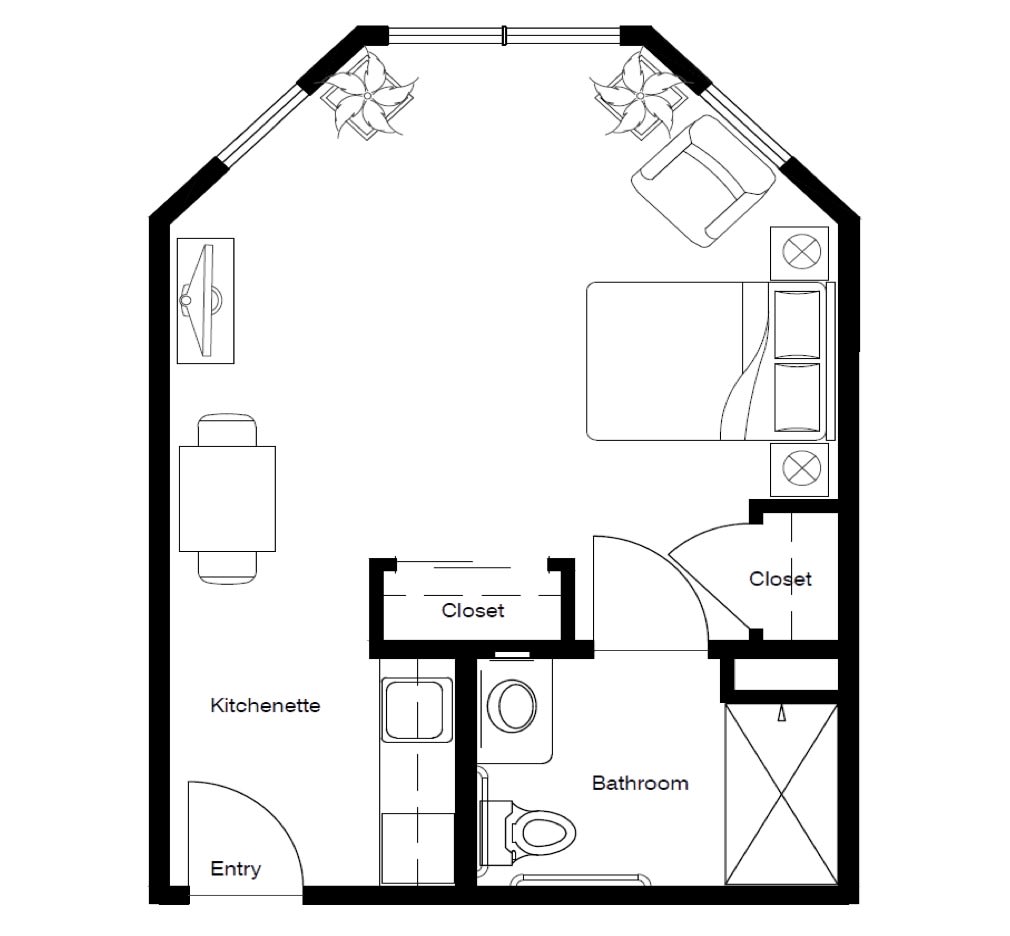
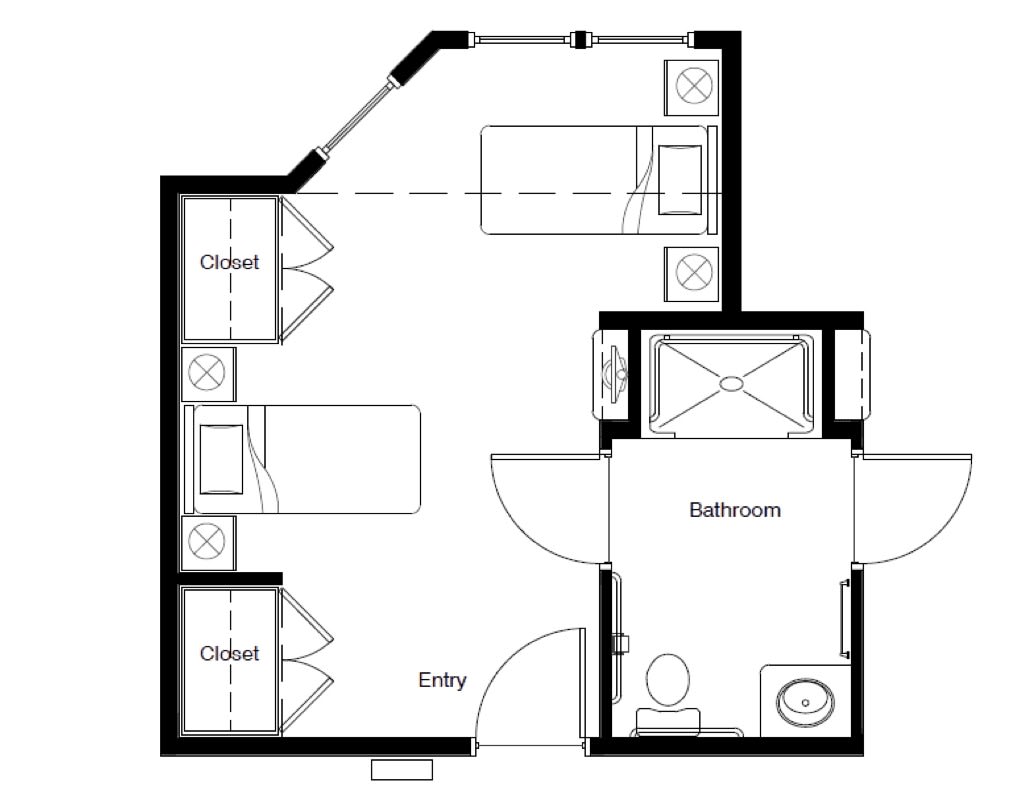
Floor plans
Middlefield Oaks Memory Care Community
Lane County
Oregon
Studio
$3,550
$3,877
$3,815
1 Bedroom
$4,060
$4,179
$3,904
Semi-Private
$4,995
$4,740
$4,457
Memory care communities with a similar price nearby
Overall Review of Middlefield Oaks Memory Care Community
common16 reviews mention this
Staff support feels personal
Residents’ families repeatedly describe staff as kind and responsive.
Multiple reviews say caregivers take time to get to know residents and treat them with dignity. Families also describe supportive leadership and communication, including updates after moves or during ongoing care. Several reviewers specifically connect staff attentiveness to noticeable changes in mood, engagement, or comfort.
caveat9 reviews mention this
Care quality is inconsistent
Some reviews raise concerns about staffing and basic care follow-through.
While some families feel confident in the care, other reviewers report missed basics like call lights going unanswered and housekeeping not showing up. Several negative reviews also mention short staffing, limited nursing support, and delays that led to urgent situations. A few commenters describe larger care gaps after changes in leadership, including residents being ignored or not assisted with routine needs.
common10 reviews mention this
Dining quality is mixed
Dining reviews vary from very good to often served cold or bland.
Some residents and families praise the food, including “great” meals and a dining experience they find decent. Others describe meals as cold, tasteless, or bland, and a few say food quality declined over time. A couple reviews also describe how meals were handled differently during outbreaks or due to service issues, affecting whether food arrived hot.
common7 reviews mention this
Activities drive engagement
Residents’ engagement is a major talking point in reviews.
Many reviewers highlight activities such as crafts, puzzles, cards, day trips, and live entertainment that help residents stay involved. Several families say their loved one became more social and participated in dining or scheduled events. Other reviews counter that during periods of understaffing or staffing changes, residents were left with limited stimulation like no music, TV, or games.
common8 reviews mention this
Cleanliness is a standout for many
Cleanliness shows up as a strength in multiple reviews.
Several families praise the facility as clean, orderly, and well maintained, including comments about clean rooms and supportive grounds upkeep. A few reviews also mention a home-like feel and attention to living spaces. At the same time, other residents’ families describe cleanliness problems such as rooms not being cleaned, residents left unbathed, or residents arriving visibly unkempt.
caveat5 reviews mention this
Pricing draws sharp criticism
Cost is a recurring concern, especially alongside service complaints.
Some reviews call the community expensive and link that concern to dissatisfaction with food or day-to-day care. Others mention rising fees or rent increases, paired with claims of reduced quality of service. A few commenters also describe management prioritizing cost control over resident wellbeing, which intensifies the critique around pricing.
How we summarize
Counts show how many written reviews mention each theme; a review can touch several themes, and only frequently mentioned themes are displayed.
Features
Housing
85 resident community capacity
1-bedroom apartments
Studio apartments
Types of Care
Assisted Living
Memory Care
Pets
Cats allowed
Dogs allowed
Amenities
Activities off-site
Activities on-site
Air-conditioning
Bath tubs
Beautician on-site
Beauty salon
Cable or satellite TV
Computer center
Devotional services off-site
Devotional services on-site
Dining room
Financial aid
Financing advice
Fitness room
Fully furnished
Gaming room
Garden
Ground floor units
Guest parking
Handicap accessible
Hiking trails
Home sale assistance
Housekeeping services
Indoor common areas
Kitchenette
Laundry
Move-in coordination
Outdoor common areas
Outdoor space
Party space
Private bathrooms
Resident parking
Respite or short term stays offered
Restaurant-style dining
Small library
Spa
TV room
Telephone
VA Benefits Consultation
Wellness center
Wheelchair accessible showers
Wi-Fi/high-speed internet available
Transportation
Mahlon Sweet (24 miles away)
Community operated transportation
Transportation & parking
Transportation arrangement
Care Services
24-hour call system
24-hour supervision
Activities of daily living assistance
Assistance with bathing
Assistance with dressing
Assistance with transfers
Diabetes diet
Diabetic care
Incontinence care
Meal preparation and service
Medication management
Mental wellness program
Special dietary restrictions
Dining
Anytime dining
Diabetes diet
Gluten-free
Guest meals
International cuisine
Low / no sodium
Meals provided
No Sugar
Professional chef
Restaurant style dining
Room service
Special dietary restrictions
Special dining programs
Vegetarian
Activities
Activities off-site
Art classes
Arts and crafts
Book club
Community-sponsored activities
Concierge services
Cooking classes
Cooking club
Day trips and outings
Devotional activities offsite
Devotional activities on-site
Educational speakers / life long learning
Fitness programs
Games
Gardening club
Happy hour
Karaoke
Live musical performances
Live well programs
Other religious services
Planned day trips
Religious services
Resident-run activities
Scheduled daily activities
Visiting chaplain or priest
Wine tasting
Languages Spoken
English
Nearby Places of Interest
This area of Cottage Grove, Oregon offers a variety of amenities that may appeal to seniors looking for a convenient and comfortable place to live. With several pharmacies, physicians' offices, and hospitals located within close proximity, residents have easy access to medical care and health services. There is also a selection of restaurants and cafes for dining out or grabbing a cup of coffee with friends. The nearby parks provide opportunities for leisurely walks or enjoying the outdoors. Additionally, there are places of worship for those seeking spiritual fulfillment. Overall, this part of Cottage Grove appears to be a community that values both convenience and quality of life for its residents.
Pharmacies
Apothecaria (0.1 miles)
Walgreens (0.7 miles)
McCoy's Pharmacy Fax (0.9 miles)
Mccoys Pharmacy (0.9 miles)
The Medication Station (1 miles)
Homeopathy Overnight (4.9 miles)
Albertsons Pharmacy (15.4 miles)
Physicians
Julie Ann Galinato MD (0.1 miles)
Prime Medical Medical Clinic (0.4 miles)
Pacific Clear Vision (1.1 miles)
Creswell Health & Rehabilitation Center (7.6 miles)
Emerald Valley Chiropractic (8.5 miles)
PeaceHealth Medical Group (15.2 miles)
Rechelle Asirot MD (15.2 miles)
Hospitals
Cottage Grove Community Medical Center (0.1 miles)
Cottage Grove Community Hospital (0.1 miles)
Willamette Community Health Solutions (17.3 miles)
Emeritus at Springfield - the Woodside (17.3 miles)
Compassion Center (17.4 miles)
McKenzie-Willamette Medical Center (17.4 miles)
Restaurants
Arby's (0.2 miles)
McDonald's (0.4 miles)
Carl's Jr. (0.4 miles)
El Tapatio (1.2 miles)
Axe and Fiddle (1.2 miles)
Jack Sprats (1.3 miles)
T J's Family Restaurant/Lounge (8 miles)
Cafes
Gold Rush Espresso (0.3 miles)
Dutch Bros Coffee (0.4 miles)
Rally Coffee Roasters (1 miles)
Covered Bridge Brewing Group (1.1 miles)
Creswell Bakery (7.9 miles)
Brails Restaurant (16.7 miles)
Dutch Bros Coffee (16.8 miles)
Parks
Bend Metro Park & Rec District (4.4 miles)
Lakeside Park (6.2 miles)
Harry Holt Memorial Park (8 miles)
Spencer Butte Park (12.7 miles)
Hendricks City Park (16 miles)
Madison Meadows (16.4 miles)
Washington Park (16.5 miles)
Places of Worship
New Hope Baptist Church (7.6 miles)
Church of Jesus Christ of Latter Day Saints (8 miles)
Middlefield Oaks Memory Care Community offers competitive pricing for its memory care accommodations compared to both Lane County and the broader state of Oregon. For a studio apartment, residents can expect a monthly cost of $3,550, which is notably lower than the average rates in Lane County at $3,877 and Oregon statewide at $3,815. The one-bedroom option is priced at $4,060, slightly below the county's average of $4,179 but above the state's lower average of $3,904. For those considering semi-private rooms, Middlefield Oaks stands at $4,995 per month, which is higher than both Lane County's rate of $4,740 and Oregon's overall average of $4,457. Overall, Middlefield Oaks presents an attractive array of options for families seeking quality memory care services that balance affordability with exceptional care in a supportive community environment.
Middlefield Oaks Memory Care Community offers a comprehensive range of features designed to support residents with varying stages of dementia or Alzheimer's disease, ensuring their safety and enhancing their quality of life. The provision of 24-hour supervision ensures that trained staff are always available to respond to the needs and challenges faced by residents, minimizing risks associated with wandering or confusion. Assistance with activities of daily living--such as bathing, dressing, and transfers--promotes independence while providing necessary support for those who may struggle with these tasks due to cognitive decline. Incontinence care respects the dignity of residents while addressing a common challenge in memory care settings. Meal preparation and service not only ensure proper nutrition tailored to individual dietary needs but also create a structured mealtime routine, which can be comforting for residents. Medication management is crucial for managing health conditions safely, preventing complications from missed doses or incorrect medications. Finally, a mental wellness program engages residents cognitively, fostering socialization and stimulation that can help slow cognitive decline and improve emotional health. Collectively, these features create a nurturing environment that prioritizes the well-being and comfort of each resident.
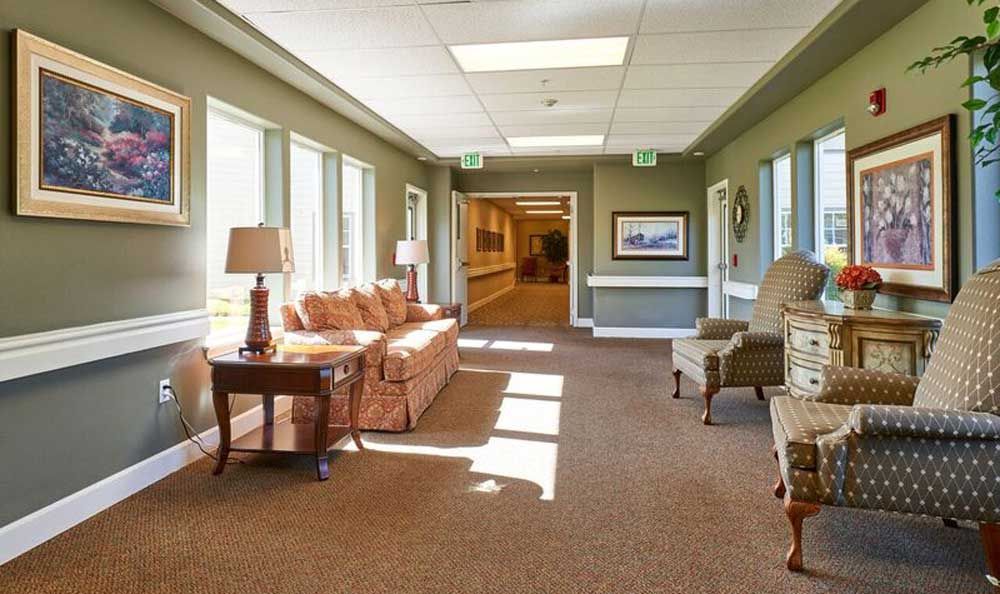
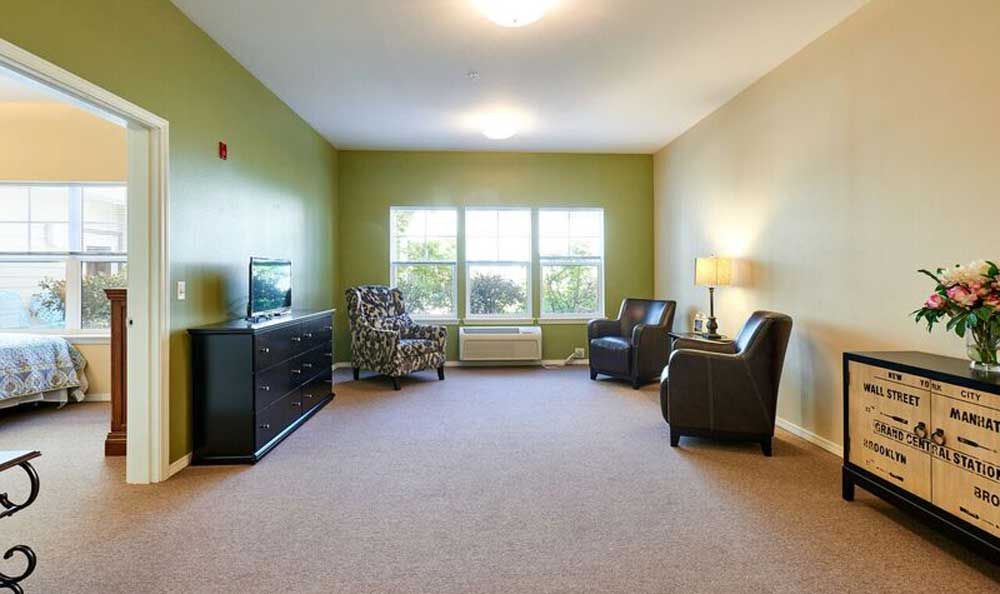
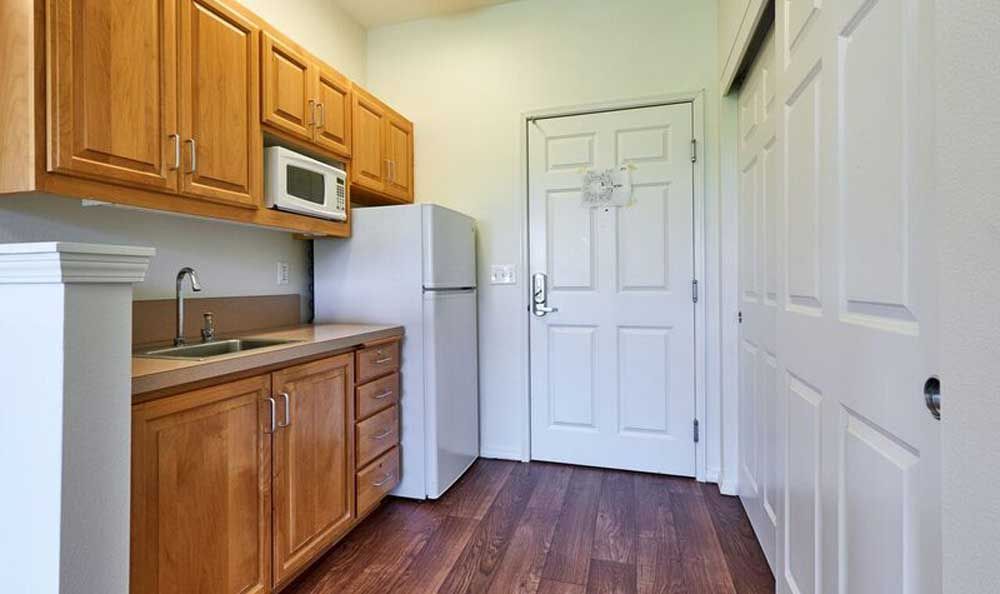
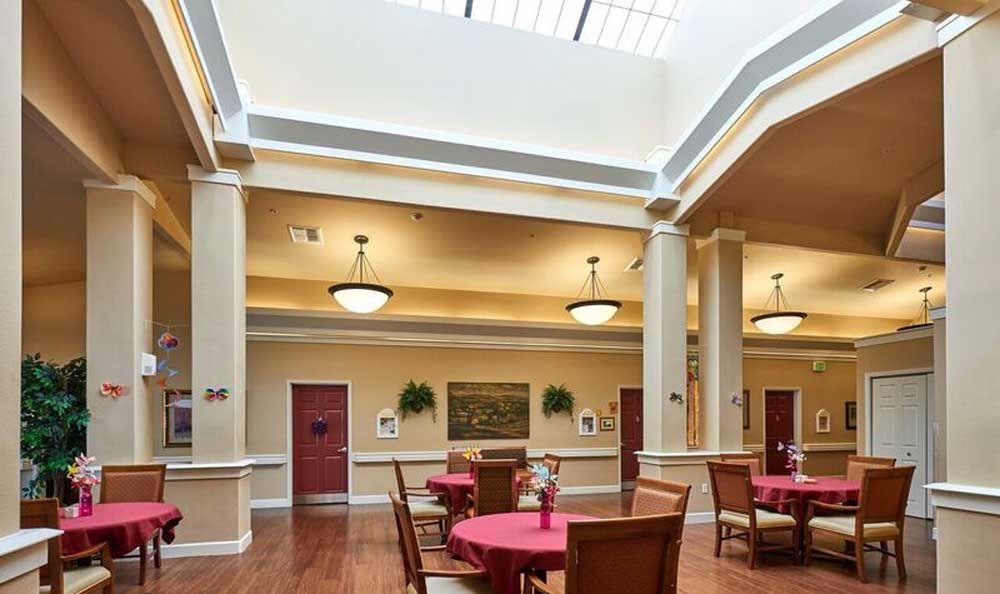
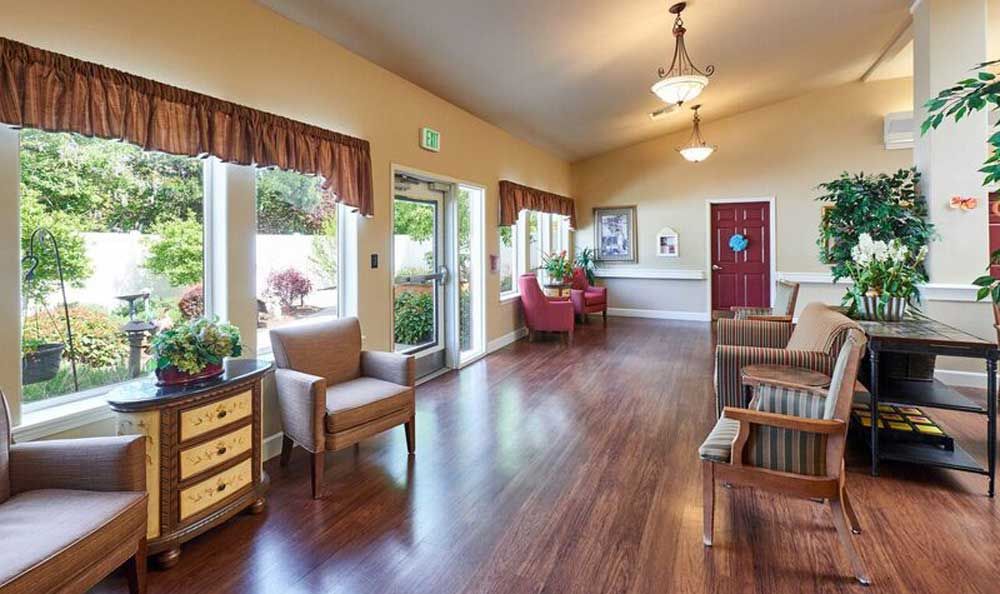
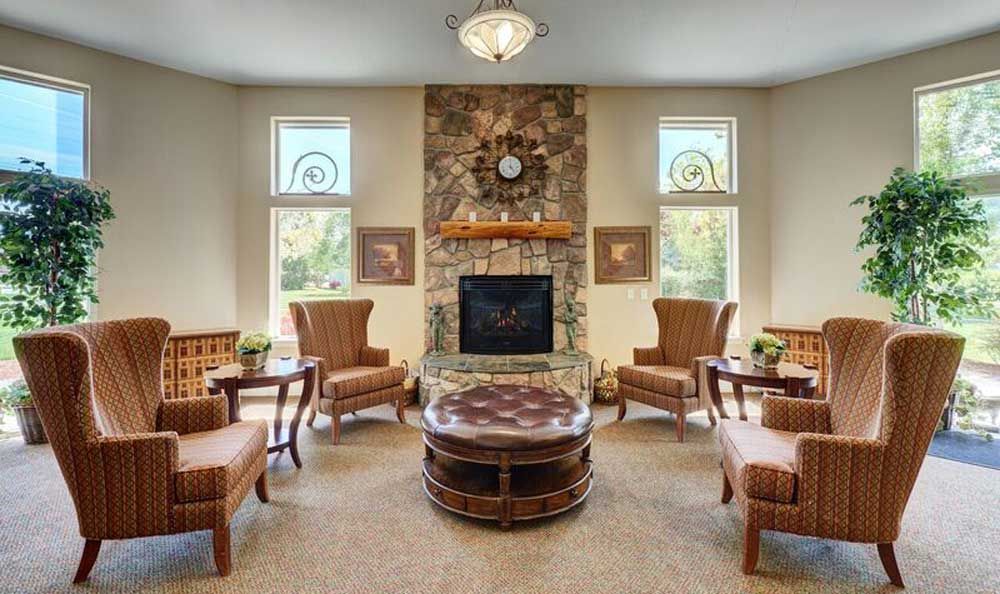
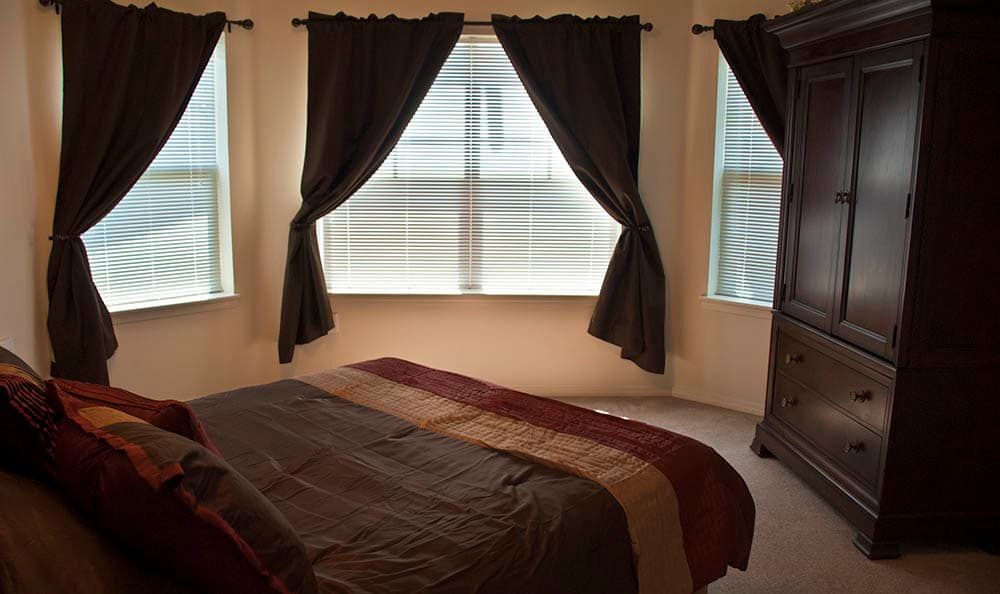
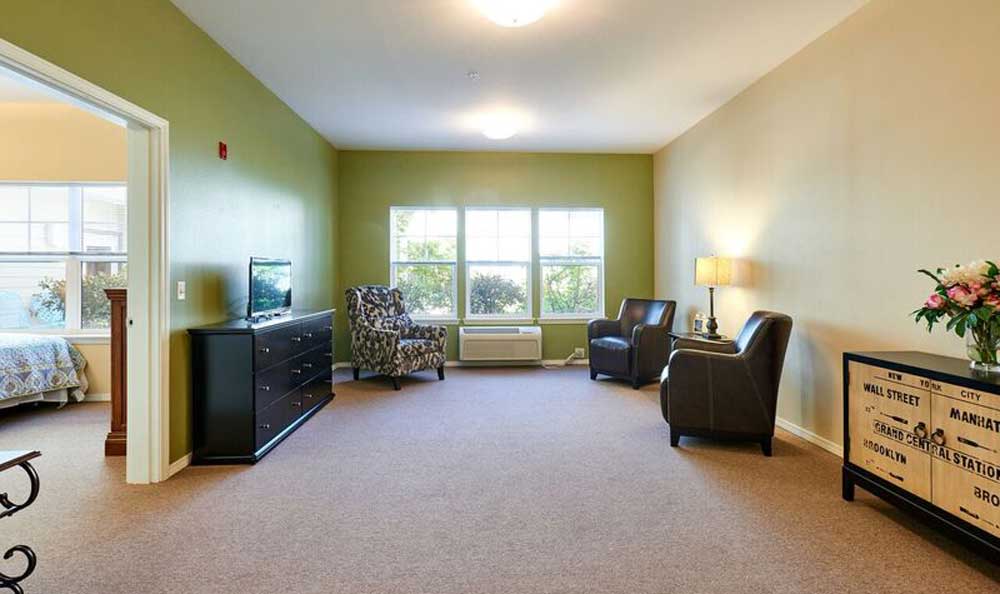
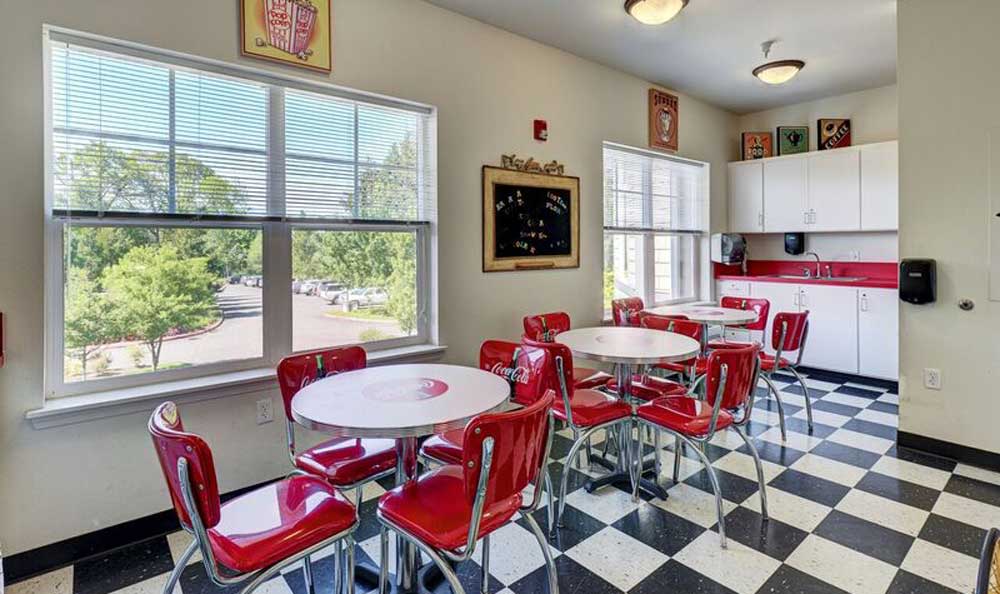
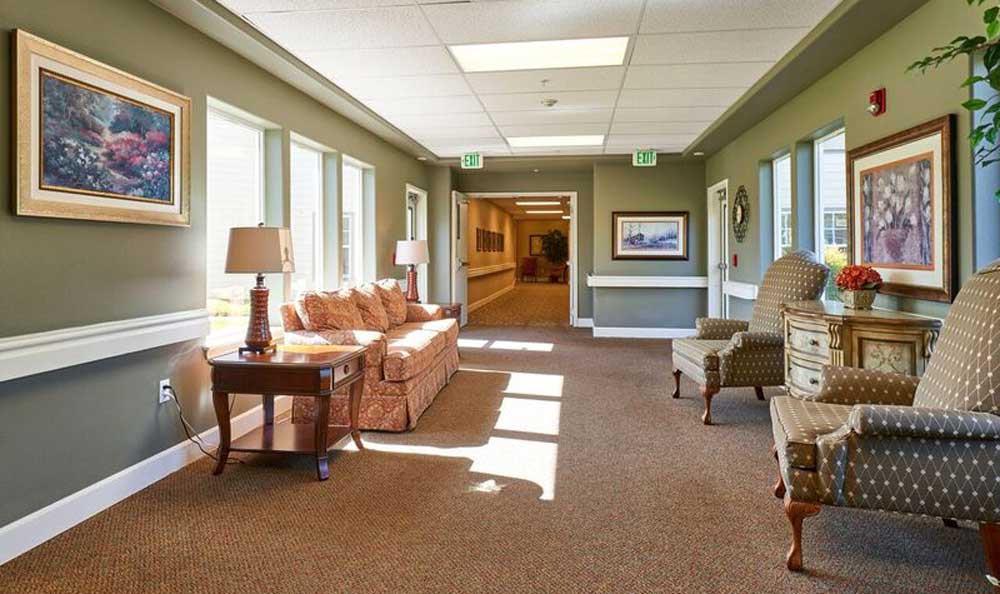
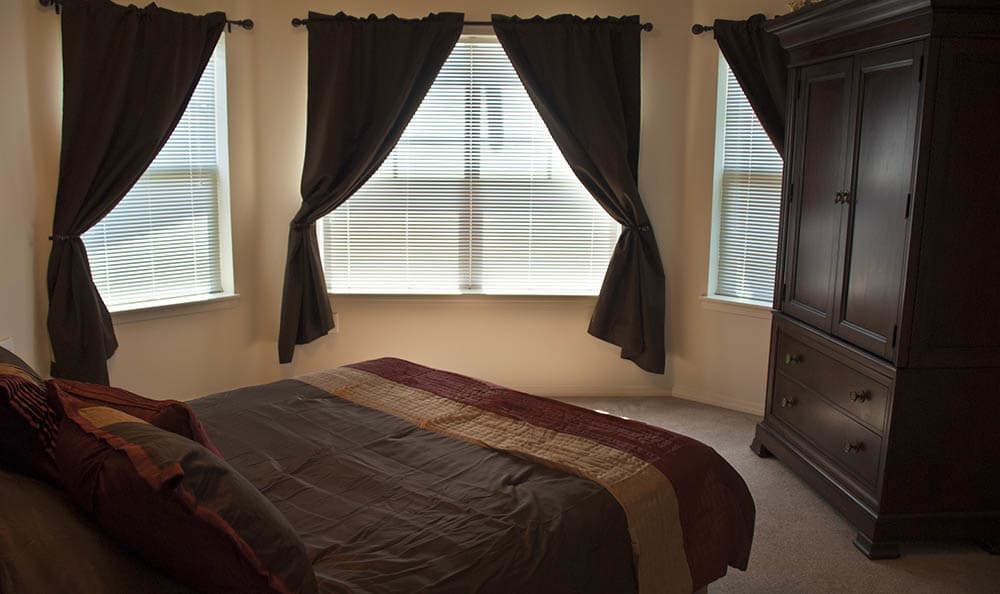
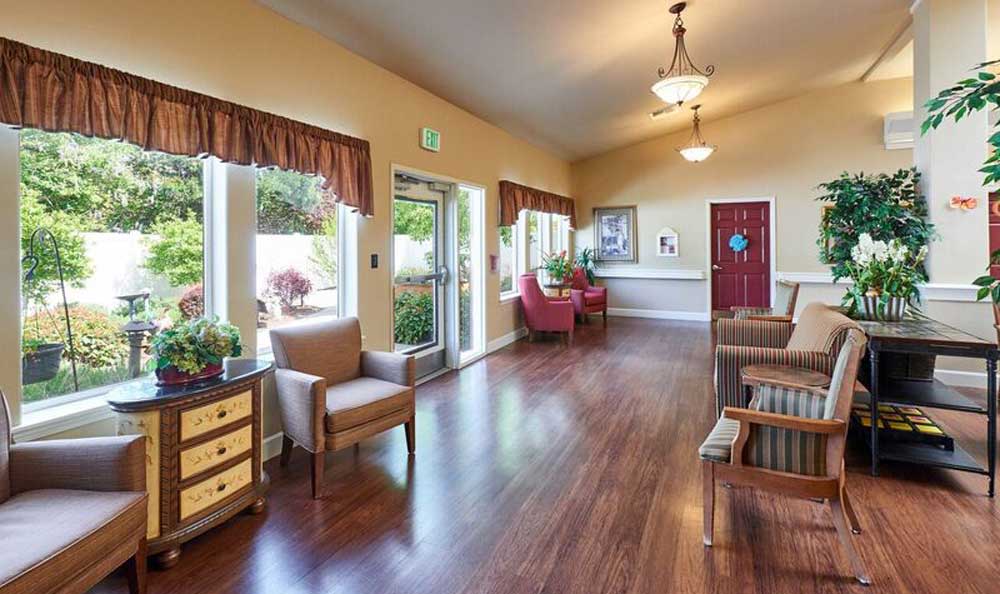
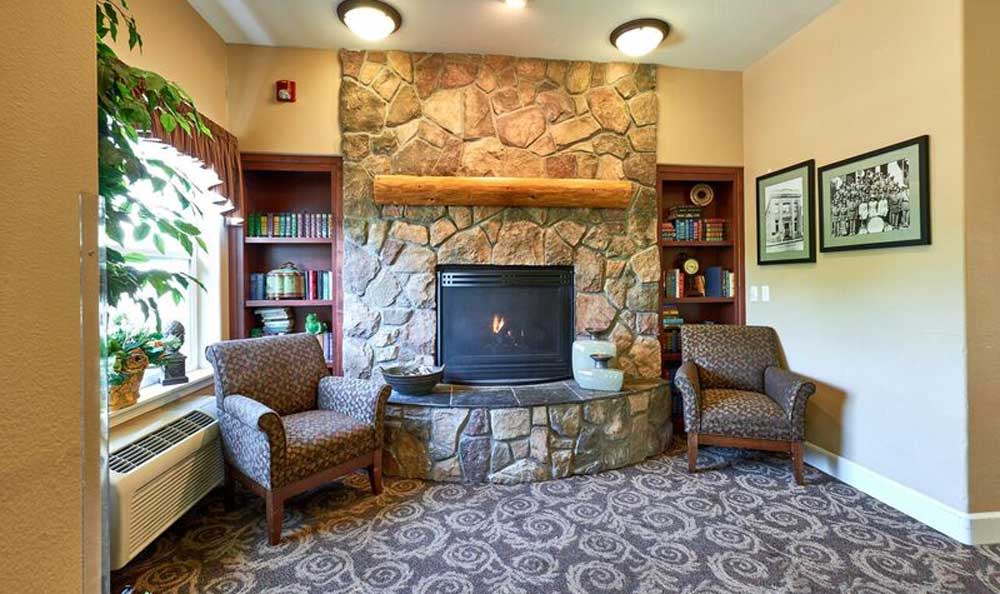
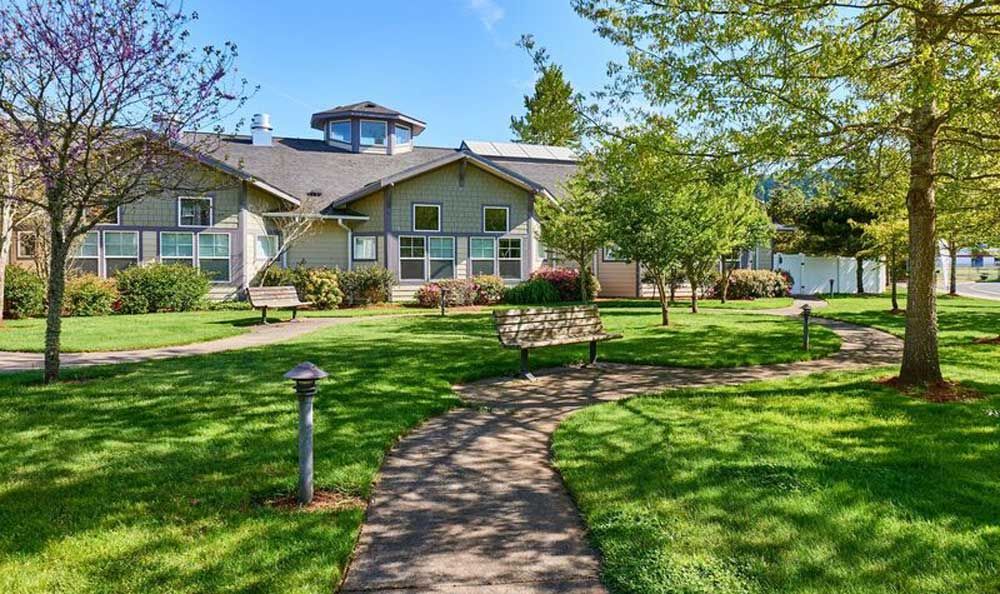
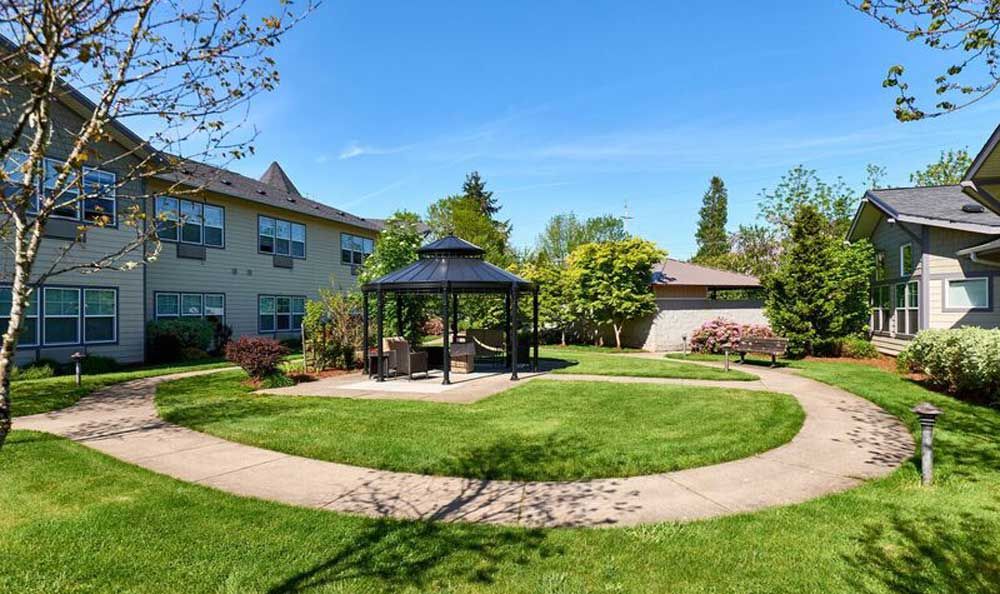
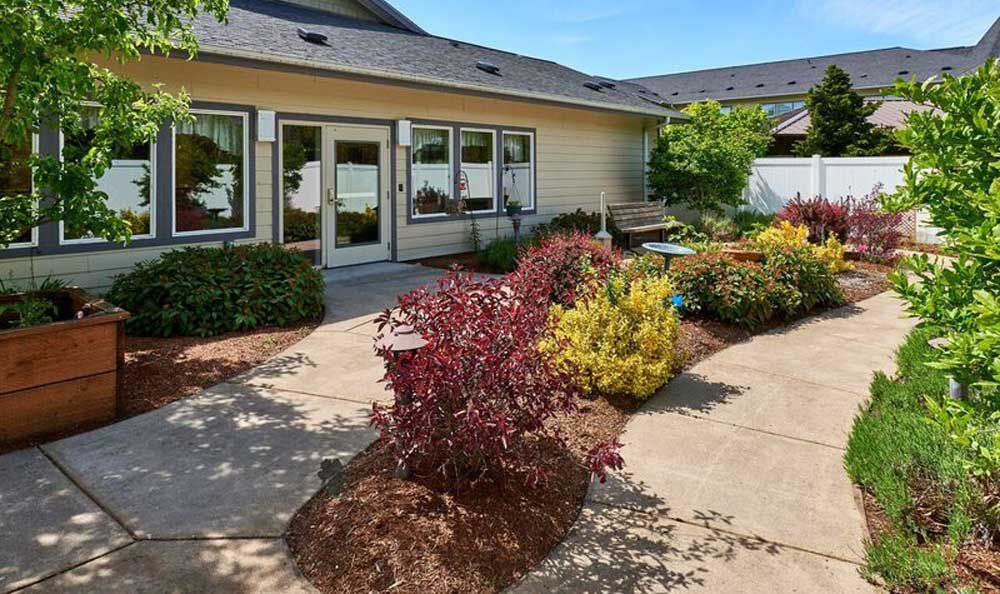
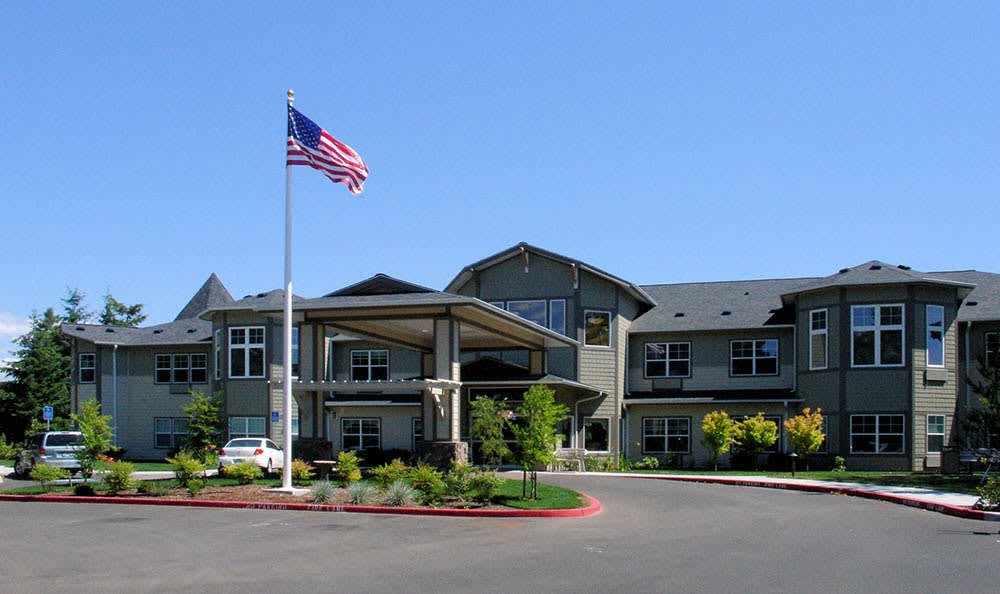
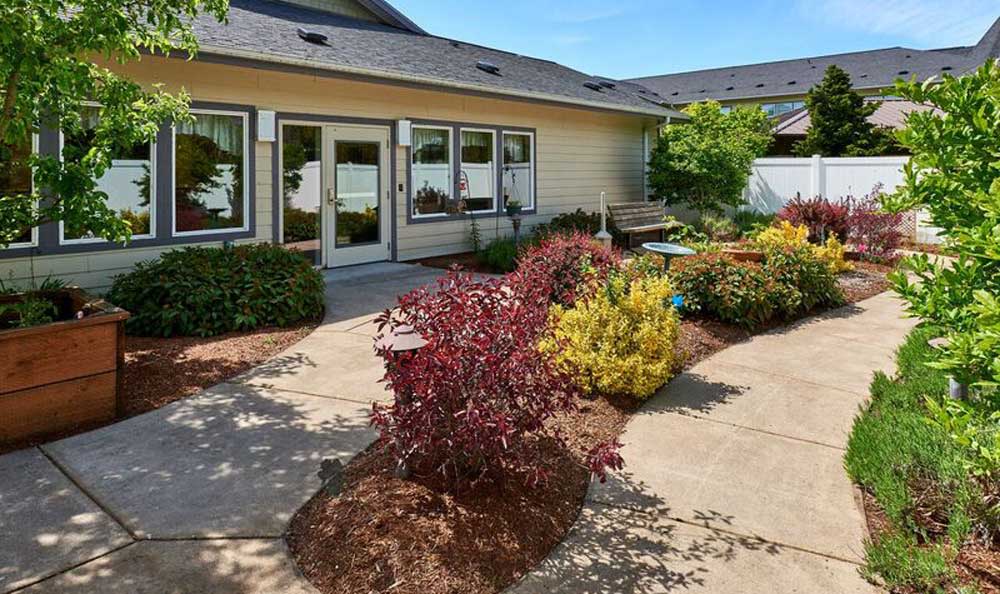
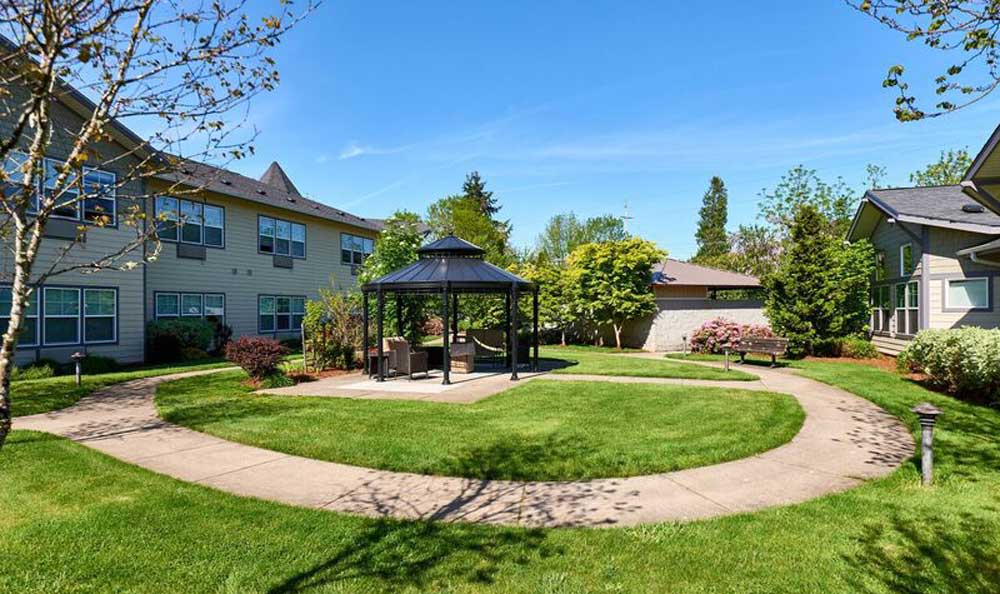
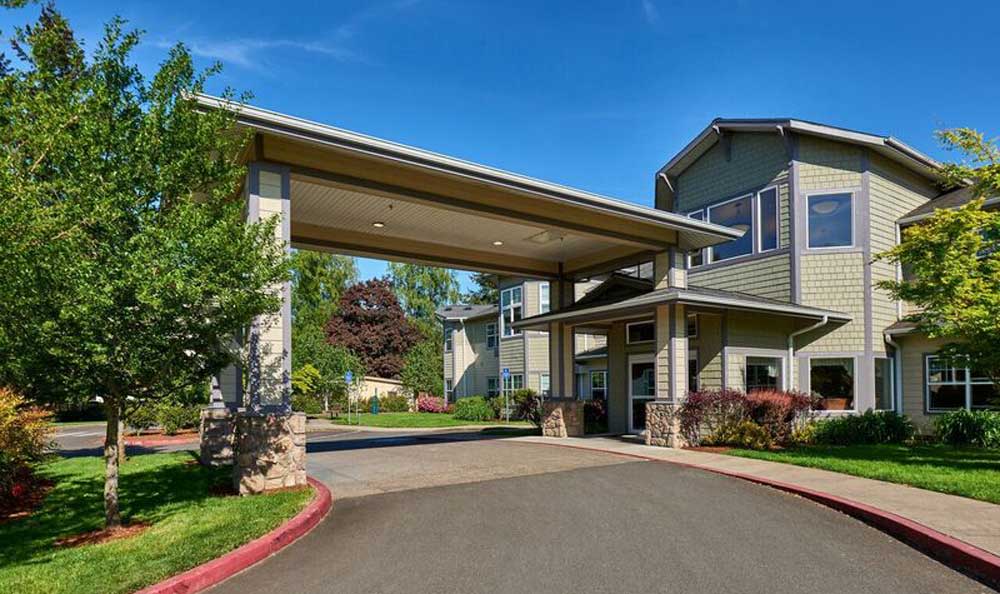
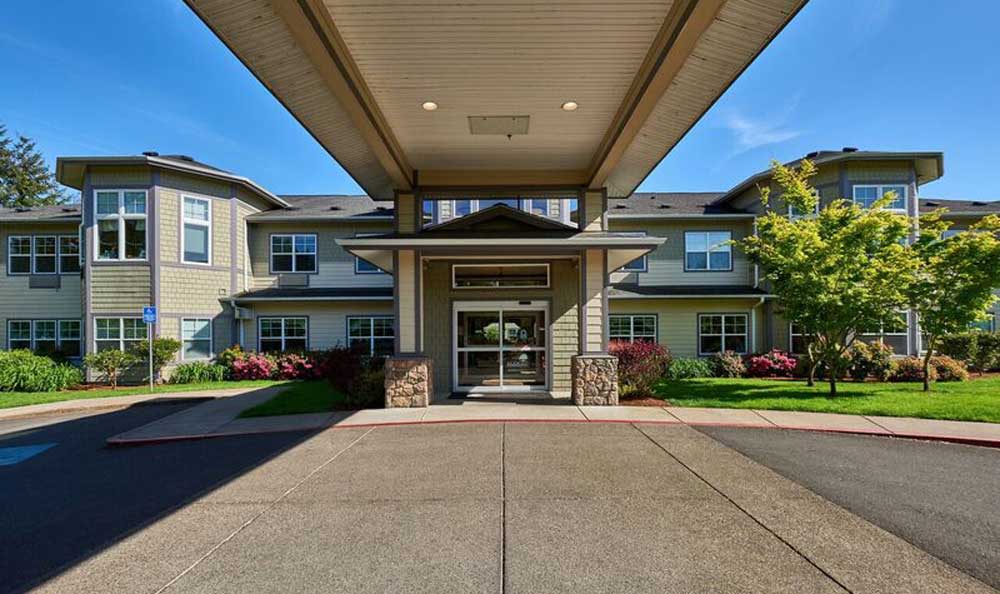
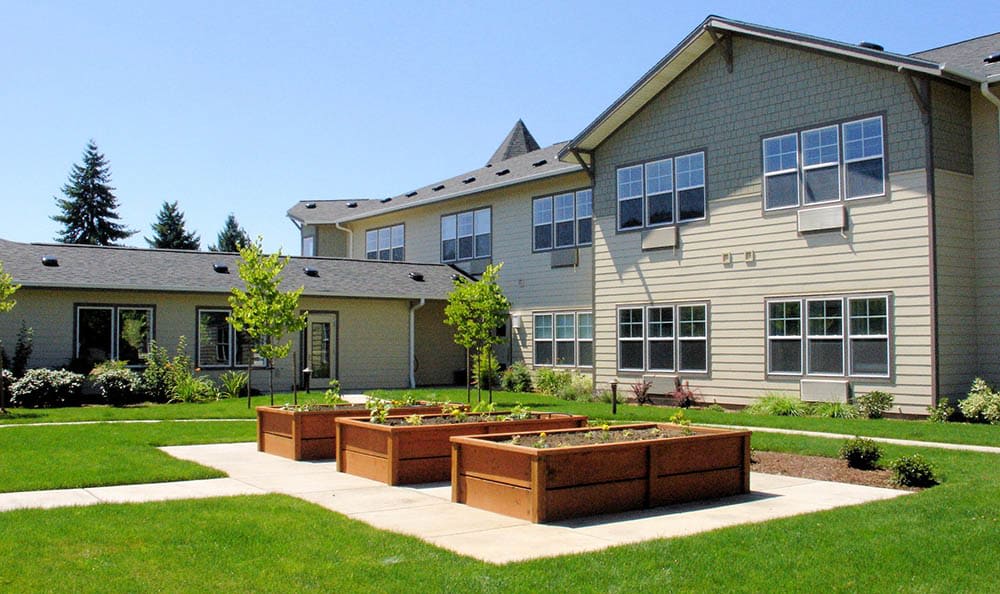
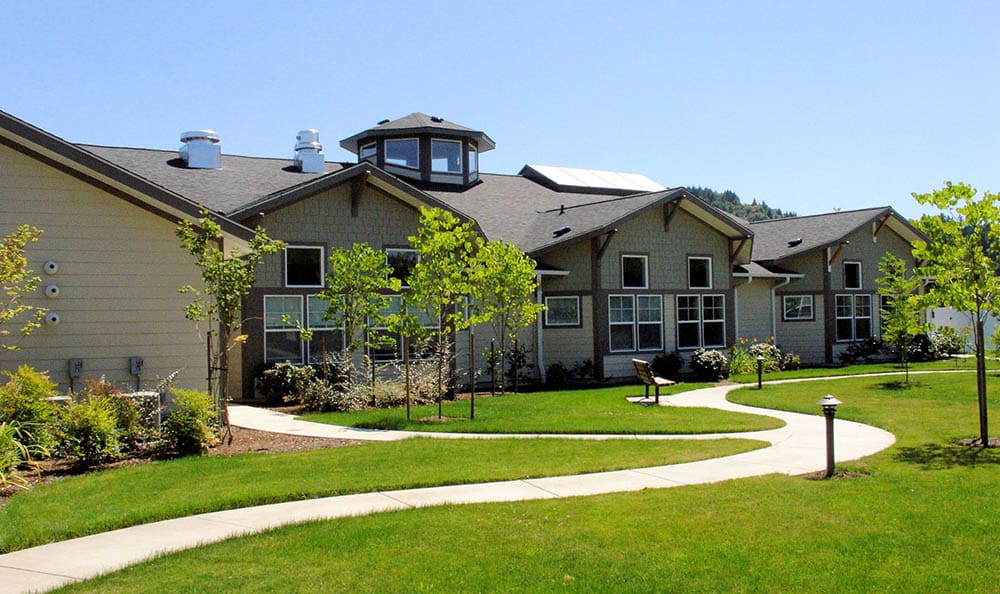
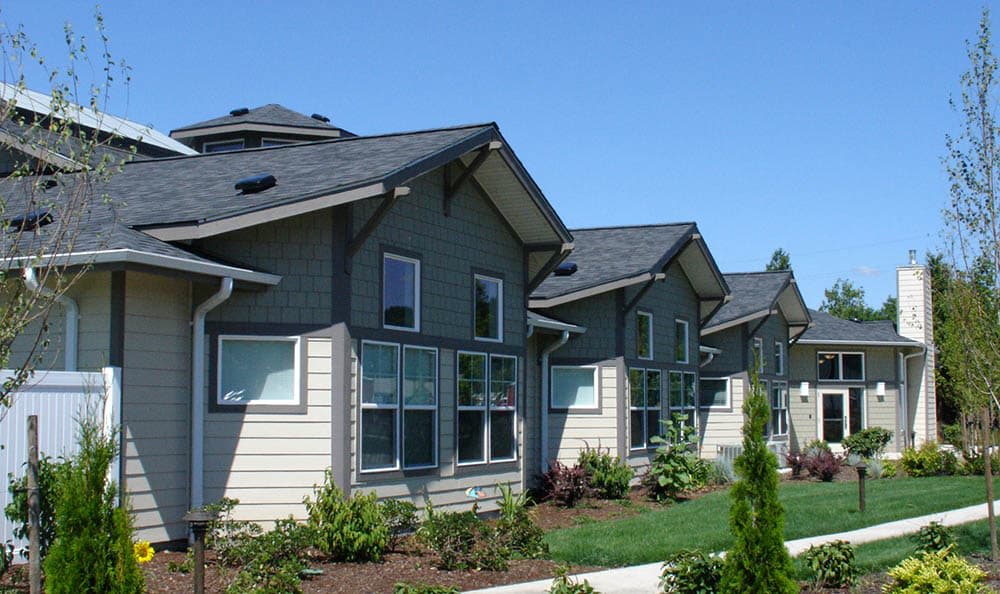
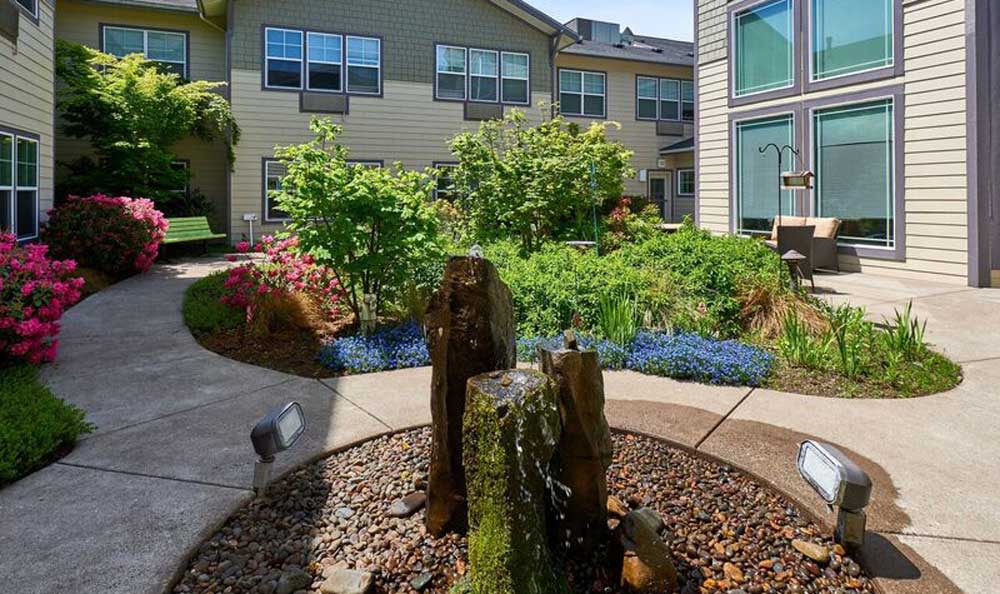
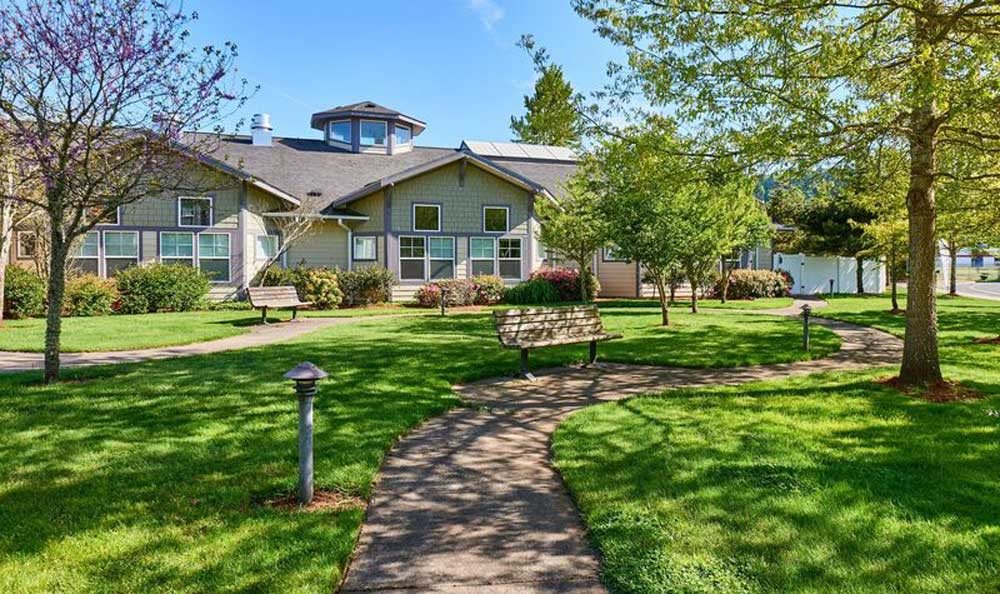
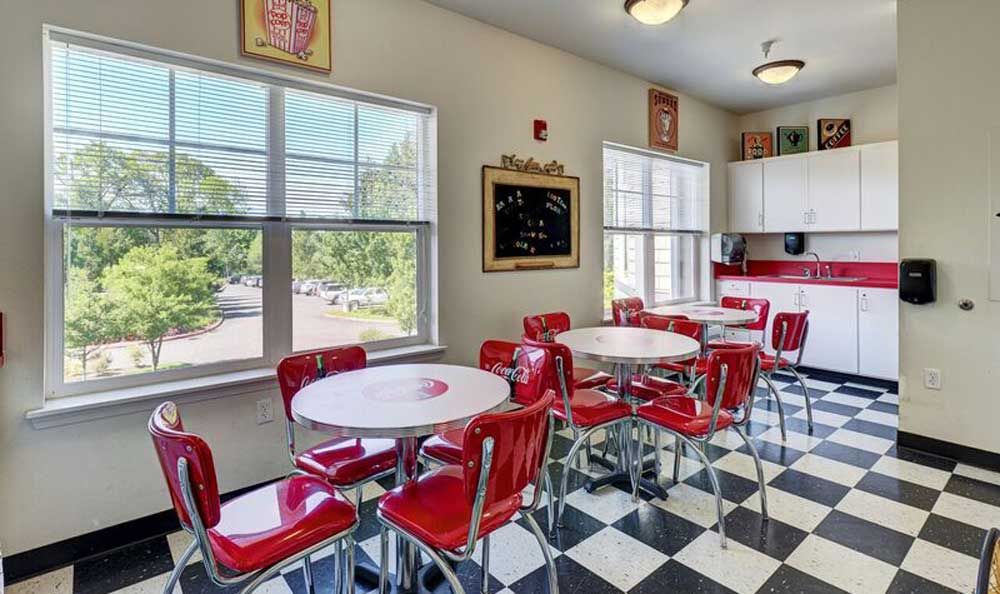
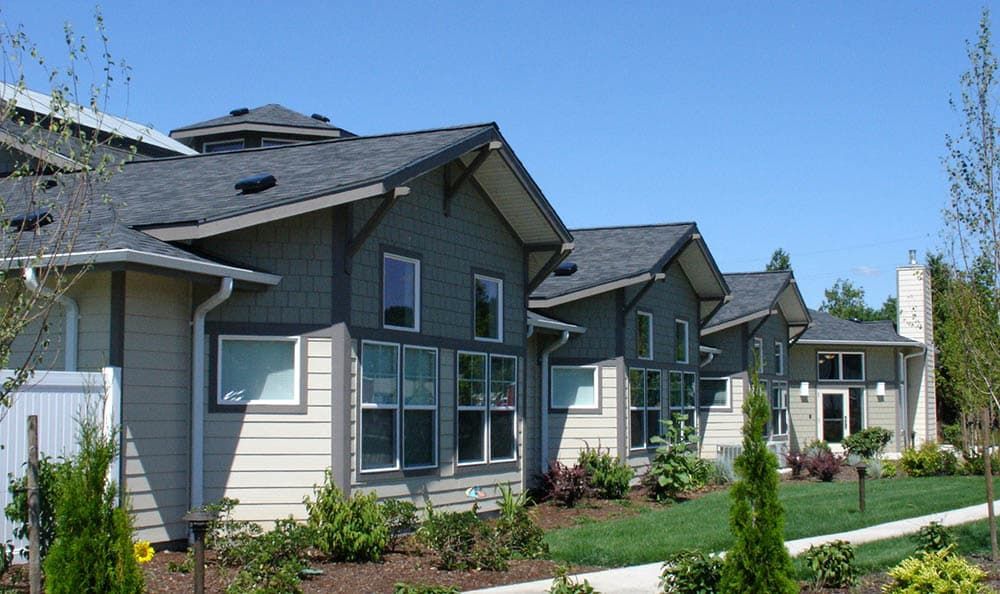
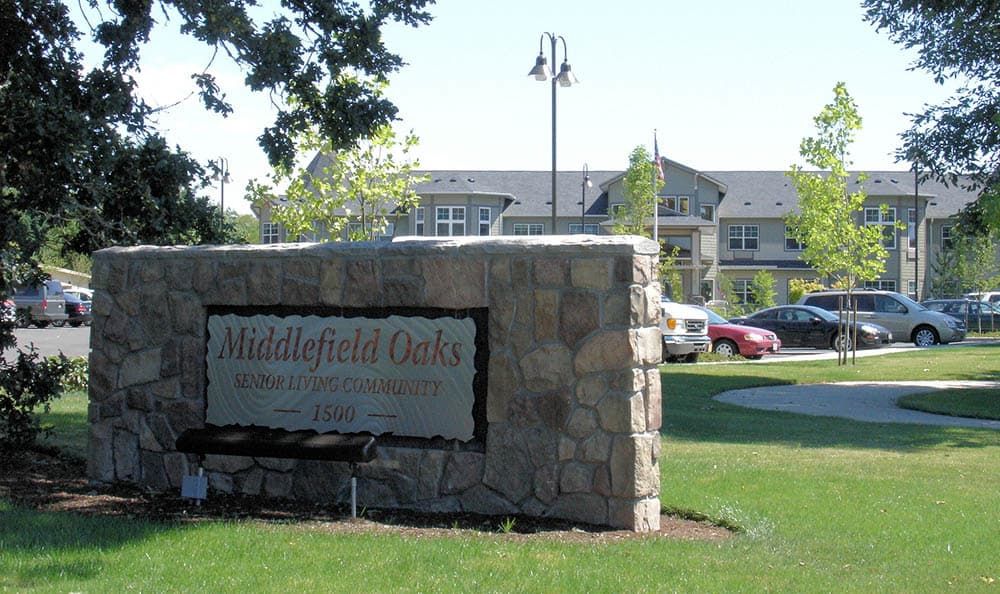
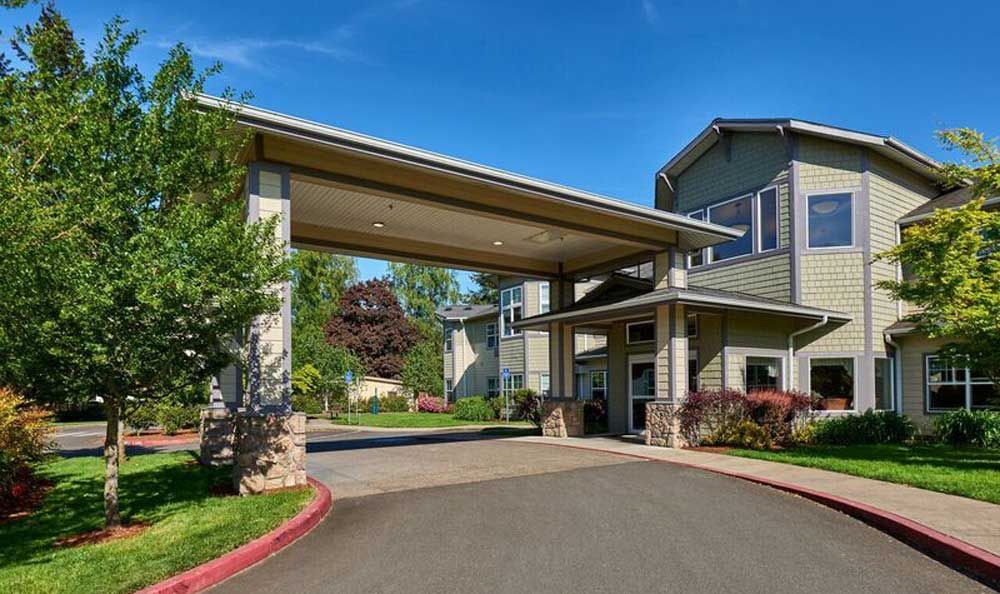
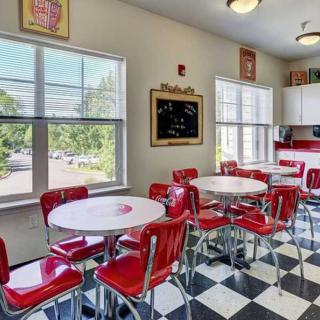
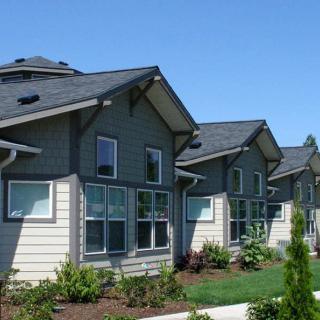
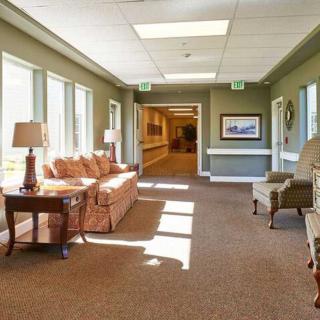
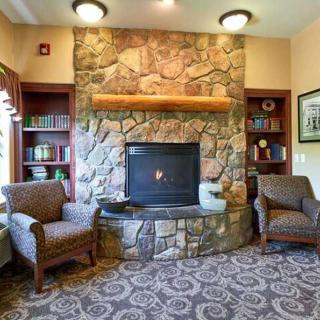
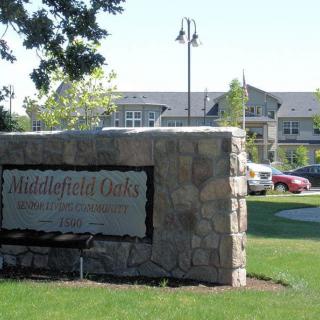
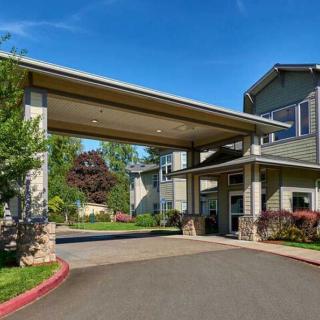
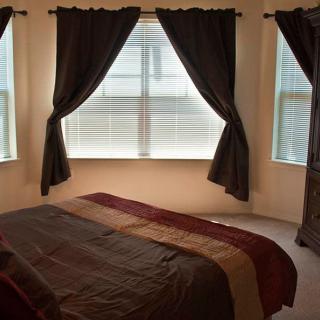
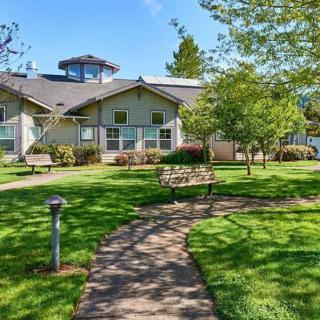
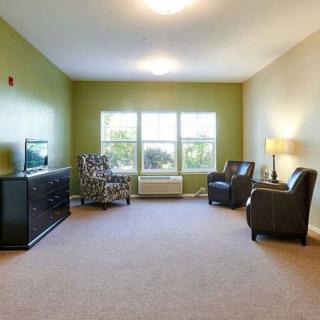
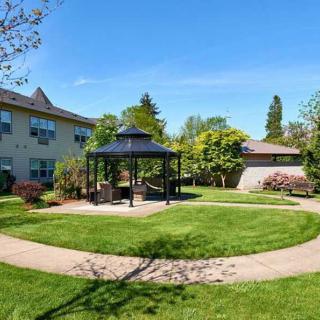
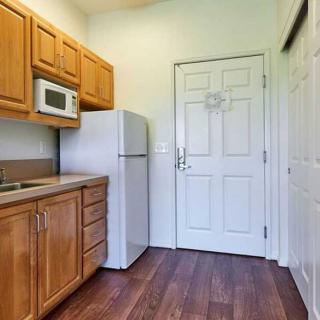
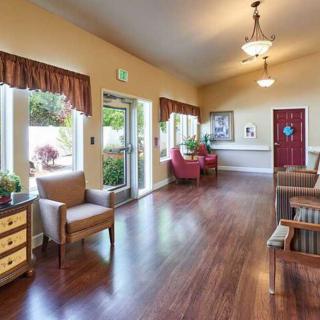
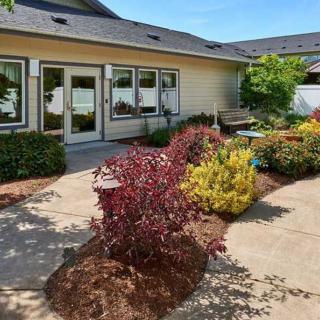
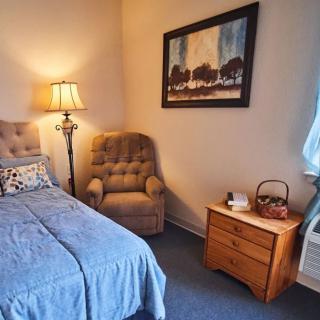
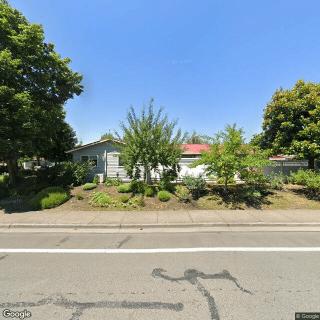
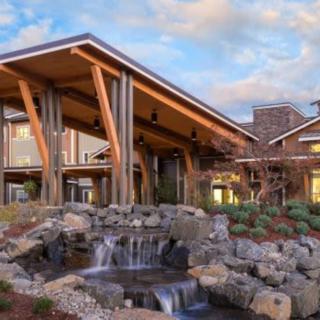
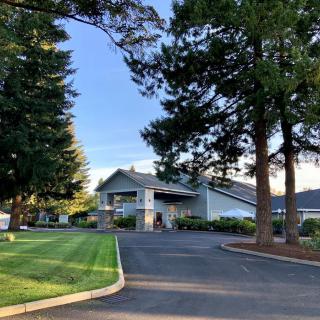
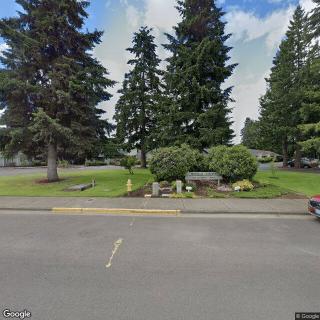
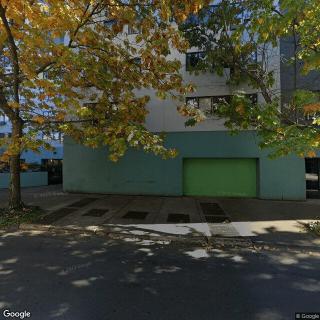
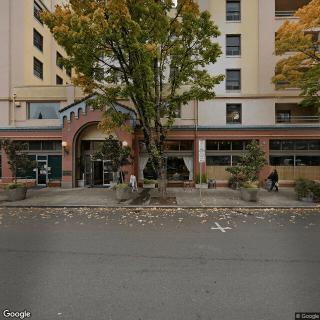
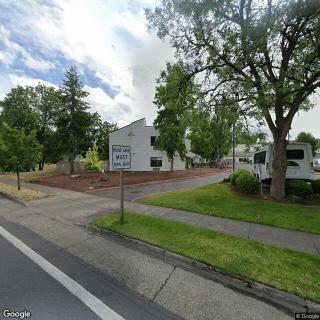
Middlefield Oaks Memory Care Community on seniors.fyi includes 44 photos including images showing landscaping, interior, floor plan, building, architecture, windows, pathway, trees, and more.
Nearby Communities
Bigelow's Foster Care
Cottage Grove, OR
5 from 4 reviews
Nurturing environment with convenient access to parks, healthcare, and dining.
Pendleton Cottage AFC
Cottage Grove, OR
5 from 5 reviews
$3,200 to $3,700 / month
Competitive pricing with on-site activities and services.
Magnolia Village Memory Care Community
Cottage Grove, OR
Specialized memory care with 24-hour supervision and tailored programming.
Magnolia Gardens Senior Living and Memory Care
Cottage Grove, OR
$6,200 / month
Offers independent, assisted, and memory care with 24-hour supervision and specialized memory programming, plus extensive on-site amenities and transportation.
Magnolia Gardens Assisted Living
Cottage Grove, OR
4.3 from 4 reviews
Friendly, caring staff in a welcoming, home-like, pet-friendly community.
Coast Fork Nursing Center
Cottage Grove, OR
4.1 from 18 reviews
Clean, well-maintained facility with friendly, attentive staff and comfortable rooms.
Olive Plaza
Eugene, OR
2.9 from 12 reviews
Vibrant, amenity-rich location with easy access to cafes, parks, pharmacies, restaurants, and healthcare nearby.
Eugene Hotel Retirement Community
Eugene, OR
4.7 from 31 reviews
$1,000 to $2,250 / month
Very affordable independent-living option with rich nearby amenities
Churchill Estates
Eugene, OR
3.6 from 81 reviews
$1,460 to $4,750 / month
Clean, well-maintained facility with friendly staff and spacious rooms.
"Memory Care Pathways: A Holistic Guide to Dementia Support" outlines the complexities of dementia and its various types, emphasizing early detection, patient-centered care strategies, caregiver support, and long-term care options while addressing legal and financial considerations to enhance the quality of life for individuals with dementia and their families.
Sundown syndrome, or sundowning, is a phenomenon in dementia patients characterized by increased confusion and agitation during late afternoon and evening, influenced by factors like disrupted circadian rhythms and fatigue. Effective caregiver strategies include establishing routines and managing environmental light while addressing caregiver stress through support services.
Delirium is a rapidly onset, reversible cognitive disturbance often caused by acute medical issues, while dementia is a gradual and irreversible decline due to chronic neurodegenerative diseases. Accurate differentiation between the two is essential for appropriate treatment and management in older adults.
Get PricingAsk A QuestionSchedule A TourContact Senior Advisor
By clicking submit, you agree to our Partner's Terms of Use. You
also consent to receive calls and texts, which may be autodialed, from our Partner. Your consent is not a condition to
using our Partner's service. Please visit our Partner's Privacy Policy for information about their privacy practices.



 85 resident community capacity
 1-bedroom apartments
 Assisted Living
 Memory Care
 Cats allowed
 Dogs allowed
 Activities off-site
 Air-conditioning
 Bath tubs
 Beautician on-site
 Cable or satellite TV
 Computer center
 Devotional services off-site
 Dining room
 Financial aid
 Fitness room
 Fully furnished
 Gaming room
 Garden
 Ground floor units
 Guest parking
 Handicap accessible
 Hiking trails
 Housekeeping services
 Indoor common areas
 Kitchenette
 Laundry
 Move-in coordination
 Outdoor common areas
 Party space
 Private bathrooms
 Respite or short term stays offered
 Restaurant-style dining
 Small library
 Spa
Spa Telephone
 Wheelchair accessible showers
 Wi-Fi/high-speed internet available
 Mahlon Sweet (24 miles away)
 Community operated transportation
 24-hour call system
 Assistance with bathing
 Assistance with dressing
 Assistance with transfers
 Diabetes diet
 Diabetic care
 Incontinence care
 Medication management
 Mental wellness program
 Special dietary restrictions
 Art classes
 Book club
 Concierge services
 Cooking classes
 Day trips and outings
 Educational speakers / life long learning
 Games
Games Happy hour
 Karaoke
 Live musical performances
 Visiting chaplain or priest
 Wine tasting
 English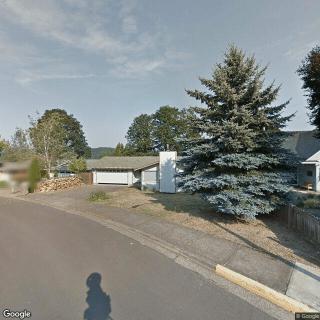
 Nurturing environment with convenient access to parks, healthcare, and dining.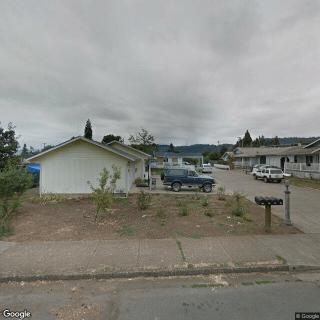

 Memory Care Pathways: A Holistic Guide to Dementia Support
 Comprehending Evening Confusion in Dementia: Causes, Manifestations, and Support
 Delirium and Dementia: Unraveling the Key Differences