
2187 Overlook Road, Cleveland, OH 44106
For more information about senior living options: (866) 208-4318
Overall Review of Mcgregor At Overlook
Pros
 The staff were great, very competent, and helpful.
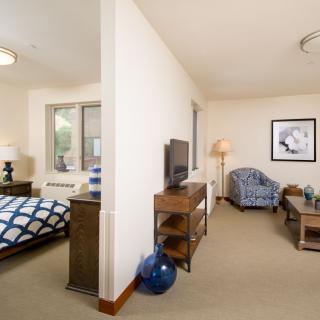
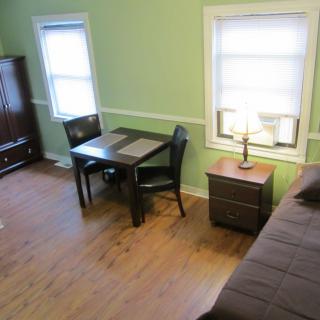
- The rooms were nice and decent.
- The dining room was really nice, and the food was good.
- The security was very good.
- The single room was beautiful.
- They kept her busy with activities, and she seemed happy there.
Cons
 There were activities, but the specifics were unclear.
- She did not participate anymore.
Review
McGregor At Overlook in Cleveland is best suited for families seeking skilled nursing care or post-acute rehab in a setting that emphasizes safety, competent caregiving, and dependable routines. The two favorable reviews highlight staff that are clearly capable and helpful, and they underscore a secure environment, attributes that matter most when a loved one is recovering from a hospital stay or requires ongoing supervision. Private rooms are described as attractive and practical, with fall-prevention measures like lowered beds and bedside mats. The dining experience and structured daily life further support a recovery-focused vibe. In short, for families prioritizing professional medical oversight, reliable safety, and a calm, orderly atmosphere, this community stands out as a credible choice.
That said, McGregor At Overlook operates with a clearly rehab- and nursing-forward orientation, which means alternatives should be considered for those seeking a purer assisted-living model or a more robust social, independent-living vibe. The reviews emphasize skilled care, security, and routine reliability rather than pure lifestyle independence. For seniors whose primary aim is to minimize medical oversight while maximizing social opportunities and flexible programming, other communities offering less medical emphasis and more expansive daily activities may be a better fit. In effect, this setting excels when medical stability and structured care are non-negotiable, and it may feel misaligned for those seeking a lighter-touch, more independent living experience.
Among the strongest pro factors are staff competence and responsiveness. One reviewer calls the staff “very competent and helpful,” and both note that problems are addressed promptly. Security is highlighted as “extremely well done,” translating into peace of mind for families and residents. Private rooms are not only aesthetically pleasing but also thoughtfully equipped for safety, with beds lowered for fall prevention and protective mats. Dining is praised as well, contributing to comfort during recovery or ongoing care, while activities, whether formal programs or simple, purpose-filled tasks, help keep residents engaged and reduce restlessness. Taken together, these elements create a care experience that supports rehabilitation goals and ongoing safety with visible attention to daily quality of life.
However, the main trade-off is the environment’s rehab-nursing character. For families prioritizing long-term assisted living with less medical intervention, the setting may feel too clinical or recovery-focused. While activities exist and staff make efforts to keep residents busy, the cadence and breadth of social programming aren’t fully detailed in feedback, leaving some ambiguity about day-to-day variety. Yet the proactive communication and consistent staffing mitigate these concerns by ensuring care plans stay aligned with evolving needs and by providing timely updates to families. The practical outcome is a clear preference for those who want assurance of professional oversight, rather than a purely social, independent-living experience.
To decide effectively, families should map care needs against the facility’s strengths. Confirm whether post-acute rehab or ongoing nursing supervision is the primary objective, and verify the availability of therapies, discharge planning, and movement toward independence if that is the goal. Tour the community to assess the physical environment, room options, and dining quality in person. Inquire about activity programming, resident engagement, and how staff tailor routines to individual interests. Finally, discuss family communication practices and incident reporting, since reliable updates are essential during transitions. These steps help determine whether the rehab-focused model aligns with the loved one’s trajectory.
In sum, McGregor At Overlook stands out for families seeking a secure, professionally staffed setting with solid private accommodations and dependable daily routines in a post-hospital or ongoing skilled-nursing context. It may not be the first choice for those pursuing a straightforward assisted-living experience with minimal medical oversight and highly varied social calendars. For such families, exploring alternatives that emphasize independent living and broader social programming should be part of the process. A deliberate site visit, with targeted questions about rehab services, therapy offerings, and discharge planning, will reveal whether this community aligns with the care trajectory and lifestyle goals pursued for a loved one.
 25 resident community capacity
 Skilled Nursing Facility
 Beauty salon
 Cable or satellite TV
 Dining room
 Fully furnished
 Garden
 Housekeeping services
 Kitchenette
 Move-in coordination
 Outdoor space
 Restaurant-style dining
 Small library
 Telephone
 Wi-Fi/high-speed internet available
 Cleveland-Hopkins International (14 miles away)
 24-hour call system
 Activities of daily living assistance
 Assistance with bathing
 Assistance with dressing
 Assistance with transfers
 Diabetes diet
 Medication management
 Mental wellness program
 Special dietary restrictions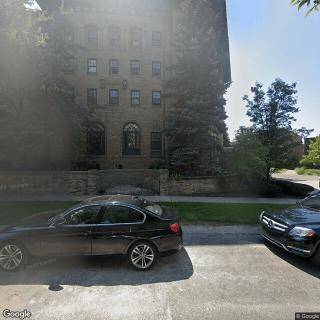




 Seniors and Modern Transportation: Exploring Uber, Lyft, and Other Ride-Hailing Options
 Comprehensive Guide to Qualifying for Home Health Care Services
 Powerful Realities of Elder Abuse and the Most Effective Ways to Report It