

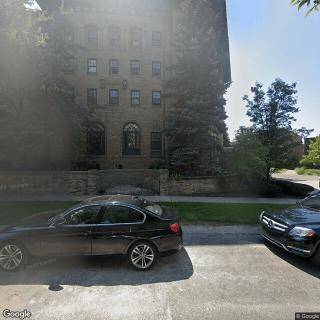
2460 Fairmount Boulevard, Cleveland, OH 44106
To contact a resident: (216) 421-2600
For more information about senior living options: (866) 208-4318
Overall Review of Home Helpers
Pros
 Holistic Helpers has been the best hands down among the agencies that have serviced her daughter.
- Holistic Helpers provides in-home care with offices across the region and is described as award-winning.
Review
Home Helpers in Cleveland is best suited for families that want to keep a loved one at home while receiving steady, hands-on care from an agency with a regional footprint. The model works well for someone who is disabled and benefits from daily assistance, safety supervision, and companionship delivered in familiar surroundings. The presence of multiple regional offices signals a capacity to respond with local staff and support, reducing the sense of being left waiting for help. For a family aiming to preserve independence and stability through home-based care, this agency presents itself as a practical, user-friendly option with scalable staffing.
Those weighing alternatives should consider scenarios where in-home care may fall short. If a loved one requires around-the-clock medical nursing oversight, highly regimented routines, or a built-in facility environment with on-site professionals, an assisted living community or a skilled nursing facility could be more appropriate. Families seeking highly transparent, externally verified credentials and outcomes may want to compare agencies with longer track records, published care metrics, and clearer pricing structures. In short, anyone prioritizing a facility-based setting or stringent medical oversight may find stronger alignment elsewhere.
The strongest positives here are what the home-care model inherently promises: the chance to remain at home with day-to-day help and the potential for personalized attention. In-home care supports daily living activities, safety monitoring, and meaningful engagement within a familiar space, which often translates into less disruption for the person receiving care. The claim of regional offices across the area suggests improved scheduling flexibility and a broader pool of caregivers, which can mean quicker responses to needs and fewer gaps in coverage. A perception of quality is reinforced by the client’s strong praise for the agency, coupled with an assertion of award-winning service, an impression that, while self-claimed, signals a commitment to excellence that families can probe further through references and credential checks.
Still, the limited data available, three reviews total and a single detailed testimonial, constitute a meaningful caveat. The small sample size makes it harder to gauge consistency across caregivers, shifts, and geographic coverage. The “award-winning” claim is useful sentiment, but it warrants independent verification, such as licensing status, professional affiliations, and any objective awards or accreditations. Because care quality in home settings hinges on caregiver matching, turnover, and ongoing supervision, families should seek specifics about how matches are made, how often reassessments occur, and what happens when a caregiver is unavailable.
These pros offset the potential drawbacks to a noticeable degree when approached with due diligence. The home-based model minimizes the upheaval of moving into a facility, which can be a crucial factor for someone with complex needs who thrives on routine and personal familiarity. The regional footprint helps ensure that caregivers can be assigned with reasonable travel expectations and that supervision can be scaled to fluctuating levels of need. The positive anecdote about one family’s experience provides a promising signal that reliable, compassionate care is attainable, especially for challenging cases like disability management in a home setting. Verification of caregiver qualifications, supervision standards, and care planning processes remains essential to convert promise into predictable outcomes.
For families actively evaluating Home Helpers, the practical next steps are clear. Request a formal care assessment that outlines a tailored care plan, including frequency, tasks, and emergency protocols. Ask for caregiver profiles, turnover rates, and the process used to match caregivers to a loved one’s specific needs and preferences. Review licensing, bonding, and any on-staff nursing or medical oversight, even in an in-home context. Compare pricing structures, confirm what is included in the rate, and obtain written policies on scheduling changes, cancellations, and contingency coverage. With these checks, Home Helpers can be judged not only by sentiment but by demonstrable, accountable care delivery.
In the end, Home Helpers presents a compelling option for families seeking to keep a loved one at home with professional, regionally supported care. It appears especially well-suited for those who prize flexibility, accessibility, and a caregiver presence that can adapt to changing needs. However, given the modest volume of independent reviews, prospective clients should verify credentials, confirm consistency across care teams, and gather robust references before committing. For families ready to prioritize home-based support with a practical, locally grounded agency, this option warrants serious consideration and a careful, data-driven evaluation.
 Cleveland-Hopkins International (15 miles away)




 Exploring Palliative Care in the Home: A Comprehensive Overview
 Comprehensive Insights into Palliative Home Care: What It Is and What to Expect
 Skilled Nursing Facilities vs. Nursing Homes: Making Sense of the Differences