

1287 Newsome St, Mount Airy, NC 27030
To contact a resident: (336) 786-2133
For more information about senior living options: (866) 208-4318
Overall Review of Central Continuing Care Nrsng
Pros
 They have plenty of activities for the neighbors.
- The care team is wonderful and keeps the family involved in the care.
- The staff has been wonderful to residents, and they promptly contact families if there are concerns.
- The neighbors who live there are respectful to each other.
- The facility is very clean and has great staff.
Cons
 The facility was described as one of the worst holes ever.
- The reviewer stated that on the first day the mother was placed in an unlocked wheelchair and fell.
- The reviewer claimed that nurses only addressed the issue after seven days of daily photos were provided.
- The patient waited two hours for bathroom assistance until a family member intervened.
- The mother was told to wet the bed and that care would be provided later.
- All patients wore adult diapers because staff did not take the time to walk them to the bathroom.
- The mother was on 4L of oxygen 24/7, but it was removed to take her to the shower, where she was hosed down.
- She was never to be disconnected from her oxygen.
- The wallpaper was peeling and her room was swept only once a week.
- Staff changed the roommate's colostomy bag at dinner time and then wondered why the reviewer’s mother never ate.
- Her bed linens were changed only once a week.
- She shared a bathroom with men in the adjacent room.
Review
Central Continuing Care Nursing in Mount Airy, NC is best suited for seniors who want a socially active environment and a care team that actively involves families in daily decision-making. The community shows particular strength for residents who thrive on a full calendar of activities and on having caregivers who provide regular updates and involve relatives in care planning. For families that value transparency, continuity of staff communication, and a home-like atmosphere, this facility offers a practical, dependable setting with a clear emphasis on engagement and connection.
Those considering alternatives should weigh how the most serious safety and care gaps could affect residents with higher medical needs. The strongest red flags come from a review detailing acute safety failures: a fall on day one from an unlocked wheelchair, a protracted period before any nursing assessment, significant delays in basic care, and a pattern of housekeeping and hygiene lapses. Oxygen management that was abruptly altered for a shower, a room-sharing arrangement that raised privacy and safety concerns, and inconsistent feeding and linen changes all point to potential, ongoing gaps in supervision and routine oversight. For a resident who requires vigilant, constant monitoring, or for families unwilling to accept lapses in immediate response and basic dignities, exploration of other options is prudent.
On the positive side, the care team is repeatedly described as wonderful, with a genuine effort to keep families involved and informed. Cleanliness and a homey feel emerge in several accounts, and the neighborly, respectful environment supports social well-being. The activity program appears robust enough to sustain engagement, which translates into steadier daily rhythms, improved mood, and accessible social supports. In practical terms, these strengths can translate into less behavioral friction, more predictable days, and a sense of belonging that matters deeply for quality of life.
Yet the most troubling report casts a long shadow over these strengths, challenging the overall reliability of care. When concerns exist about timely assistance, proper supervision during transfers, and responsive care during medical needs, the positives can quickly feel conditional. Issues described, hasty or unsafe handling of medical equipment, inadequate attention to wounds or changes in physical condition, and environmental maintenance problems, signal that reliability and safety may vary by shift or by caregiver. This tension between commendable interpersonal care and serious operational deficits must guide decision-making, especially for families prioritizing consistent, high-standard care.
The bottom line is practical and clear. If a resident can thrive with strong social programming, dependable family communication, and a staff team that genuinely appears invested in residents, this community can deliver meaningful value. However, for households where safety, constant supervision, and strict adherence to care protocols are non-negotiable, serious consideration of alternatives is warranted. Prospective families should insist on a thorough, in-person tour focused on staffing patterns, response times, wound and medication management, and daily living routines. Demand specifics: nurse-to-resident ratios on multiple shifts, documented fall-prevention practices, wound-care capabilities, and a transparent process for reporting concerns. In the end, alignment between expectations and operational reality will determine whether Central Continuing Care Nursing is the right match or if a more consistently safeguarded option is preferable for long-term peace of mind.
 Skilled Nursing Facility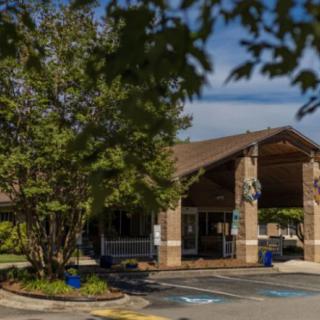





 Exploring Palliative Care in the Home: A Comprehensive Overview
 Comprehensive Insights into Palliative Home Care: What It Is and What to Expect
 Skilled Nursing Facilities vs. Nursing Homes: Making Sense of the Differences