
920 Cherry Ridge Boulevard, Webster, NY 14580
For more information about senior living options: (866) 208-4318
Overall Review of St Anns Community - Webster
Pros
 The staff are caring and clearly enjoy their work.
- The facility is clean and well maintained.
- Front desk staff Ann Marie and Victoria provide coordinated support.
- Brian from Marketing helped them find the right home.
- Patty, the Independent Living Residence Manager, guided them through the transition.
- The resident and staff community feels like family.
- Cherry Ridge was their first choice for a senior living home.
Cons
 The mom deteriorated within three weeks and passed away.
 - The mom was thrown to the ground by a nursing aide.
- She had fallen twice and was not supposed to be walking on her own.
- A supervisor said an aide was fired for abuse, and that information should not have been shared.
- The facility has cliques, like being in high school.
- They let employees be bullied and make up lies to fire people.
- The D.O.N or HR cannot be counted on.
- There was no response when calls were made to the administration.
Review
St Anns Community in Webster is best suited for families seeking a caregiver-forward assisted living experience where daily life is driven by attentive frontline staff and a genuine sense of community. It works well for residents who can function with routine assistance, enjoy clean surroundings, and benefit from consistent, hands-on care without requiring high-acuity medical management 24/7. The setting tends to reward steady support from CNAs and nurses and favors a stable, personal approach to daily activities. Those who need frequent, highly complex medical interventions, aggressive fall prevention measures, or constant, crystal-clear incident transparency may find the fit less secure. In short, this is a practical choice for comfort, continuity, and decent day-to-day care, with caveats for safety oversight and communications.
On the positive side, the strongest takeaway is the warmth and competence of many frontline caregivers, who deliver daily assistance with a hands-on style that families value. Cleanliness and a well-maintained environment help reduce stress for both residents and visiting relatives. Families frequently cite helpful front-desk and coordination support, which eases transitions and ongoing scheduling, as well as a resident-and-staff culture that can feel welcoming and familiar. In practice, this translates to reliable help with activities of daily living, prompt response to routine needs, and a sense that staff are genuinely trying to improve quality of life within the bounds of the program. When a resident remains reasonably independent with occasional supervision, these strengths are meaningful and tangible.
Yet serious concerns surface in the wake of significant safety incidents and murky communication around them. One family reports rapid decline and multiple incident filings within a short window, including an allegation that a nursing aide threw a resident to the ground and another that a supervisor acknowledged an abuse firing, information the family felt was not handled with appropriate discretion or transparency. This is not a superficial issue: it touches on resident safety, staff accountability, and the trust families place in leadership to manage and disclose incidents promptly. Such experiences shadow the positives and create a sense that oversight and supervisory discipline may not always align with family expectations for openness and immediate corrective action.
These tensions between strong day-to-day care and troubling safety signals raise a critical question: do the pros truly offset the cons in a sustainable way? The answer hinges on governance and communication. When care staff are consistently compassionate and capable, residents enjoy a stable routine and relatives gain reassurance from routine toollines, care plans, scheduled check-ins, and transparent care notes. However, the weight of safety concerns cannot be dismissed; without clear, timely incident reporting, root-cause analysis, and decisive management response, the perceived risk to a loved one grows over time and undermines the otherwise solid day-to-day experience. In other words, the caregiver quality is a major asset, but it cannot fully compensate for gaps in safety oversight and family communication.
Families who place a premium on proactive safety oversight and rapid escalation should consider alternatives. If a resident’s needs include higher medical acuity, strict fall prevention, or a culture of transparent accountability from HR and administration, this facility may not consistently meet those expectations. Similarly, for those who prioritize an unambiguous, highly responsive incident-management environment, it is prudent to compare governance practices at St Anns with other nearby options that emphasize open reporting, documented remediation, and stronger family liaison structures. In the current mix, a careful decision hinges on whether the desired balance tips toward dependable daily care with a trustworthy process for handling adverse events.
For those who proceed with St Anns, the prudent next steps are concrete. Request a detailed explanation of the incident-report workflow, including who reviews reports, typical timeframes for resolution, and how family updates are communicated. Seek a tour that focuses on safety features, supervision coverage, and fall-prevention protocols, and ask to meet the director of nursing or the administrator to outline accountability measures. Review current care plans and ask for case-load ratios to understand how many residents each aide typically supports during shifts. If family members choose to move forward, consider a short-term trial period with defined milestones and a scheduled family conference to reassess after the first 30 days. This approach converts concerns into a measurable, accountable plan and helps determine whether the combination of strong day-to-day care and improved oversight truly fits a loved one’s needs.
 72 resident community capacity
 Skilled Nursing Facility
 Air-conditioning
 Beauty salon
 Cable or satellite TV
 Computer center
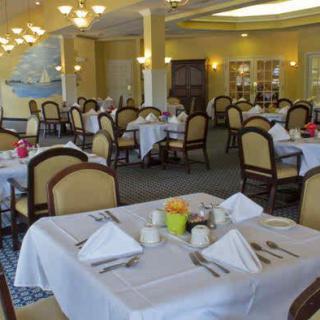
 Dining room
 Fitness room
 Fully furnished
 Gaming room
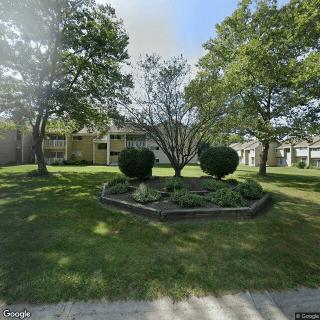
 Garden
 Housekeeping services
 Kitchenette
 Move-in coordination
 Outdoor space
 Private bathrooms
 Restaurant-style dining
 Small library
 Telephone
 Wellness center
 Wi-Fi/high-speed internet available
 Greater Rochester International (12 miles away)
 Community operated transportation
 12-16 hour nursing
 24-hour call system
 Activities of daily living assistance
 Assistance with bathing
 Assistance with dressing
 Assistance with transfers
 Diabetes diet
 Medication management
 Mental wellness program
 Special dietary restrictions
 Concierge services
 Planned day trips


 Exploring the World of Home Health Nurses: Qualifications, Roles, and Hiring Tips
 Navigating Medicare Coverage for In-Home Care Services
 In-Home Care Costs in 2025: A Detailed State-by-State Exploration