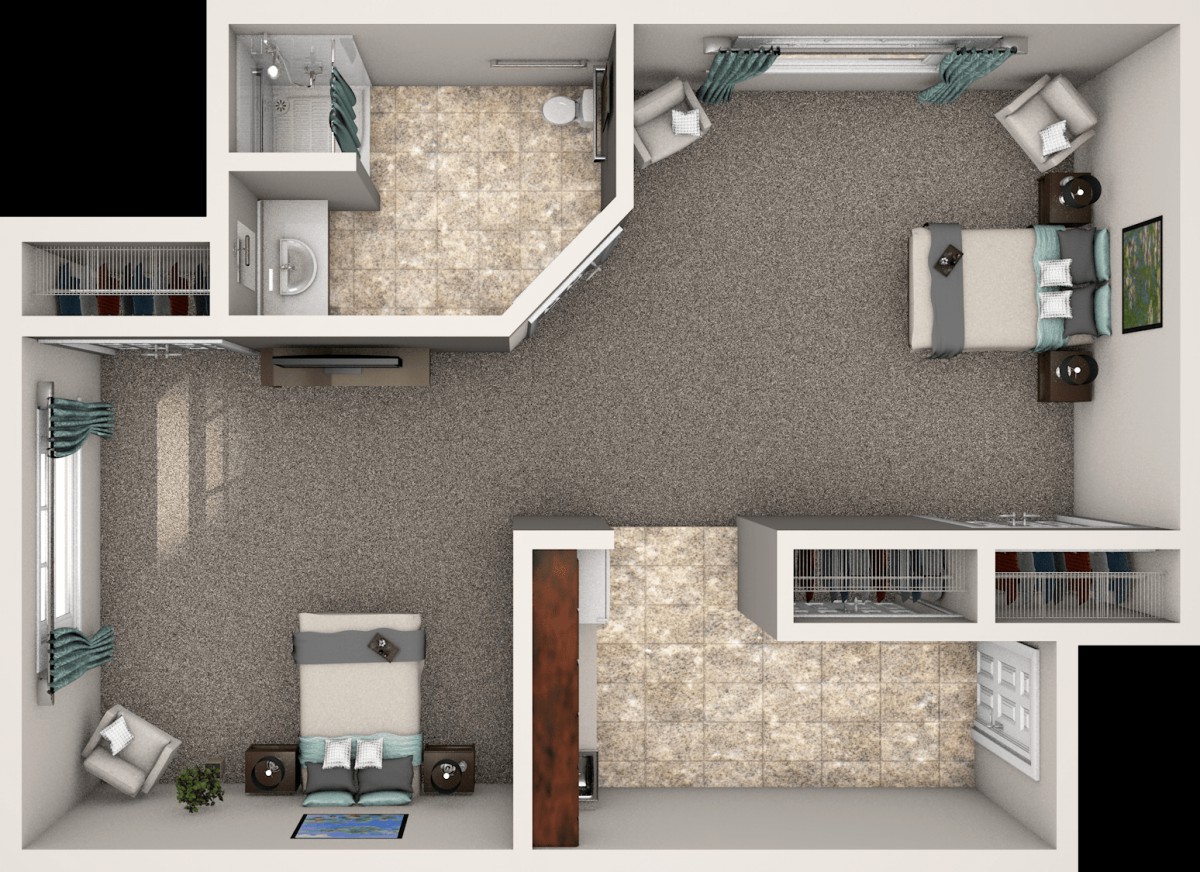
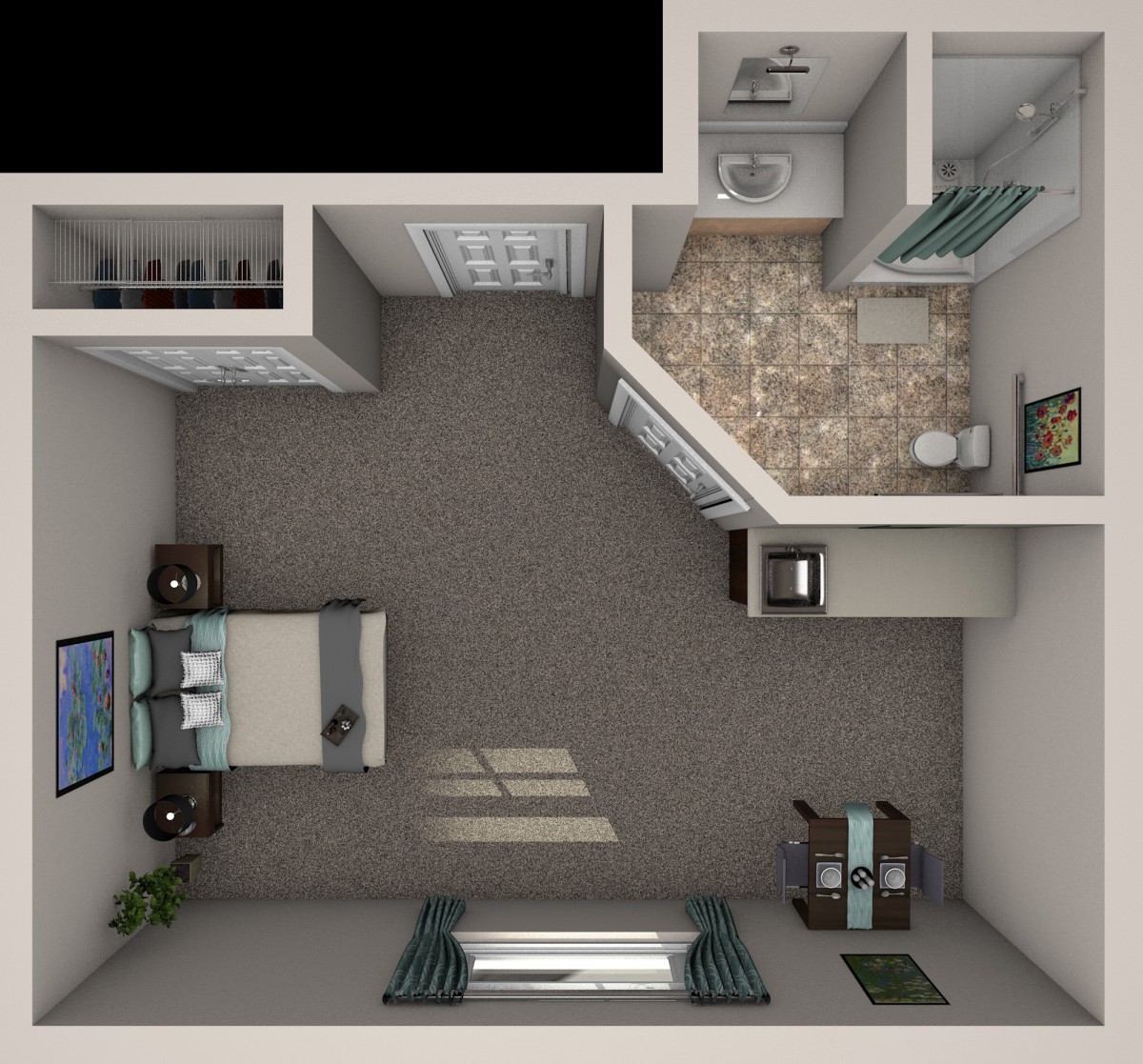
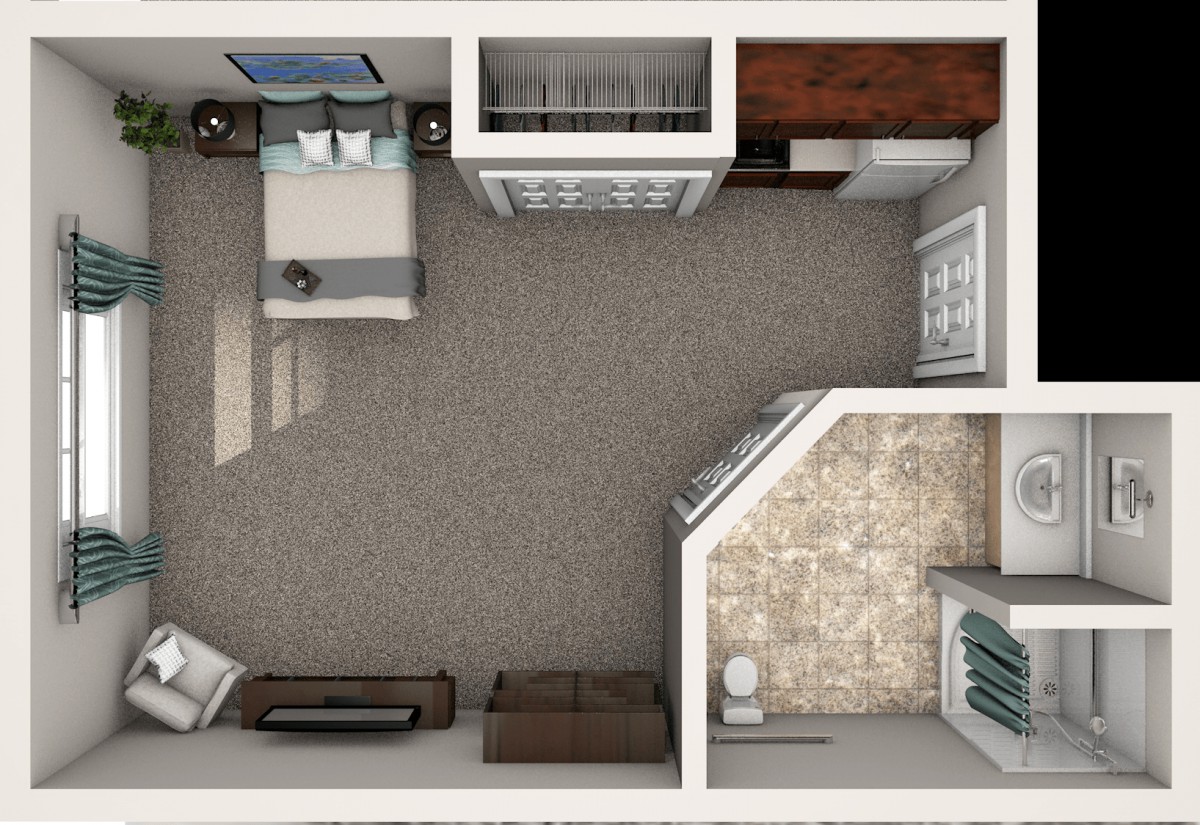
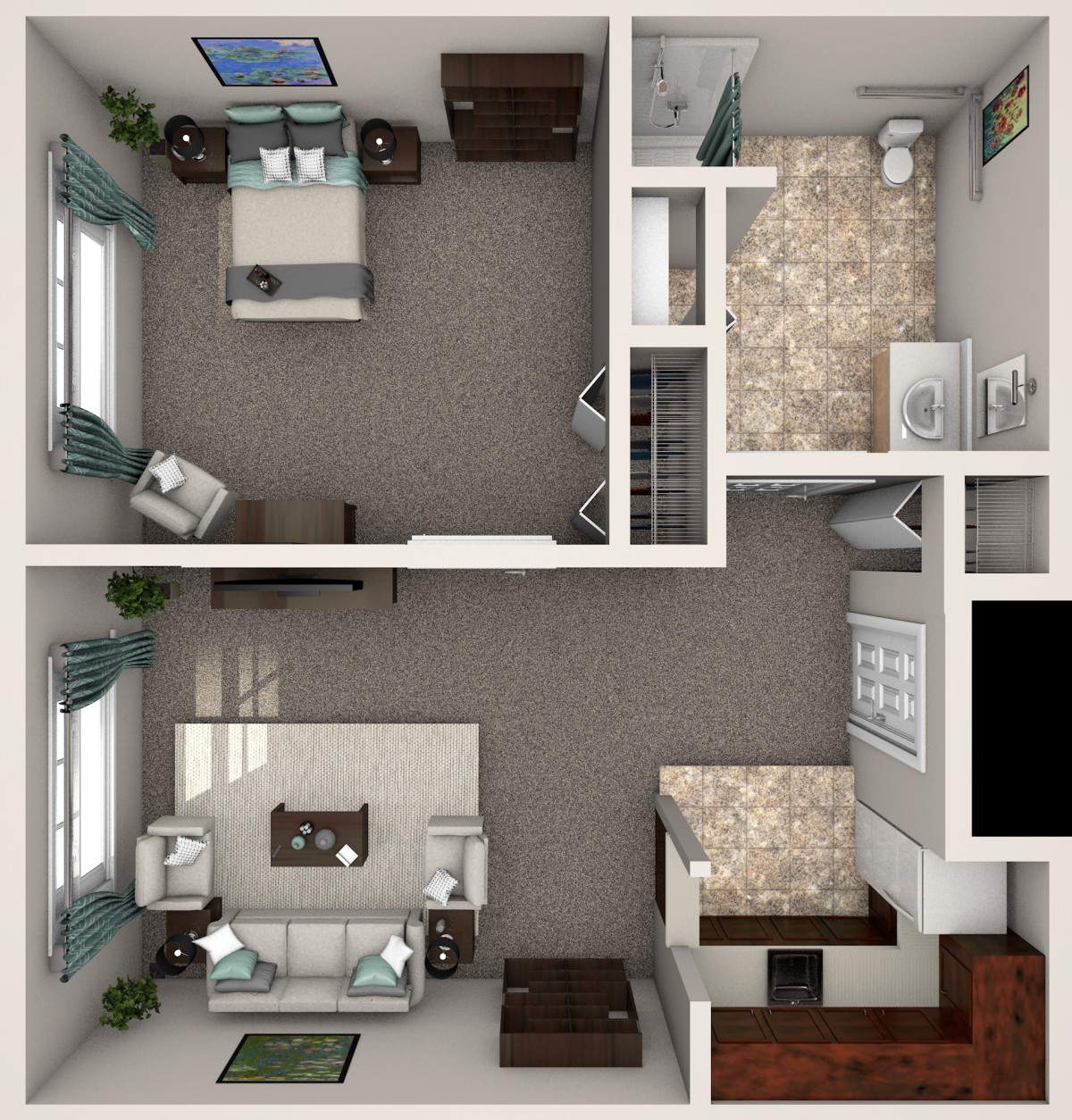
Sage Harbor At Baywinde in Webster, NY

Save

Sage Harbor At Baywinde in Webster, NY

Information last verified:

100 Kidd Castle Way, Webster, NY 14580

For more information about senior living options: (844) 490-3973

3.2 from 54 reviews
5 stars
23
4 stars
5
3 stars
3
2 stars
5
1 stars
18

Overall Review of Sage Harbor At Baywinde

Pros

  • pro Sage Harbor is a great place, and the reviewer would recommend the program to others.
  • pro The staff helped him adjust and he is comfortable there.
  • pro The room, food, and care are excellent.
  • pro Baywinde made a strong first impression and felt like a place where she would thrive.
  • pro She was welcomed with open arms and made to feel loved.
  • pro Ben went out of his way to help her feel comfortable, and communication has been good as she settles in.
  • pro There are many daily activities, and Baywinde shines for offering them.
  • pro The environment at Sage Harbor at Baywinde is healthy, happy, social and secure.

Cons

  • pro Sage Harbor at Baywinde has horrible communication issues.
  • pro The staff are very rude and management won’t address family concerns.
  • pro The memory care unit lacks adequate supervision and activities, leaving residents sitting in front of TVs or phones.
  • pro The facility is not premier, with high staff turnover, theft, poor food quality, minimal housekeeping, and unresponsive management.
  • pro The staff lie to get people to enroll and make empty promises.
  • pro The memory care unit is unsafe, with neglectful care and situations that could endanger residents (e.g., unsupervised meals leading to choking).
  • pro Recreation and activities are almost non-existent despite promises.
  • pro There are serious safety issues, including wandering residents and a male resident entering female residents’ rooms at night with no prevention.
  • pro Medication errors have occurred, including medications given to the wrong resident.
  • pro Rent is raised by about 5% annually, making it unaffordable over time.
  • pro Several reviewers advise not placing a loved one here and warn against the facility.
  • pro Dementia care can worsen there due to insufficient attentive staffing.

Review

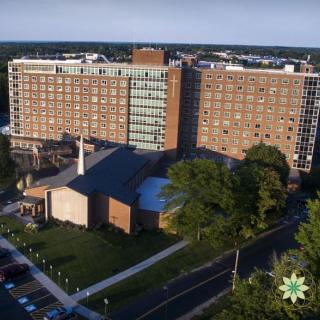
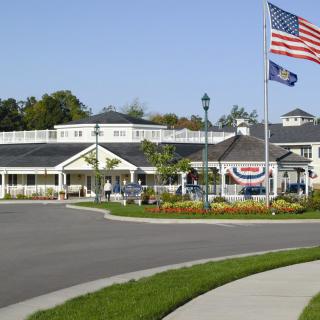
This community is best suited for seniors who value a vibrant, on-campus ecosystem with multiple levels of care, and whose families are able to stay actively involved in planning and oversight. Sage Harbor at Baywinde sits on a campus that combines independent living, assisted living, and memory care, so residents can transition without leaving the familiar surroundings. The environment tends to feel homey and welcoming, with a calendar crowded with activities, transportation for outings, and on-site amenities that support independence while providing access to care when needed. For families who can commit to regular communication, advocacy, and collaborative problem‑solving, this campus offers a practical path to aging in place as needs evolve.

That said, several clear caveats shift the calculus for choosing Sage Harbor. Alternatives should be on the radar for anyone whose priority is consistently seamless medical oversight, especially for memory care. The reviews reveal a mixed tone on staffing and responsiveness, with some families praising warmth and attentiveness, and others citing persistent communication lapses, turnover, or a lack of proactive supervision. In memory care specifically, considerable concerns recur about overnight monitoring and the degree to which staff anticipate needs versus waiting for family input. Price stability is another red flag for some families, given frequent 5% annual increases that erode affordability over time. Those who require steady, high-acuity medical support may want to benchmark against facilities with stronger overnight staffing models and fewer reported gaps in care.

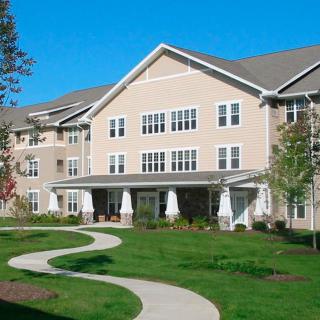
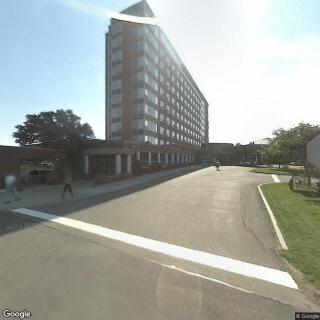
The strongest positives at Sage Harbor are the tangible benefits of a busy, engaged community: clean, comfortable living spaces; professional meals that receive consistent praise from some residents and families; and a wide array of activities that foster social connection. The campus layout, with accessible common areas and a two-floor structure served by an elevator, supports independent residents who may later need more assistive services. Families often highlight the warmth of individual staff members and the sense that staff are genuinely kind and caring when available. Taken together, these elements create a framework in which many residents do not merely endure the transition to assisted living but actually thrive socially and remain connected to meaningful routines. When paired with transparent communication and timely coordination, this context can offset some concerns about care management.

However, the cons are not trivial and they color the day-to-day experience for many families. A recurring critique centers on communication: several reviews describe unreturned calls, delayed updates on care plans, and a perceived gap between front-line staff and administrative leadership. In memory care, the gaps are more acute for some families, who report insufficient night supervision, wandering risks, and a perception that staff often “waits for families to intervene” rather than sustaining proactive oversight. Staffing consistency also surfaces as a core issue; frequent turnover or uneven attention can leave families feeling they must micromanage daily routines, med pass scheduling, and activity engagement. Some families recount hazardous lapses, missed medication administration, inconsistent responses to alarms, or dirty conditions, that understandably undermine trust. Across the campus, pricing conversations complicate the picture, with multiple voices noting annual rent increases that compound the financial burden without a parallel guarantee of enhanced service.

Given this mix, families should enter the process with a clear checklist and a plan for accountability. Before committing, demand specific staffing data: night and weekend coverage in memory care, staff-to-resident ratios at peak hours, and the presence of dedicated memory care coordinators. Probe the activity calendar for real, meaningful engagement beyond “on-paper” programs, and request examples of how activities are adapted to individual interests and cognitive levels. Ask for transparent communications protocols: how often care plans are reviewed, who communicates medical changes, and how emergencies are escalated. Finally, scrutinize the financial terms: current rates, renewal terms, what the 5% increases cover, and whether long-term contracts offer any protections or caps. A candid, in-person tour at different times of day, when staff are visible and interacting with residents, will reveal much about day-to-day dynamics that numbers alone cannot.

In sum, Sage Harbor at Baywinde presents a practical option for families seeking a comprehensive campus with ready access to multiple levels of care and a robust itinerary of social and cultural programming. Its strongest appeal lies in the sense of community, the quality of some staff interactions, and the broad array of amenities that support independent living while preserving the option to step up to more care on campus. The decisive caution is that the experience is uneven, with important caveats about communication, night supervision in memory care, and financial predictability. For families ready to advocate, visit often, and ask pointed questions about staffing and care oversight, Sage Harbor can deliver a stable, engaging home with the potential for smoother transitions if needs escalate.

For those whose loved ones require steady, attentive medical attention and reliable overnight monitoring, or who cannot tolerate inconsistent communication, this is an area where careful comparison is advised. Alternatives with proven, higher-density night staffing or stronger governance structures may offer greater peace of mind. Budget-conscious families should run the numbers with a calculator that factors in recurring increases and the true cost of comprehensive on-site care, not just the base monthly rate. In a landscape where experiences vary widely, the right fit hinges on disciplined due diligence, a clearly articulated expectations set with the administration, and a readiness to intervene when care falls short. Sage Harbor at Baywinde can be exactly right for the right family, but that fit must be earned through rigorous, proactive engagement and a clear view of what ongoing oversight will require.

Features

Housing

  • 88 resident community capacity 88 resident community capacity

Types of Care

  • Assisted Living Assisted LivingAssisted living facilities provide crucial support and care for seniors who may need help with daily tasks such as medication management, bathing, and meal preparation. These communities offer a safe and comfortable environment where seniors can maintain their independence while receiving the assistance they need to thrive in their golden years.
  • Independent Living Independent LivingIndependent living communities are important for seniors because they offer a safe and supportive environment where older adults can live independently while still having access to amenities and services that enhance their quality of life. These communities provide social opportunities, recreational activities, and assistance with daily tasks, promoting overall well-being and allowing seniors to maintain their independence for as long as possible.
  • Memory Care Memory CareMemory care is crucial for seniors as it provides specialized support and services for individuals with dementia or Alzheimer's disease. These programs offer a safe and secure environment where residents receive personalized care, cognitive stimulation, and help with daily activities. Memory care helps seniors maintain their independence, quality of life, and dignity while also providing peace of mind for their families.

Amenities

  • Activities on-site Activities on-siteActivities on-site are important for seniors because they provide opportunities for socialization, mental stimulation, physical activity, and overall well-being. Engaging in activities can help seniors stay active, maintain their independence, and improve their quality of life.
  • Air-conditioning Air-conditioningAir conditioning is important for seniors as they are more vulnerable to heat-related illnesses and may have underlying health conditions that make it difficult for them to regulate their body temperature. It helps to keep them comfortable, safe, and healthy in hot weather.
  • Beauty salon Beauty salonBeauty salons are important for seniors because they provide a space for them to feel pampered, socialize, and maintain their personal grooming and hygiene. Regular visits to a beauty salon can help boost seniors' self-esteem and overall well-being.
  • Cable or satellite TV Cable or satellite TVCable or satellite TV is important for seniors because it provides entertainment, news, and companionship, helping to combat loneliness and boredom. It also offers a wide range of programming options tailored to different interests and preferences.
  • Computer center Computer centerA computer center is essential for seniors as it provides access to technology, communication tools, and resources that can enhance their daily lives. It allows them to stay connected with loved ones, engage in online activities, and learn new skills, ultimately promoting socialization and mental stimulation.
  • Devotional services off-site Devotional services off-siteDevotional services off-site are important for seniors as they provide spiritual nourishment, social engagement, and a sense of community outside of the senior living facility. This can enhance overall well-being and help combat feelings of isolation and loneliness often experienced by older adults.
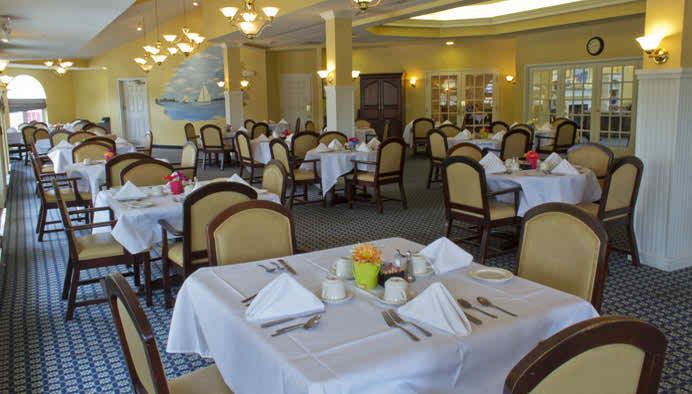
  • Dining room Dining roomDining rooms are important for seniors as they provide a space for socialization, connection, and nutritious meals. They offer opportunities for residents to bond over shared meals, foster a sense of community, and promote healthy eating habits. Dining rooms also ensure that seniors have access to well-balanced meals tailored to their dietary needs and preferences.
  • Fitness room Fitness roomHaving a fitness room in a senior living community is essential for seniors to stay active, maintain their physical health, and improve their overall well-being. Regular exercise can help prevent falls, reduce the risk of chronic diseases, and promote mental sharpness. It also provides social opportunities for residents to connect with others and enjoy a sense of community.
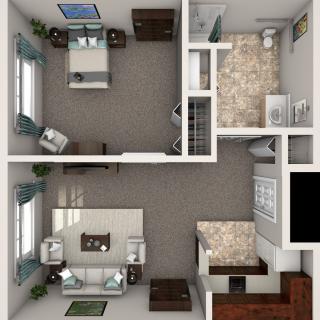
  • Fully furnished Fully furnishedFully furnished senior living communities are important for seniors because they provide convenience, comfort, and a hassle-free moving experience. Seniors can easily settle into their new living space without the stress of having to buy and move furniture. This allows them to focus on enjoying their new home and community.
  • Gaming room Gaming roomGaming rooms are important for seniors as they provide a fun and engaging environment for socializing, cognitive stimulation, and physical activity. Games can improve memory, problem-solving skills, and overall mental well-being while fostering friendships and reducing feelings of isolation.
  • Garden GardenGardens are important for seniors as they provide a peaceful and therapeutic environment for relaxation, physical activity, and socialization. Being in nature has been shown to reduce stress, improve mood, and promote overall well-being. Gardens also offer opportunities for seniors to engage in gardening activities, which can improve mobility, flexibility, and cognitive function. Additionally, gardens create a sense of community and connection with others who share a passion for plants and outdoor spaces.
  • Housekeeping services Housekeeping servicesHousekeeping services are important for seniors because they help maintain a clean and safe living environment, promote independence, and reduce the risk of accidents or illnesses. Additionally, having assistance with household chores can alleviate physical strain and allow seniors to focus on other aspects of their well-being.
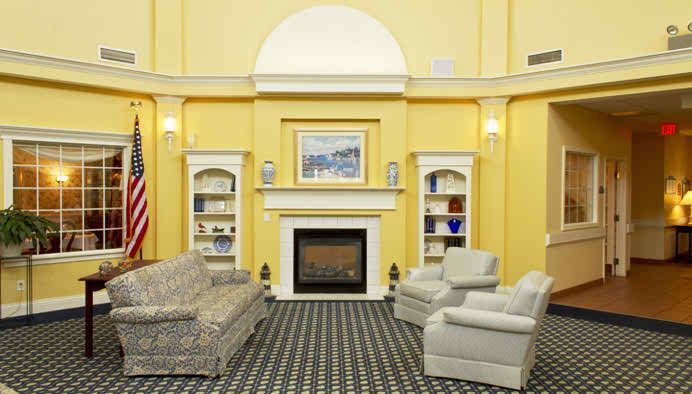
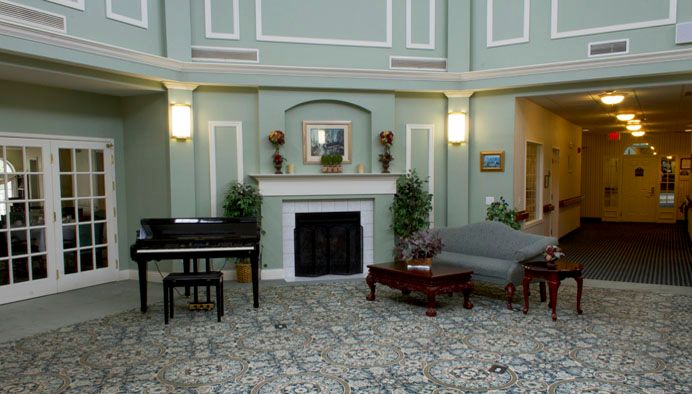
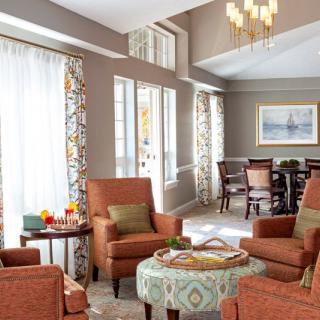
  • Indoor common areas Indoor common areasIndoor common areas are crucial for seniors as they provide a space for socialization, recreation, and community engagement, promoting overall well-being and reducing feelings of isolation and loneliness.
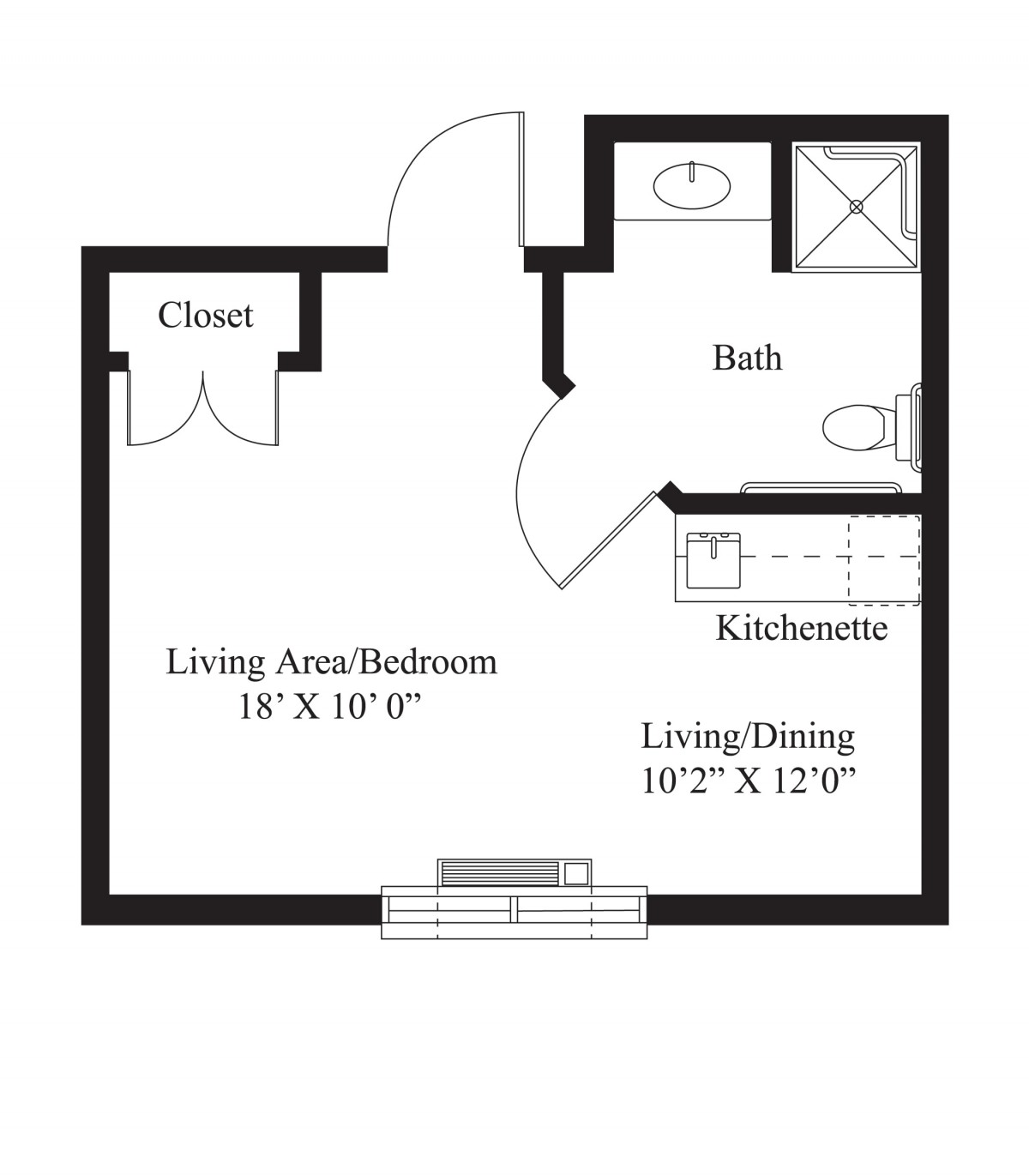
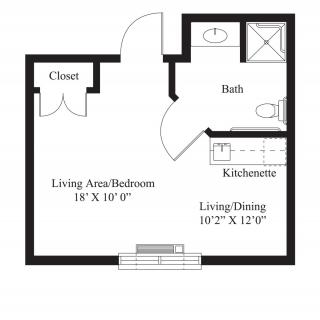
  • Kitchenette KitchenetteKitchenettes are important for seniors living in senior living communities because they provide the convenience and independence of being able to prepare simple meals and snacks in the comfort of their own living space. This can help promote a sense of autonomy and well-being for seniors, allowing them to maintain some level of control over their dietary choices and daily routines.
  • Move-in coordination Move-in coordinationMove-in coordination is important for seniors because it helps ease the transition into their new living environment. It ensures that all logistics, such as packing, organizing movers, and setting up utilities are taken care of, allowing seniors to focus on settling in and adjusting to their new home. Having a smooth move-in process can alleviate stress and anxiety, making the transition smoother and more enjoyable for seniors.
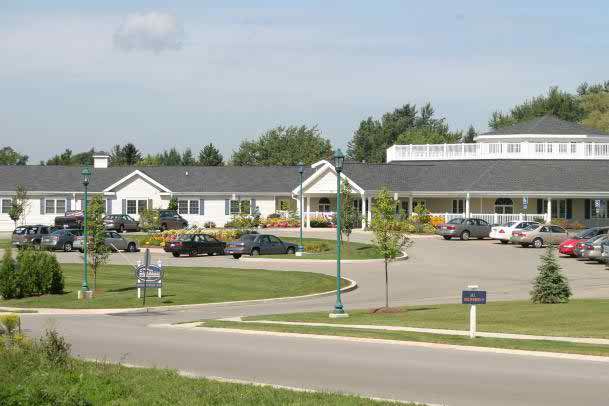
  • Outdoor space Outdoor spaceOutdoor spaces are important for seniors as they provide opportunities for physical activity, social interaction, exposure to natural light and fresh air, and a sense of connection to nature. Having access to outdoor spaces can improve overall well-being and quality of life for older adults living in senior communities.
  • Private bathrooms Private bathroomsPrivate bathrooms are important for seniors in senior living communities because they provide independence, dignity, and comfort. Having a private bathroom allows seniors to maintain their personal hygiene routines without the need for assistance, promoting a sense of autonomy and privacy. Additionally, private bathrooms help prevent the spread of infections and provide a safe and clean environment for seniors to navigate safely.
  • Restaurant-style dining Restaurant-style diningRestaurant-style dining is important for seniors because it allows them to enjoy delicious, nutritious meals in a social and upscale setting. This enhances their dining experience, promotes healthy eating habits, and fosters socialization with fellow residents, ultimately contributing to their overall well-being and quality of life.
  • Small library Small librarySmall libraries are important for seniors as they provide access to a variety of reading materials, including books, newspapers, and magazines. This can help stimulate their minds, keep them engaged, and provide a sense of community through book clubs and other social activities. Additionally, reading has been shown to improve cognitive function and overall mental well-being in older adults.
  • Telephone TelephoneTelephones are important for seniors as they provide a lifeline for communication with loved ones, emergency services, and healthcare providers. They offer a sense of security and independence, enabling seniors to stay connected and access assistance when needed.
  • Wellness center Wellness centerWellness centers are important for seniors because they offer a variety of programs and services that promote physical, mental, and emotional well-being. These centers provide opportunities for exercise, socialization, education, and relaxation, helping seniors maintain their overall health and quality of life.
  • Wi-Fi/high-speed internet available Wi-Fi/high-speed internet availableWi-Fi/high-speed internet is important for seniors to stay connected with loved ones, access online resources, and participate in virtual activities to combat feelings of loneliness and isolation. It also allows them to easily manage healthcare needs, access entertainment, and engage in lifelong learning opportunities.

Transportation

  • Greater Rochester International (10 miles away) Greater Rochester International (10 miles away)
  • Community operated transportation Community operated transportationCommunity operated transportation is crucial for seniors as it provides them with the means to access essential services, social activities, and medical appointments. It allows seniors to maintain their independence and quality of life by ensuring they can participate in activities outside of their homes. Additionally, community-operated transportation services offer a safe and reliable way for seniors to travel without having to rely on family or friends for assistance.
  • Transportation arrangement Transportation arrangementTransportation arrangements are crucial for seniors as they may face challenges with driving, mobility, or access to public transportation. Having reliable transportation services ensures that seniors can easily attend appointments, social activities, and maintain their independence and quality of life.
  • Transportation arrangement (non-medical) Transportation arrangement (non-medical)Transportation arrangements are essential for seniors as they provide access to essential services, activities, and social interactions outside the home. This service helps maintain independence, mobility, and overall well-being for seniors who may have limited transportation options.
  • Transportation to doctors appointments Transportation to doctors appointmentsTransportation to doctors appointments is crucial for seniors as it ensures they have access to necessary medical care and support, promoting their health and well-being. It allows them to receive timely treatment, monitor existing conditions, and address any new health concerns efficiently. Additionally, transportation services can help seniors maintain their independence and quality of life by enabling them to stay connected with their healthcare providers.

Care Services

  • 12-16 hour nursing 12-16 hour nursing12-16 hour nursing care is crucial for seniors in order to ensure around-the-clock monitoring, timely medication administration, and prompt response to any health concerns or emergencies. This level of care helps to promote the overall well-being and safety of seniors living in senior living communities.
  • 24-hour call system 24-hour call system24-hour call systems are important for seniors because they provide peace of mind and immediate assistance in case of emergencies. This technology ensures that help is always available, promoting safety and security for elderly individuals living alone or in assisted living facilities.
  • 24-hour supervision 24-hour supervision24-hour supervision is important for seniors to ensure their safety, well-being, and access to immediate assistance in case of emergencies or health issues. This constant support provides peace of mind for both seniors and their loved ones, allowing them to age in place with dignity and security.
  • Activities of daily living assistance Activities of daily living assistanceActivities of daily living assistance are important for seniors because they provide essential support with tasks such as eating, bathing, dressing, and mobility. This assistance helps seniors maintain their independence, dignity, and overall quality of life as they age.
  • Ambulatory care Ambulatory care"Ambulatory care services provide essential medical support and treatment to seniors without requiring hospitalization, allowing them to maintain their independence and quality of life while managing chronic conditions or receiving routine medical care."
  • Assistance with bathing Assistance with bathingAssistance with bathing is crucial for seniors as it helps maintain personal hygiene, prevents infections, and ensures their overall well-being and comfort. It also provides a sense of dignity and independence for seniors who may struggle with this task on their own.
  • Assistance with dressing Assistance with dressingAssistance with dressing is important for seniors because it helps maintain their independence, promotes personal hygiene, prevents accidents and injuries, and improves overall quality of life. This service ensures that seniors can continue to dress comfortably and confidently, despite any physical limitations they may have.
  • Assistance with transfers Assistance with transfersAssistance with transfers is crucial for seniors as it helps prevent falls and injuries, maintains their independence, and ensures they can safely navigate their living environment. It also provides peace of mind for both seniors and their loved ones.
  • Coordination with health care providers Coordination with health care providersCoordination with health care providers is crucial for seniors to ensure proper medical care, medication management, and overall well-being. This collaboration helps prevent overlapping treatments, track progress more effectively, and provide comprehensive support tailored to individual needs.
  • Dementia waiver Dementia waiverDementia waivers are essential for seniors as they provide critical protections and accommodations for those experiencing cognitive decline. These waivers ensure individuals with dementia receive appropriate care, support, and resources to maintain their quality of life and dignity as they navigate the challenges of this progressive condition.
  • Diabetes diet Diabetes dietA diabetes diet is crucial for seniors as it helps manage blood sugar levels, reduce risks of complications, and improve overall health and well-being. By following a balanced and nutritious diet tailored to their specific needs, seniors can better control their diabetes and enhance their quality of life.
  • Diabetic care Diabetic careDiabetic care is crucial for seniors as they are more susceptible to developing diabetes due to aging and other health conditions. Proper management of diabetes can help prevent complications such as heart disease, vision loss, and nerve damage, improving the overall quality of life for seniors in senior living communities.
  • Hospice waiver Hospice waiverHospice waivers are important for seniors because they allow individuals to receive specialized end-of-life care and support at home or in a hospice facility. This waiver ensures that seniors can access the necessary resources and services to maintain comfort and dignity during their final days.
  • Meal preparation and service Meal preparation and serviceMeal preparation and service are crucial for seniors as they may have limited mobility or energy to cook nutritious meals. Having access to healthy and convenient food options can ensure they are getting the proper nutrition needed to maintain their overall health and well-being.
  • Medication management Medication managementMedication management is crucial for seniors to ensure they are taking the right medications at the correct dosages and times. This helps prevent adverse drug interactions, reduces the risk of medication errors, and promotes overall health and well-being. Proactive management also allows for adjustments as needed based on changing health conditions or new prescriptions.
  • Mental wellness program Mental wellness programMental wellness programs are essential for seniors as they promote cognitive stimulation, emotional support, and social engagement. These programs help prevent isolation, depression, and cognitive decline, ultimately enhancing the overall quality of life for older adults.
  • Mild cognitive impairment Mild cognitive impairment"Mild cognitive impairment" is important for seniors because it is an early stage of cognitive decline that can potentially progress to more severe conditions such as dementia. Recognizing and addressing mild cognitive impairment can help seniors receive appropriate care and support to maintain their quality of life and independence for as long as possible.
  • Special dietary restrictions Special dietary restrictionsSpecial dietary restrictions are important for seniors because age-related changes in metabolism and health conditions can make it difficult for their bodies to process certain foods. By following a diet tailored to their specific needs, seniors can maintain their overall health and well-being, manage chronic conditions, and reduce the risk of complications such as malnutrition or food interactions with medications.
  • Specialized memory care programming Specialized memory care programmingSpecialized memory care programming is crucial for seniors with cognitive impairments such as dementia or Alzheimer's disease. These programs provide a safe and supportive environment tailored to the unique needs of individuals with memory loss, helping them maintain their independence, dignity, and quality of life.
  • Transportation arrangement (medical) Transportation arrangement (medical)Transportation arrangements for medical purposes are essential for seniors as they may have difficulty driving themselves to appointments or accessing public transportation. Having reliable and safe transportation options ensures that seniors can receive timely medical care and maintain their health and well-being.
  • Transportation to doctors appointments Transportation to doctors appointmentsTransportation to doctors appointments is crucial for seniors as it ensures they have access to necessary medical care and support, promoting their health and well-being. It allows them to receive timely treatment, monitor existing conditions, and address any new health concerns efficiently. Additionally, transportation services can help seniors maintain their independence and quality of life by enabling them to stay connected with their healthcare providers.

Dining

  • Diabetes diet Diabetes dietA diabetes diet is crucial for seniors as it helps manage blood sugar levels, reduce risks of complications, and improve overall health and well-being. By following a balanced and nutritious diet tailored to their specific needs, seniors can better control their diabetes and enhance their quality of life.
  • Meals provided Meals provided"Meals provided" are crucial for seniors in assisted living communities as it ensures they have access to nutritious, balanced meals without the stress of meal planning and preparation. This can help promote overall health and well-being for seniors who may have limited mobility or cognitive abilities.
  • Special dietary restrictions Special dietary restrictionsSpecial dietary restrictions are important for seniors because age-related changes in metabolism and health conditions can make it difficult for their bodies to process certain foods. By following a diet tailored to their specific needs, seniors can maintain their overall health and well-being, manage chronic conditions, and reduce the risk of complications such as malnutrition or food interactions with medications.

Activities

  • Activities on-site Activities on-siteActivities on-site are important for seniors because they provide opportunities for socialization, mental stimulation, physical activity, and overall well-being. Engaging in activities can help seniors stay active, maintain their independence, and improve their quality of life.
  • Community-sponsored activities Community-sponsored activitiesCommunity-sponsored activities are important for seniors as they provide opportunities for social interaction, mental stimulation, and physical activity. These activities can help improve overall well-being, combat loneliness and isolation, and promote a sense of belonging and purpose among older adults.
  • Concierge services Concierge servicesConcierge services are essential for seniors as they provide assistance with daily tasks and errands, enhance their quality of life by offering convenience and personalized care, and promote a sense of safety and security.
  • Devotional activities offsite Devotional activities offsiteDevotional activities offsite are important for seniors because they provide social engagement, spiritual growth, and a sense of community outside of their living environment. This can improve overall well-being, mental health, and combat feelings of isolation or loneliness.
  • Fitness programs Fitness programsFitness programs are crucial for seniors as they help improve strength, flexibility, balance, and overall well-being. Staying active can reduce the risk of chronic diseases, improve mental health, and enhance quality of life in older adults.
  • Planned day trips Planned day tripsPlanned day trips are important for seniors because they offer opportunities for socialization, mental stimulation, and physical activity. They provide a change of scenery and help seniors stay engaged and connected to their community, promoting overall well-being and quality of life.
  • Resident-run activities Resident-run activitiesResident-run activities are important for seniors as they encourage social interaction, creativity, and a sense of autonomy. These activities empower seniors to stay engaged and active in their community while fostering meaningful connections with their peers.
  • Scheduled daily activities Scheduled daily activitiesScheduled daily activities are important for seniors because they provide structure, socialization, mental stimulation, and physical activity. Engaging in regular activities can improve overall well-being and quality of life for seniors living in a community setting.

Description

Sage Harbor at Baywinde in Webster, NY is an assisted living community that offers a range of care services and amenities to ensure the comfort and well-being of its residents. With both independent living and memory care options available, individuals can find the level of assistance they need based on their specific requirements.

Within the community, residents have access to various amenities to enhance their quality of life. These include air-conditioning to ensure a comfortable living environment, a beauty salon for grooming needs, and cable or satellite TV for entertainment purposes. Community-operated transportation is provided for outings and appointments, while a computer center allows residents to stay connected with loved ones. Devotional services are also available off-site for those who wish to explore their spiritual needs.

The dining experience at Sage Harbor at Baywinde is exceptional as well, with restaurant-style meals served in a spacious dining room. Special dietary restrictions can be accommodated, ensuring that all residents receive nutritious meals tailored to their health needs.

Engaging activities are an integral part of life at Sage Harbor at Baywinde. The community sponsors various activities and programs designed to promote wellness and social interaction among residents. Fitness programs keep individuals active, while planned day trips provide opportunities for exploration. Resident-run activities allow seniors to pursue their hobbies and interests, while scheduled daily activities ensure there is always something engaging happening within the community.

The location of Sage Harbor at Baywinde offers convenience with several amenities nearby. There are numerous cafes, parks, pharmacies, physicians, restaurants, theaters, and hospitals within close proximity to meet the everyday needs of residents.

At Sage Harbor at Baywinde in Webster, NY, individuals can enjoy an assisted living community that prioritizes their well-being by providing personalized care services tailored to their specific needs along with various amenities designed to enhance their quality of life.

Videos

Nearby Places of Interest

The area of Webster, New York, offers a convenient location with easy access to essential amenities and services. Within a short distance, you will find multiple pharmacies, restaurants offering a variety of dining options, and physicians providing comprehensive healthcare services. Additionally, there are several cafes where you can relax and socialize with friends. For entertainment, there is a nearby movie theater and beautiful parks for outdoor activities. Should you require medical attention, Strong Memorial Hospital is within reach. Transportation options such as car rental and Amtrak are available for your convenience. Overall, this part of Webster provides a well-rounded community with everything needed for senior living in a bustling suburban setting.

Pharmacies

  • Wegmans (0.2 miles)
  • CVS Pharmacy (2.4 miles)
  • Wegmans (2.6 miles)
  • Walgreens (2.7 miles)
  • Walgreens (3 miles)
  • Walgreens (3.4 miles)
  • Rite Aid (3.4 miles)

Restaurants

  • McDonald's (0.4 miles)
  • Bruster's Ice Cream (3 miles)
  • Johnny's Irish Pub (3 miles)
  • Castaways (3.1 miles)
  • Shamrock Jack's Irish Pub (3.2 miles)
  • Winfield Grill (3.2 miles)
  • Marge's Lakeside Inn (3.2 miles)

Physicians

  • UR Medicine Primary Care - Webster Family (0.4 miles)
  • West Ridge OB/GYN (0.7 miles)
  • Hearusa (1.9 miles)
  • Webster Family Practice (2.7 miles)
  • Vega Chiropractic and Wellness (3.2 miles)
  • Flaherty Family Medicine (3.2 miles)
  • Culver Medical Group (3.6 miles)

Cafes

  • Starbucks (0.5 miles)
  • Starbucks (2.5 miles)
  • New City Cafe (3.5 miles)
  • Tree Town Cafe (4 miles)
  • Locals Only (5.1 miles)
  • Ugly Duck Coffee (5.1 miles)
  • Java's Cafe (5.3 miles)

Theaters

  • AMC Webster 12 (1 miles)

Parks

  • Tryon Park (2.5 miles)
  • Durand Eastman Beach (3.7 miles)
  • Webster Arboretum Association (4.2 miles)
  • Cobbs Hill Park (4.9 miles)
  • Bristol Play Area (4.9 miles)
  • Martin Luther King Jr Memorial Park at Manhattan Square (5.4 miles)
  • Seneca Park (5.4 miles)

Hospitals

  • Strong Memorial Hospital (4.7 miles)

Transportation

  • Enterprise Rent-A-Car (5 miles)
  • Amtrak (5.4 miles)

Places of Worship

  • Artisan Church (5.9 miles)

Frequently Asked Questions

Where is Sage Harbor At Baywinde?
Does Sage Harbor At Baywinde provide care for residents with dementia or Alzheimer's disease?
What photos are available for Sage Harbor At Baywinde in Webster, New York?

Nearby Communities

  • Castle Pointe At Baywinde

    Castle Pointe At Baywinde

    Webster, NY

    4.2 from 100 reviews
     

    pro Well-maintained, clean facility with friendly staff and good dining.

  • Baywinde Senior Living

    Baywinde Senior Living

    Webster, NY

    4.1 from 40 reviews
    $3,975 to $4,995 / month

    pro Friendly staff, clean facilities, and engaging activities with spacious apartments.

  • Hill Haven Nursing Home

    Hill Haven Nursing Home

    Webster, NY

    2.1 from 26 reviews
     

    pro Robust on-site amenities and 24/7 care (salon, dining, fitness, garden).

  • Legacy at Cranberry Landing

    Legacy at Cranberry Landing

    Rochester, NY

    3.8 from 125 reviews
    $2,295 to $2,795 / month

    pro Clean, home-like environment with spacious, pet-friendly apartments and engaging activities.

  • St. Ann's Senior Housing Cherry Ridge

    St. Ann's Senior Housing Cherry Ridge

    Webster, NY

    4.4 from 31 reviews
    $3,000 to $3,630 / month

    pro Clean, well-maintained, friendly staff with flexible care options and attractive living spaces.

  • St Anns Community at Cherry Ridge

    St Anns Community at Cherry Ridge

    Webster, NY

    4.2 from 40 reviews
     

    pro Caring weekday staff and well-maintained facilities with engaging activities.

  • Shire Senior Living

    Shire Senior Living

    Rochester, NY

    2.1 from 38 reviews
    $1,235 to $2,850 / month

    pro Renovated rooms and on-site amenities; friendly staff

  • St Ann's Home Connection

    St Ann's Home Connection

    Rochester, NY

    4.2 from 78 reviews
     

    pro Excellent medical and rehab care with private rooms and well-kept, attractive surroundings.

  • St. Ann's Community at Chapel Oaks

    St. Ann's Community at Chapel Oaks

    Rochester, NY

    4.8 from 76 reviews
    $2,580 to $3,870 / month

    pro Caring staff, engaging activities, and a beautiful, well-maintained setting.

Related Resources

  • memory care activitiesEngaging Memory Care Activities That Enhance Quality of Life

    Memory care activities are essential for improving the quality of life of seniors with cognitive impairments, as they stimulate cognitive function, promote well-being, and encourage social interaction through tailored strategies. These activities combine structured exercises with spontaneous tasks, sensory engagement, physical workouts, creative pursuits, and intergenerational interactions to enhance emotional connection and a sense of purpose.

  • when to move from assisted living to memory careWhen to Transition from Assisted Living to Memory Care: Key Indicators, Steps, and Finding the Right Community

    Transitioning from assisted living to memory care is driven by an individual's cognitive decline and specific needs, requiring careful evaluation of indicators like increased confusion and wandering. The process involves consulting medical professionals, researching suitable communities, considering financial and legal aspects, and ensuring effective communication for personalized care plans.

  • assisted living vs memory careUnderstanding the Distinctions: Assisted Living and Memory Care Explained

    The article differentiates between assisted living and memory care, explaining that assisted living supports seniors with daily activities while promoting independence, whereas memory care provides specialized services for individuals with dementia, focusing on secure environments and cognitive support. It also addresses staff training, safety considerations, costs, family involvement, and transition strategies for families navigating these care options.