
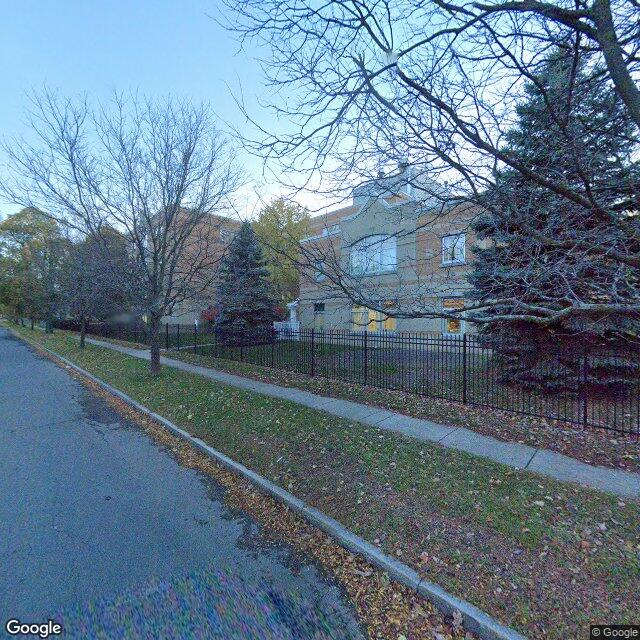
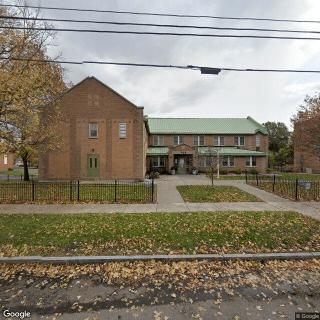
116 E Castle St, Syracuse, NY 13205
To contact a resident: (315) 475-1641
For more information about senior living options: (866) 208-4318
Overall Review of Vivian Teal Howard Residential
Pros
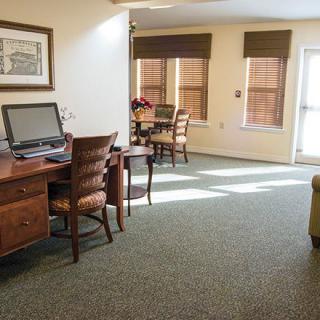
 The facility is nice and clean on the inside.
- The staff is friendly and takes the time to get to know all the residents personally.
- The rehab department is GREAT and the rehab gym is very big.
- The facility is highly recommended.
- Families trust the staff at Central Park and can sleep easy knowing their loved ones are well cared for.
- The rehabilitation team helped a family member get up and walking again.
- The staff provide care like family, making residents feel well cared for.
Cons
 They left him in a soiled diaper for over six hours on many occasions.
- They took his blankets when he had to leave his room, leaving it cold, and opened a window just to be mean.
- They couldn't change his soiled sheets because they didn't have enough sheets.
- The roommate died, and she believes that if she had been taken to the hospital maybe she wouldn't have died.
- They were giving him medications that he didn't know what they were, and he started hiding the pills after they left the room.
- It was when COVID broke out and the employees were not wearing masks.
- The room was filled with gnats, and action only occurred after a county call.
- When his daughter tried to get him out they prolonged it for weeks.
- When he did leave they argued with his daughter saying he had a pacemaker which he did not.
- The food is appalling.
- They are not geared toward wellness.
- They have the highest depression among residents of any nursing home in the area.
- They are geared to keep residents there.
- They seem to have one doctor for the nursing home; you can't keep your own doctors.
- They are awful.
Review
Vivian Teal Howard Residential is best suited for families pursuing a post-acute rehab pathway where a strong, hands-on rehab program and approachable staff are the primary draw. The interior is described as clean and newly updated, and the rehab department is repeatedly highlighted as a standout asset, with a large rehab gym that supports intensive therapy and mobility reconditioning. For families prioritizing a smooth transition back to independence after a hospital stay, this community presents a clear entry point where therapists, aides, and support staff appear to know residents by name and keep the focus on rehabilitation milestones.
That said, alternatives should be on the short list for anyone prioritizing flawless safety, consistent care, and transparent day-to-day operations. Several reviews raise serious concerns about basic care, safety practices, and responsiveness. Potential residents or families who cannot accept the possibility of neglect, delayed assistance, or limited autonomy in routine needs will want to explore other options. In short, if medical oversight, hospitable oversight, and predictable routines are non-negotiable, look beyond this community.
The most compelling positives, friendly staff, a well-equipped rehab program, and a clean, modern interior, do carry meaningful weight for recovery-focused stays. The rehab department’s performance and the size of the therapy space can translate into real functional gains, especially for those who enter with mobility challenges and a clear plan to regain independence. When these elements align with a family’s expectations, the center can deliver tangible benefits that shorten hospital-to-home transition times and support mobility and confidence.
However, the negative experiences portrayed in multiple accounts cannot be dismissed. Allegations of prolonged neglect, discomfort, and insufficient attention to basic needs create a perception of a care environment that may fall short on day-to-day reliability. For families seeking long-term in-residence care rather than a temporary rehab stay, these concerns multiply: they raise questions about diligence, consistency of staffing, and the overall culture of care. The impression that some residents appear underserved or depersonalized is not mere rumor; it is a pattern that should influence the decision-making process.
For caregivers evaluating options, several concrete steps can mitigate risk. During tours, press for direct conversations with rehab therapists, nursing staff, and administrators about response times, escalation procedures, and safety checks. Request current staffing ratios, nutritional quality assurances, and how medication administration is monitored and communicated to families. Inspect the cleanliness of rooms, the state of equipment, and the frequency of housekeeping. Finally, speak with current residents or their families about daily life, social engagement, and whether there is a clear path to discharge or transfer when goals are met.
Ultimately, Vivian Teal Howard Residential can be a strong fit for those prioritizing rehab progression in a clean, personable setting, provided the family is comfortable with a landscape that requires vigilant oversight and proactive advocacy. The rehab strengths are real and actionable, but they exist alongside a series of cautions that demand careful verification before committing. For decision-makers who want a facility where rehab momentum is clear and staff engagement is high, this community warrants serious consideration, with a diligent, iterative review process to confirm that the care environment aligns with the higher standards that trustworthy long-term care demands.
 Skilled Nursing Facility
 Syracuse-Hancock International (6 miles away)
 High acuity care





 Essential Knowledge on Pneumonia in Older Adults
 Exploring Palliative Care in the Home: A Comprehensive Overview
 Comprehensive Insights into Palliative Home Care: What It Is and What to Expect