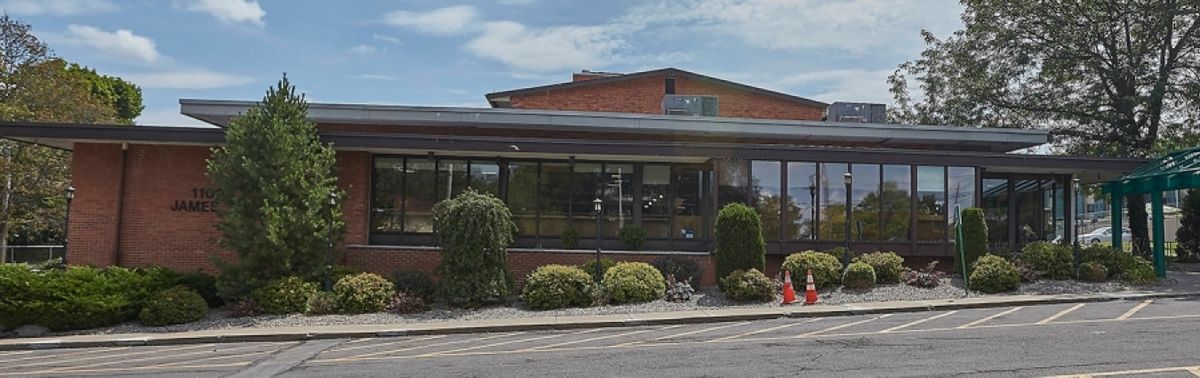
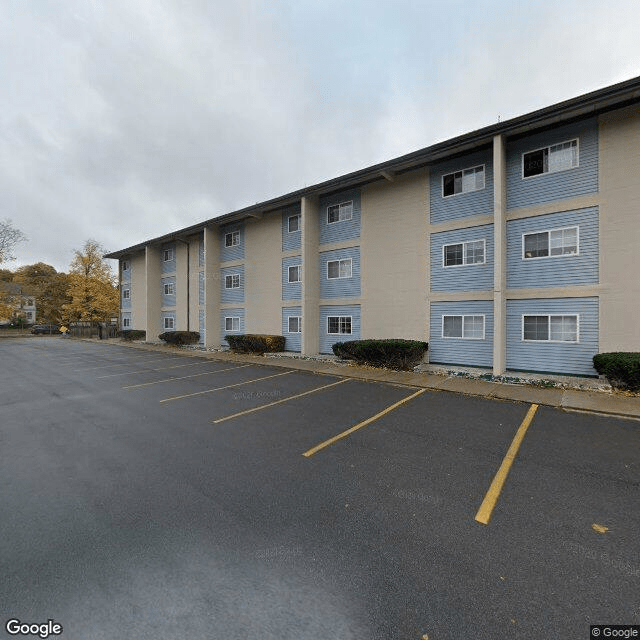
1100 James Street, Syracuse, NY 13203
For more information about senior living options: (866) 208-4318
Sedgwick Heights Costs & Pricing
Sedgwick Heights offers competitive pricing for its studio apartments at $2,850 per month, which stands in contrast to the higher costs typically found in Onondaga County and across New York State. In comparison, the average monthly cost for similar accommodations in Onondaga County is approximately $4,296, while state averages reach around $4,532. This makes Sedgwick Heights an attractive option for those seeking quality housing without the burden of higher expenses, allowing residents to enjoy a vibrant community and tailored amenities at a more accessible price point.
| Floor plans | Sedgwick Heights | Onondaga County | New York |
|---|---|---|---|
| Studio | $2,850 | $4,296 | $4,532 |
Overall Review of Sedgwick Heights
Pros
 Sedgwick Heights offers enhanced assisted living, seen as an advantage for residents needing extra support.
- The staff are patient and attentive, answering questions.
- The facility features a recreation program and a small on-site store, supporting resident engagement.
- The rooms are a nice size, and the overall environment is clean and well maintained.
- The residents are the heart of the building, with many staff members who are compassionate and hardworking caregivers.
- The Residents Council is active and contributes to ongoing programs and community life.
- The Loretto system allows families to stay together, which is highly valued.
- The setting feels like a home away from home, with a welcoming atmosphere.
Cons
 The rooms reportedly contained rodent feces and urine, including urine-soaked paper towels that were chewed up.
- Housekeeping was not performed for a full year, leaving rooms dusty and unsanitary.
- The meals were terrible, often cold, or not delivered at all.
- Residents were yelled at, which brought some to tears.
- Nurses sometimes forgot to provide showers, compromising basic hygiene.
- The halls smelled of urine, there were bed bugs, and bathrooms were filthy.
- Staff and supervisors were described as showing little to no care for residents, with safety concerns like doors left unlocked.
Review
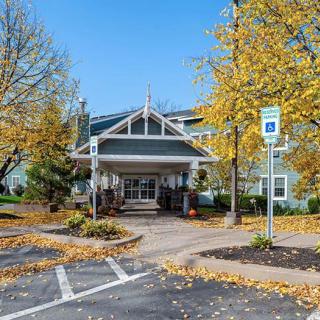
Sedgwick Heights is best suited for seniors who want to stay connected to a spouse or partner and value a close-knit, long-tenured caregiving team within an enhanced assisted living framework. The community’s merit lies in a built-in level of additional support, a friendly staff culture, and a setting that still feels like a home more than a clinical institution. Prospective residents who prioritize stability, ongoing social programming, and the comfort of familiar faces over pristine new construction will find this environment workable, especially if they can advocate effectively for daily needs.
The strongest positives center on the enhanced assisted living option, which signals an extra layer of support for those who may eventually need more help. The staff is described as patient, approachable, and responsive to questions, and the rooms tend to be decently sized for the era of the building. The facility maintains a reasonable standard of cleanliness and upkeep for its age, and the campus offers a recreation program along with a small on-site store. The culture of care is reinforced by longstanding employees and a Residents Council that keeps activity and engagement alive, providing residents with meaningful opportunities to influence their daily life.
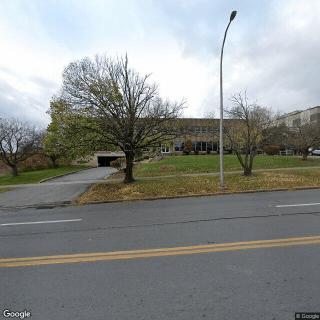
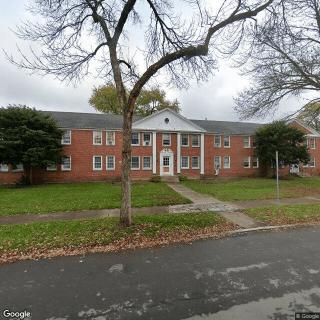
Yet the core concerns are substantial and cannot be minimized. Several reviews raise serious questions about basic cleanliness and safety, including instances of unsanitary conditions and reports of pests. Food quality is consistently criticized, with meals described as unappetizing or frequently failing to meet expectations. Staffing gaps emerge in multiple accounts, such as missed showers, delayed assistance, and limited nurse availability, which erode trust in consistent daily care. The building’s layout and the semi-private room arrangements add to perceived institutionalism and can magnify tensions between personal privacy and shared living space, especially for residents who require regular, reliable routine.
These cons do not vanish in a vacuum; they shape the overall value proposition. The enhanced living option and the warmth of long-serving staff provide meaningful offset for families prioritizing companionship, continuity, and a sense of community. However, when basic hygiene, timely personal care, and dependable meal service falter, the assurances of enhanced support lose traction. The presence of a sizable Medicaid population underscores affordability but is plausibly linked to staffing pressures and resource constraints that families should probe during tours, asking for concrete staffing ratios, regulatory inspection results, and care plans for specific residents.
Alternatives become worth considering for families that cannot accept recurring lapses in cleanliness, safety, and daily care. If private rooms, higher daily care consistency, and consistently appetizing meals are non-negotiables, other options with stronger staffing models and newer facilities may offer a clearer path to peace of mind. For couples or unit-maring residents, those seeking memory-care-adjacent settings with robust supervision and more hands-on daily routines may find better alignment elsewhere. The key is to compare not only price and room size but also demonstrated daily care, housekeeping frequency, and the degree of staff engagement across shifts.
In the end, Sedgwick Heights can be a meaningful choice for residents who prioritize social connection, caregiver continuity, and the opportunity to remain together with a partner, provided there is vigilant oversight and active family engagement. Those who can tolerate or overlook gaps in housekeeping, inconsistent meals, and sporadic nursing touchpoints will appreciate the community’s heart and the steady presence of long-time staff. Prospective buyers should conduct rigorous, time-spread visits, speak with front-line caregivers, and demand transparent answers on care schedules, housekeeping routines, and meal quality before aligning resources and expectations with this particular setting.
 154 resident community capacity
 Studio apartments
 Assisted Living
 Day Program
 Skilled Nursing Facility
 Air-conditioning
 Beautician on-site
 Cable or satellite TV
 Computer center
 Devotional services off-site
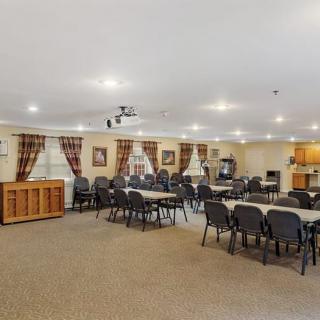
 Dining room
 Fitness room
 Fully furnished
 Gaming room
 Garden
 Housekeeping services
 Indoor common areas
 Kitchenette
 Laundry
 Move-in coordination
 Outdoor space
 Private bathrooms
 Respite or short term stays offered
 Restaurant-style dining
 Small library
 Telephone
 Wellness center
 Wi-Fi/high-speed internet available
 Syracuse-Hancock International (4 miles away)
 Community operated transportation
 12-16 hour nursing
 24-hour call system
 Ambulatory care
 Assistance with bathing
 Assistance with dressing
 Assistance with transfers
 Diabetes diet
 Diabetic care
 Medication management
 Mental wellness program
 Special dietary restrictions
 Concierge services
 Planned day trips
 English

 Medicare Coverage for Assisted Living: An In-Depth Exploration
 Choosing the Right Senior Care: A Detailed Exploration of Assisted Living and Nursing Homes
 Understanding the True Cost of Assisted Living in 2025: A Comprehensive Guide