Overall Review of Bishop Rehab
common
34 reviews mention this
Staff friendliness and hands-on care
Residents and families frequently describe friendly, helpful staff and steady hands-on care.
A large share of reviewers say the staff is welcoming, polite, and responsive, and that they feel their loved one is treated with care. Several comments highlight staff helping with daily needs, guiding visitors, or providing updates during rehab and long-term stays. There are also a few complaints that staff can be inattentive or hard to reach, but the dominant pattern is positive about day-to-day support.
common
12 reviews mention this
Clean, bright facility feel
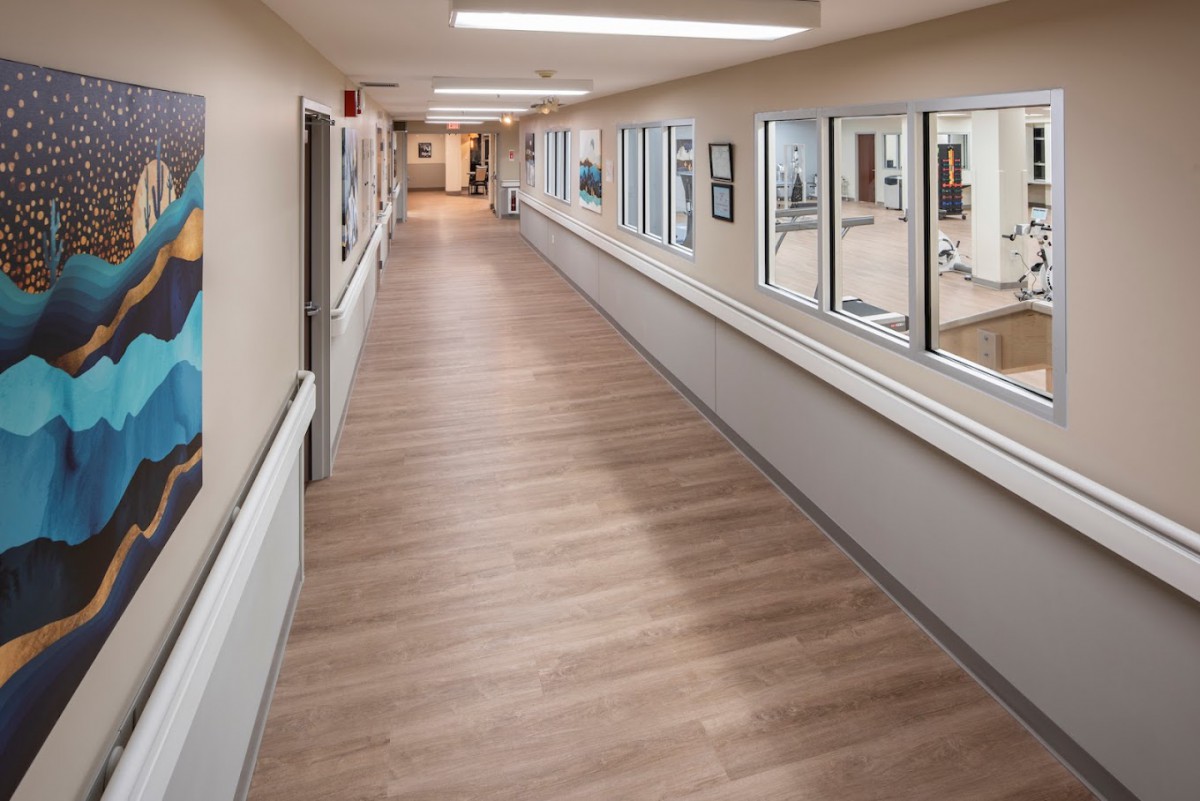
Many reviewers praise the facility as clean and bright, with rooms that feel well kept.
Multiple reviewers mention cleanliness directly, including describing rooms as spacious and bright and noting that the building does not have an unpleasant odor. Some reviewers also emphasize a safe, visitor-friendly environment alongside the clean condition. A smaller set of reviews contradict this, saying the facility is not kept well or that there are pests, which is a meaningful outlier compared with the cleanliness praise.
caveat
9 reviews mention this
Food quality is mixed
Food quality comes up often, with frequent complaints about freshness and temperature.
Several reviews comment on dining, ranging from positive remarks that food is good to repeated complaints that meals are stale or served cold. A few reviewers say the food needs to be better and describe specific issues with what was served. While some families report satisfaction, the negative food experiences appear frequently enough to be a consistent concern.
caveat
10 reviews mention this
Communication and call access vary
Communication is inconsistent, with recurring frustrations about phone access and getting updates.
Many negative comments focus on difficulty reaching the right person, unanswered calls, and delayed responses when families try to check on a loved one. Reviewers also mention call-related problems, such as call bells not working or transfers and updates not being communicated clearly. Even among generally positive reviews, a separate thread of complaints suggests families sometimes struggle to get timely information.
caveat
6 reviews mention this
Safety and missing belongings concerns
Some residents and families raise serious concerns about theft and safety controls.
A set of reviews describe missing items—such as clothes or valuables—and accuse staff or the facility of theft or poor handling of belongings. Others mention security-related processes, including visitor tracking and a system that helped with a wallet being returned. Taken together, residents report both protective measures and, in other cases, troubling security outcomes.
caveat
6 reviews mention this
Staffing levels can feel stretched
Some reviews describe understaffing that affects responsiveness and care delivery.
Several reviewers say the community can be short-staffed, with nurses and aides spread too thin. A few comments connect staffing to delayed help, limited outside time, or needing family presence for tasks to get done. Others acknowledge that staff work hard despite challenges, but the staffing concern still shows up often in less positive feedback.
common
4 reviews mention this
Therapy and rehab support
Therapy and rehab support are mentioned as a meaningful part of the experience.
Some families describe the rehab experience as helpful, including therapy support and making them feel cared for during a difficult transition. A separate review mentions a need for better care and a concern about not being taken to activities. Overall, rehab-related support appears in reviews both positively and as an area where improvements are sometimes expected.
How we summarize
Counts show how many written reviews mention each theme; a review can touch several themes, and only frequently mentioned themes are displayed.






 Skilled Nursing Facility
 Syracuse-Hancock International (4 miles away)
 Some staff provide compassionate care and solid rehabilitation support.






 Recognizing the Journey: Understanding and Navigating Anticipatory Grief
 Encouraging Participation in Adult Day Care: A Guide to Supporting a Hesitant Parent
 Comprehensive Exploration of Living Wills and Other Advance Directives