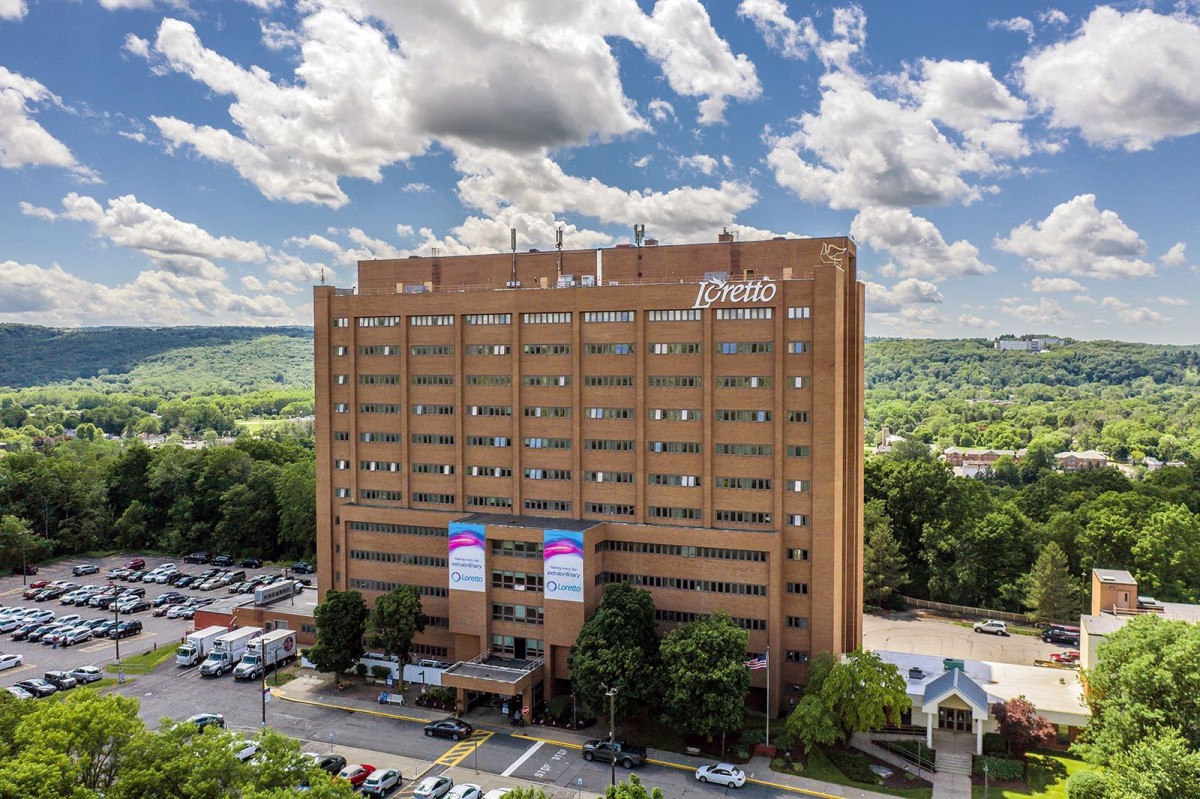
Overall Review of Loretto Health And Rehabilitation Center
caveat
25 reviews mention this
Care response and call bells criticized
Residents and families describe slow responses and call bell delays.
A recurring concern is that help can take a long time to arrive, including delayed responses after using call bells. Several reviewers describe needing assistance with toileting, medications, or basic care but finding little or inconsistent follow-through. Some also mention trouble getting in touch with nursing staff, especially when trying to get updates or speak to someone on duty. At the same time, a smaller set of reviews praises individual nurses and care teams for being responsive and making families feel informed.
caveat
18 reviews mention this
Cleanliness concerns come up often
Multiple reviews describe dirty rooms, soiled conditions, and poor cleaning.
Several residents and families report rooms that felt unclean, including dirty bathrooms and bedding. Other comments describe residents left in soiled briefs or on the bathroom for hours, along with complaints that someone does not help promptly with changing and cleanup. A few reviews contrast that with claims the facility is clean and rooms are kept up, including routine housekeeping and clean single rooms. Overall, the cleanliness feedback is mixed but the negative reports are detailed and repeated.
caveat
14 reviews mention this
Communication with families is inconsistent
Reviews frequently mention difficulty reaching staff or getting updates.
Many reviewers describe challenges getting phone calls returned or getting someone to answer when trying to contact the nurses station or admissions. Several also say they went without updates for days or had to escalate repeatedly to get a care meeting or basic information. Some reviews are more positive, citing better communication and staff reaching out to update family members. The overall pattern is that communication seems to depend on the floor and the specific staff members involved.
common
16 reviews mention this
Staff compassion can be a bright spot
Many reviewers highlight compassionate, attentive staff members.
Alongside the complaints, a meaningful number of reviews praise particular nurses, NPs, and therapy teams for being kind, caring, and willing to explain care. Several families describe feeling informed about health and treatment, and say staff helped them stay in touch and feel supported during difficult times. Reviews also mention good experiences with palliative care and hospice support, where staff respected family wishes. Still, these positive experiences appear to coexist with other reports of disrespect or neglect, so it’s best to review both sides.
caveat
10 reviews mention this
Food quality and service are debated
Dining is criticized as unappetizing, cold, or inconsistent in service.
Food is a frequent topic, with multiple reviews describing meals as cold, processed, or generally unappealing. A number of comments also mention wrong meals, limited choices, or not getting what was ordered, along with complaints that residents may go without edible options. Some reviewers counter that the food can be delicious and that residents like what they’re served. The community also indicates restaurant-style dining and provides diet support such as diabetes and special dietary restrictions, which may be important for matching needs.
common
4 reviews mention this
Skilled nursing and call support offered
As a skilled nursing facility, residents receive help with daily care needs.
Because this community is described as a skilled nursing facility, reviews and care details often center on assistance with activities of daily living and daily routines. Care services described include help with bathing, dressing, transfers, medication management, and meal preparation and service. Some residents and families complain that help is not sufficient or not delivered on time, while others say the nursing and care teams were capable and professional. It appears the day-to-day experience varies widely between reviews.
How we summarize
Counts show how many written reviews mention each theme; a review can touch several themes, and only frequently mentioned themes are displayed.








 583 resident community capacity
 Skilled Nursing Facility
 Air-conditioning
 Beauty salon
 Cable or satellite TV
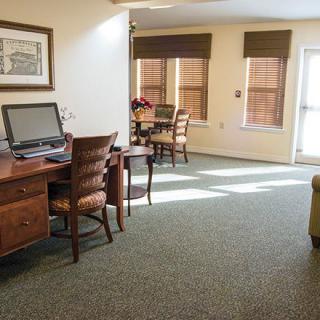
 Computer center
 Dining room
 Fitness room
 Fully furnished
 Gaming room
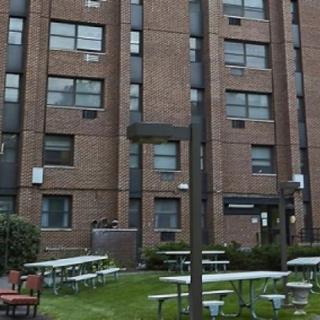
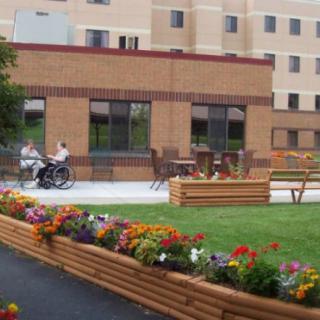
 Garden
 Housekeeping services
 Kitchenette
 Move-in coordination
 Outdoor space
 Private bathrooms
 Restaurant-style dining
 Small library
 Telephone
 Wellness center
 Wi-Fi/high-speed internet available
 Syracuse-Hancock International (7 miles away)
 Community operated transportation
 12-16 hour nursing
 24-hour call system
 Activities of daily living assistance
 Assistance with bathing
 Assistance with dressing
 Assistance with transfers
 Diabetes diet
 Medication management
 Mental wellness program
 Special dietary restrictions
 Concierge services
 Planned day trips
 Some staff provided adequate care; rehab services were available.
 Managing Nursing Home Expenses After Medicare Coverage Ends
 Is a Geriatric Care Manager the Right Choice for Your Family?
 Compassionate Conversations: How to Comfort Someone Who Is Grieving