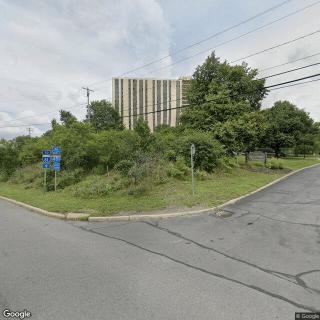
700 E Brighton Ave, Syracuse, NY 13205
For more information about senior living options: (844) 490-3973
What level of care are you interested in?

Assisted Living

Memory Care

Independent Living

Skilled Nursing Facility

Continuing Care Retirement Community (CCRC)CCRC

Other
Loretto Rehab Center in Syracuse is best suited for seniors who need structured, short-term rehabilitation and for families willing to be actively involved in care decisions. The facility emphasizes therapy intensity, with PT and OT relative to daily schedules, and when staff on the floor coordinates well with relatives, meaningful functional gains can be made. This is not a place for passive care; outcomes depend on consistent therapy, timely response to needs, and a clear discharge plan. The strongest results arise when a dedicated team on a given floor stays aligned with family members. For those seeking a uniformly calm, consistently clean environment or a long-term, highly supervised setting, other options will typically deliver more reliability.
Those with ongoing needs for steady nursing oversight, predictable daily routines, reliable housekeeping, and dependable dining should consider alternatives. Families who cannot be present daily to advocate or who have had past experiences of neglect, medication errors, or poor communication should look elsewhere. Residents who require memory care or continuous monitoring may find the variability in care unsettling. In short, this is not the safest fit for someone who cannot tolerate gaps in attention or inconsistent staff reliability over the long haul.
The best-reported positives revolve around the therapy side and a subset of staff. The therapy department is regularly praised for professionalism and tangible progress, with therapists and aides hands-on about helping residents regain mobility. On several floors, nurses and a nurse practitioner are described as compassionate, capable, and communicative, providing important reassurance to families during transition. When therapy is on schedule and a core group of staff stay engaged, the overall experience can feel competent and supportive, especially for those prioritizing rehabilitation goals.
The downsides, however, arrive with alarming regularity. Under-staffing is a pervasive theme, leading to long call-bell waits, delayed assistance with basic tasks, and frequent reports of residents left in soiled conditions. Safety concerns surface with medication handling issues, including misidentified pills and gaps in routine administration. Food quality and meal service draw frequent complaints, with many residents receiving processed or cold meals. Management and front-office communication appear inconsistent, and families report uneven discharge planning and billing disputes. Across the board, there are accusations of neglect or mistreatment, which significantly erode trust in the facility's ability to protect vulnerable residents.
Ultimately, the therapy-based strengths do not fully offset the severity of the care gaps. For rehab to translate into lasting independence, reliability, safety, and daily attentiveness must be unwavering; at Loretto, too many stories describe interruptions to medications, unmet basic needs, and cleanliness failures. The result is a campus where progress can occur on good days, but where the risk of harm or disappointment is never far away. Families should prepare for a highly involved, sometimes contentious oversight role, and weigh whether the potential for meaningful rehabilitation justifies the daily realities described by many residents and their loved ones.
Decision guidance centers on setting strict expectations and monitoring. If proceeding with Loretto, treat the placement as a trial with guardrails: insist on a concrete, published PT/OT schedule, request assignment to a floor with documented staffing strength, and demand prompt call-bell responses, consistent pain management, and reliable medication reconciliation. Maintain meticulous notes, push for regular progress updates, and involve the ombudsman or patient advocate early if concerns arise. If the goal is a steadier, home-like environment with consistently attentive care, explore other Syracuse-area options with stronger staffing ratios and a demonstrated emphasis on resident-centered routines. If staying, expect active advocacy and constant communication to maximize safety and rehabilitation potential.
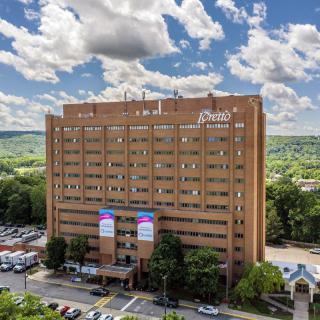
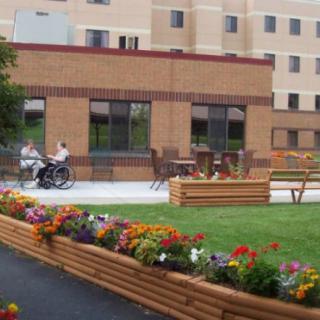
Loretto Rehabilitation Center, located in Syracuse, NY, is a well-established skilled nursing facility. As a leading provider of assisted living care in the area, Loretto offers compassionate and comprehensive support to individuals with various medical needs.
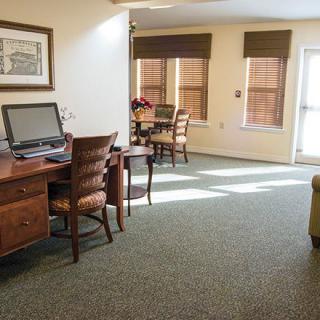
At Loretto, residents can expect top-notch skilled nursing care from a dedicated team of healthcare professionals who are committed to ensuring their well-being and comfort. The facility is equipped with state-of-the-art amenities and advanced medical equipment to meet the unique needs of each resident.
Beyond its exceptional caregiving services, Loretto Rehabilitation Center benefits from its convenient location, surrounded by numerous amenities that enhance the quality of life for both residents and their families. With four cafes nearby, residents can enjoy socializing or treating themselves to delicious meals or snacks outside the facility. Additionally, three parks provide opportunities for leisurely strolls or enjoying nature's beauty.
Accessing medications is made easy with seven pharmacies located in close proximity to Loretto Rehabilitation Center. This ensures that residents receive their necessary prescriptions without any inconvenience or delay. Furthermore, there are 37 physicians in the local area, providing ample options for specialized medical care as needed.
For those looking for dining options beyond what the facility provides, there are 33 restaurants nearby. Whether craving a casual meal or an elegant dining experience, residents have plenty of choices available to satisfy their culinary preferences.
Transportation services are readily accessible from two nearby locations, allowing residents to easily travel around the city or visit loved ones without any hassle. This ensures that they remain connected with their communities and maintain independence outside of the facility if desired.
The spiritual well-being of residents is also catered to as five places of worship can be found within proximity to Loretto Rehabilitation Center. Residents are provided with opportunities for religious services and gatherings that align with their beliefs and faiths.
Lastly, having nine hospitals nearby brings peace of mind knowing that emergency medical care is easily accessible in case of any unforeseen circumstances. Families can rest assured that their loved ones are always in close proximity to quality healthcare when residing at Loretto Rehabilitation Center.
Overall, Loretto Rehabilitation Center offers a comprehensive and compassionate assisted living community with access to a wide range of amenities and services, ensuring the highest level of care and comfort for its residents.
Loretto Rehab Ctr is located at 700 E Brighton Ave, Syracuse, NY 13205 in Onondaga County, New York
Home Health Care Aides: Understanding Their Role and Supporting Your Family

Home health care aides provide vital medical and non-medical support to individuals at home, assisting with daily living activities and promoting emotional well-being, while the demand for these services increases due to an aging population. Families benefit from in-home care's flexibility and cost-effectiveness but face challenges like scheduling consistency and caregiver turnover.
Older adults with urinary tract infections (UTIs) often present atypical symptoms, complicating diagnosis due to factors like incomplete bladder emptying and chronic health conditions that increase their susceptibility. Effective management involves prompt treatment with antibiotics, hydration, and preventive strategies while minimizing antibiotic resistance and focusing on holistic care approaches.
California's Form 602A: An In-Depth Examination of Senior Care Assessment
California's Form 602A is a vital tool for evaluating the health needs of seniors seeking residential care, detailing their medical conditions and daily living requirements to ensure proper service alignment. This standardized form enhances communication among physicians, families, and facilities, serving as a regulatory measure for admissions and ongoing care while adapting to changing healthcare practices.