
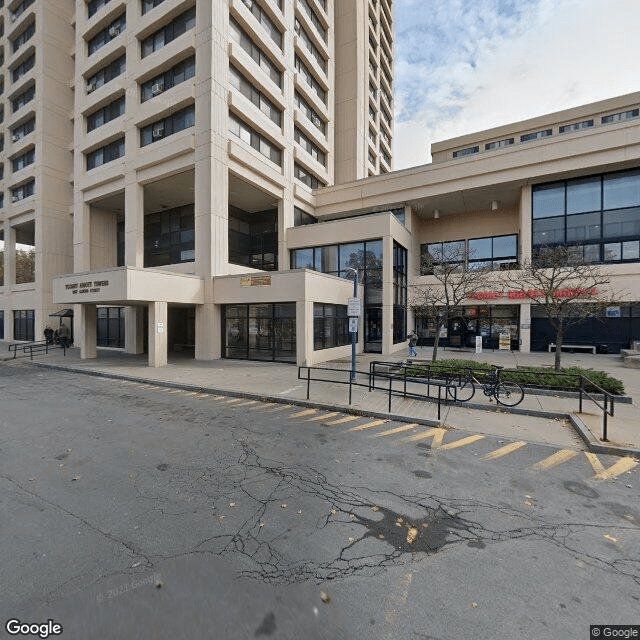
1207 Almond St, Syracuse, NY 13210
To contact a resident: (315) 428-8562
For more information about senior living options: (866) 208-4318
Overall Review of Erie Enriched Housing Program
Cons
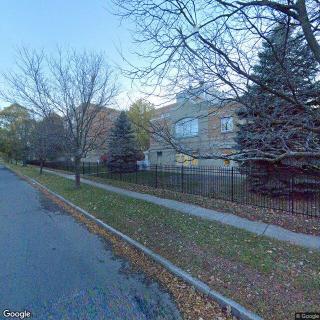
 The parking is not so grand.
- They warn that long-term living is not advisable for those who rely on extensive assistance and benefits.
- They advise against enrolling unless the stay is strictly short-term due to the level of health-care management and advice.
- They state that if someone leaves Erie, they must move out of TAT immediately.
- They criticize the need for hand-holding in health care and for intense case management.
Review
Erie Enriched Housing Program in Syracuse is best positioned for seniors who need ongoing, hands-on assistance with daily living and health-care coordination, and who are navigating a transition rather than seeking a completely independent, low-management lifestyle. The community functions as a structured, supportive environment where care partners handle much of the day-to-day management. It is not aimed at those who prize complete autonomy, nor at retirees with ample financial resources looking for a lean, low-intervention option. For families seeking steady oversight during a difficult period, status quo routines, medication reminders, and coordinated care planning, this setting can be appropriate. It does not, however, serve well as a long-term home for someone insistently independent who wants minimal staff involvement or a broad freedom to DIY daily routines.
Those considering alternatives should weigh options that emphasize greater independence or lower ongoing costs, as well as smoother transition experiences if long-term placement is not the aim. Independent senior housing or communities with lighter case-management footprints may suit residents who want more control over their schedules and finances. Families whose priority is to avoid potential bottlenecks in placement or exit processes should also explore options with clearer long-term affordability and more flexible discharge policies. In short, if independence, simple budgeting, and an easy path out are essential, this option warrants caution.
On the upside, the program offers structured support that can relieve families from daily care coordination burdens. The presence of staff who can assist with health-care coordination, routine supervision, and accountability brings a level of safety and consistency that is valuable for residents who otherwise would struggle to maintain medical routines or manage medications on their own. For individuals in a transitional phase, recovering from illness, adjusting to new medical needs, or stepping down from a hospital setting, this structure can deliver valuable stability, reduce caregiver stress, and create predictable daily rhythms that promote safety and engagement.
The most troubling dimensions, however, center on autonomy, cost, and exit terms. Parking is described as subpar, a practical friction point that compounds daily living with accessibility challenges. The more substantial concern is a perceived emphasis on dependency and intensive case-management needs that may feel burdensome to residents who do not require constant hand-holding. The prospect of long wait times for placement elsewhere if transitions are needed raises red flags for families planning around uncertain timelines and finite budgets. Additionally, exit policies appear rigid: leaving the community may trigger immediate, abrupt moves, creating a discontinuity that tightens the leverage of residents and families during critical transitions. Taken together, these factors can erode the appeal for residents who value flexibility and long-term planning.
From a decision-making perspective, the strengths of this program must be weighed against its costs and restrictions. For residents who genuinely require daily support, medical coordination, and structured supervision, the benefits of accessible care coordination and a predictable routine can offset the downsides of higher dependence and the administrative atmosphere. For those with tighter budgets, expectations of long-term independence, or a preference for a frictionless exit, the cons are likely to dominate. The key is alignment: is the senior seeking a carefully managed, transitional living situation with robust support, or is the aim long-term autonomy at a sustainable price point? The answer should drive whether Erie Enriched Housing Program is the right fit, or if alternatives that emphasize autonomy, affordability, and flexible exit options warrant prioritization.
 Independent Living
 Syracuse-Hancock International (5 miles away)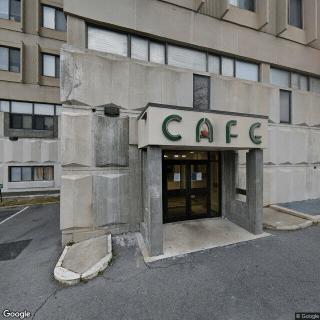
 Abundant nearby amenities and healthcare support independent living.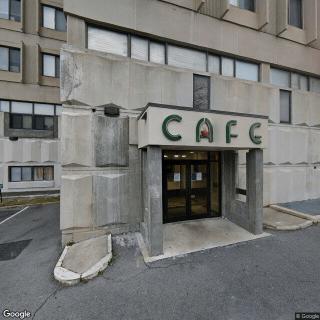



 Comprehensive Guide to Qualifying for Home Health Care Services
 Powerful Realities of Elder Abuse and the Most Effective Ways to Report It
 Ten Vital Duties of a Senior Caregiver: A Comprehensive Guide