
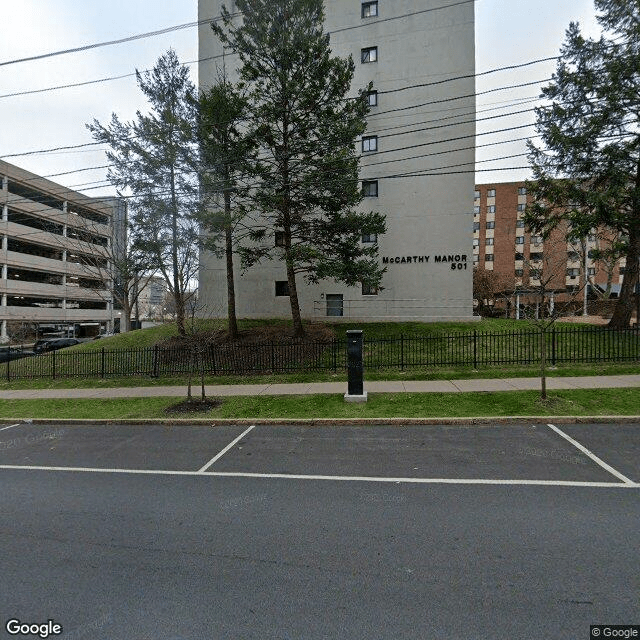
501 S Crouse Ave, Syracuse, NY 13210
To contact a resident: (315) 475-6390
For more information about senior living options: (866) 208-4318
Overall Review of James P Mc Carthy Manor
Cons
 There is a huge bedbug problem.
- There is a huge drug problem.
- A tenant once threatened to kill someone.
- There is constant turnover of tenants.
- There are lots of complaints about how they hate this place.
- The reviewer would not wish this place on their worst enemy.
Review
James P. Mc Carthy Manor in Syracuse is best suited for residents who need a tightly budgeted, straightforward living arrangement and can tolerate a lean operation with notable safety and cleanliness risks. The reviews signal that the value rests in basic access to care at a low cost rather than a polished, safety-forward environment. Families with close oversight and a willingness to actively monitor conditions may find it workable, but it is not a fit for anyone who requires a consistently pristine setting, a stable social climate, or an unambiguous safety culture.
Those considering alternatives should focus on safety, cleanliness, and stable staffing. Any family prioritizing a secure, predictable environment, where pest control is effectively managed, where illegal activity is not an ongoing concern, and where resident turnover does not undermine trust, should look elsewhere. Communities with transparent pest-management programs, clearly documented safety protocols, and steadier occupancy will typically deliver a more reliable daily experience and less stress for loved ones.
The potential positives suggested by some reviewers, such as affordability or straightforward caregiving, do not meaningfully offset the most salient drawbacks. When bedbugs are reportedly present, when a drug problem is alleged within the building, when a tenant threatens harm, and when turnover remains constant, the practical impact is a fragile sense of safety and routine. Even if there are favorable anecdotes elsewhere, these heavy risks erode confidence in the environment and in the people responsible for day-to-day oversight.
The concrete cons raised in the community’s feedback form a troubling pattern. A pervasive bedbug issue points to ongoing sanitation challenges that affect comfort, health, and sleep. Claims of drug activity raise legitimate safety alarms for residents and families. A threat from a fellow tenant underscores the volatility that can destabilize a living situation. High and persistent turnover sabotages continuity of care, makes it hard to cultivate trust, and leaves residents feeling unsupported. The chorus of complaints about dissatisfaction, people stating they hate the place, signals a culture that is not conducive to long-term comfort or recovery.
For families evaluating options, a rigorous due-diligence process is essential. Insist on current pest-control logs and remediation plans, request a complete set of incident and safety reports, and speak with several current residents during unstructured times to gauge real-life conditions. Review the facility’s licensing history, deficiency notices, and state inspections to gauge ongoing compliance. Probe staff stability and caregiving training, how long workers stay, and how frequently they are replaced. If a trial stay or a short-term arrangement is even possible, insist on a clearly defined plan with benchmarks and a projected remediation timeline.
In the end, the balance tilts toward caution. The weight of safety and stability concerns makes this community risky for most families. Alternatives with stronger track records on cleanliness, pest control, resident safety, and staffing consistency should be prioritized. If a decision must be made here, it should come with a binding plan for rapid corrective action, strict oversight agreements, and a clear willingness to pivot to a higher-quality option should conditions fail to improve within a defined period. The prudent approach is to reserve this option for scenarios where family oversight is absolute and no better choice is available, and to pursue safer, steadier communities whenever possible.
 Skilled Nursing Facility
 Syracuse-Hancock International (5 miles away)
 Abundant nearby amenities and healthcare support independent living.




 Comprehensive Approaches for Arthritis: A Detailed Guide to Symptoms, Causes, and Care
 Comprehensive Insights and Practical Strategies to Help Older Adults Avoid Falls
 6 Crucial Ways an Elder Law Attorney Assists Families