

614 S Crouse Ave, Syracuse, NY 13210
To contact a resident: (315) 428-8562
For more information about senior living options: (866) 208-4318
Overall Review of Enriched Resources for Independent Elderly
Cons
 Parking is described as not grand.
- The reviewer says not to come to live there long-term.
- They warn that if someone requires intense healthcare and case management, they should not enroll unless it’s strictly short-term.
- They state that if you decide to leave Erie, you must move out of TAT immediately.
- They imply that relying on disability and minimal monthly funds is a negative experience for long-term living.
Review
Enriched Resources for Independent Elderly in Syracuse is best suited for seniors who prize independence above all and can navigate their own health needs with minimal hands-on oversight. The community presents itself as a home for those who want to remain self-reliant, avoid a medicalized campus, and accept a lighter touch from staff on daily health management. The practical reality is that the environment tends to work best when residents advocate for themselves, bring their own supports, and do not require intensive case management. For anyone who needs steady medical coordination, routine personal care, or a safety net of services, this setting will feel undersupported and repeatedly frustrating over time.
Those who should seriously weigh alternatives are the families facing immediate placement needs, or residents who rely on reliable health care oversight and crisis support. Long waits for placement elsewhere, described as 6 to 8 months, are a real factor, and that delay can prove costly if timing matters. Parking and access are not standout strengths, which matters for visitors, mobility-sensitive residents, or those coordinating transport to appointments. In short, anyone expecting robust daily assistance, predictable nursing attention, or strong, continuous case management will want to look elsewhere and consider communities with a clearer health-support framework.
The most tangible upside is the emphasis on independence, with resources framed to support residents who manage their own routines and health decisions. There is a sense of freedom from a highly clinical setting, which can be appealing to those who view aging as a matter of living with a modicum of structure rather than being immersed in ongoing medical oversight. However, that relative freedom comes at a price: the key benefits do not fill the gaps left by limited health care coordination, ambiguous levels of staff support, and the possibility of abrupt escalation in discharge policies. When health needs shift, the absence of proactive, integrated care becomes a decisive disadvantage that can quickly erode perceived value.
From a decision-making perspective, the trade-off is clear. Independence-oriented living can offset a few burdens, yet the main drawbacks are substantial enough to reframe the choice. The lack of dependable medical oversight and the potential for sudden turnover when a resident’s status changes undermine stability. The parking shortcomings, coupled with a policy that seems to push for rapid move-out when a resident leaves, intensify the risk of disruption. In practical terms, the positives barely balance the risk of escalating medical needs going unmanaged and of facing disruptive relocations that undermine any sense of home. For most families, the cons outweigh the pros, especially for long-term residency.
Ahead of committing, a disciplined evaluation is essential. Verify exactly what medical oversight the community provides, how quickly health concerns are triaged, and who is responsible for coordinating care. Obtain a transparent, itemized fee structure and a clear plan for what happens if services need to intensify. Assess the facility’s policies on discharge, transfers, and how “leaving” is handled to avoid abrupt moves that unsettle a resident’s routine. Visit at multiple times, speak with current residents about daily life, and probe whether there is meaningful social engagement alongside practical support. Request a short-term trial or staged stay to test whether the care level and independence balance genuinely meet expectations.
In short, this community serves a niche, independent elders who want autonomy and are comfortable managing most of their own care, with the understanding that medical oversight will be partial and the environment is not a substitute for a full-service care setting. For most families weighing long-term placement, stronger options exist that provide robust health coordination, predictable timelines, and fewer abrupt discharge risks. If independence is non-negotiable and the resident can tolerate lighter case management, this may be worth exploring as a foundational step; otherwise, steer toward communities with proven, integrated medical support and clearer pathways to ongoing stability.
 Independent Living
 Syracuse-Hancock International (5 miles away)
 Strong access to dining, healthcare, parks, and transportation nearby.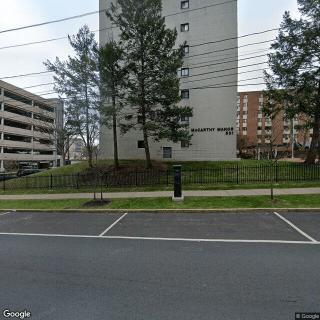





 Comprehensive Look at Senior Blood Pressure Charts: Normal and Elevated Levels by Age
 Top Canine Companions for Older Adults
 Comprehensive Guide to Blood Pressure Charts for Older Adults: Understanding Normal and High Readings by Age