Upstate University Hosp At Community General - TCU in Syracuse, NY

Save

  • Interior

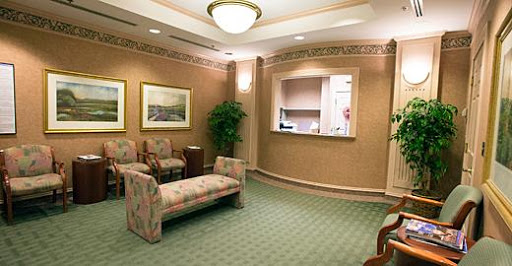
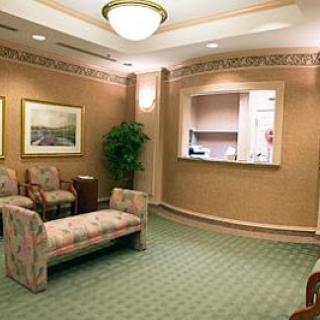
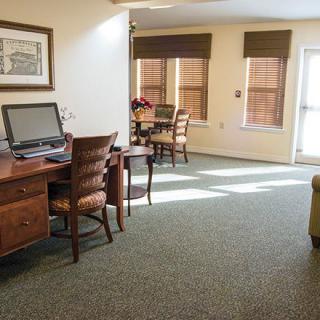
    A comfortable waiting room featuring floral-patterned seating and a pleasant interior design.
  • Outdoors

    A serene view of the sky with clouds and trees alongside a parking lot.
  • Building

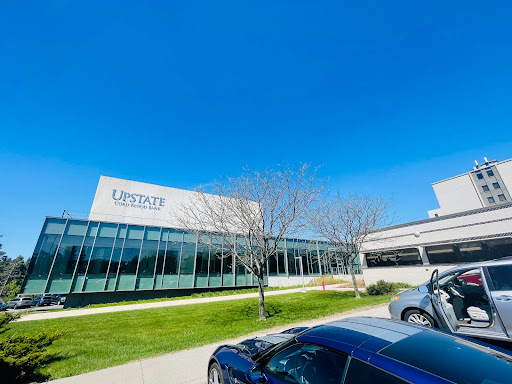
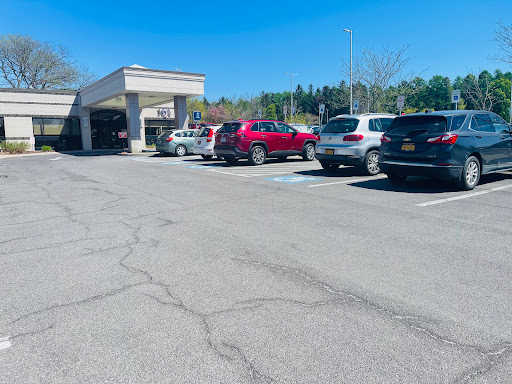
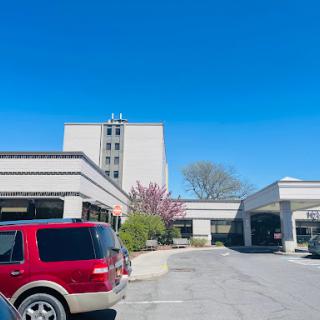
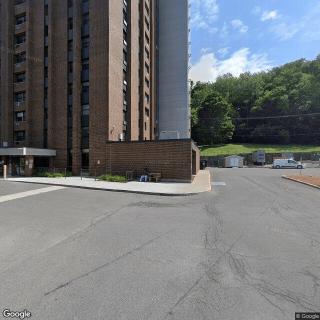
    A modern commercial building under a clear blue sky, with cars parked in front and trees nearby.
  • Architecture

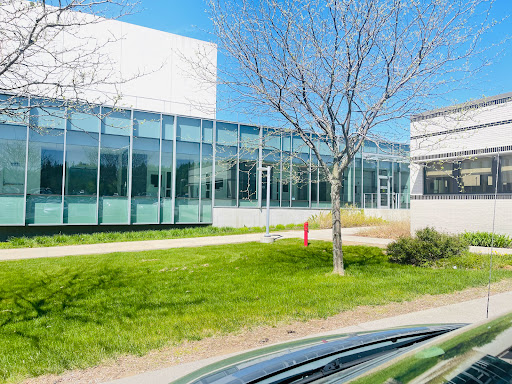
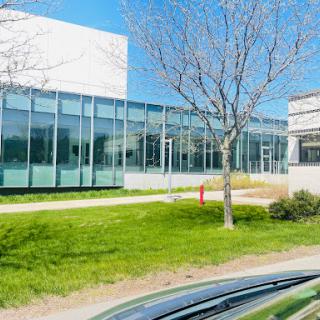
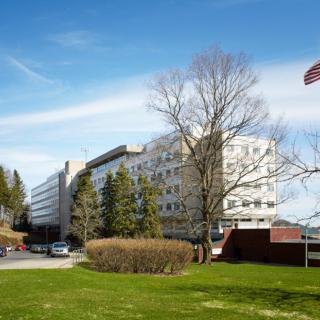
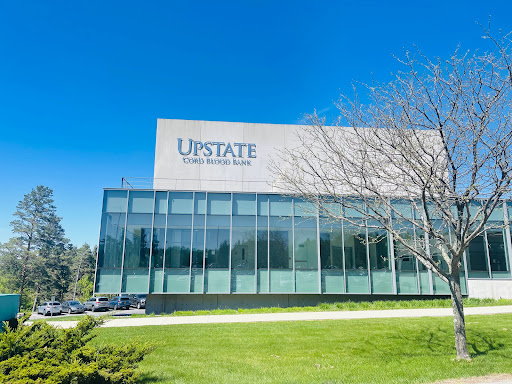
    A modern glass building surrounded by green grass and a bare tree under a clear blue sky.
  • Trees

    A view of a hotel building with trees and vehicles parked in the lot under a clear blue sky.
  • Landscaping

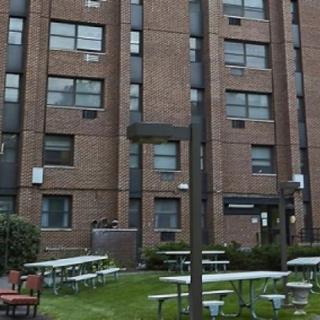
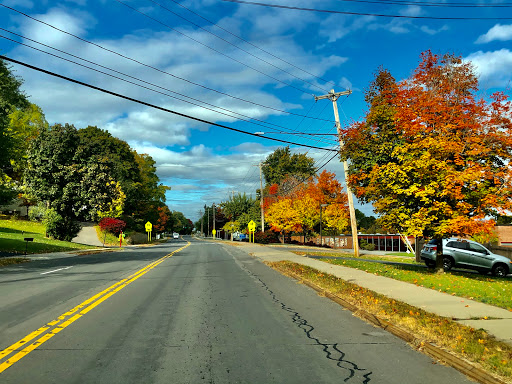
    A serene autumn scene showcasing a peaceful road lined with vibrant trees under a clear blue sky.
  • Grass

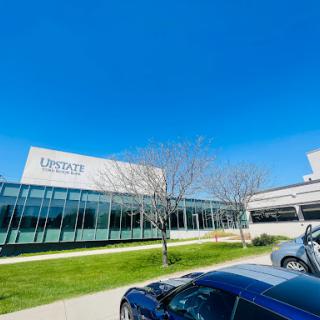
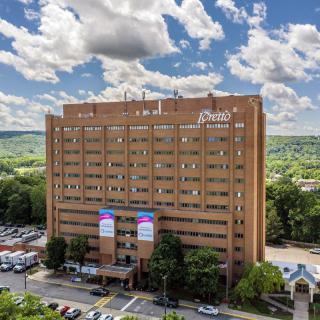
    A modern glass-fronted building with the Upstate logo, surrounded by greenery and a clear blue sky.
  • Healthcare

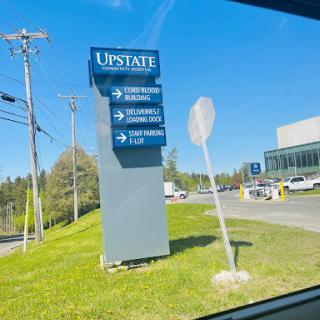
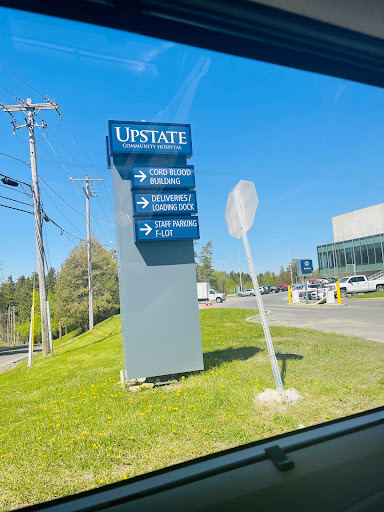
    Directional sign for Upstate facilities on a sunny day.
  • Road

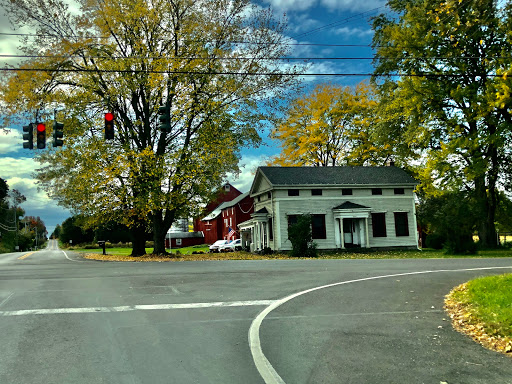
    A picturesque rural intersection showcasing vibrant fall colors and a mix of charming houses.
  • Parking

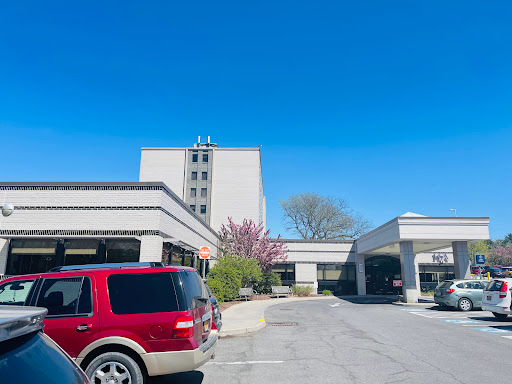
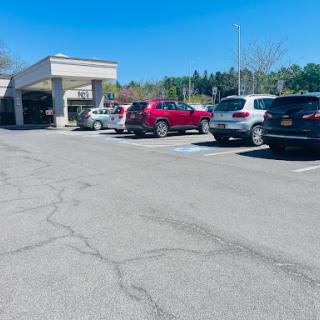
    A sunny day at a parking lot with various vehicles parked outside a commercial building.

Upstate University Hosp At Community General - TCU in Syracuse, NY

Information last verified:

4900 Broad Road, Syracuse, NY 13215

For more information about senior living options: (844) 490-3973

2.8 from 110 reviews
5 stars
42
4 stars
3
3 stars
5
2 stars
13
1 stars
47

Overall Review of Upstate University Hosp At Community General - TCU

Pros

  • pro They were so nice, calming patients and delivering great care.
  • pro All the staff were amazing.
  • pro The nurses run the hospital and are heroes.
  • pro The nurses were friendly and competent.
  • pro They deserve much more recognition than they receive.
  • pro The staff saved lives and provided compassionate care.
  • pro The emergency department delivered phenomenal care with quick attention.
  • pro Kaylee was the best RN on the orthopedic floor.
  • pro They listened to patient concerns and validated them.
  • pro The doctors and nurses treated patients with kindness and care.

Cons

  • pro They waited in the ER for hours and were never seen despite serious symptoms.
  • pro They were placed in a freezing hallway bed with blood spots and trash on the floor.
  • pro They described the hospital as dirty and disorganized, with cluttered halls and poor upkeep.
  • pro They felt the staff were rude or indifferent and failed to provide timely updates or compassionate care.
  • pro They faced long waits with little communication about delays or what level of care to expect.
  • pro They labeled the facility the worst hospital they’d ever been to and said they would not return.
  • pro They observed unsafe or negligent conditions, such as a broken bed and blood on surfaces.
  • pro They reported poor administration and mismanagement of patient flow and pain management policies.
  • pro They felt treated as a burden or “a piece of meat,” with dismissive attitudes toward their condition.
  • pro They noted chronic understaffing and waits that dragged on due to “be patient, we’re busy” without substantive action.
  • pro They described the ER as overcrowded and chaotic, with some patients waiting all day.

Review

Upstate University Hospital at Community General - TCU in Syracuse is best suited for acute, high-acuity care where the medical staff's expertise can be decisive. This campus functions as a teaching hospital with surgeons and subspecialists who reliably perform complex procedures and respond to emergencies, and it often delivers meaningful outcomes when advanced intervention is required. For families, that means strong on-site capabilities in trauma, surgical care, and inpatient management. However, the patient experience can vary dramatically by unit and by shift, and the demands of a busy teaching hospital show up in patient throughput and environment. Those seeking a calm, consistently seamless ER experience or a spotless patient room should recalibrate expectations and prepare for variability. In other words, this campus prioritizes clinical excellence and rapid response over uniform comfort and predictable service across all departments.

People who should consider alternatives include those who prize steady communication, timely updates, and a clean, predictable patient environment. The ER, in particular, has earned a reputation for long waits and crowded settings, with some patients waiting many hours before seeing a clinician. Several reviewers report dirty rooms, clutter, and inconsistencies in bedside updates, which can be distressing when a loved one is in pain or at risk. Administrative friction, delayed admissions, confusing wayfinding, and inconsistent discharge planning, drives families to seek care elsewhere or to pair ER visits with urgent care facilities. For non-emergency needs or post-acute coordination, neighborhoods with more predictable processes or dedicated case management may offer a sharper overall experience.

On balance, the hospital's clinical strengths sometimes offset the downsides. Skilled physicians and experienced nursing teams can deliver excellent, life-saving care, and certain floors maintain high levels of compassion and competence. When care is focused on surgical patients, post-op recovery, or inpatient rehab, dedicated nurses and physicians often rise to the moment, and many patients report feeling listened to and respected. The flip side is the persistent thread of logistical and environmental challenges: crowded waiting rooms, inconsistent housekeeping, and signs of administrative strain that show up as delays, miscommunication, and a sense that operations lag behind clinical intent. The most meaningful care moments, clear explanations, calm reassurance, and timely pain control in the right moments, emerge on wards where staff have bandwidth and leadership that prioritize patient experience as well as outcomes. The pros do shine, but their impact is constrained by the operating tempo.

Emergency department experiences illustrate the tension vividly. Some patients report prompt reassessment, compassionate nurses, and efficient test ordering that eventually leads to appropriate treatment, including timely imaging and surgical referrals. Yet a substantial number of reviews recount hours in waiting areas, insufficient updates, and frustrated families left in the dark about when care will begin. There are instances of in-room cleanliness issues, stalled bed availability, and perceived gaps in triage communication. The contrast can be starker still when parents or elderly patients require attention, some staff are described as patient, attentive, and skilled, while others are criticized for indifference or inconsistent care. The takeaway: ER outcomes can be excellent when the unit is staffed well, but the system's throughput and communication gaps dominate the experience during peak times.

Beyond the ER, inpatient experiences reveal a split personality. On one hand, several wards are praised for compassion, with nurses and aides who treat patients with respect and warmth, and with surgeons and hospitalists who explain plans clearly and demonstrate technical proficiency. On the other hand, discharge planning and case management occasionally fall short, with reports of pushy placements and a sense that patient preferences are secondary to bed availability. Certain staff on specific floors, like 4 West and 4 North, where nurses and clinicians repeatedly earn praise, stand out for their bedside manner, organization, and responsiveness. However, systemic constraints, staffing gaps, construction-related parking hassles, and inconsistent housekeeping, can undermine the overall experience and cloud otherwise positive clinical outcomes. For families weighing options where ongoing support after discharge matters, this is a critical factor.

Decision guidance for families facing hospital-based decisions should be practical and selective. If the goal is urgent, high-skill medical intervention with access to a full teaching-hospital repertoire, Upstate Community General delivers on that front, with standout clinicians who can rescue difficult cases. If, however, the priority is reliable ER calm, consistently informative updates, spotless rooms, and smooth transitions to post-acute care, alternatives merit careful comparison. Before choosing, inquire about the specific floor and service line: the strongest care stories tend to come from units with stable staffing and engaged leadership, rather than the system-wide average. Have a clear plan for discharge, including potential post-hospital care options, and consider pairing this campus with nearby facilities that specialize in rapid, transparent communication. For families on tight timelines or with medically complex needs, the prudent path is to verify floor-level performance, request written estimates for wait times, and prepare to advocate for updates and timely care, while keeping backup options open at other Syracuse-area hospitals.

Features

Housing

  • 20 resident community capacity 20 resident community capacity

Types of Care

  • Skilled Nursing Facility Skilled Nursing FacilitySkilled Nursing Facilities are crucial for seniors as they provide round-the-clock medical care, rehabilitation services, and assistance with daily activities. These facilities ensure that seniors receive the specialized care they need to maintain their health and well-being as they age.

Amenities

  • Beauty salon Beauty salonBeauty salons are important for seniors because they provide a space for them to feel pampered, socialize, and maintain their personal grooming and hygiene. Regular visits to a beauty salon can help boost seniors' self-esteem and overall well-being.
  • Cable or satellite TV Cable or satellite TVCable or satellite TV is important for seniors because it provides entertainment, news, and companionship, helping to combat loneliness and boredom. It also offers a wide range of programming options tailored to different interests and preferences.
  • Dining room Dining roomDining rooms are important for seniors as they provide a space for socialization, connection, and nutritious meals. They offer opportunities for residents to bond over shared meals, foster a sense of community, and promote healthy eating habits. Dining rooms also ensure that seniors have access to well-balanced meals tailored to their dietary needs and preferences.
  • Fully furnished Fully furnishedFully furnished senior living communities are important for seniors because they provide convenience, comfort, and a hassle-free moving experience. Seniors can easily settle into their new living space without the stress of having to buy and move furniture. This allows them to focus on enjoying their new home and community.
  • Garden GardenGardens are important for seniors as they provide a peaceful and therapeutic environment for relaxation, physical activity, and socialization. Being in nature has been shown to reduce stress, improve mood, and promote overall well-being. Gardens also offer opportunities for seniors to engage in gardening activities, which can improve mobility, flexibility, and cognitive function. Additionally, gardens create a sense of community and connection with others who share a passion for plants and outdoor spaces.
  • Housekeeping services Housekeeping servicesHousekeeping services are important for seniors because they help maintain a clean and safe living environment, promote independence, and reduce the risk of accidents or illnesses. Additionally, having assistance with household chores can alleviate physical strain and allow seniors to focus on other aspects of their well-being.
  • Kitchenette KitchenetteKitchenettes are important for seniors living in senior living communities because they provide the convenience and independence of being able to prepare simple meals and snacks in the comfort of their own living space. This can help promote a sense of autonomy and well-being for seniors, allowing them to maintain some level of control over their dietary choices and daily routines.
  • Move-in coordination Move-in coordinationMove-in coordination is important for seniors because it helps ease the transition into their new living environment. It ensures that all logistics, such as packing, organizing movers, and setting up utilities are taken care of, allowing seniors to focus on settling in and adjusting to their new home. Having a smooth move-in process can alleviate stress and anxiety, making the transition smoother and more enjoyable for seniors.
  • Outdoor space Outdoor spaceOutdoor spaces are important for seniors as they provide opportunities for physical activity, social interaction, exposure to natural light and fresh air, and a sense of connection to nature. Having access to outdoor spaces can improve overall well-being and quality of life for older adults living in senior communities.
  • Restaurant-style dining Restaurant-style diningRestaurant-style dining is important for seniors because it allows them to enjoy delicious, nutritious meals in a social and upscale setting. This enhances their dining experience, promotes healthy eating habits, and fosters socialization with fellow residents, ultimately contributing to their overall well-being and quality of life.
  • Small library Small librarySmall libraries are important for seniors as they provide access to a variety of reading materials, including books, newspapers, and magazines. This can help stimulate their minds, keep them engaged, and provide a sense of community through book clubs and other social activities. Additionally, reading has been shown to improve cognitive function and overall mental well-being in older adults.
  • Telephone TelephoneTelephones are important for seniors as they provide a lifeline for communication with loved ones, emergency services, and healthcare providers. They offer a sense of security and independence, enabling seniors to stay connected and access assistance when needed.
  • Wi-Fi/high-speed internet available Wi-Fi/high-speed internet availableWi-Fi/high-speed internet is important for seniors to stay connected with loved ones, access online resources, and participate in virtual activities to combat feelings of loneliness and isolation. It also allows them to easily manage healthcare needs, access entertainment, and engage in lifelong learning opportunities.

Transportation

  • Syracuse-Hancock International (8 miles away) Syracuse-Hancock International (8 miles away)

Care Services

  • 24-hour call system 24-hour call system24-hour call systems are important for seniors because they provide peace of mind and immediate assistance in case of emergencies. This technology ensures that help is always available, promoting safety and security for elderly individuals living alone or in assisted living facilities.
  • 24-hour supervision 24-hour supervision24-hour supervision is important for seniors to ensure their safety, well-being, and access to immediate assistance in case of emergencies or health issues. This constant support provides peace of mind for both seniors and their loved ones, allowing them to age in place with dignity and security.
  • Activities of daily living assistance Activities of daily living assistanceActivities of daily living assistance are important for seniors because they provide essential support with tasks such as eating, bathing, dressing, and mobility. This assistance helps seniors maintain their independence, dignity, and overall quality of life as they age.
  • Assistance with bathing Assistance with bathingAssistance with bathing is crucial for seniors as it helps maintain personal hygiene, prevents infections, and ensures their overall well-being and comfort. It also provides a sense of dignity and independence for seniors who may struggle with this task on their own.
  • Assistance with dressing Assistance with dressingAssistance with dressing is important for seniors because it helps maintain their independence, promotes personal hygiene, prevents accidents and injuries, and improves overall quality of life. This service ensures that seniors can continue to dress comfortably and confidently, despite any physical limitations they may have.
  • Assistance with transfers Assistance with transfersAssistance with transfers is crucial for seniors as it helps prevent falls and injuries, maintains their independence, and ensures they can safely navigate their living environment. It also provides peace of mind for both seniors and their loved ones.
  • Diabetes diet Diabetes dietA diabetes diet is crucial for seniors as it helps manage blood sugar levels, reduce risks of complications, and improve overall health and well-being. By following a balanced and nutritious diet tailored to their specific needs, seniors can better control their diabetes and enhance their quality of life.
  • Meal preparation and service Meal preparation and serviceMeal preparation and service are crucial for seniors as they may have limited mobility or energy to cook nutritious meals. Having access to healthy and convenient food options can ensure they are getting the proper nutrition needed to maintain their overall health and well-being.
  • Medication management Medication managementMedication management is crucial for seniors to ensure they are taking the right medications at the correct dosages and times. This helps prevent adverse drug interactions, reduces the risk of medication errors, and promotes overall health and well-being. Proactive management also allows for adjustments as needed based on changing health conditions or new prescriptions.
  • Mental wellness program Mental wellness programMental wellness programs are essential for seniors as they promote cognitive stimulation, emotional support, and social engagement. These programs help prevent isolation, depression, and cognitive decline, ultimately enhancing the overall quality of life for older adults.
  • Special dietary restrictions Special dietary restrictionsSpecial dietary restrictions are important for seniors because age-related changes in metabolism and health conditions can make it difficult for their bodies to process certain foods. By following a diet tailored to their specific needs, seniors can maintain their overall health and well-being, manage chronic conditions, and reduce the risk of complications such as malnutrition or food interactions with medications.
Dining

  • Diabetes diet Diabetes dietA diabetes diet is crucial for seniors as it helps manage blood sugar levels, reduce risks of complications, and improve overall health and well-being. By following a balanced and nutritious diet tailored to their specific needs, seniors can better control their diabetes and enhance their quality of life.
  • Special dietary restrictions Special dietary restrictionsSpecial dietary restrictions are important for seniors because age-related changes in metabolism and health conditions can make it difficult for their bodies to process certain foods. By following a diet tailored to their specific needs, seniors can maintain their overall health and well-being, manage chronic conditions, and reduce the risk of complications such as malnutrition or food interactions with medications.

Activities

  • Community-sponsored activities Community-sponsored activitiesCommunity-sponsored activities are important for seniors as they provide opportunities for social interaction, mental stimulation, and physical activity. These activities can help improve overall well-being, combat loneliness and isolation, and promote a sense of belonging and purpose among older adults.
  • Resident-run activities Resident-run activitiesResident-run activities are important for seniors as they encourage social interaction, creativity, and a sense of autonomy. These activities empower seniors to stay engaged and active in their community while fostering meaningful connections with their peers.
  • Scheduled daily activities Scheduled daily activitiesScheduled daily activities are important for seniors because they provide structure, socialization, mental stimulation, and physical activity. Engaging in regular activities can improve overall well-being and quality of life for seniors living in a community setting.

Description

The Upstate University Hosp At Community General - TCU in Syracuse, NY is an assisted living community that offers a comfortable and supportive environment for seniors. The community provides a variety of amenities to ensure residents have everything they need for a fulfilling and enjoyable lifestyle.

Each apartment is fully furnished and includes cable or satellite TV, a kitchenette, and Wi-Fi/high-speed internet. Housekeeping services are also provided to keep the apartments clean and tidy.

Residents can enjoy delicious meals prepared by the community's dedicated dining staff in the restaurant-style dining room. Special dietary restrictions can be accommodated to ensure each resident's individual needs are met.

The community offers a range of care services to support residents with their daily activities. This includes 24-hour supervision, assistance with bathing, dressing, and transfers. Medication management is also available to help residents stay on track with their medications.

To promote mental wellness and socialization, there are scheduled daily activities and resident-run programs for all residents to participate in. A small library is available for those who enjoy reading, and outdoor spaces such as gardens provide opportunities for relaxation and fresh air.

For convenience, there are two cafes nearby where residents can grab a coffee or snack, as well as several parks for enjoying nature. Pharmacies, physicians' offices, restaurants, places of worship, theaters, transportation options, and hospitals are all located conveniently close by.

Overall, the Upstate University Hosp At Community General - TCU in Syracuse offers a safe and comfortable environment with personalized care services and amenities to support seniors in their daily lives.

Nearby Places of Interest

Hospitals

  • Upstate University Hospital (0 miles)
  • Upstate Golisano After Hours Care (0 miles)
  • Specialists One Day Surgery (2.1 miles)
  • Syracuse VA Medical Center (2.6 miles)
  • Suny Upstate Medical University University Hospital (2.7 miles)
  • Crouse Hospital: Human Resources (2.7 miles)
  • Crouse Promptcare (2.8 miles)

Physicians

  • DeRoberts Plastic Surgery (0 miles)
  • Upstate University Hospital Community Campus (0.1 miles)
  • Dr Anne Barash, MD (2.1 miles)
  • Orthopedics East (2.1 miles)
  • The Vision Center (2.1 miles)
  • Syracuse Community Health Center Incorporated, Infectious Diseases Department (2.4 miles)
  • University Surgical Associates (2.7 miles)

Restaurants

  • Luigi's Restaurant (0.8 miles)
  • Gannon's Ice Cream (0.8 miles)
  • Pfohl's Tavern (1.3 miles)
  • Burger King (2 miles)
  • Taco Bell (2.1 miles)
  • McDonald's (2.1 miles)
  • McDonald's (2.2 miles)

Places of Worship

  • Apostolic Church (1.7 miles)
  • St Elias Orthodox Church (1.8 miles)
  • Islamic Society of Central New York Mosque (2.6 miles)

Pharmacies

  • Kinney Drugs (2 miles)
  • Wegmans (2 miles)
  • Syracuse Community Pharmacy (2.3 miles)
  • Gifford & West Pharmacy (2.5 miles)
  • Walgreens (3.1 miles)
  • Kinney Drugs (3.2 miles)
  • Walgreens (3.3 miles)

Parks

  • Burnet Park (2.4 miles)
  • Clinton Square (3.1 miles)
  • Clark Reservation State Park (3.8 miles)

Transportation

  • Centro Transit Hub (2.6 miles)
  • Enterprise Rent-A-Car (3.2 miles)
  • Amtrak (4.8 miles)

Cafes

  • Cafe Kubal (2.8 miles)
  • Original Grain (2.9 miles)

Theaters

  • Regal Destiny USA IMAX & RPX (4.3 miles)

Frequently Asked Questions

Where is Upstate University Hosp At Community General - TCU?
What photos are available for Upstate University Hosp At Community General - TCU in Syracuse, New York?

Nearby Communities

  • Van Duyn Center For Rehabilitation And Nursing

    Van Duyn Center For Rehabilitation And Nursing

    Syracuse, NY

    3.7 from 176 reviews
     

    pro Caring nursing and therapy teams with attentive concierge service.

  • Van Duyn Home & Hospital

    Van Duyn Home & Hospital

    Syracuse, NY

    3.9 from 120 reviews
    $3,504 / month

    pro Strong staff across several departments (NP, podiatry, therapy, social work, concierge).

  • Brookdale Summerfield

    Brookdale Summerfield

    Syracuse, NY

    4.3 from 36 reviews
    $3,335 to $4,530 / month

    pro Caring, attentive staff and a clean, hotel-like environment with engaging activities.

  • Peregrine Senior Living At Onondaga Hill

    Peregrine Senior Living At Onondaga Hill

    Syracuse, NY

    4.7 from 33 reviews
     

    pro Comprehensive memory-care with 24/7 supervision and convenient amenities (private bathrooms, dining, wellness center).

  • Bernardine Senior Apartments

    Bernardine Senior Apartments

    Syracuse, NY

    3.6 from 35 reviews
     

    pro Excellent proximity to dining, parks, healthcare, and places of worship.

  • The Bernardine

    The Bernardine

    Syracuse, NY

    3.3 from 47 reviews
     

    pro Spacious, clean rooms with natural light and a variety of activities and dining options.

  • Loretto Health And Rehabilitation Center

    Loretto Health And Rehabilitation Center

    Syracuse, NY

    2.3 from 106 reviews
     

    pro Caring, knowledgeable staff and effective physical therapy; regular family updates.

  • Mount St James Apartments

    Mount St James Apartments

    Syracuse, NY

    3.3 from 11 reviews
     

    pro Excellent access to nearby amenities (medical, dining, transportation, worship, and parks).

  • St Camillus Residential Health Care Facility

    St Camillus Residential Health Care Facility

    Syracuse, NY

    3 from 93 reviews
     

    pro Dedicated rehabilitation staff delivering effective therapy.

Skilled Nursing Facility in Nearby Cities

Related Resources

  • non medical home careExploring Nonmedical Home Care: Understanding Services, Costs, and Financial Approaches

    Nonmedical home care provides assistance with daily activities and companionship for individuals wishing to maintain independence and quality of life at home, without medical intervention. Its growing popularity is driven by an aging population, the need for supportive environments for recovery, and the emotional benefits of caregiver companionship, while costs vary based on service frequency and location.

  • brain games for seniorsEngaging Brain Games and Innovative Apps to Keep Senior Minds Active
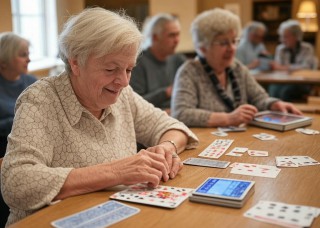
    Maintaining cognitive fitness through engaging in various brain games, both traditional and digital, is crucial for seniors as it enhances memory retention, problem-solving abilities, and emotional well-being while helping to protect against age-related decline. A holistic approach that includes diverse activities, physical exercise, a balanced diet, and social interaction further supports mental health and cognitive function.

  • brain games for seniorsEffective Strategies for Keeping Seniors' Minds Active: A Deep Dive into Brain Games and Apps
    The article outlines strategies for keeping seniors' minds active through brain games and apps, highlighting the importance of cognitive exercises, social engagement, and a healthy lifestyle in combating cognitive decline. It emphasizes the benefits of various types of games and offers practical tips for maintaining mental wellness through enjoyable activities while acknowledging their limitations.