St Catherine Of Siena Nrsg And Rehab Care Center in Smithtown, NY
St Catherine Of Siena Nrsg And Rehab Care Center is a nursing home community in Smithtown, NY.
Information last verified:
52 Route 25A, Smithtown, NY 11787
For more information about senior living options: (866) 208-4318
2.6 from 71 reviews
5 stars
20
4 stars
6
3 stars
4
2 stars
8
1 stars
33
Overall Review of St Catherine Of Siena Nrsg And Rehab Care Center
caveat16 reviews mention this
Staffing and call-bell delays
Many residents describe long waits for help when buttons are pressed.
A recurring theme is delayed assistance, with several reviewers saying they waited 20 minutes or more for a nurse or aide after pressing the call button. Some accounts also describe nights with limited coverage, missed bathroom help, or needing family members to step in. While a smaller number of reviewers praise certain nurses and aides as responsive, others say care feels inconsistent and at times borders on neglect.
caveat9 reviews mention this
Care safety concerns and falls
Residents and families report safety issues affecting outcomes.
Several reviews raise concerns about safe care practices, including falls after not getting timely bathroom assistance and delayed follow-through with medical needs. A few reviewers connect the staffing pressure to limited mobility support, including difficulty getting walks alongside therapy. There are also stories of missed or delayed attention to wounds or infections, which reviewers say contributed to serious complications.
caveat6 reviews mention this
Infection and hygiene worries
Some reviews describe infections spreading or hygiene not meeting expectations.
Multiple reviewers cite outbreaks or serious infections such as C. diff, MRSA, or other concerns tied to cleanliness and medication or catheter care. A few accounts describe isolation after infection exposure and families feeling they had to push for appropriate treatment. On the other hand, other residents and families mention the facility as clean and spotless, so cleanliness and infection-control impressions vary widely by reviewer.
common10 reviews mention this
Clean rooms and overall appearance
Cleanliness is frequently mentioned, with both praise and complaints.
Some reviewers describe the facility as consistently cleaned, including clean rooms and updated or spotless common areas. Others report problems like dirty or smelly conditions and neglected bedding changes, which they frame as unacceptable for a skilled setting. Taken together, cleanliness shows up as a major point of contrast across reviews rather than a single shared experience.
common7 reviews mention this
Restaurant-style dining and food quality
Food quality is mixed, but residents and families do discuss meals often.
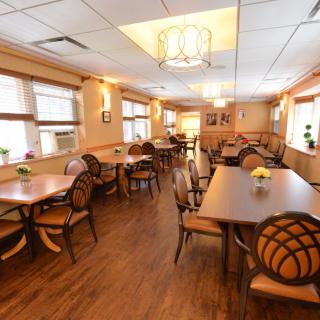
Dining comes up repeatedly, with some reviewers saying meals are decent or pretty good and describing choices through menus or substitutions. Others characterize the food more negatively, including comments that it is hospital-style or only average. The community also offers restaurant-style dining, which aligns with why many reviewers feel meals are more than just standard institutional fare.
common4 reviews mention this
Activities and daily social time
Residents mention scheduled activities and opportunities to socialize.
Several reviews point to daily programming and socialization, including organized activities and a sense that residents are not left alone all day. One reviewer specifically notes the shift from pre-COVID activities to restricted visiting and still describes ways to stay connected. The activity programming listed by the community includes planned daily schedules and resident-run or community-sponsored events.
How we summarize
Counts show how many written reviews mention each theme; a review can touch several themes, and only frequently mentioned themes are displayed.
Features
Housing
240 resident community capacity
Types of Care
Skilled Nursing Facility
Amenities
Air-conditioning
Beauty salon
Cable or satellite TV
Computer center
Dining room
Fitness room
Fully furnished
Gaming room
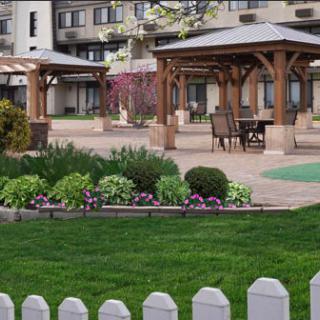
Garden
Housekeeping services
Kitchenette
Move-in coordination
Outdoor space
Private bathrooms
Restaurant-style dining
Small library
Telephone
Wellness center
Wi-Fi/high-speed internet available
Transportation
Long Island - MacArthur (8 miles away)
Community operated transportation
Transportation arrangement
Transportation arrangement (non-medical)
Transportation to doctors appointments
Care Services
12-16 hour nursing
24-hour call system
24-hour supervision
Activities of daily living assistance
Assistance with bathing
Assistance with dressing
Assistance with transfers
Diabetes diet
Meal preparation and service
Medication management
Mental wellness program
Special dietary restrictions
Dining
Diabetes diet
Special dietary restrictions
Activities
Community-sponsored activities
Concierge services
Fitness programs
Planned day trips
Resident-run activities
Scheduled daily activities
Nearby Places of Interest
Hospitals
St Catherine of Siena Medical Center (0.1 miles)
Main Lobby (6.2 miles)
Pharmacies
CVS Pharmacy (0.9 miles)
Walgreens (1.7 miles)
Kings Park Pharmacy (1.9 miles)
CVS Pharmacy (2.9 miles)
Walgreens (3 miles)
CVS Pharmacy (4.5 miles)
CVS Pharmacy (4.5 miles)
Physicians
Zwanger-Pesiri Radiology (1.6 miles)
Dr Groth Pain Management (2.1 miles)
Northwell Health Imaging at Smithtown (2.2 miles)
Branch Pediatrics (2.6 miles)
ProHEALTH East End Eye (2.7 miles)
Endocrine Associates of Long Island (3.2 miles)
Memorial Sloan Kettering Skin Cancer Center (3.4 miles)
Dogs can greatly improve the lives of older adults by offering emotional support and encouraging physical activity, with factors such as size, temperament, and grooming needs being crucial in selecting a suitable breed. Senior dogs often make ideal companions for this demographic, promoting social connections and requiring care routines that align with seniors' capabilities.
The guide on blood pressure charts for older adults stresses the importance of understanding normal and high blood pressure readings influenced by age, genetics, and lifestyle, while emphasizing regular monitoring and lifestyle modifications to prevent serious health issues. It provides insights into blood pressure categories, dietary recommendations, medication considerations, and the role of caregivers in supporting healthy habits.
The article explores the complexities of using Social Security to finance long-term nursing home care in the U.S., detailing eligibility requirements and misconceptions, while emphasizing that these benefits often do not cover full costs and highlighting the need for strategic financial planning and professional guidance.
Get PricingAsk A QuestionSchedule A TourContact Senior Advisor
By clicking submit, you agree to our Partner's Terms of Use. You
also consent to receive calls and texts, which may be autodialed, from our Partner. Your consent is not a condition to
using our Partner's service. Please visit our Partner's Privacy Policy for information about their privacy practices.

 240 resident community capacity
 Skilled Nursing Facility
 Air-conditioning
 Beauty salon
 Cable or satellite TV
 Computer center
 Dining room
 Fitness room
 Fully furnished
 Gaming room
 Garden
 Housekeeping services
 Kitchenette
 Move-in coordination
 Outdoor space
 Private bathrooms
 Restaurant-style dining
 Small library
 Telephone
 Wellness center
 Wi-Fi/high-speed internet available
 Long Island - MacArthur (8 miles away)
 Community operated transportation
 12-16 hour nursing
 24-hour call system
 Activities of daily living assistance
 Assistance with bathing
 Assistance with dressing
 Assistance with transfers
 Diabetes diet
 Medication management
 Mental wellness program
 Special dietary restrictions
 Concierge services
 Planned day trips
 Professional, caring staff in a clean, well-maintained, amenity-rich environment with engaging activities.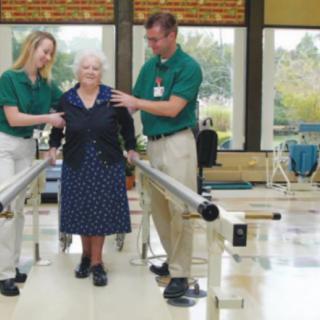

 Top Canine Companions for Older Adults
 Comprehensive Guide to Blood Pressure Charts for Older Adults: Understanding Normal and High Readings by Age
 Financing Long-Term Nursing Home Care Through Social Security: A Thorough Exploration