For more information about senior living options: (866) 208-4318
4.3 from 132 reviews
5 stars
92
4 stars
20
3 stars
2
2 stars
1
1 stars
17
Overall Review of Highland Care Center
common22 reviews mention this
Staff kindness comes up often
Residents and families frequently describe the staff as kind, welcoming, and attentive.
Across the reviews, people repeatedly describe staff who take time to listen, answer questions, and respond quickly when help is needed. Visitors and family members mention feeling supported and informed, including involvement in care planning. Several reviews also highlight specific examples of staff checking on residents, helping with outings, and treating residents with dignity.
common16 reviews mention this
Cleanliness and a secure feel
Many reviews mention the facility staying clean and feeling safe.
Many residents and visitors describe the building as very clean, well kept, and organized, with fresh-smelling halls and clean rooms. Security is also mentioned in a positive way, with some reviewers describing screening and check-in processes that made them feel more comfortable. A smaller number of reviews note concerns about cleanliness and room conditions, including an odor and maintenance-looking issues.
differentiator8 reviews mention this
Rehab therapy is a key strength
Rehab and therapy are repeatedly described as helpful and well organized.
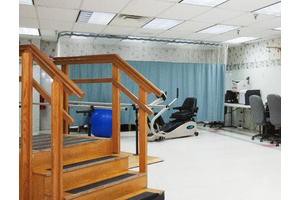
Reviews that discuss rehabilitation often mention daily PT and OT, therapists who monitor progress, and staff that help residents work toward mobility goals. Several people describe noticeable improvement over the first weeks, including getting back to walking and daily tasks. A few reviews raise concerns about medical attention and wound-related care, but the dominant rehab narrative is that therapy is active and supportive.
common4 reviews mention this
Activities help fill the days
Residents and visitors point to daily activities and planned entertainment.
Multiple reviews mention an active schedule, including bingo and music-related events, plus arts and crafts. Some reviewers describe recreational options like karaoke, movies, and time outside, and they say their loved one seems engaged. Others note that activities were available even if they personally did not attend during a visit.
caveat6 reviews mention this
Care concerns include wound and communication
A minority of reviews describe serious breakdowns in care and follow-through.
Several low-rating reviews mention problems such as lack of adequate medical attention, inadequate wound care, or not acting promptly when something seemed urgent. Others describe communication breakdowns, including difficulty reaching staff and concerns about follow-up. There are also complaints about meal quality and feeding support, which adds to the overall concern for a subset of families.
How we summarize
Counts show how many written reviews mention each theme; a review can touch several themes, and only frequently mentioned themes are displayed.
Features
Housing
320 resident community capacity
Types of Care
Skilled Nursing Facility
Amenities
Air-conditioning
Beauty salon
Cable or satellite TV
Computer center
Dining room
Fitness room
Fully furnished
Gaming room
Garden
Housekeeping services
Kitchenette
Move-in coordination
Outdoor space
Private bathrooms
Restaurant-style dining
Small library
Telephone
Wellness center
Wi-Fi/high-speed internet available
Transportation
John F Kennedy International (5 miles away)
LaGuardia (7 miles away)
Newark International (20 miles away)
Community operated transportation
Transportation arrangement
Transportation arrangement (non-medical)
Transportation to doctors appointments
Care Services
12-16 hour nursing
24-hour call system
24-hour supervision
Activities of daily living assistance
Assistance with bathing
Assistance with dressing
Assistance with transfers
Diabetes diet
Meal preparation and service
Medication management
Mental wellness program
Special dietary restrictions
Dining
Diabetes diet
Special dietary restrictions
Activities
Community-sponsored activities
Concierge services
Fitness programs
Planned day trips
Resident-run activities
Scheduled daily activities
Nearby Places of Interest
Transportation
MTA - Sutphin Boulevard Subway Station (1.3 miles)
LIRR - Jay / Hall Tower (1.3 miles)
LIRR - Jamaica Station (1.4 miles)
MTA Subway - Briarwood (1.8 miles)
Forest Hills – 71st Avenue (3.2 miles)
Avis Rent A Car (3.5 miles)
JFK AirTrain - Federal Circle Station (3.5 miles)
Parks
Cunningham Park (1.8 miles)
Alley Pond Park (2.9 miles)
Forest Park (3.2 miles)
Flushing Meadows Corona Park (4.1 miles)
Allenwood Park (6.8 miles)
Pharmacies
Walgreens (1.9 miles)
CVS Pharmacy (2.2 miles)
Walgreens (2.8 miles)
CVS Pharmacy (3.1 miles)
CVS Pharmacy (3.2 miles)
CVS Pharmacy (3.6 miles)
CVS Pharmacy (3.8 miles)
Theaters
AMC Fresh Meadows 7 (2.2 miles)
Restaurants
White Castle (2.4 miles)
Taco Bell (3.4 miles)
McDonald's (3.4 miles)
Burger King (3.9 miles)
Bobby Van's Steakhouse (4.2 miles)
Air France Lounge (4.5 miles)
Places of Worship
St Luke's Episcopal Church (3.1 miles)
Congregation Sons of Israel (6.6 miles)
Hospitals
Division of Vascular/Interventional Radiology at Long Island Jewish Medical Center (5.1 miles)
Cafes
Starbucks (6 miles)
Starbucks (6.3 miles)
Starbucks (6.4 miles)
Physicians
2 Pro Health Plaza (6 miles)
Orlin & Cohen Orthopedic Group (6.7 miles)
North Shore Gastroenterology Associates PC (7.1 miles)
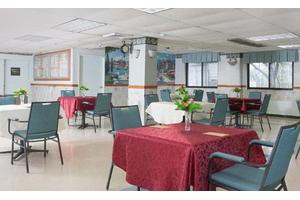
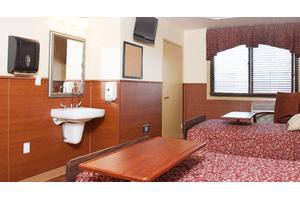
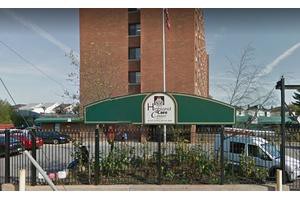
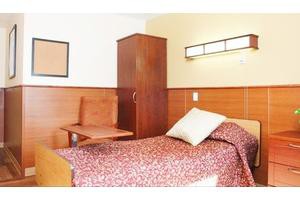
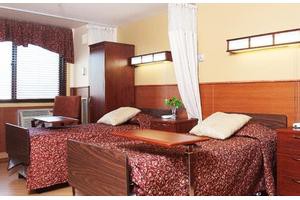
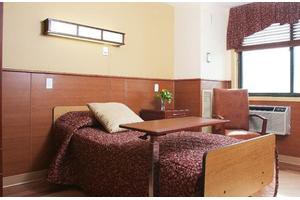
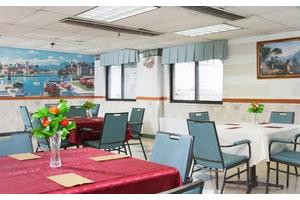
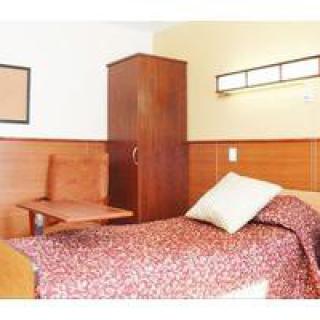
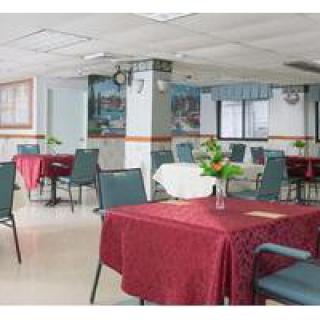
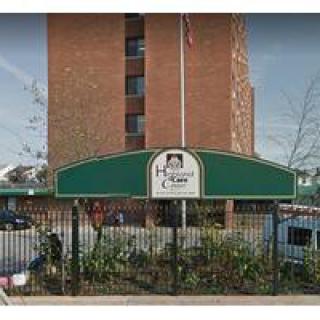
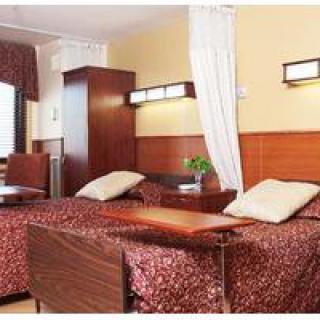
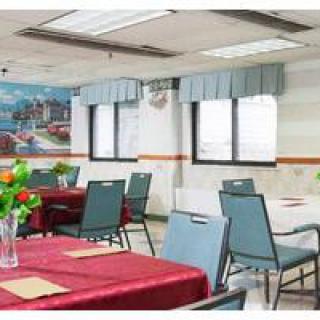
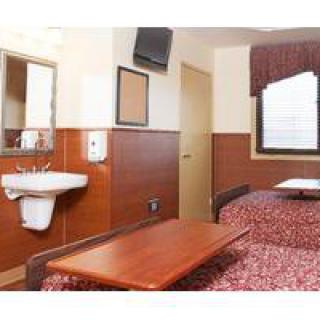
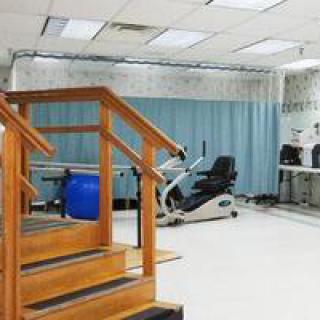
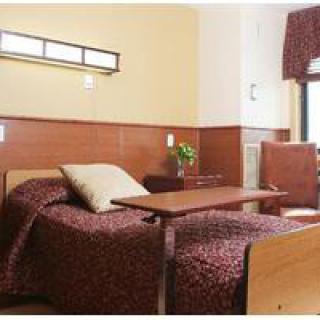
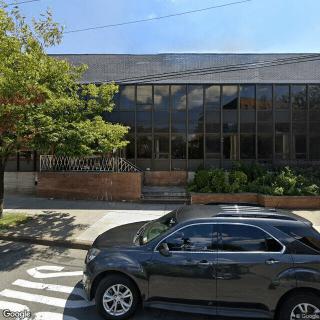
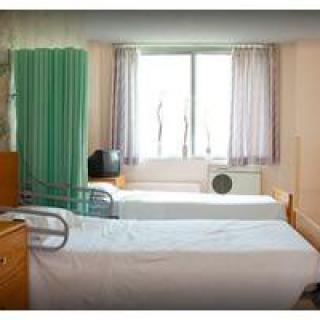
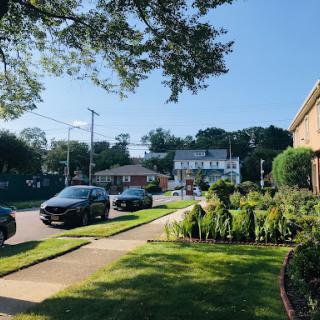
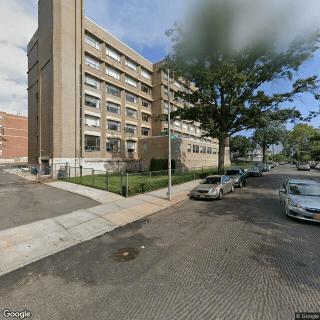
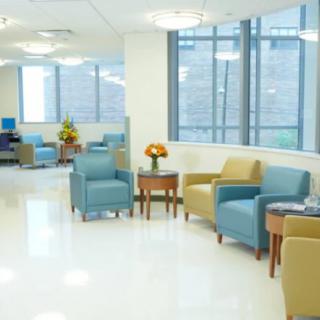
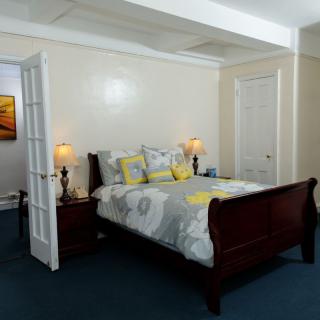
Highland Care Center on seniors.fyi includes 8 photos including images showing interior, bedroom, healthcare, dining, rehabilitation, exercise equipment, windows, decor, and more.
Nearby Communities
Gentle Hands Home Care LLC
Jamaica, NY
4.8 from 16 reviews
Strong location-based perks: nearby parks, pharmacies, restaurants, transit options, places of worship, and cultural venues.
Hillside Manor Rehab & Extended Care Center
Jamaica Est, NY
4.6 from 120 reviews
Comprehensive care with 24/7 supervision and on-site amenities.
Personal-Touch Home Care Inc
Jamaica, NY
4.2 from 13 reviews
Two caregivers provided exceptional, attentive care.
Hillside Manor
Hollis, NY
3.3 from 9 reviews
Friendly staff and active resident engagement.
Holliswood Center For Rehabilitation And Healthcare
Hollis, NY
4.5 from 105 reviews
Well-kept facility with engaging activities and friendly staff.
Hollis Park Manor Nursing Home
Hollis, NY
3.6 from 46 reviews
$5,500 / month
Extensive amenities with 24/7 supervision.
Margaret Tietz Nursing Home
Jamaica, NY
4.2 from 115 reviews
Caring nurses and effective rehabilitation with engaging activities.
Jamaica Hospital Nursing Home
Jamaica, NY
3.8 from 103 reviews
Clean, well-maintained facility with caring nurses and therapists, good food, and daily activities.
New Homestead Home For Adults
Kew Gardens, NY
3.9 from 95 reviews
$3,300 to $5,500 / month
Caring staff and compassionate care; engaging activities; competitive pricing for semi-private and studio options.
The Sandwich Generation comprises adults managing the dual responsibilities of caring for aging parents and raising children, leading to significant emotional, logistical, and financial challenges. This situation is exacerbated by longer life expectancies and cultural expectations, necessitating effective coping strategies and support resources to alleviate caregiver stress and burnout.
The article highlights eight essential assistive devices that improve the independence and safety of older adults, addressing issues related to mobility, balance, vision, hearing, and dexterity. It emphasizes the importance of proper selection guided by healthcare professionals to enhance seniors' quality of life while allowing them to age in place.
The article offers detailed guidance on the financial complexities of nursing home care, covering costs, payment methods, and alternative funding strategies while emphasizing the importance of proactive planning and legal considerations for individuals and families making care decisions.
Get PricingAsk A QuestionSchedule A TourContact Senior Advisor
By clicking submit, you agree to our Partner's Terms of Use. You
also consent to receive calls and texts, which may be autodialed, from our Partner. Your consent is not a condition to
using our Partner's service. Please visit our Partner's Privacy Policy for information about their privacy practices.

 320 resident community capacity
 Skilled Nursing Facility
 Air-conditioning
 Beauty salon
 Cable or satellite TV
 Computer center
 Dining room
 Fitness room
 Fully furnished
 Gaming room
 Garden
 Housekeeping services
 Kitchenette
 Move-in coordination
 Outdoor space
 Private bathrooms
 Restaurant-style dining
 Small library
 Telephone
 Wellness center
 Wi-Fi/high-speed internet available
 John F Kennedy International (5 miles away)
 Community operated transportation
 12-16 hour nursing
 24-hour call system
 Activities of daily living assistance
 Assistance with bathing
 Assistance with dressing
 Assistance with transfers
 Diabetes diet
 Medication management
 Mental wellness program
 Special dietary restrictions
 Concierge services
 Planned day trips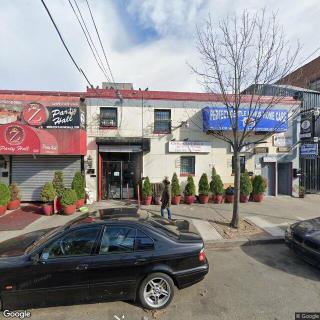
 Strong location-based perks: nearby parks, pharmacies, restaurants, transit options, places of worship, and cultural venues.
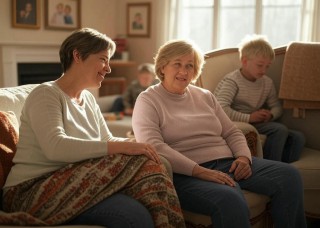 Understanding the Sandwich Generation: Stress and Responsibilities for Multigenerational Caregivers
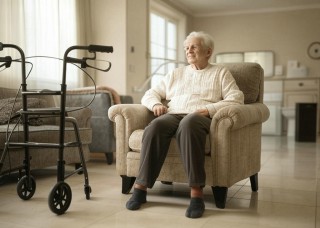 8 Essential Assistive Devices for Older Adults
 Navigating the Financial Road to Nursing Home Care: In-Depth Guidance and Resources