





One Wingate Way, Highland, NY 12528
For more information about senior living options: (866) 208-4318
Overall Review of Wingate Of Ulster
Pros
 The staff were attentive, caring, and compassionate in their care.
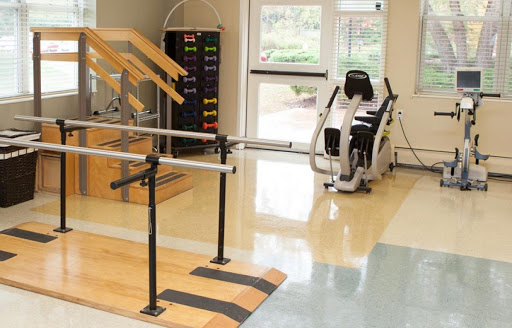
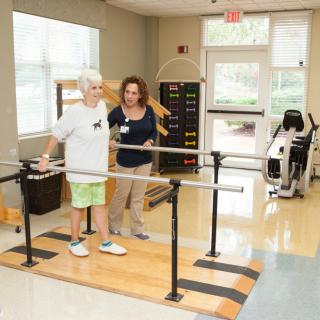
- They helped him regain speech and supported daily physical therapy, helping him move better.
- The nurses and therapists at Lutheran were outstanding and caring.
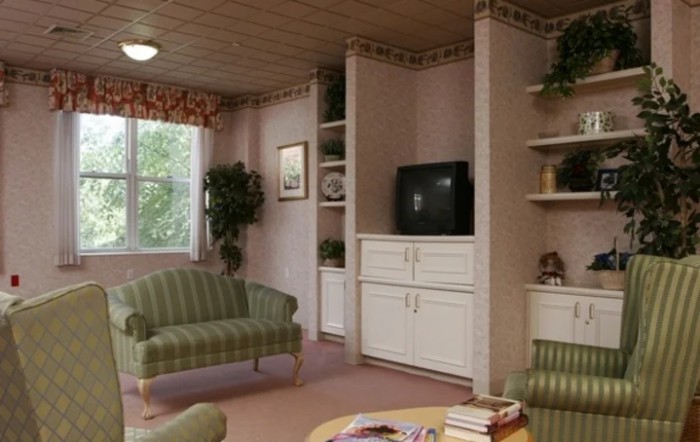
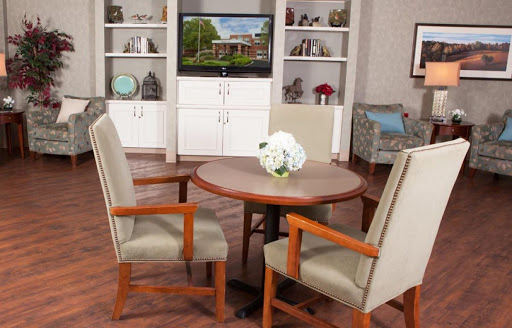
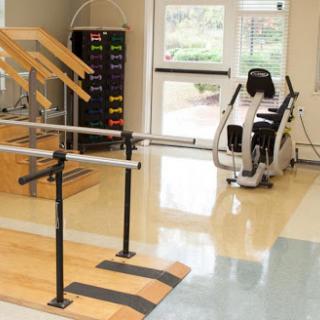
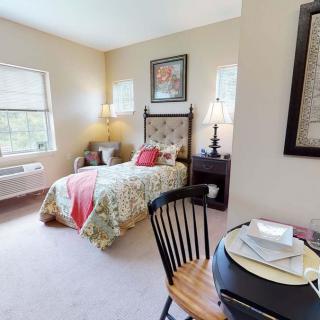
- The entire facility is clean, bright, and welcoming.
- Some staff went above and beyond in addressing residents' needs.
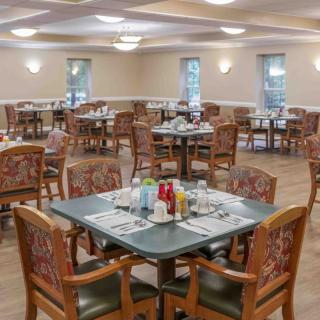
- The meals were very good during the stay.
- The staff were very nice and created a pleasant environment.
Cons
 The staff didn’t care for him, leaving him disheveled and unable to speak or walk.
 - The nurses were chatting at the desk instead of helping residents, showing a lack of care.
- Safety rails were not provided on beds, leading to a resident’s fall and head injury.
- The facility is described as negligent, with severe declines like weight loss, oral thrush, a dislocated hip, and a broken tooth after their stay.
- There are calls to shut the facility down permanently and warnings to avoid sending loved ones there.
- Wingate was rated poorly (two stars) compared to Lutheran, suggesting inferior care.
- One reviewer called the final month a nightmare for their uncle.
Review
Wingate of Ulster is best suited for families seeking short-term, hands-on rehabilitation in a clean, bright setting where attentive caregivers can spur tangible progress and provide daily interaction. The facility appears to shine for residents who require daily therapy and a personable staff that can stay involved in recovery. It may also serve as a reasonable fit for families who want a facility that feels welcoming on first impressions and where food and general atmosphere have been praised by some residents and relatives. Those who prioritize robust, consistent safety practices and long-term stability, however, should scrutinize Wingate closely before committing.
What makes Wingate appealing to some families are the positives that consistently surface in reviews: caring nurses, doctors, and therapists who engage with residents and push for daily improvement; a sense that staff can be compassionate and present when goals are clear; and reports of a clean, bright environment that feels welcoming. Several former residents credit attentive rehab teams with meaningful gains, and a number of family members express relief that their loved ones received personal attention during recovery. In short, for a controlled, recovery-focused stay, the strengths of Wingate’s clinical team and atmosphere can matter a great deal.
Still, the strongest concerns surrounding Wingate are hard to ignore and must weigh heavily in any decision. Multiple accounts describe neglectful or neglect-tinged episodes, with patients left in unsafe situations such as beds lacking proper rails, or staff appearing disengaged and distracted from essential caregiving tasks. There are poignant stories of decline after hospitalization, disorientation, immobility, and a need for additional hospital care, which some families attribute to inadequate supervision and delayed response. The contrast with a facility that emphasizes therapy and day-to-day progress is stark, and the fear that a resident could deteriorate before meaningful intervention is a real risk for long-term residents.
These conflicting impressions, strong rehab potential on one hand and serious safety and consistency concerns on the other, shape how the pros offset the cons. For families prioritizing immediate, protocol-driven rehabilitation and a warm, engaging staff, Wingate’s advantages can feel decisive. When the care plan is clear, therapists are proactive, and relatives can participate in daily progress, the positives can translate into real mobility gains and improved communication. Yet the negatives tend to undermine confidence for ongoing guardianship: episodic neglect, safety lapses, and reports of erratic quality across shifts create a volatile baseline that makes sustained residence risky for a resident who cannot independently advocate for himself or herself.
Given the mixed track record, prospective residents or their families should approach Wingate with a rigorous due-diligence mindset. Start with a focused tour centered on safety: are bed rails consistently in place? How quickly do staff respond to alarms or calls for help? Request current occupancy, staffing ratios, and an up-to-date review of any safety incidents. Probe the rehab program: which therapists are assigned, what goals are documented, and how progress is measured and communicated to family members? Inquire about physician coverage, costs, and what is and isn’t in-network to avoid surprise charges. Above all, speak with current residents and their families about daily experiences, responsiveness, and whether care plans are followed consistently.
In the end, Wingate of Ulster presents a pragmatic, mixed option. It can deliver meaningful rehab benefits and a caring, clean environment that families can feel comfortable about, when the care team is aligned, responsive, and stable. However, the persistent reports of neglect-like behavior, safety lapses, and inconsistent quality create a caution flag for long-term placement or for residents who depend on relentless, high-level supervision. Alternatives, such as Lutheran Nursing Home in nearby LaGrange, where some families report stronger clinical outcomes after transitions, or other well-established facilities with demonstrated consistency, should be seriously considered if safety and steady, predictable care are non-negotiable. Wingate may fit the right short-term, recovery-focused scenario, but without careful due diligence and ongoing oversight, the risk of a negative trajectory is simply too high for anyone needing reliable, long-term support.
 120 resident community capacity
 Skilled Nursing Facility
 Air-conditioning
 Beauty salon
 Cable or satellite TV
 Computer center
 Dining room
 Fitness room
 Fully furnished
 Gaming room
 Garden
 Housekeeping services
 Kitchenette
 Move-in coordination
 Outdoor space
 Private bathrooms
 Restaurant-style dining
 Small library
 Telephone
 Wellness center
 Wi-Fi/high-speed internet available
 Stewart (15 miles away)
 Community operated transportation
 12-16 hour nursing
 24-hour call system
 Activities of daily living assistance
 Assistance with bathing
 Assistance with dressing
 Assistance with transfers
 Diabetes diet
 Medication management
 Mental wellness program
 Special dietary restrictions
 Concierge services
 Planned day trips




 Financing Long-Term Nursing Home Care Through Social Security: A Thorough Exploration
 Essential Knowledge on Pneumonia in Older Adults
 Exploring Palliative Care in the Home: A Comprehensive Overview