


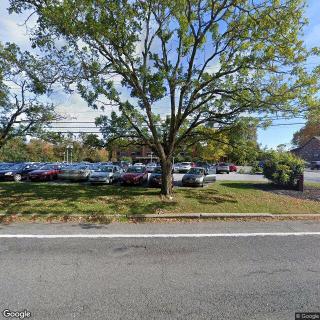
1 Windgate Way, Highland, NY 12528
To contact a resident: (845) 691-2858
For more information about senior living options: (866) 208-4318
Overall Review of Wingate At Ulster
Pros
 The staff cared deeply and took good care of the residents.
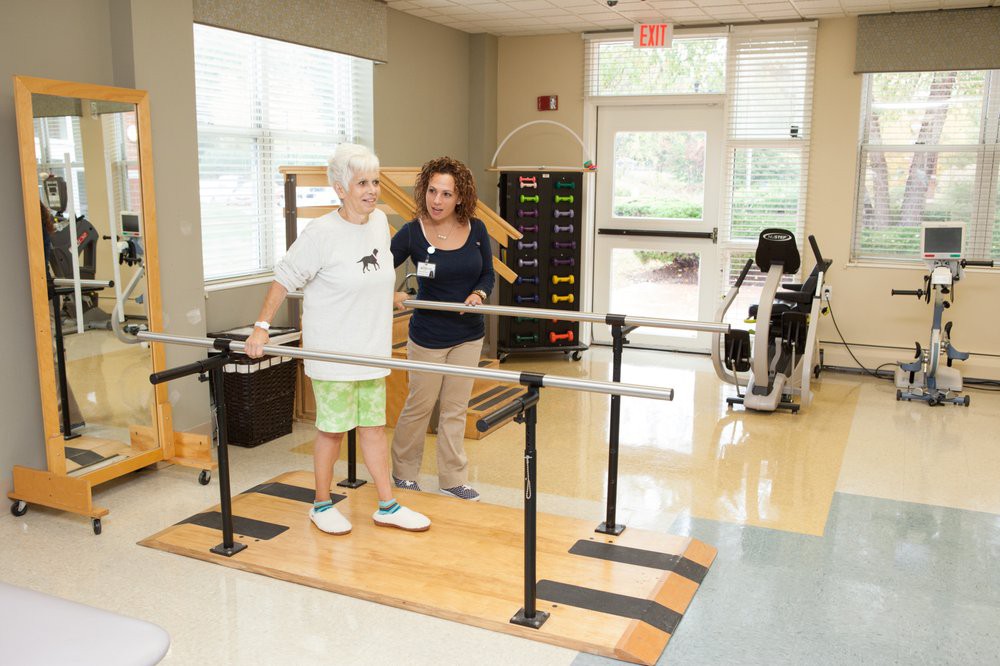
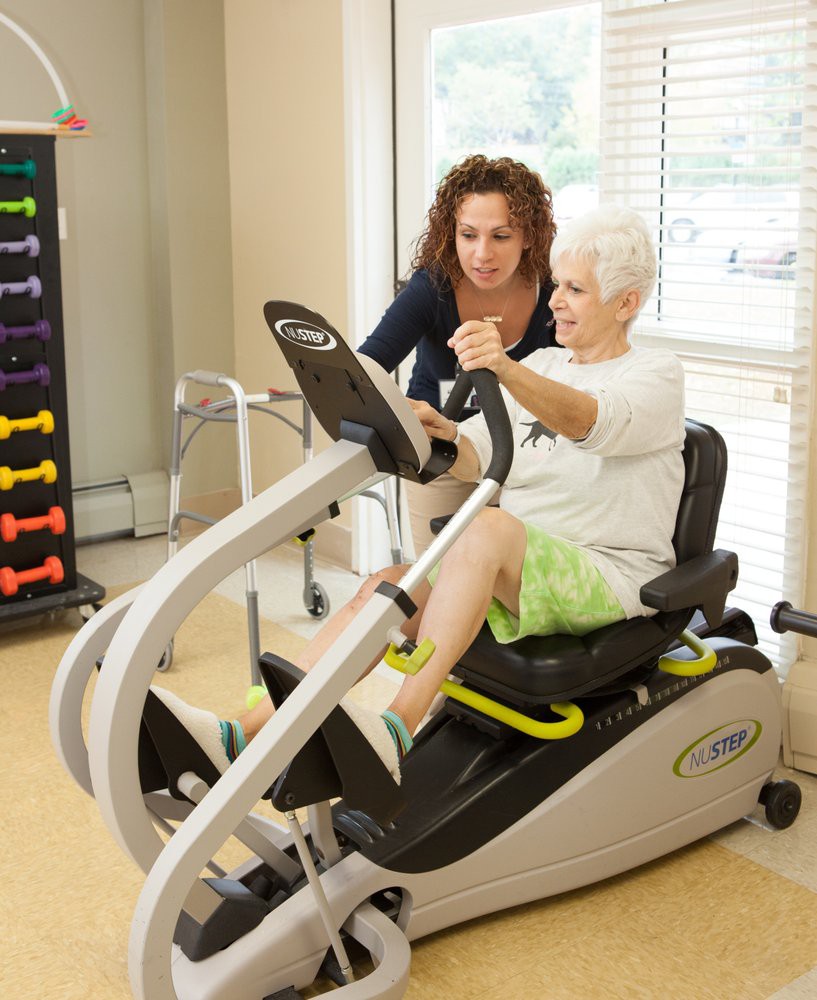
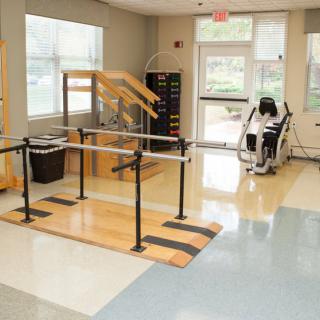
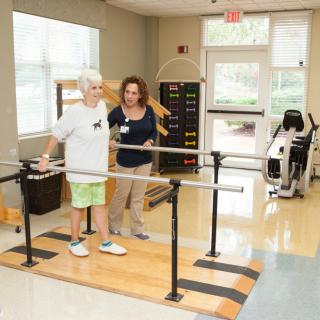
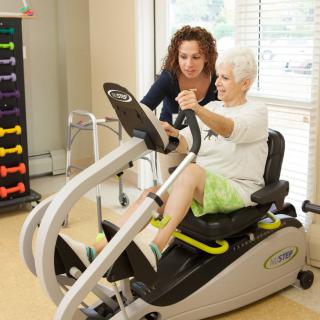
- They helped the resident regain speech and improve mobility through daily physical therapy.
- The nurses, doctors, and therapists are outstanding, attentive, and compassionate.
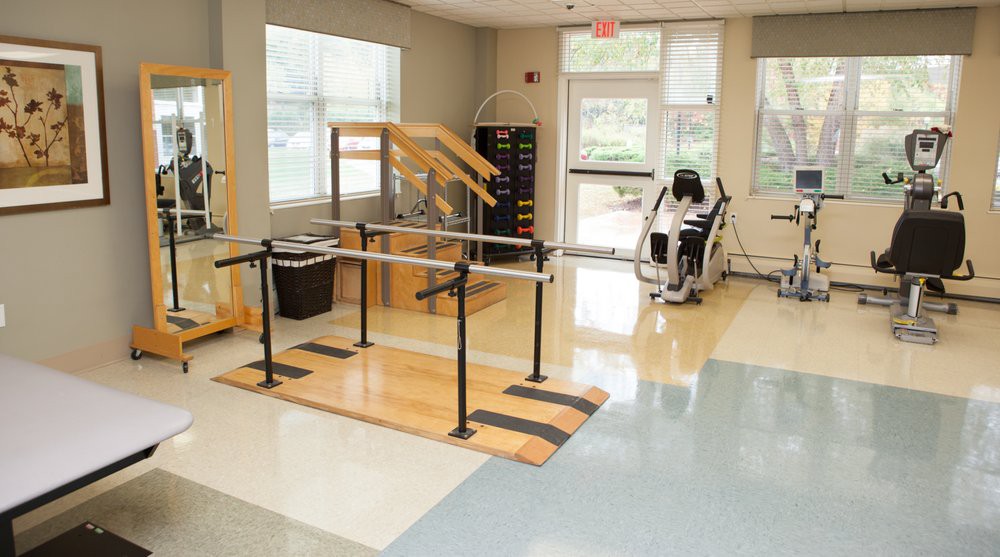
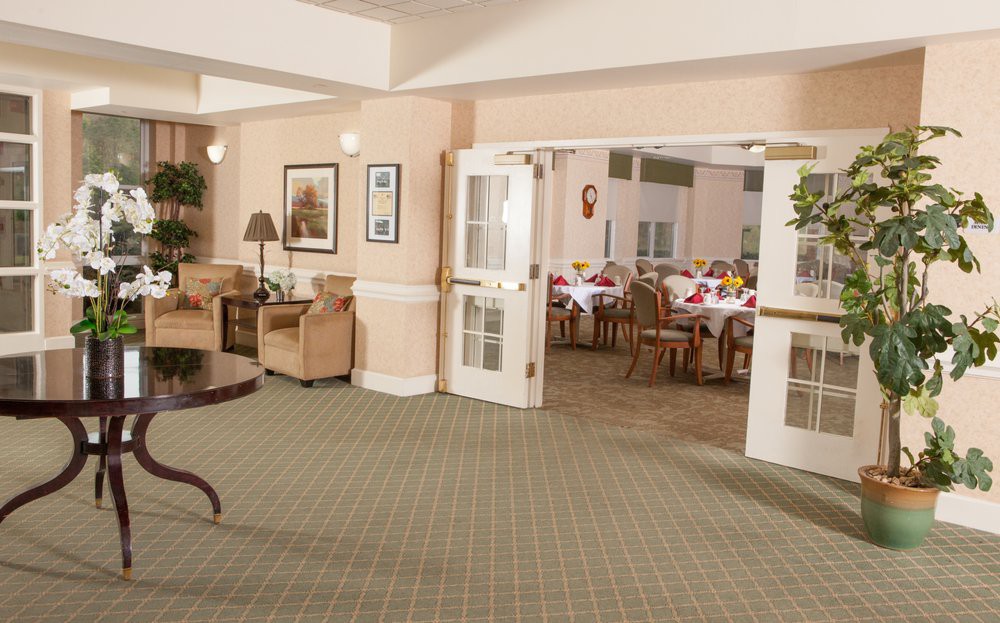
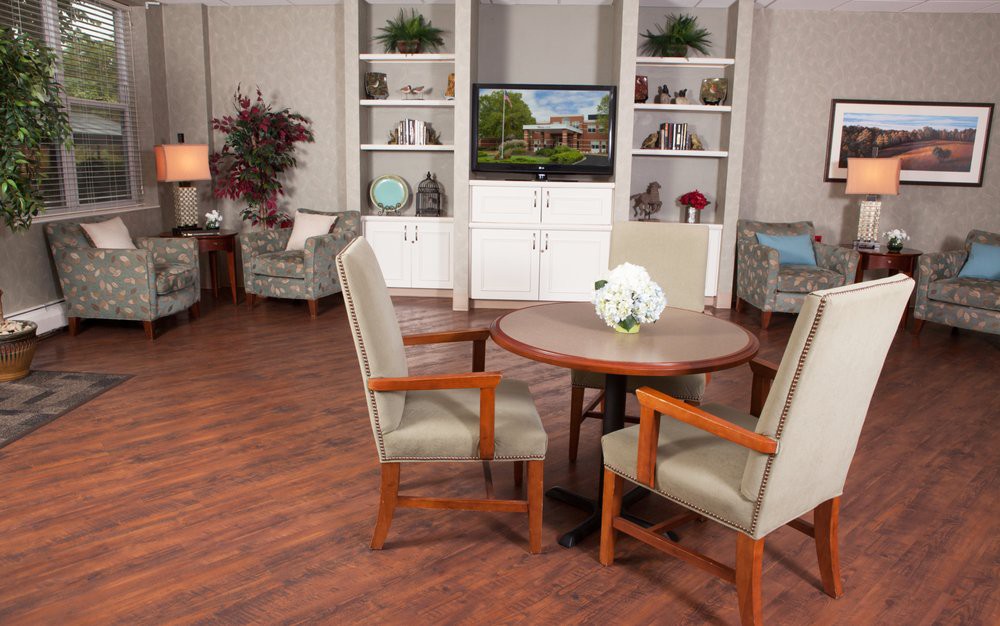
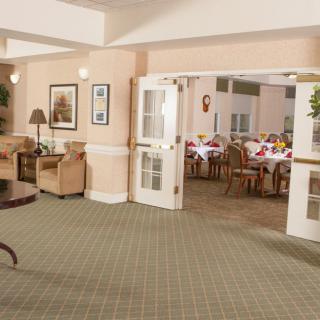
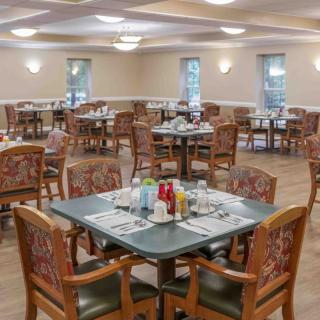
- The facility is clean, bright, and welcoming.
- The food was very good.
- Some staff went above and beyond in addressing the resident's needs.
Cons
 The staff didn’t give a crap about him; they didn’t care, didn’t help, and didn’t socialize with residents.
- They didn’t install safety rails on the beds, which led to a fall and a head injury.
- The facility showed total and complete negligence.
- The uncle suffered a dislocated hip, a broken front tooth, oral thrush, 30-pound weight loss, and became unable to walk or communicate verbally.
- They should shut this facility down permanently and go anywhere else but here.
- A reviewer warned, Beware! Do not send your loved ones here; one should not go there.
- The care caused bed sores and multiple ER visits, with high doctor charges and worse outcomes after discharge.
Review
Wingate At Ulster in Highland, NY is best suited for seniors who want a clean, bright rehab-oriented environment and for families prepared to stay deeply involved to monitor care. When operating at its best, the community can feel welcoming, with attentive nurses and therapists who engage residents and a dining experience that many describe as good. For those pursuing a relatively short, goal-focused stay to regain mobility or speech, Wingate can be a workable option provided oversight remains solid. The caveat is that care quality appears to swing with staffing levels and day-to-day supervision, so results can vary dramatically from stay to stay.
Those who should consider alternatives are primarily residents with higher, ongoing medical needs or a history of inconsistent care. Several accounts describe neglect or indifference, bed safety lapses, and slow responses to concerns, including residents left unattended or inadequately supported after falls. There are alarming reports of weight loss, infections, and significant health declines that followed stays at the facility, along with multiple complaints about billing practices and limited in-network physician access. For families seeking steady, predictable nursing care and transparent, fair billing, other options may offer greater peace of mind and fewer procedural uncertainties.
The pros in favor of Wingate, clean surroundings, compassionate and engaged staff, and positive rehab outcomes when treatment teams are attentive, do not fully neutralize the most serious drawbacks. When care teams are engaged and consistently present, residents have shown meaningful progress and families have expressed gratitude for responsive therapists and supportive nurses. Yet the persistent, well-documented concerns about safety lapses, inconsistent staffing, and negligent moments are not easily offset by a few bright anecdotes. The contrast between strong individual stories and extreme, negative experiences creates a real risk: families may see improvement in some residents while others suffer lasting harm.
Families evaluating Wingate should demand concrete safeguards before admission. A written, goal-driven care plan with daily progress notes and a dedicated case manager is essential. Tours should scrutinize bed safety measures, mobility aids, and the availability of therapy services, while conversations with current residents and families can surface how quickly concerns are addressed and how consistently staff respond. Clear, upfront answers about billing practices, in-network physicians, and anticipated out-of-pocket costs are critical. If choosing Wingate, insist on explicit safety checks, regular family updates, and a commitment to escalate concerns promptly; be prepared to seek alternatives if standards slip.
In practice, Wingate At Ulster serves a narrow niche: it can deliver solid rehab and a welcoming environment for families who will remain actively involved and vigilant. For residents who require constant medical oversight, have a history of safety incidents, or face ongoing billing disputes, the facility presents appreciable risk and may fail to deliver the dependable care sought. The clearest guidance is to compare Wingate directly with alternatives that emphasize steady nursing coverage and transparent operations. If a decision is made to proceed, couple admission with rigorous oversight, explicit safety guarantees, and a clear exit plan should care quality deteriorate. That disciplined approach helps ensure the strongest possible outcome within a facility whose strengths hinge on consistent, high-touch staffing.
 Skilled Nursing Facility
 Activities on-site
 Devotional services off-site
 Indoor common areas
 Stewart (14 miles away)
 Ambulatory care
 Diabetic care
 High acuity care
 Meals provided





 Comprehensive Insights into Palliative Home Care: What It Is and What to Expect
 Skilled Nursing Facilities vs. Nursing Homes: Making Sense of the Differences
 A Detailed Examination of Nursing Home Costs Across the U.S.