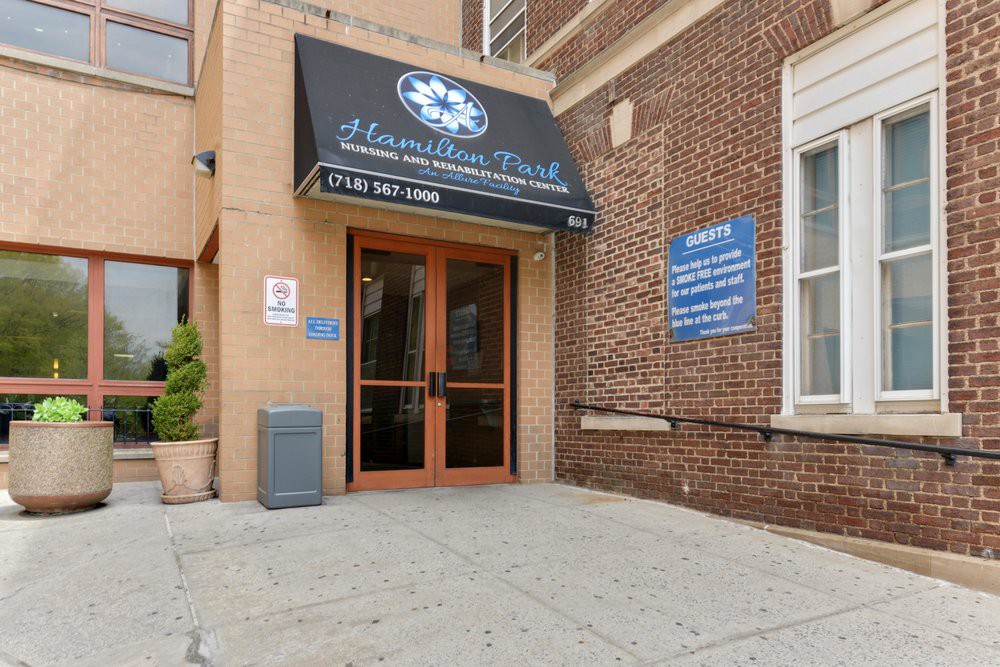






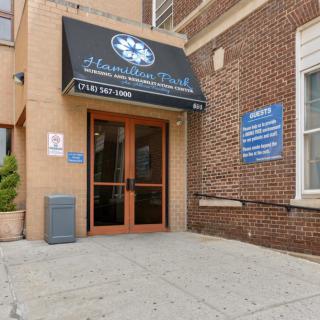





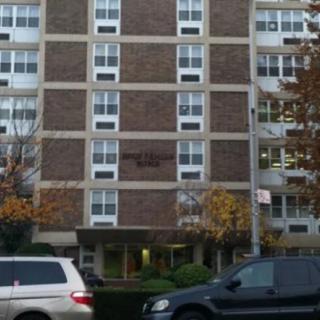
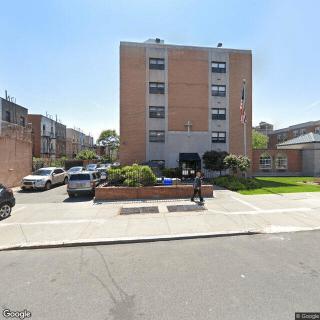
691 92Nd Street, Brooklyn, NY 11228
For more information about senior living options: (866) 208-4318
Overall Review of Hamilton Park Nursing And Rehabilitation Center
Pros
 The facility is a good rehab facility.
- They seem to have sufficient staff.
- They are caring and attentive.
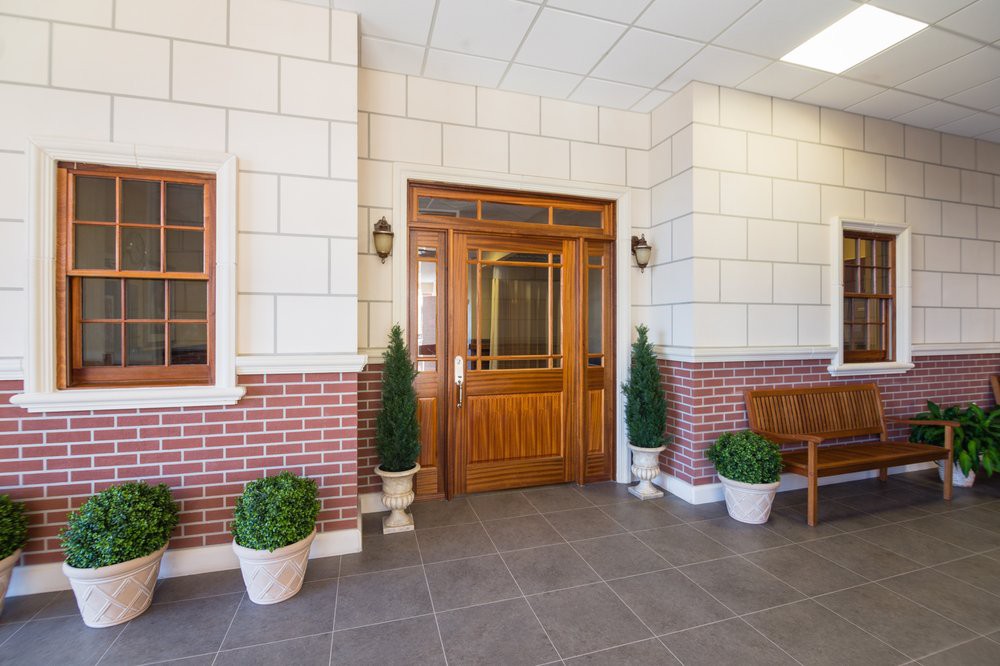
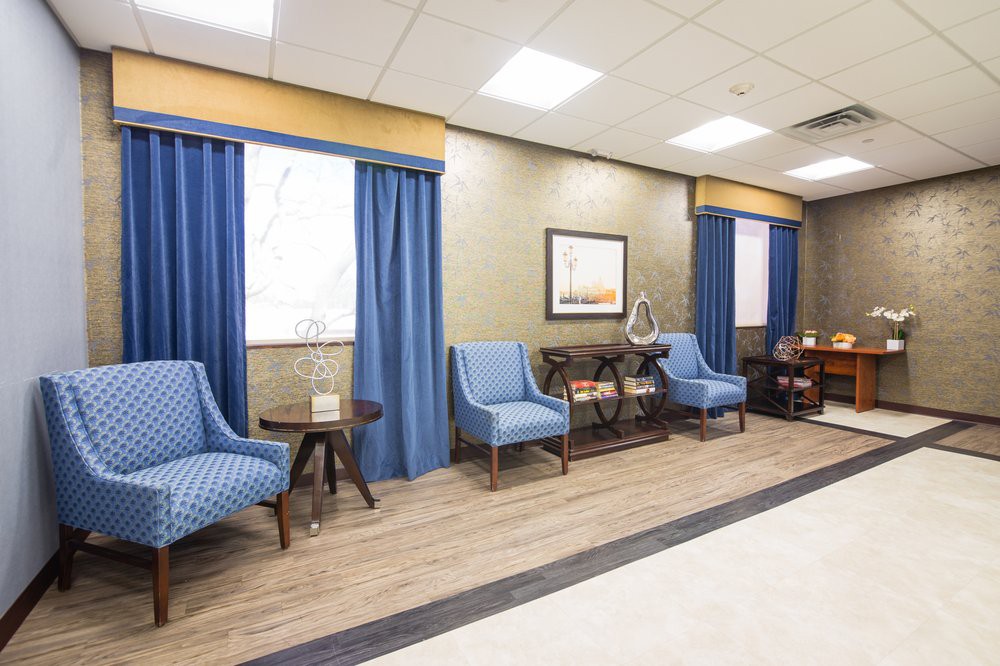
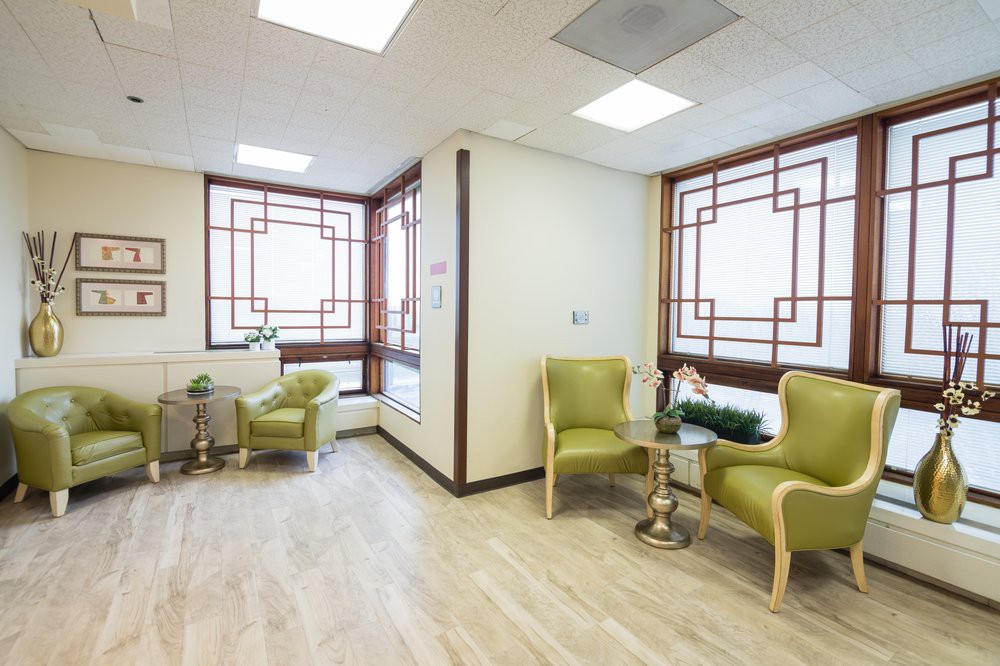
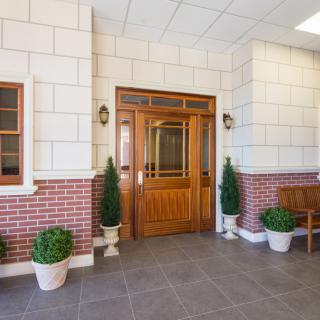
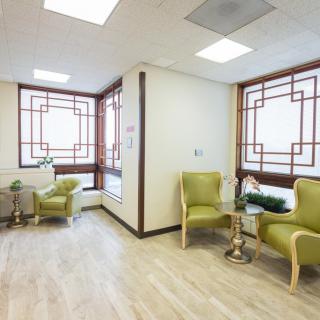
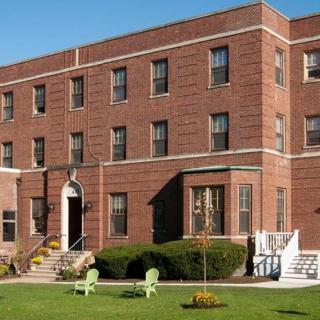
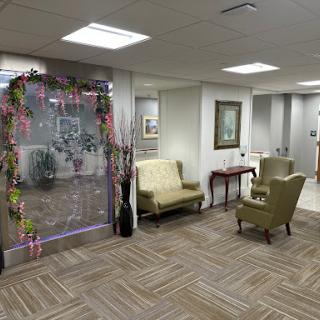
- The environment is clean and well maintained.
- There is ample space to roam or assist residents in wheelchairs.
- The amenities are nice and daily programs are offered.
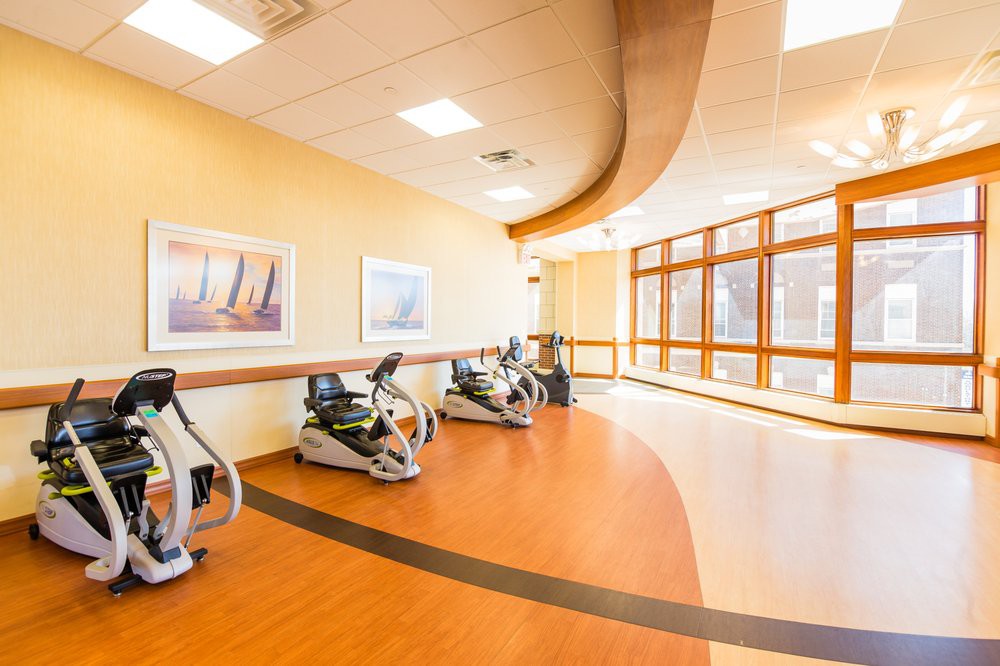
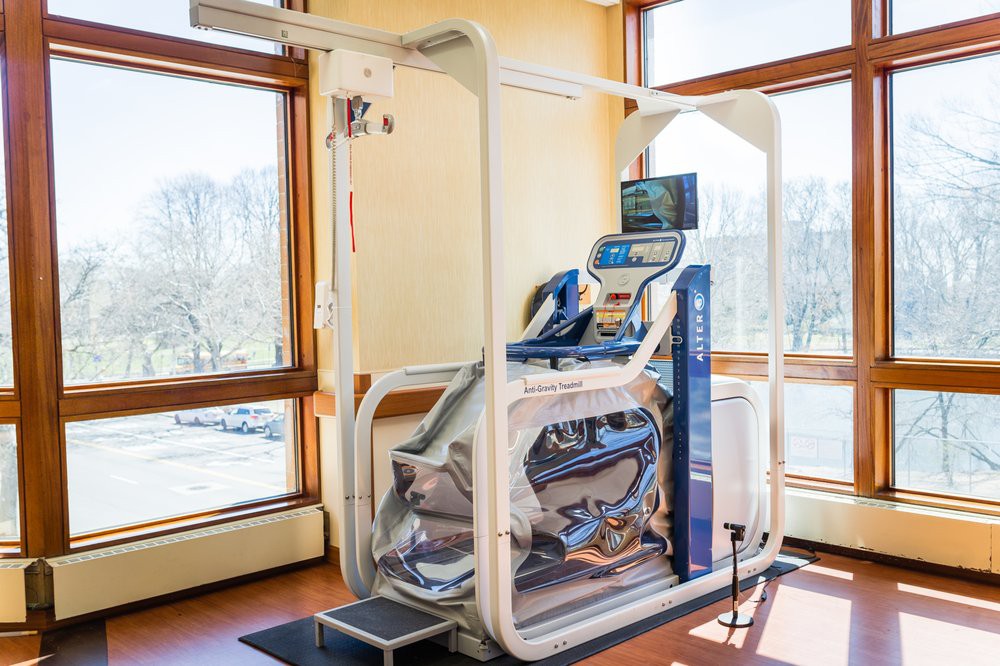
- The physical therapy is excellent, with fantastic therapists and great equipment.
- The rooms are accommodating, with residents having access to a TV.
- The dining areas and bathrooms are clean.
Cons
 The facility should be closed down.
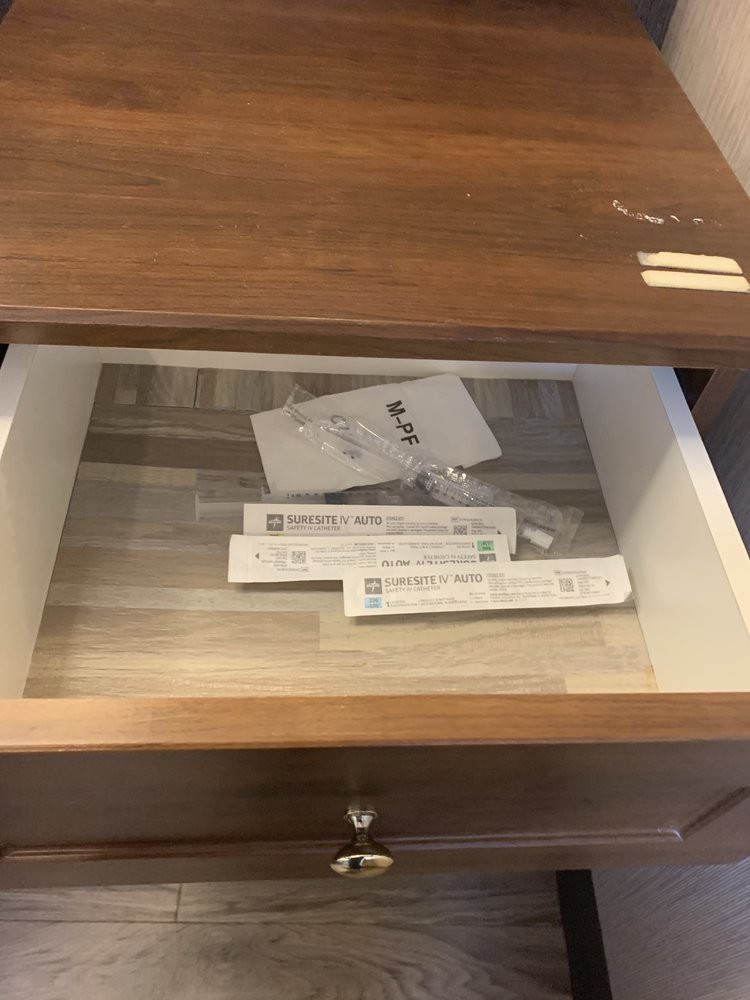
- There was no medical help whatsoever.
- The aides were very rude and seemed to work only to make money, not to care for residents.
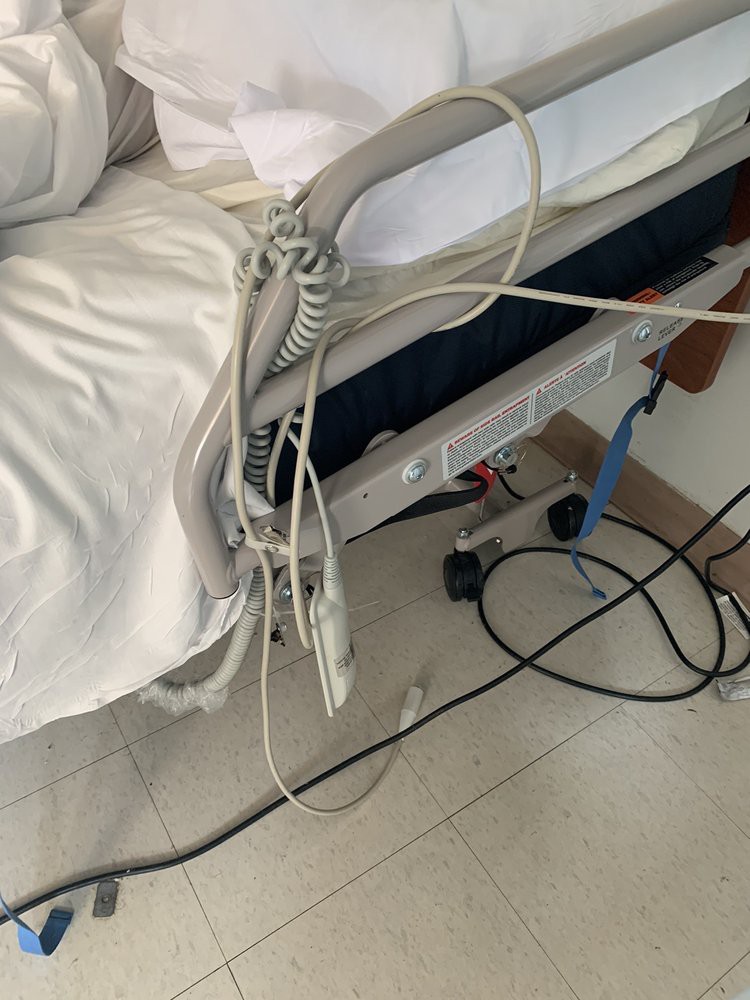
- The care provided was sub-par at best and downright horrible at worst.
- The staff had little compassion for the dying and no empathy for the family.
- Hospice patients should not be in rooms with rehab patients, and staff dealing with hospice patients should be specially trained in end-of-life care.
- The facility prevented family visits during the loved one’s final days and claimed visitation rules barred visits.
- They remodeled Hamilton Park but sacrificed good care for a nicer-looking building.
- The facility should not be recommended to anyone.
Review
Hamilton Park Nursing and Rehabilitation Center in Brooklyn is best suited for seniors stepping out of hospital care who need focused rehabilitation and for families that prize a clean, organized environment with a structured activity calendar. The strongest draw is the rehab program: skilled physical therapists, a well-equipped therapy space, and a routine that keeps residents moving. Two-to-a-room accommodations and generally tidy common areas add practicality for short stays, and Medicare coverage makes the financials straightforward for rehab cases. Yet this facility is not a default choice for ongoing medical oversight or end-of-life care. Families prioritizing continuous physician presence or compassionate hospice support should consider alternatives.
Those with complex medical needs should proceed cautiously. Several reviews point to gaps in medical responsiveness and oversight, including reports of doctors visiting infrequently and caregivers who appear disengaged during medical crises. For residents with diabetes, wound issues, or post-stroke needs, the quality of clinical attention matters as much as therapy intensity. The hospice experience, when involved, also carries caveats about staffing empathy and end-of-life support. In short, for anyone requiring steady, compassionate clinical management and sensitive family contact in life’s final chapters, alternatives may be the safer path.
On the positive side, cleanliness and daily care routines stand out. Several accounts describe spotless rooms, pleasant dining areas, and attentive help with feeding, suggesting a facility that executes basic daily living tasks well. The physical therapy program receives consistent praise, with some residents walking again after therapy and a room that offers real therapeutic value. Activity programming is visible and scheduled, which helps maintain a sense of normalcy. These strengths render Hamilton Park a credible option for rehab-driven stays, where the primary objective is mobility, independence, and safety.
However, the negatives sober the picture. End-of-life care and the experience of loved ones have reportedly been heartbreaking, with accounts of poor bedside manner and insufficient emotional support from staff. Instances of where families were not allowed to visit or were told conflicting rules around visitation leave lasting distrust. Temperature control problems and a lack of blankets point to gaps in comfort. The most consequential concern is medical care, if physicians are infrequent, or if family advocacy becomes the only reliable check on care, a facility cannot be counted on for consistent clinical stewardship over time.
Families should verify several critical factors before committing. Request a clear schedule of physician rounds and wound-care protocols, and ask how weekend and holiday coverage is handled. Inquire about the hospice policy, room assignments for mixed-rehab and end-of-life patients, and any restrictions on family visitation. Inspect the physical environment during a tour, noting heat, cleanliness, and accessibility, and speak with therapy staff about typical progress timelines. The goal is to align the facility’s strengths in rehab and cleanliness with a transparent plan for medical oversight and compassionate support when needed.
The verdict is nuanced. Hamilton Park can be a strong fit for rehab-focused residents and families who want a clean, active environment and are prepared to stay engaged in their loved one’s care. The facility’s rehabilitation prowess and tidy atmosphere are real assets that can offset lighter concerns when medical needs are moderate. Yet for residents requiring consistent medical attention, complex wound care, or dignified end-of-life support, alternatives with stronger physician presence and more empathetic staff tend to outperform. A careful on-site evaluation that probes medical oversight, caregiver culture, and comfort measures will determine whether this community serves as a practical, not merely convenient, care solution.
 200 resident community capacity
 Skilled Nursing Facility
 Air-conditioning
 Beauty salon
 Cable or satellite TV
 Computer center
 Dining room
 Fitness room
 Fully furnished
 Gaming room
 Garden
 Housekeeping services
 Kitchenette
 Move-in coordination
 Outdoor space
 Private bathrooms
 Restaurant-style dining
 Small library
 Telephone
 Wellness center
 Wi-Fi/high-speed internet available
 Newark International (9 miles away)
 Community operated transportation
 12-16 hour nursing
 24-hour call system
 Activities of daily living assistance
 Assistance with bathing
 Assistance with dressing
 Assistance with transfers
 Diabetes diet
 Medication management
 Mental wellness program
 Special dietary restrictions
 Concierge services
 Planned day trips


 Comprehensive Insights and Practical Strategies to Help Older Adults Avoid Falls
 6 Crucial Ways an Elder Law Attorney Assists Families
 Navigating the Tax Landscape of Caregiving: Credits, Deductions, and Beyond