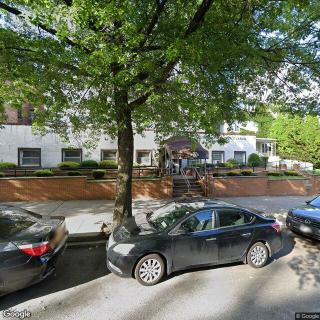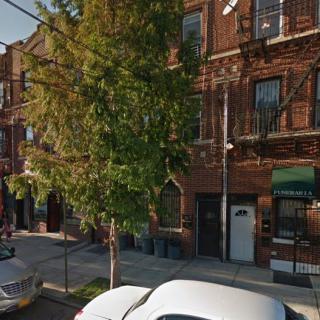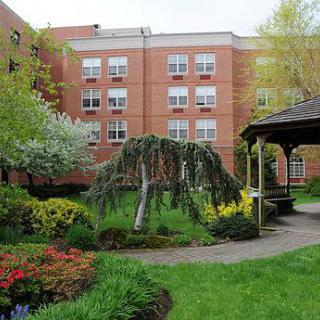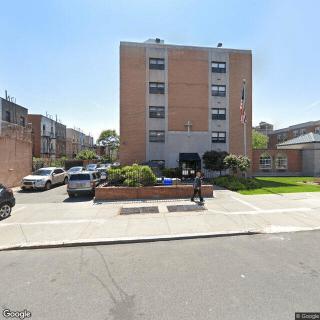
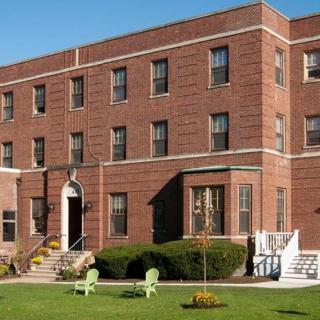
St. Nicholas Home in Brooklyn, NY

Save
St. Nicholas Home

St. Nicholas Home in Brooklyn, NY

437 Ovington Avenue, Brooklyn, NY 11209

For more information about senior living options: (844) 490-3973

3 from 13 reviews
5 stars
6
4 stars
0
3 stars
0
2 stars
2
1 stars
5

Assisted Living Respite Care

What level of care are you interested in?

Assisted Living

Memory Care

Independent Living

Skilled Nursing Facility

Continuing Care Retirement Community (CCRC)CCRC

Other


Request a tour at St. Nicholas Home

    Overall Review of St. Nicholas Home

    Pros

    • pro Administrative staff is amazing with residents and their families.
    • pro Case Management is professional and caring.
    • pro St. Nicholas Home is a nice place and highly recommendable.
    • pro The staff are kind and compassionate, and the residents are great.
    • pro The facility offers daily activities such as bingo and dancing to keep residents engaged.
    • pro Rooms are clean and provide basic necessities, with a downstairs area for socializing.
    • pro Residents can leave the facility during the day and be checked out by family members.

    Cons

    • pro The place is in bad shape and the elevator is always breaking down.
    • pro The maintenance man is not licensed, slow, and only comes in irregularly, and the main coordinator is never there.
    • pro There is not much in terms of exterior amenities, and the accommodations are of significantly lesser quality despite being cheaper.
    • pro The food is horrible, with pasta almost every other day, soup with oil, and crappy desserts; the food handlers do not wear hairnets.
    • pro Bathrooms are dirty due to incontinence and residents with dementia, and many residents sit on sofas and stain them.
    • pro This appears to be a Medicare/Medicaid fraud mill; the Department of Health fined the place for kitchen violations, and the old elevator did not pass inspection.
    • pro Some residents have gotten lost and were brought back by the police; many residents with dementia are not allowed to go out, causing fear.
    • pro Illegal fundraisers fix up the home and are paid by residents who already pay high rents, and one resident shares a room with someone who does not bathe and wears the same clothes daily.

    Review

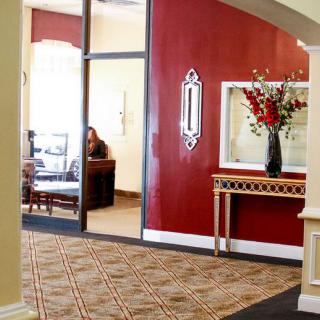
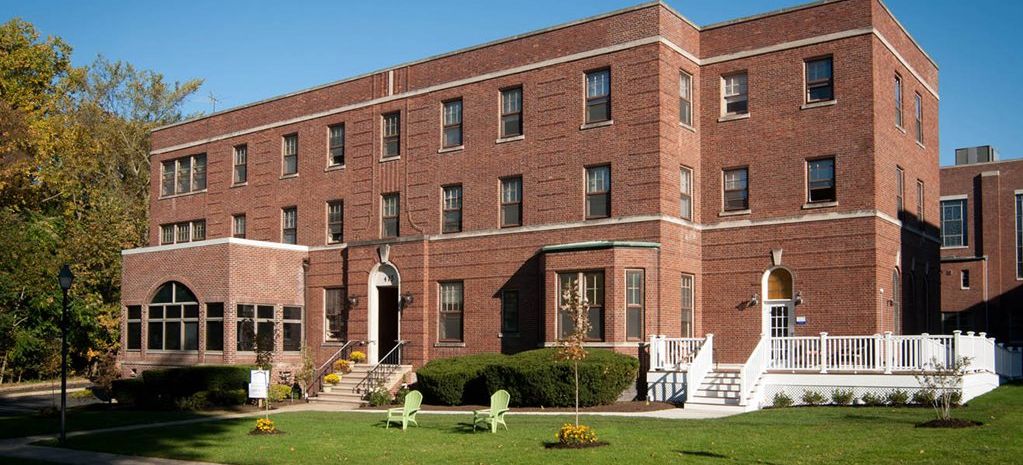
    St. Nicholas Home in Brooklyn is best suited for budget-conscious seniors who prioritize basic accommodations and a visible, resident-centered community over glossy amenities. The facility occupies a converted former apartment building, offering a straightforward footprint with modest common spaces, including a ground-floor gathering room and a small courtyard. For those who can navigate an aging infrastructure and are willing to trade modern finishes for lower costs, the environment can feel like a straightforward, family-oriented option. It appeals to individuals who still value a measure of autonomy while receiving routine meals, some supervision, and opportunities for light activities without paying premium rates.

    However, alternatives should be considered for anyone who expects consistent safety standards, pristine upkeep, and dementia-capable care. The building's age and a single elevator with frequent maintenance issues pose real mobility and safety concerns for walkers and wheelchairs. The footprint offers limited common areas and outdoor amenities, and several reviewers describe outdated interiors and odor or cleanliness problems. For families prioritizing a modern aesthetic, rigorous housekeeping, or a dementia-secure environment, other Brooklyn options with newer construction, fuller programming, and stronger clinical oversight are likely to be superior.

    Pros that recur across reviews include a lower-than-average price for the neighborhood, and staff who can display genuine warmth and competence. Administrative personnel and case management are described as professional and caring by some families, and a few residents report a family-like atmosphere during difficult times. The presence of a downstairs social space, a courtyard, and daily activities such as bingo or dancing can create meaningful routines and social connection for residents who do not require intensive medical oversight. These positives matter when budgeting and when seeking a place that feels personally connected rather than corporate.

    Contrasting that, the cons are hard to ignore. Critics describe the building as dreary and in need of renovation, with an aging elevator that frequently fails, compromising mobility and independence. Health and cleanliness concerns surface in several accounts, including odors, stained furnishings, and inconsistent maintenance. Staffing gaps and maintenance delays further erode reliability, while some accounts reference residents with dementia who may require more secure supervision. A troubling thread points to administrative moments perceived as indifferent, and rumors of mismanagement or financial improprieties. The overall pattern suggests uneven quality and safety that can shift dramatically depending on who is on duty.

    How these dynamics play out for decision-making is clear. The affordability and potential for personal, attentive staff can offset structural shortcomings for a family that values direct oversight and is willing to supplement with their own routines. Yet the frequency and intensity of negative observations - safety hazards, maintenance delays, and cleanliness lapses - can overshadow savings for those with loved ones needing higher levels of supervision or a dementia-safe environment. Families should demand a transparent tour, meet the administrator, review licensing history, and press for a clear plan of care, especially when cognitive impairment or mobility limits are present.

    Bottom line: St. Nicholas Home serves a niche of budget-minded seniors who want a simple, community-oriented setting and can tolerate older infrastructure and variable care quality. For those who cannot compromise on safety, cleanliness, or modern amenities, alternatives with stronger maintenance, more robust programming, and dementia-aware design deserve serious consideration. A well-informed decision will hinge on direct tours, careful questions about elevator reliability, room conditions, meal quality, and the availability of secure options for residents with memory impairment. In the end, families that balance cost against the imperative of reliable safety and dignified daily living will arrive at the most appropriate choice.

    Features

    Housing

    • 75 resident community capacity 75 resident community capacity

    Types of Care

    • Assisted Living Assisted LivingAssisted living facilities provide crucial support and care for seniors who may need help with daily tasks such as medication management, bathing, and meal preparation. These communities offer a safe and comfortable environment where seniors can maintain their independence while receiving the assistance they need to thrive in their golden years.
    • Respite Care Respite CareRespite care provides temporary relief for caregivers, allowing them to recharge and attend to their own needs. It also gives seniors the opportunity to socialize, receive professional care, and experience a change of scenery, promoting overall well-being and reducing feelings of isolation.

    Amenities

    • Air-conditioning Air-conditioningAir conditioning is important for seniors as they are more vulnerable to heat-related illnesses and may have underlying health conditions that make it difficult for them to regulate their body temperature. It helps to keep them comfortable, safe, and healthy in hot weather.
    • Beauty salon Beauty salonBeauty salons are important for seniors because they provide a space for them to feel pampered, socialize, and maintain their personal grooming and hygiene. Regular visits to a beauty salon can help boost seniors' self-esteem and overall well-being.
    • Cable or satellite TV Cable or satellite TVCable or satellite TV is important for seniors because it provides entertainment, news, and companionship, helping to combat loneliness and boredom. It also offers a wide range of programming options tailored to different interests and preferences.
    • Computer center Computer centerA computer center is essential for seniors as it provides access to technology, communication tools, and resources that can enhance their daily lives. It allows them to stay connected with loved ones, engage in online activities, and learn new skills, ultimately promoting socialization and mental stimulation.
    • Dining room Dining roomDining rooms are important for seniors as they provide a space for socialization, connection, and nutritious meals. They offer opportunities for residents to bond over shared meals, foster a sense of community, and promote healthy eating habits. Dining rooms also ensure that seniors have access to well-balanced meals tailored to their dietary needs and preferences.
    • Fitness room Fitness roomHaving a fitness room in a senior living community is essential for seniors to stay active, maintain their physical health, and improve their overall well-being. Regular exercise can help prevent falls, reduce the risk of chronic diseases, and promote mental sharpness. It also provides social opportunities for residents to connect with others and enjoy a sense of community.
    • Fully furnished Fully furnishedFully furnished senior living communities are important for seniors because they provide convenience, comfort, and a hassle-free moving experience. Seniors can easily settle into their new living space without the stress of having to buy and move furniture. This allows them to focus on enjoying their new home and community.
    • Gaming room Gaming roomGaming rooms are important for seniors as they provide a fun and engaging environment for socializing, cognitive stimulation, and physical activity. Games can improve memory, problem-solving skills, and overall mental well-being while fostering friendships and reducing feelings of isolation.
    • Garden GardenGardens are important for seniors as they provide a peaceful and therapeutic environment for relaxation, physical activity, and socialization. Being in nature has been shown to reduce stress, improve mood, and promote overall well-being. Gardens also offer opportunities for seniors to engage in gardening activities, which can improve mobility, flexibility, and cognitive function. Additionally, gardens create a sense of community and connection with others who share a passion for plants and outdoor spaces.
    • Guasts at mealtime Guasts at mealtime"Guests at mealtime" offer seniors the opportunity for social interaction, companionship, and a sense of community during meals, which can help combat feelings of loneliness and isolation commonly experienced in senior living environments. It can also enhance their overall dining experience and improve their mental and emotional well-being.
    • Housekeeping services Housekeeping servicesHousekeeping services are important for seniors because they help maintain a clean and safe living environment, promote independence, and reduce the risk of accidents or illnesses. Additionally, having assistance with household chores can alleviate physical strain and allow seniors to focus on other aspects of their well-being.
    • Kitchenette KitchenetteKitchenettes are important for seniors living in senior living communities because they provide the convenience and independence of being able to prepare simple meals and snacks in the comfort of their own living space. This can help promote a sense of autonomy and well-being for seniors, allowing them to maintain some level of control over their dietary choices and daily routines.
    • Move-in coordination Move-in coordinationMove-in coordination is important for seniors because it helps ease the transition into their new living environment. It ensures that all logistics, such as packing, organizing movers, and setting up utilities are taken care of, allowing seniors to focus on settling in and adjusting to their new home. Having a smooth move-in process can alleviate stress and anxiety, making the transition smoother and more enjoyable for seniors.
    • Outdoor space Outdoor spaceOutdoor spaces are important for seniors as they provide opportunities for physical activity, social interaction, exposure to natural light and fresh air, and a sense of connection to nature. Having access to outdoor spaces can improve overall well-being and quality of life for older adults living in senior communities.
    • Private bathrooms Private bathroomsPrivate bathrooms are important for seniors in senior living communities because they provide independence, dignity, and comfort. Having a private bathroom allows seniors to maintain their personal hygiene routines without the need for assistance, promoting a sense of autonomy and privacy. Additionally, private bathrooms help prevent the spread of infections and provide a safe and clean environment for seniors to navigate safely.
    • Respite or short term stays offered Respite or short term stays offeredRespite or short term stays provide seniors with a temporary solution when their regular caregiver is unavailable, offering them the opportunity to receive additional care and support during times of need, while also giving caregivers a chance to rest and recharge.
    • Restaurant-style dining Restaurant-style diningRestaurant-style dining is important for seniors because it allows them to enjoy delicious, nutritious meals in a social and upscale setting. This enhances their dining experience, promotes healthy eating habits, and fosters socialization with fellow residents, ultimately contributing to their overall well-being and quality of life.
    • Small library Small librarySmall libraries are important for seniors as they provide access to a variety of reading materials, including books, newspapers, and magazines. This can help stimulate their minds, keep them engaged, and provide a sense of community through book clubs and other social activities. Additionally, reading has been shown to improve cognitive function and overall mental well-being in older adults.
    • Telephone TelephoneTelephones are important for seniors as they provide a lifeline for communication with loved ones, emergency services, and healthcare providers. They offer a sense of security and independence, enabling seniors to stay connected and access assistance when needed.
    • Wellness center Wellness centerWellness centers are important for seniors because they offer a variety of programs and services that promote physical, mental, and emotional well-being. These centers provide opportunities for exercise, socialization, education, and relaxation, helping seniors maintain their overall health and quality of life.
    • Wi-Fi/high-speed internet available Wi-Fi/high-speed internet availableWi-Fi/high-speed internet is important for seniors to stay connected with loved ones, access online resources, and participate in virtual activities to combat feelings of loneliness and isolation. It also allows them to easily manage healthcare needs, access entertainment, and engage in lifelong learning opportunities.

    Transportation

    • Newark International (9 miles away) Newark International (9 miles away)
    • LaGuardia (13 miles away) LaGuardia (13 miles away)
    • John F Kennedy International (13 miles away) John F Kennedy International (13 miles away)
    • Community operated transportation Community operated transportationCommunity operated transportation is crucial for seniors as it provides them with the means to access essential services, social activities, and medical appointments. It allows seniors to maintain their independence and quality of life by ensuring they can participate in activities outside of their homes. Additionally, community-operated transportation services offer a safe and reliable way for seniors to travel without having to rely on family or friends for assistance.
    • Transportation arrangement Transportation arrangementTransportation arrangements are crucial for seniors as they may face challenges with driving, mobility, or access to public transportation. Having reliable transportation services ensures that seniors can easily attend appointments, social activities, and maintain their independence and quality of life.
    • Transportation arrangement (non-medical) Transportation arrangement (non-medical)Transportation arrangements are essential for seniors as they provide access to essential services, activities, and social interactions outside the home. This service helps maintain independence, mobility, and overall well-being for seniors who may have limited transportation options.
    • Transportation to doctors appointments Transportation to doctors appointmentsTransportation to doctors appointments is crucial for seniors as it ensures they have access to necessary medical care and support, promoting their health and well-being. It allows them to receive timely treatment, monitor existing conditions, and address any new health concerns efficiently. Additionally, transportation services can help seniors maintain their independence and quality of life by enabling them to stay connected with their healthcare providers.

    Care Services

    • 12-16 hour nursing 12-16 hour nursing12-16 hour nursing care is crucial for seniors in order to ensure around-the-clock monitoring, timely medication administration, and prompt response to any health concerns or emergencies. This level of care helps to promote the overall well-being and safety of seniors living in senior living communities.
    • 24-hour call system 24-hour call system24-hour call systems are important for seniors because they provide peace of mind and immediate assistance in case of emergencies. This technology ensures that help is always available, promoting safety and security for elderly individuals living alone or in assisted living facilities.
    • 24-hour supervision 24-hour supervision24-hour supervision is important for seniors to ensure their safety, well-being, and access to immediate assistance in case of emergencies or health issues. This constant support provides peace of mind for both seniors and their loved ones, allowing them to age in place with dignity and security.
    • Activities of daily living assistance Activities of daily living assistanceActivities of daily living assistance are important for seniors because they provide essential support with tasks such as eating, bathing, dressing, and mobility. This assistance helps seniors maintain their independence, dignity, and overall quality of life as they age.
    • Assistance with bathing Assistance with bathingAssistance with bathing is crucial for seniors as it helps maintain personal hygiene, prevents infections, and ensures their overall well-being and comfort. It also provides a sense of dignity and independence for seniors who may struggle with this task on their own.
    • Assistance with dressing Assistance with dressingAssistance with dressing is important for seniors because it helps maintain their independence, promotes personal hygiene, prevents accidents and injuries, and improves overall quality of life. This service ensures that seniors can continue to dress comfortably and confidently, despite any physical limitations they may have.
    • Assistance with transfers Assistance with transfersAssistance with transfers is crucial for seniors as it helps prevent falls and injuries, maintains their independence, and ensures they can safely navigate their living environment. It also provides peace of mind for both seniors and their loved ones.
    • Diabetes diet Diabetes dietA diabetes diet is crucial for seniors as it helps manage blood sugar levels, reduce risks of complications, and improve overall health and well-being. By following a balanced and nutritious diet tailored to their specific needs, seniors can better control their diabetes and enhance their quality of life.
    • Meal preparation and service Meal preparation and serviceMeal preparation and service are crucial for seniors as they may have limited mobility or energy to cook nutritious meals. Having access to healthy and convenient food options can ensure they are getting the proper nutrition needed to maintain their overall health and well-being.
    • Medication management Medication managementMedication management is crucial for seniors to ensure they are taking the right medications at the correct dosages and times. This helps prevent adverse drug interactions, reduces the risk of medication errors, and promotes overall health and well-being. Proactive management also allows for adjustments as needed based on changing health conditions or new prescriptions.
    • Mental wellness program Mental wellness programMental wellness programs are essential for seniors as they promote cognitive stimulation, emotional support, and social engagement. These programs help prevent isolation, depression, and cognitive decline, ultimately enhancing the overall quality of life for older adults.
    • Special dietary restrictions Special dietary restrictionsSpecial dietary restrictions are important for seniors because age-related changes in metabolism and health conditions can make it difficult for their bodies to process certain foods. By following a diet tailored to their specific needs, seniors can maintain their overall health and well-being, manage chronic conditions, and reduce the risk of complications such as malnutrition or food interactions with medications.

    Dining

    • Diabetes diet Diabetes dietA diabetes diet is crucial for seniors as it helps manage blood sugar levels, reduce risks of complications, and improve overall health and well-being. By following a balanced and nutritious diet tailored to their specific needs, seniors can better control their diabetes and enhance their quality of life.
    • Low / no sodium Low / no sodiumLow/no sodium options are important for seniors because excessive sodium intake can lead to high blood pressure, heart disease, and other health issues commonly experienced by older adults. By choosing low/no sodium foods, seniors can better manage their health and reduce their risk of developing these conditions.
    • Low fat Low fatLow fat diets are important for seniors because they can help reduce the risk of heart disease, stroke, and other health issues commonly faced by older adults. Consuming less fat can also help manage weight and improve overall health and well-being in the senior population.
    • Special dietary restrictions Special dietary restrictionsSpecial dietary restrictions are important for seniors because age-related changes in metabolism and health conditions can make it difficult for their bodies to process certain foods. By following a diet tailored to their specific needs, seniors can maintain their overall health and well-being, manage chronic conditions, and reduce the risk of complications such as malnutrition or food interactions with medications.

    Activities

    • Community-sponsored activities Community-sponsored activitiesCommunity-sponsored activities are important for seniors as they provide opportunities for social interaction, mental stimulation, and physical activity. These activities can help improve overall well-being, combat loneliness and isolation, and promote a sense of belonging and purpose among older adults.
    • Concierge services Concierge servicesConcierge services are essential for seniors as they provide assistance with daily tasks and errands, enhance their quality of life by offering convenience and personalized care, and promote a sense of safety and security.
    • Fitness programs Fitness programsFitness programs are crucial for seniors as they help improve strength, flexibility, balance, and overall well-being. Staying active can reduce the risk of chronic diseases, improve mental health, and enhance quality of life in older adults.
    • Planned day trips Planned day tripsPlanned day trips are important for seniors because they offer opportunities for socialization, mental stimulation, and physical activity. They provide a change of scenery and help seniors stay engaged and connected to their community, promoting overall well-being and quality of life.
    • Resident-run activities Resident-run activitiesResident-run activities are important for seniors as they encourage social interaction, creativity, and a sense of autonomy. These activities empower seniors to stay engaged and active in their community while fostering meaningful connections with their peers.
    • Scheduled daily activities Scheduled daily activitiesScheduled daily activities are important for seniors because they provide structure, socialization, mental stimulation, and physical activity. Engaging in regular activities can improve overall well-being and quality of life for seniors living in a community setting.

    Languages Spoken

    • English EnglishEnglish is important for seniors as it allows them to communicate effectively with healthcare providers, understand important information related to their health and medications, stay connected with loved ones, and engage in social activities within their communities. It also opens up opportunities for lifelong learning and intellectual stimulation.
    • Farsi FarsiFarsi resources are important for seniors as they cater to the needs of Persian-speaking individuals, providing vital information on senior living options, healthcare services, and community events in their native language. This helps ensure that seniors feel comfortable and supported as they navigate through their aging journey.
    • French FrenchFrench culture and language can provide a sense of familiarity and comfort for seniors, especially those with a French background. It can also offer opportunities for socialization, cognitive stimulation, and connection to their heritage in a senior living community.
    • Italian ItalianItalian cuisine and culture are important for seniors because they offer a sense of tradition, community, and connection to their heritage. Familiar foods and activities can provide comfort and nostalgia, promoting overall well-being and quality of life for older adults. Additionally, Italian cuisine is often associated with health benefits such as Mediterranean diet which can help seniors maintain optimal health in their later years.
    • Spanish SpanishSpanish is an important language for seniors because it allows them to communicate effectively with caregivers, medical professionals, and others in their community who may speak Spanish as their primary language. It also provides opportunities for cultural enrichment and social connections.

    Description

    St. Nicholas Home in Brooklyn, NY is an assisted living community that offers respite care for seniors. Our facility provides a comfortable and safe environment with a range of amenities and care services to cater to the unique needs of our residents.

    In terms of amenities, we have a beauty salon where residents can pamper themselves, as well as cable or satellite TV in each room for entertainment. We offer community-operated transportation for easy access to nearby locations, and our computer center allows residents to stay connected with their loved ones. Our dining room provides delicious meals in a restaurant-style setting, and guests are welcome at mealtime. Other amenities include a fitness room, gaming room, garden, housekeeping services, kitchenette, move-in coordination assistance, outdoor space, small library, telephone access, transportation arrangement (non-medical), transportation to doctors' appointments, wellness center, and Wi-Fi/high-speed internet.

    Our care services are designed to support our residents' daily lives. We have a 24-hour call system and supervision to ensure their safety at all times. Our trained staff provides assistance with activities of daily living such as bathing and dressing. We also offer medication management and meal preparation based on special dietary restrictions like diabetes diets or low/no sodium and low-fat options.

    At St. Nicholas Home, we believe in promoting an active lifestyle for our residents through various activities and programs. Our concierge services cater to individual needs, while fitness programs keep residents physically engaged. Planned day trips provide opportunities for exploration and enjoyment outside the community. Resident-run activities allow individuals to take charge and contribute their skills or interests. Additionally, we have scheduled daily activities to keep everyone engaged throughout the day.

    We understand that language can be a barrier for some individuals; therefore, we have staff who speak Farsi, French Italian Spanish fluently for effective communication.

    Located conveniently near cafes, parks, pharmacies hospitals restaurants theaters along with available transportation options ensures residents have access to necessary services and a vibrant community around them.

    At St. Nicholas Home, we strive to provide exceptional care, a comfortable living environment, and engaging activities for our residents.

    Nearby Places of Interest

    Pharmacies

    • Rite Aid (0.1 miles)
    • Rite Aid (0.8 miles)
    • Walgreens (2 miles)
    • Walgreens (2.4 miles)
    • Walgreens (2.8 miles)
    • Walgreens (3.1 miles)
    • Duane Reade (3.1 miles)

    Transportation

    • MTA Subway - 59th St (0.6 miles)
    • MTA Subway - 36th St (1.7 miles)
    • MTA Subway - Bay Parkway (2.6 miles)
    • MTA Subway - 4th Ave/9th St (3.1 miles)
    • MTA Subway - Church Ave (3.3 miles)
    • MTA Subway - Prospect Park (3.7 miles)
    • MTA Subway - Grand Army Plaza (4 miles)

    Physicians

    • Leading Lasik Center (0.8 miles)
    • Costco Optical (1.7 miles)

    Hospitals

    • NYU Langone Hospital Brooklyn (0.9 miles)
    • Maimonides Medical Center (1.3 miles)
    • NewYork-Presbyterian Brooklyn Methodist Hospital (3.3 miles)
    • Kings County Hospital Center (4.4 miles)

    Parks

    • Sunset Park (1.3 miles)
    • Louis Valentino Jr Park & Pier (3.1 miles)
    • Silver Lake Park (3.8 miles)
    • Silver Lake Park Tennis Courts (4 miles)
    • Statue of Liberty (4.1 miles)
    • Brooklyn Bridge Park Pier 6 (4.2 miles)
    • Clove Lakes Park (4.5 miles)

    Cafes

    • Judy's (1.5 miles)
    • East One Coffee Roasters (3.6 miles)
    • Starbucks (5.9 miles)

    Restaurants

    • Brooklyn Crab (2.9 miles)
    • L & B Spumoni Gardens (3.5 miles)
    • Coney Island Brewing Co (4.5 miles)
    • Nathan's Famous (4.6 miles)
    • """"""Nathan's Famous"""""" (4.7 miles)
    • Ruby's Bar & Grill (4.7 miles)
    • Paul's Daughter (4.8 miles)

    Theaters

    • Alamo Drafthouse Downtown Brooklyn (4.5 miles)
    • Alamo Drafthouse Cinema Lower Manhattan (5.2 miles)

    Frequently Asked Questions

    Where is St. Nicholas Home?

    Nearby Communities

    • St Nicholas Home

      St Nicholas Home

      Brooklyn, NY

      3.9 from 31 reviews
      $1,450 to $3,000 / month

      pro Warm, caring staff and a family-like atmosphere with good meals and activities.

    • Fairhaven

      Fairhaven

      Brooklyn, NY


      pro Multiple care levels (CCRC, independent, memory care) with 24-hour supervision and restaurant-style dining.

    • Elder Home Care - Brooklyn,  NY

      Elder Home Care - Brooklyn, NY

      Brooklyn, NY


      pro Convenient access to cafes, parks, pharmacies, hospitals, restaurants, and transit.

    • Augustana Lutheran Home

      Augustana Lutheran Home

      Brooklyn, NY


      pro Excellent access to healthcare and nearby amenities.

    • Norwegian Christian Home And Health Care Center

      Norwegian Christian Home And Health Care Center

      Brooklyn, NY


      pro Comprehensive 24/7 care with ADL support and on-site amenities (dining, fitness, salon, library).

    • Norwegian Christian Home

      Norwegian Christian Home

      Brooklyn, NY


      pro Excellent access to nearby amenities and services (healthcare, dining, parks, transit, culture).

    • Signature Senior Living

      Signature Senior Living

      Brooklyn, NY

      3.8 from 102 reviews
      $3,700 to $3,800 / month

      pro Caring staff and a variety of resident activities.

    • Ateret Avot

      Ateret Avot

      Brooklyn, NY

      3.9 from 10 reviews
      $6,500 / month

      pro Home-like Heimish atmosphere with friendly staff and well-appointed, hotel-style rooms.

    • N Y Congregational Nursing Center

      N Y Congregational Nursing Center

      Brooklyn, NY

      4.1 from 106 reviews
       

      pro Clean, comfortable setting with responsive staff and engaging activities.

    Related Resources

    • senior move managementSenior Transition Services: Understanding Their Role, Cost, and Importance
      Senior move management services assist older adults in the relocation process by providing emotional support and organizational help, addressing unique challenges like downsizing and moving from long-term homes. These specialists collaborate with real estate agents and manage logistics, making the transition smoother for seniors and their families.

    • independent living vs assisted livingExploring the Path to Senior Living: A Comprehensive Look at Independent Living and Assisted Living

      The article examines senior housing options, detailing the distinctions between independent living and assisted living, along with the emerging "independent assisted living" model that blends both approaches. It highlights the importance of assessing individual needs, preferences, and financial factors in making informed decisions about suitable living arrangements for seniors.

    • is assisted living tax deductibleIs Assisted Living Deductible on Your Taxes? Understanding the Complexities of Assisted Living Expenses and Deductions
      The deductibility of assisted living expenses on taxes hinges on factors like the individual's medical condition and service nature, typically requiring the resident to be "chronically ill" per IRS definitions. Taxpayers may deduct eligible medical expenses related to personal care services but generally not rent unless primarily for medical care, and they should maintain thorough documentation to support claims while considering itemizing versus standard deductions.


    Get Pricing Ask A Question Schedule A Tour Contact Senior Advisor