For more information about senior living options: (866) 208-4318
5 from 33 reviews
5 stars
33
4 stars
0
3 stars
0
2 stars
0
1 stars
0
Overall Review of Elder Home Care - Brooklyn, NY
common10 reviews mention this
Caregivers are compassionate and attentive
Residents describe caregivers who feel loving, caring, and attentive to needs.
Many reviewers focus on the day-to-day care they received, including aides showing up consistently and attending to needs while keeping families informed. Several also highlight how patient and supportive the staff were when they reached out for help or guidance. Across reviews, the care is repeatedly described as compassionate and comforting rather than purely task-based.
common6 reviews mention this
Office communication and responsiveness
Families report strong communication and responsive support from the office.
Reviewers mention regular updates and helpful follow-through from the office, especially when an aide or care plan needed attention. Several describe being guided to the right next step and being supported even during busy periods. Others also praise client services and the quality of help they received from the team.
common4 reviews mention this
Dementia training stands out
Multiple reviews highlight specialized training for dementia care topics.
Some reviewers specifically call out dementia-related education, including a specialized dementia program and dementia-focused presentation content. One reviewer describes attending a seminar and being impressed by how informative it was, and another mentions training tied to dementia and Alzheimer communication techniques. Together, these comments suggest the agency emphasizes caregiver education in this area.
common4 reviews mention this
Help with planning and guidance
Reviewers describe getting clear guidance and help arranging care.
A recurring buying-and-transition theme is how the agency helped reviewers figure out who to contact and where to go for support. Several also describe care being arranged during demanding schedules, with someone able to be there for a loved one. While these comments relate to getting started, they reinforce that the team provides practical assistance rather than just referrals.
How we summarize
Counts show how many written reviews mention each theme; a review can touch several themes, and only frequently mentioned themes are displayed.
Features
Transportation
Newark International (9 miles away)
John F Kennedy International (13 miles away)
LaGuardia (14 miles away)
Nearby Places of Interest
This part of Brooklyn, New York, offers a variety of amenities and services that may be appealing to seniors looking for a convenient and lively neighborhood. With several reputable physicians, pharmacies, hospitals, and transportation options nearby, residents can easily access necessary medical care and public transportation. In addition to the healthcare facilities, there are also parks for enjoying outdoor activities and cafes for socializing or grabbing a cup of coffee. The diverse selection of restaurants in the area provides plenty of dining options for various preferences. Lastly, nearby theaters offer entertainment options for those interested in cultural experiences. Overall, this neighborhood provides a well-rounded environment with essential services and recreational opportunities for seniors looking to settle down in Brooklyn.
Physicians
Leading Lasik Center (0.2 miles)
Costco Optical (2.5 miles)
Pharmacies
Rite Aid (0.9 miles)
Rite Aid (1.4 miles)
Walgreens (2.3 miles)
Walgreens (3.2 miles)
Walgreens (3.7 miles)
Duane Reade (3.9 miles)
Walgreens (3.9 miles)
Transportation
MTA Subway - 59th St (1.5 miles)
MTA Subway - 36th St (2.6 miles)
MTA Subway - Bay Parkway (2.8 miles)
MTA Subway - 4th Ave/9th St (4 miles)
MTA Subway - Church Ave (4.1 miles)
MTA Subway - Coney Island/Stillwell Ave (4.2 miles)
Palliative care focuses on alleviating distress at any stage of a serious illness and can accompany curative treatments, while hospice care is for those nearing the end of life with a prognosis of six months or less, emphasizing comfort over curative measures. Both prioritize holistic care for patients and families but differ in timing, goals, and scope.
The guide details the tax deductibility of in-home healthcare expenses according to IRS guidelines, differentiating between medically necessary services and non-medical assistance, while emphasizing the need for proper documentation and itemization requirements. It also highlights state-level variations, the importance of record-keeping, and encourages seeking professional tax help to understand evolving regulations.
Gardening provides seniors with physical exercise, mental and emotional support, and social interaction opportunities, while accommodating their needs through raised beds and ergonomic tools. It promotes health benefits like improved dexterity and cardiovascular health, encourages sustainable practices, and allows for manageable upkeep with low-maintenance plants.
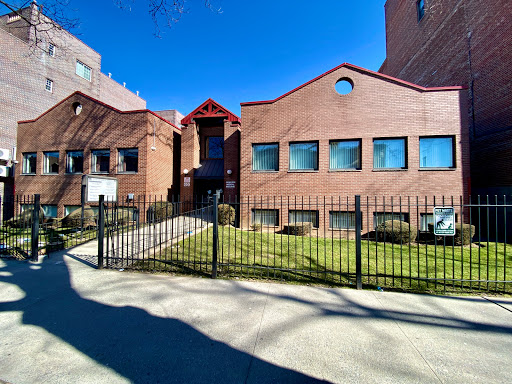
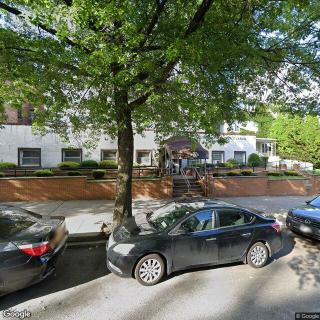
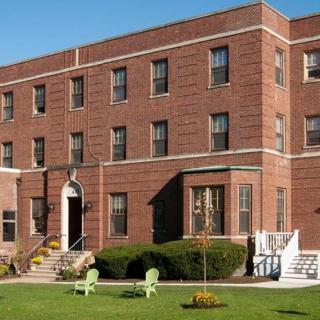
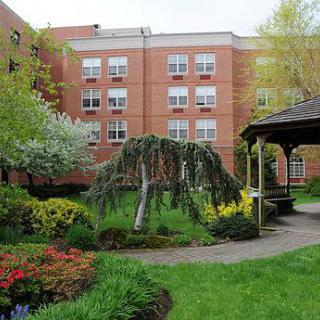
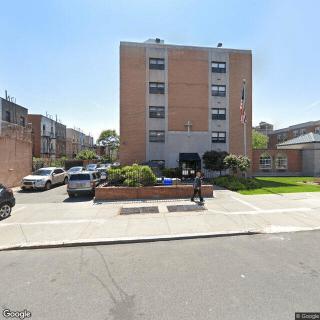
Landscaping, Building, Architecture, Fence, and Brick
Additional Photos
Get PricingAsk A QuestionSchedule A TourContact Senior Advisor
By clicking submit, you agree to our Partner's Terms of Use. You
also consent to receive calls and texts, which may be autodialed, from our Partner. Your consent is not a condition to
using our Partner's service. Please visit our Partner's Privacy Policy for information about their privacy practices.

 Newark International (9 miles away)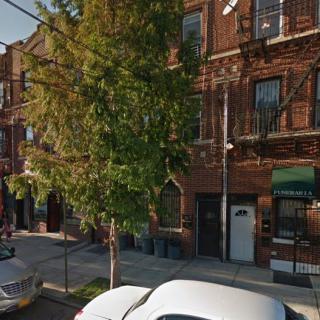
 Multiple care levels (CCRC, independent, memory care) with 24-hour supervision and restaurant-style dining.

 Understanding the Nuances of Palliative Care and Hospice: A Comprehensive Exploration
 Is In-Home Healthcare Tax Deductible? Your Comprehensive Guide
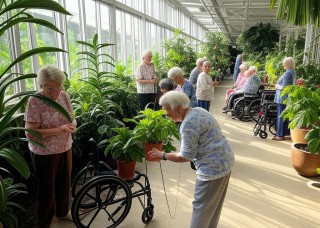 Nurturing Well-Being Through Gardening: A Detailed Guide for Senior Enthusiasts