
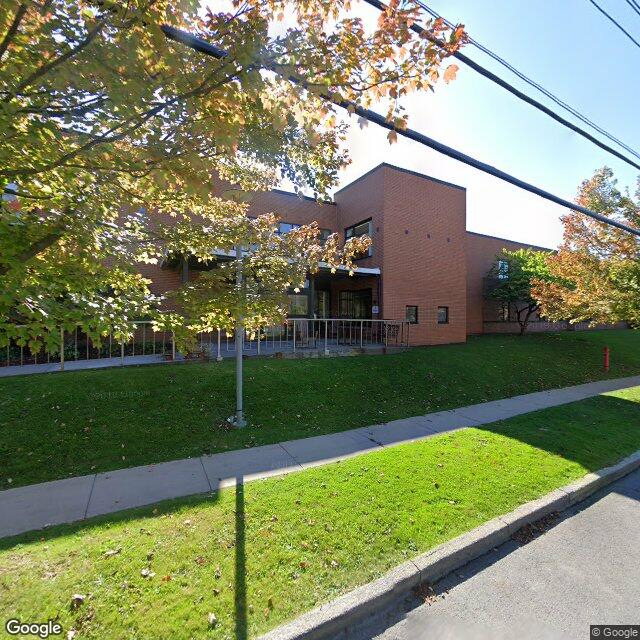
20 Park Avenue, Auburn, NY 13021
To contact a resident: (315) 255-7188
For more information about senior living options: (866) 208-4318
Overall Review of Finger Lakes Center For Living
Pros
 The staff at Finger Lakes Center for Living are compassionate, kind, loving, and gentle with residents.
- The facility is clean, and the food is great with a good variety of choices.
- The care and attention given to residents is exemplary, with staff showing genuine kindness and dedication.
- Staff go the extra mile to make residents comfortable and to address family concerns.
- Post-surgery rehabilitation is described as high-quality, with staff treating everyone with dignity and respect.
- Family members praise specific staff for personal involvement and for going above and beyond to help residents.
- The overall atmosphere is positive, with residents and families expressing happiness and confidence in the care provided.
Cons
 The reviewer claimed the facility discriminates by race and is racist, advising others not to come unless they are Caucasian.
- The staff were described as lazy and unwilling to assist rehab patients with showers, causing residents to wait over an hour for the bathroom.
- Aides were described as worthless.
- The admissions director was unresponsive, with no return phone calls or messages.
- The administrator was described as awful, with staff overworked and underappreciated.
- The facility was described as mediocre, with insufficient staff and limited activities.
- Auburn Community Hospital was described as a place the reviewer would not recommend for hospitalization.
Review
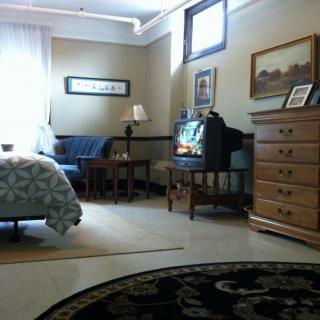
Finger Lakes Center for Living in Auburn is best suited for families seeking a warm, genuinely caring, person-centered environment where staff are proactive about resident comfort and daily well-being. The facility’s hospital-adjacent, rehab-friendly setup appeals to those prioritizing a smooth transition from surgery or illness back to independence, with a clear emphasis on attentive staff who know residents by name and involve families in care decisions. Clean, well-lit rooms and a socially active atmosphere help residents feel connected, not isolated. In reviews, the facility’s strength isn’t slick branding but a tangible culture of kindness and personalized attention that often translates into practical daily benefits for residents.
This is not the pick-for-everyone facility. Alternatives should be considered by families if there is a priority on flawless administrative responsiveness, robust staffing at all hours, or a completely discrimination-free environment. One review raises a troubling claim of racial bias, a red flag that responsibly-minded families will want to investigate further and verify through firsthand conversations with leadership and multiple staff members. Additionally, admissions and outreach appear inconsistent in some reports, which matters when coordinating move-in timelines or securing a trusted point of contact. For residents who require near-constant, rapid assistance or who place a premium on seamless communications, other options may prove more reassuring.
On the upside, the strongest pros consistently highlighted are the staff’s compassion and reliability. Residents and families repeatedly describe caregivers as personally involved, patient, and respectful, with staff going the extra mile to keep residents comfortable and engaged. The facility’s cleanliness and upkeep receive frequent praise, and the food is often cited as a strength, contributing to overall satisfaction and mood. Rehab experiences are particularly well-regarded when patients arrive from surgery or illness, with staff members who treat recovery as a collaborative process. Family members feel supported by responsive, caring teams that are open to input and willing to advocate for the resident’s preferences.
Yet, the most resounding cons cluster around staffing realities and operational hiccups. Understaffing surfaces as a recurring constraint, translating into occasional delays, slower response times, and dependence on a smaller pool of aides to meet multiple needs. Some reviews recount long waits for basic needs like bathroom access, and even discomforts such as overheated rooms or difficulties with humidity control that can impact skin and sleep. Administrative communication is uneven; inquiries about admissions or scheduling sometimes go unanswered, which can compound stress during the critical move-in window. These gaps do not erase the positives, but they do temper expectations and create real risk if a resident depends on highly reliable, around-the-clock support.
Decision-making should weigh the tangible strengths against these recurring limits. For families prioritizing a nurturing caregiver culture, visible staff dedication, and engaging activities, Finger Lakes Center for Living delivers meaningful value and a recovery-focused trajectory. Pros offset many everyday frustrations when communities are built on trust and personal connections; in practice, that means residents often receive timely, compassionate attention that improves comfort, mood, and recovery outcomes. However, for those whose criteria include consistently high staffing ratios, rapid redirection of care, or an unambiguous, bias-free environment from top to bottom, feasible alternatives deserve careful exploration, ideally through unhurried visits, direct conversations with the administration, and multiple staff perspectives.
In the end, Finger Lakes Center for Living stands out as a solid, people-first option in Auburn for families who value warmth, personalized attention, and a rehab-friendly setting that keeps residents engaged. It is a practical, experienced choice for many but not a universal solution. The strongest recommendation is to assess whether the resident’s needs align with a community that prioritizes interpersonal care and hands-on involvement from staff while accepting the realities of staffing variability and occasional administrative gaps. If those trade-offs feel manageable, this center can be a very good home; if they do not, exploring nearby alternatives with stronger assurances around staffing consistency and admissions coordination is prudent.
 80 resident community capacity
 Independent Living
 Skilled Nursing Facility
 Air-conditioning
 Beauty salon
 Cable or satellite TV
 Computer center
 Dining room
 Fitness room
 Fully furnished
 Gaming room
 Garden
 Housekeeping services
 Kitchenette
 Move-in coordination
 Outdoor space
 Private bathrooms
 Restaurant-style dining
 Small library
 Telephone
 Wellness center
 Wi-Fi/high-speed internet available
 Community operated transportation
 12-16 hour nursing
 24-hour call system
 Activities of daily living assistance
 Assistance with bathing
 Assistance with dressing
 Assistance with transfers
 Diabetes diet
 Medication management
 Mental wellness program
 Special dietary restrictions
 Concierge services
 Planned day trips




 Understanding the Sandwich Generation: Stress and Responsibilities for Multigenerational Caregivers
 8 Essential Assistive Devices for Older Adults
 Navigating the Financial Road to Nursing Home Care: In-Depth Guidance and Resources