

369 E Main St, Waterloo, NY 13165
To contact a resident: (315) 539-9200
For more information about senior living options: (866) 208-4318
Overall Review of Huntington Living Ctr
Pros
 There are a couple of aides who showed some level of kindness.
- A few staff members demonstrated kindness toward the residents.
- There were moments when staff expressed care and attentiveness to residents.
Cons
 The facility is not being kept up and appears neglected.
- The care of residents is consistently questionable.
- Staff seem disinterested or unconcerned about residents, with only a couple showing kindness.
- Residents appear to be treated as a necessary evil by the staff.
- Many staff members refuse to speak to anyone who isnā€™t the Health Care Proxy.
- Residents spend most of their time in bed or in their rooms due to understaffing.
- Policy compliance seems to take precedence over resident care, suggesting the Golden Rule is forgotten; the reviewer would not recommend the facility.
Review
This community is best suited for families that can commit to an active, hands-on oversight role in daily care. The reviews portray a pattern where a family must be present to verify that attention is paid, meals are properly delivered, and basic comfort is provided. Without such constant advocacy, confidence in consistent, compassionate care erodes quickly. In short, Huntington Living Center seems aligned with residents whose families plan to supervise and push for adherence to care standards, rather than with seniors who need reliable, proactive bedside support on a routine basis.
Those considering alternatives should look for facilities where staff engagement is demonstrably responsive, where care plans are developed and followed without constant family prompting, and where the environment itself is maintained to a standard that supports resident dignity. If a family cannot visit daily or otherwise supervise care closely, other nursing homes or long-term care options, paired with robust in-home or community-based services, are likely to deliver more predictable outcomes. Assisted-living settings with stronger staffing and more proactive activity programs may also offer a better balance of independence and oversight.
The few perceived positives, the presence of a couple of aides who showed kindness, do not meaningfully offset the broader, recurring drawbacks. The dominant narrative centers on understaffing and staff disinterest, creating a culture where residents feel like an impediment rather than individuals deserving respectful, attentive care. When care has to be chased down or repeatedly requested, the moral balance shifts away from comfort and safety toward frustration and fatigue for families and residents alike. In practical terms, a couple of compassionate moments cannot compensate for systemic gaps in care delivery and oversight.
Maintenance and general upkeep emerge as a consistent concern in these reviews. The facility is described as not being kept up, with a troubling sense that resident welfare is secondary to policy compliance or routine efficiency. Such an environment magnifies risks for vulnerable residents who require timely assistance with mobility, meals, and health monitoring. The combination of poor upkeep and disengaged staff creates an experience that can feel impersonal and unsafe, especially for families who expect a steady, respectful standard of daily living for their loved ones.
When evaluating options, prospective families should demand concrete assurances on staffing levels, response times, and personalized care planning. Key questions include: what is the current staff-to-resident ratio during peak and off-peak hours; how quickly are call bells answered; how are meals and medications coordinated; what daily activities or social engagement opportunities exist; and how are family communications documented and escalated? Request recent audit reports, review monthly care-plan updates, and observe a shift to see whether the promised standards translate into real practice. Compatibility with specific care needs, rehabilitation, memory care, or high-level medical supervision, must be confirmed with objective data, not impressions from a single visit.
In the end, the pattern of care described in these accounts makes Huntington Living Center a cautionary choice for anyone prioritizing reliable, respectful, person-centered long-term care. The most prudent path is to explore alternatives with proven staffing stability, consistent resident engagement, and a clean, well-maintained environment. If choosing Huntington, approach the process with a clear plan for ongoing oversight, a concrete set of care expectations, and a willingness to reassess swiftly if those expectations fail to materialize. For families seeking steadiness and peace of mind, and for residents who deserve consistent warmth and timely assistance, other options are worth pursuing.
 Assisted Living
 Independent Living
 Skilled Nursing Facility
 Activities on-site
 Devotional services off-site
 Indoor common areas
 Ambulatory care
 Diabetic care
 Meals provided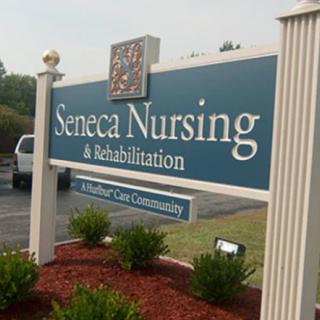








 Senior Transition Services: Understanding Their Role, Cost, and Importance
 Exploring the Path to Senior Living: A Comprehensive Look at Independent Living and Assisted Living
 Is Assisted Living Deductible on Your Taxes? Understanding the Complexities of Assisted Living Expenses and Deductions