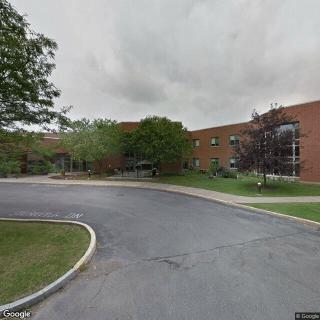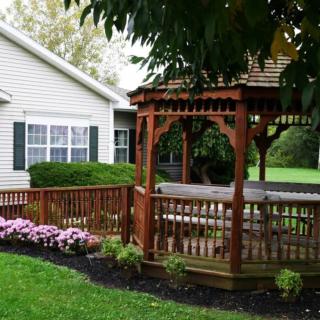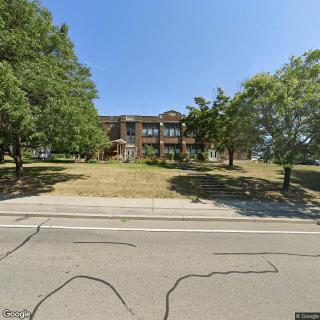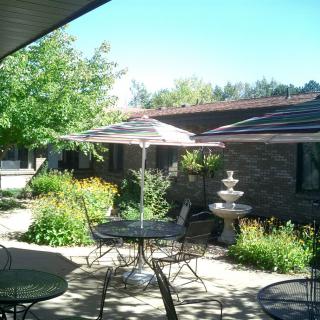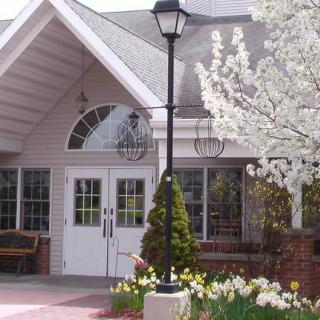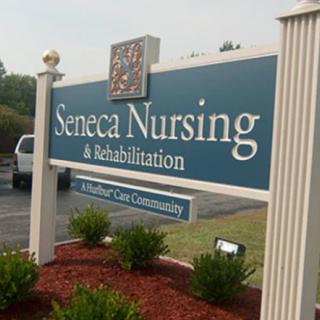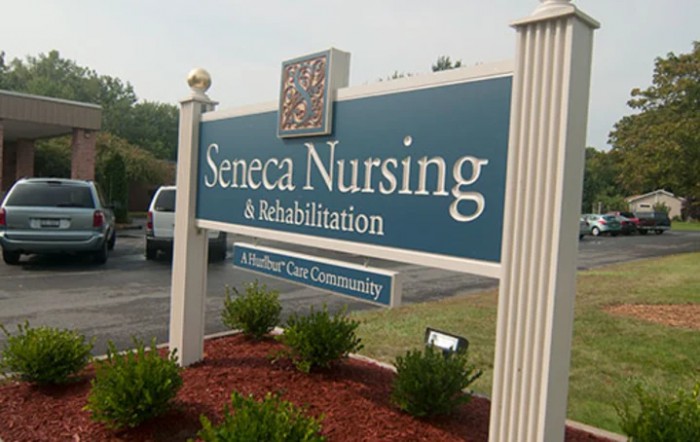
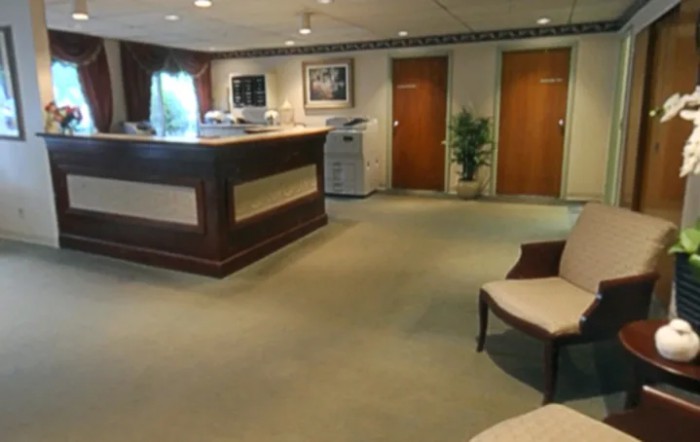
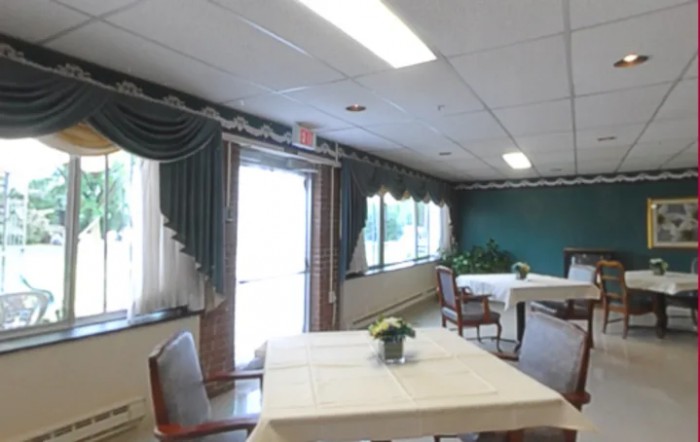
Seneca Nursing & Rehabilitation Center in Waterloo, NY

Save
Seneca Nursing & Rehabilitation Center Seneca Nursing & Rehabilitation Center Seneca Nursing & Rehabilitation Center

Seneca Nursing & Rehabilitation Center in Waterloo, NY

Information last verified:

200 Douglas Drive, Waterloo, NY 13165

For more information about senior living options: (844) 490-3973

3.8 from 8 reviews
5 stars
4
4 stars
2
3 stars
0
2 stars
0
1 stars
2

Overall Review of Seneca Nursing & Rehabilitation Center

Pros

  • pro Nicole was comforting, compassionate, and extremely helpful from the very first call.
  • pro Seneca has truly become the mother’s home.
  • pro Each time the facility is contacted, every staff member is supportive, responsive, and willing to help.
  • pro The staff consistently go above and beyond to ensure residents' needs are met.
  • pro Despite staffing challenges, the team remains patient, attentive, and genuinely compassionate, always prioritizing residents' care and well-being.
  • pro The family is deeply grateful for the staff's dedication.
  • pro The facility has great people, friendly staff, and an awesome unit manager.
  • pro The mother has been very happy with the care she receives.

Cons

  • pro The reviewer would not recommend this nursing home to anyone because the care was terrible due to understaffing.
  • pro There is hardly enough staff, and the nurses are overworked, causing mistakes to happen frequently.
  • pro The facility is filthy, and the residents do not get bathed as they should.
  • pro Higher ups know about these issues but do not care.
  • pro The staff are not receptive to residents’ needs.

Review

Seneca Nursing & Rehabilitation Center in Waterloo is best suited for families seeking a warm, person-centered nursing and rehabilitation environment where caregivers build lasting relationships with residents. It works well for seniors transitioning from hospital rehab into long-term care or facing memory-related decline, where a familiar staff presence can feel like a stabilizing force. The repeated mentions of staff members going above and beyond, names like Nicole, Bonnie, Jolene, and several aides, paint a picture of a culture built on attentiveness and genuine care. The stories of a resident who has come to think the facility feels like home underscore a home-like atmosphere that can ease transitions and reduce anxiety for memory-impaired individuals. When continuity and a humane approach take precedence over clinical perfection, this community stands out as a care setting with real heart.

Yet potential movers should know this setting may not fit every family. Several reviews flag staffing gaps and overworked nurses that translate into slower responses and occasional care gaps, along with concerns about cleanliness. Those with higher acuity needs or a mandate for flawless daily bathing, meticulous housekeeping, and constant, high-intensity supervision may find the experience insufficient. For families prioritizing tight staffing ratios, aggressive quality controls, or dedicated memory-care specialization, alternatives with stronger staffing guarantees or more targeted dementia services may offer greater peace of mind. In short, if pristine conditions and near-perfect staffing coverage are non-negotiable, exploring other options alongside Seneca is prudent.

On balance, the facility’s strongest assets tend to offset many downsides where it counts most: human connection and responsive problem-solving. Praises for staff warmth, quick attention to concerns, and a sense that the team remains with residents through difficult days reflect a culture that treats care as a daily practice rather than a checkbox. The presence of an engaged unit manager and motivated aides can translate into meaningful improvements in daily life, from better mobility assistance to meaningful engagement during meals and activities. Even when staffing challenges surface, the commitment to care first can produce emotional stability, reduce agitation, and support therapy participation. The potential emotional and relational benefits are real, but they hinge on the consistency of staffing and the ability to maintain a clean, well-kept environment.

For families evaluating this option, key questions should guide the visit. Inquire about staffing ratios by shift and unit, how many aides attend to a typical floor, and how often RN oversight occurs. Ask how care plans are updated after health status changes and how frequently families receive progress notes. Probe whether memory-care support exists, and if so, what dedicated resources and specialized training look like in practice. Confirm daily routines around bathing, grooming, and hygiene; request examples of escalation channels for concerns and how quickly issues are resolved. Pore over nutrition management and weight trends, since weight gain was highlighted as a positive indicator in at least one resident’s case. A tour at different times will reveal the level of responsiveness and cleanliness that reviews hint at, offering a realistic snapshot of day-to-day life.

Residents and families should also measure the environment against personal expectations for cleanliness and dignity. The mixed feedback, ranging from praise for friendly, supportive care to warnings about dirtiness and neglected baths, means a careful, in-person assessment is essential. Observing the facility during meals, therapy sessions, and routine care can help gauge how well staff balance safety with independence. The positive notes about memory-related stabilization and meaningful activity engagement should be weighed against the risk of inconsistent execution if staffing levels waver. Transparency about improvement plans, housekeeping schedules, and quality-control audits will matter when weighing this option against others in the region.

The bottom line is clear: Seneca Nursing & Rehabilitation Center is a solid, compassionate choice for families prioritizing warmth, personal attention, and a homey atmosphere, especially for residents transitioning from rehab to longer-term care or dealing with memory decline. It is not the ideal fit for households where staffing consistency and spotless daily operations are non-negotiable, or where repeated care gaps would cause significant distress. The prudent path is to visit, observe, and compare with nearby facilities, asking pointed questions about current staffing, cleanliness, and memory-care support. When the priority is a trusted team that treats residents like people first, Seneca delivers; when the priority centers on industrial-level staffing reliability and immaculate maintenance, alternatives should be pursued.

Features

Housing

  • 120 resident community capacity 120 resident community capacity

Types of Care

  • Skilled Nursing Facility Skilled Nursing FacilitySkilled Nursing Facilities are crucial for seniors as they provide round-the-clock medical care, rehabilitation services, and assistance with daily activities. These facilities ensure that seniors receive the specialized care they need to maintain their health and well-being as they age.

Amenities

  • Air-conditioning Air-conditioningAir conditioning is important for seniors as they are more vulnerable to heat-related illnesses and may have underlying health conditions that make it difficult for them to regulate their body temperature. It helps to keep them comfortable, safe, and healthy in hot weather.
  • Beauty salon Beauty salonBeauty salons are important for seniors because they provide a space for them to feel pampered, socialize, and maintain their personal grooming and hygiene. Regular visits to a beauty salon can help boost seniors' self-esteem and overall well-being.
  • Cable or satellite TV Cable or satellite TVCable or satellite TV is important for seniors because it provides entertainment, news, and companionship, helping to combat loneliness and boredom. It also offers a wide range of programming options tailored to different interests and preferences.
  • Computer center Computer centerA computer center is essential for seniors as it provides access to technology, communication tools, and resources that can enhance their daily lives. It allows them to stay connected with loved ones, engage in online activities, and learn new skills, ultimately promoting socialization and mental stimulation.
  • Dining room Dining roomDining rooms are important for seniors as they provide a space for socialization, connection, and nutritious meals. They offer opportunities for residents to bond over shared meals, foster a sense of community, and promote healthy eating habits. Dining rooms also ensure that seniors have access to well-balanced meals tailored to their dietary needs and preferences.
  • Fitness room Fitness roomHaving a fitness room in a senior living community is essential for seniors to stay active, maintain their physical health, and improve their overall well-being. Regular exercise can help prevent falls, reduce the risk of chronic diseases, and promote mental sharpness. It also provides social opportunities for residents to connect with others and enjoy a sense of community.
  • Fully furnished Fully furnishedFully furnished senior living communities are important for seniors because they provide convenience, comfort, and a hassle-free moving experience. Seniors can easily settle into their new living space without the stress of having to buy and move furniture. This allows them to focus on enjoying their new home and community.
  • Gaming room Gaming roomGaming rooms are important for seniors as they provide a fun and engaging environment for socializing, cognitive stimulation, and physical activity. Games can improve memory, problem-solving skills, and overall mental well-being while fostering friendships and reducing feelings of isolation.
  • Garden GardenGardens are important for seniors as they provide a peaceful and therapeutic environment for relaxation, physical activity, and socialization. Being in nature has been shown to reduce stress, improve mood, and promote overall well-being. Gardens also offer opportunities for seniors to engage in gardening activities, which can improve mobility, flexibility, and cognitive function. Additionally, gardens create a sense of community and connection with others who share a passion for plants and outdoor spaces.
  • Housekeeping services Housekeeping servicesHousekeeping services are important for seniors because they help maintain a clean and safe living environment, promote independence, and reduce the risk of accidents or illnesses. Additionally, having assistance with household chores can alleviate physical strain and allow seniors to focus on other aspects of their well-being.
  • Kitchenette KitchenetteKitchenettes are important for seniors living in senior living communities because they provide the convenience and independence of being able to prepare simple meals and snacks in the comfort of their own living space. This can help promote a sense of autonomy and well-being for seniors, allowing them to maintain some level of control over their dietary choices and daily routines.
  • Move-in coordination Move-in coordinationMove-in coordination is important for seniors because it helps ease the transition into their new living environment. It ensures that all logistics, such as packing, organizing movers, and setting up utilities are taken care of, allowing seniors to focus on settling in and adjusting to their new home. Having a smooth move-in process can alleviate stress and anxiety, making the transition smoother and more enjoyable for seniors.
  • Outdoor space Outdoor spaceOutdoor spaces are important for seniors as they provide opportunities for physical activity, social interaction, exposure to natural light and fresh air, and a sense of connection to nature. Having access to outdoor spaces can improve overall well-being and quality of life for older adults living in senior communities.
  • Private bathrooms Private bathroomsPrivate bathrooms are important for seniors in senior living communities because they provide independence, dignity, and comfort. Having a private bathroom allows seniors to maintain their personal hygiene routines without the need for assistance, promoting a sense of autonomy and privacy. Additionally, private bathrooms help prevent the spread of infections and provide a safe and clean environment for seniors to navigate safely.
  • Restaurant-style dining Restaurant-style diningRestaurant-style dining is important for seniors because it allows them to enjoy delicious, nutritious meals in a social and upscale setting. This enhances their dining experience, promotes healthy eating habits, and fosters socialization with fellow residents, ultimately contributing to their overall well-being and quality of life.
  • Small library Small librarySmall libraries are important for seniors as they provide access to a variety of reading materials, including books, newspapers, and magazines. This can help stimulate their minds, keep them engaged, and provide a sense of community through book clubs and other social activities. Additionally, reading has been shown to improve cognitive function and overall mental well-being in older adults.
  • Telephone TelephoneTelephones are important for seniors as they provide a lifeline for communication with loved ones, emergency services, and healthcare providers. They offer a sense of security and independence, enabling seniors to stay connected and access assistance when needed.
  • Wellness center Wellness centerWellness centers are important for seniors because they offer a variety of programs and services that promote physical, mental, and emotional well-being. These centers provide opportunities for exercise, socialization, education, and relaxation, helping seniors maintain their overall health and quality of life.
  • Wi-Fi/high-speed internet available Wi-Fi/high-speed internet availableWi-Fi/high-speed internet is important for seniors to stay connected with loved ones, access online resources, and participate in virtual activities to combat feelings of loneliness and isolation. It also allows them to easily manage healthcare needs, access entertainment, and engage in lifelong learning opportunities.

Transportation

  • Community operated transportation Community operated transportationCommunity operated transportation is crucial for seniors as it provides them with the means to access essential services, social activities, and medical appointments. It allows seniors to maintain their independence and quality of life by ensuring they can participate in activities outside of their homes. Additionally, community-operated transportation services offer a safe and reliable way for seniors to travel without having to rely on family or friends for assistance.
  • Transportation arrangement Transportation arrangementTransportation arrangements are crucial for seniors as they may face challenges with driving, mobility, or access to public transportation. Having reliable transportation services ensures that seniors can easily attend appointments, social activities, and maintain their independence and quality of life.
  • Transportation arrangement (non-medical) Transportation arrangement (non-medical)Transportation arrangements are essential for seniors as they provide access to essential services, activities, and social interactions outside the home. This service helps maintain independence, mobility, and overall well-being for seniors who may have limited transportation options.
  • Transportation to doctors appointments Transportation to doctors appointmentsTransportation to doctors appointments is crucial for seniors as it ensures they have access to necessary medical care and support, promoting their health and well-being. It allows them to receive timely treatment, monitor existing conditions, and address any new health concerns efficiently. Additionally, transportation services can help seniors maintain their independence and quality of life by enabling them to stay connected with their healthcare providers.

Care Services

  • 12-16 hour nursing 12-16 hour nursing12-16 hour nursing care is crucial for seniors in order to ensure around-the-clock monitoring, timely medication administration, and prompt response to any health concerns or emergencies. This level of care helps to promote the overall well-being and safety of seniors living in senior living communities.
  • 24-hour call system 24-hour call system24-hour call systems are important for seniors because they provide peace of mind and immediate assistance in case of emergencies. This technology ensures that help is always available, promoting safety and security for elderly individuals living alone or in assisted living facilities.
  • 24-hour supervision 24-hour supervision24-hour supervision is important for seniors to ensure their safety, well-being, and access to immediate assistance in case of emergencies or health issues. This constant support provides peace of mind for both seniors and their loved ones, allowing them to age in place with dignity and security.
  • Activities of daily living assistance Activities of daily living assistanceActivities of daily living assistance are important for seniors because they provide essential support with tasks such as eating, bathing, dressing, and mobility. This assistance helps seniors maintain their independence, dignity, and overall quality of life as they age.
  • Assistance with bathing Assistance with bathingAssistance with bathing is crucial for seniors as it helps maintain personal hygiene, prevents infections, and ensures their overall well-being and comfort. It also provides a sense of dignity and independence for seniors who may struggle with this task on their own.
  • Assistance with dressing Assistance with dressingAssistance with dressing is important for seniors because it helps maintain their independence, promotes personal hygiene, prevents accidents and injuries, and improves overall quality of life. This service ensures that seniors can continue to dress comfortably and confidently, despite any physical limitations they may have.
  • Assistance with transfers Assistance with transfersAssistance with transfers is crucial for seniors as it helps prevent falls and injuries, maintains their independence, and ensures they can safely navigate their living environment. It also provides peace of mind for both seniors and their loved ones.
  • Diabetes diet Diabetes dietA diabetes diet is crucial for seniors as it helps manage blood sugar levels, reduce risks of complications, and improve overall health and well-being. By following a balanced and nutritious diet tailored to their specific needs, seniors can better control their diabetes and enhance their quality of life.
  • Meal preparation and service Meal preparation and serviceMeal preparation and service are crucial for seniors as they may have limited mobility or energy to cook nutritious meals. Having access to healthy and convenient food options can ensure they are getting the proper nutrition needed to maintain their overall health and well-being.
  • Medication management Medication managementMedication management is crucial for seniors to ensure they are taking the right medications at the correct dosages and times. This helps prevent adverse drug interactions, reduces the risk of medication errors, and promotes overall health and well-being. Proactive management also allows for adjustments as needed based on changing health conditions or new prescriptions.
  • Mental wellness program Mental wellness programMental wellness programs are essential for seniors as they promote cognitive stimulation, emotional support, and social engagement. These programs help prevent isolation, depression, and cognitive decline, ultimately enhancing the overall quality of life for older adults.
  • Special dietary restrictions Special dietary restrictionsSpecial dietary restrictions are important for seniors because age-related changes in metabolism and health conditions can make it difficult for their bodies to process certain foods. By following a diet tailored to their specific needs, seniors can maintain their overall health and well-being, manage chronic conditions, and reduce the risk of complications such as malnutrition or food interactions with medications.

Dining

  • Diabetes diet Diabetes dietA diabetes diet is crucial for seniors as it helps manage blood sugar levels, reduce risks of complications, and improve overall health and well-being. By following a balanced and nutritious diet tailored to their specific needs, seniors can better control their diabetes and enhance their quality of life.
  • Special dietary restrictions Special dietary restrictionsSpecial dietary restrictions are important for seniors because age-related changes in metabolism and health conditions can make it difficult for their bodies to process certain foods. By following a diet tailored to their specific needs, seniors can maintain their overall health and well-being, manage chronic conditions, and reduce the risk of complications such as malnutrition or food interactions with medications.

Activities

  • Community-sponsored activities Community-sponsored activitiesCommunity-sponsored activities are important for seniors as they provide opportunities for social interaction, mental stimulation, and physical activity. These activities can help improve overall well-being, combat loneliness and isolation, and promote a sense of belonging and purpose among older adults.
  • Concierge services Concierge servicesConcierge services are essential for seniors as they provide assistance with daily tasks and errands, enhance their quality of life by offering convenience and personalized care, and promote a sense of safety and security.
  • Fitness programs Fitness programsFitness programs are crucial for seniors as they help improve strength, flexibility, balance, and overall well-being. Staying active can reduce the risk of chronic diseases, improve mental health, and enhance quality of life in older adults.
  • Planned day trips Planned day tripsPlanned day trips are important for seniors because they offer opportunities for socialization, mental stimulation, and physical activity. They provide a change of scenery and help seniors stay engaged and connected to their community, promoting overall well-being and quality of life.
  • Resident-run activities Resident-run activitiesResident-run activities are important for seniors as they encourage social interaction, creativity, and a sense of autonomy. These activities empower seniors to stay engaged and active in their community while fostering meaningful connections with their peers.
  • Scheduled daily activities Scheduled daily activitiesScheduled daily activities are important for seniors because they provide structure, socialization, mental stimulation, and physical activity. Engaging in regular activities can improve overall well-being and quality of life for seniors living in a community setting.

Description

Seneca Nursing & Rehabilitation Center in Waterloo, NY is a premier assisted living community that offers a wide range of amenities and care services to ensure the comfort and well-being of its residents. The community provides a beautiful and homely environment with fully furnished living spaces and private bathrooms for each resident.

Residents at Seneca Nursing & Rehabilitation Center can enjoy various amenities including a beauty salon, cable or satellite TV, a computer center, a gaming room, and a small library. They can also stay connected with friends and family through Wi-Fi/high-speed internet access provided throughout the facility. For transportation needs, the community offers community-operated transportation as well as transportation arrangements for non-medical appointments and visits to doctors.

With 24-hour call system and supervision, residents can feel safe knowing that assistance is always available. The dedicated staff provides personalized care services such as assistance with activities of daily living, bathing, dressing, transfers, and medication management. The community also offers specialized care for residents with diabetes through tailored diet plans.

Seneca Nursing & Rehabilitation Center takes pride in providing delicious meals prepared according to special dietary restrictions of residents. Dining experiences are enhanced with restaurant-style service in a comfortable dining room. Additionally, residents have access to various wellness facilities like a fitness room and wellness center to support physical health.

Engaging activities are an integral part of life at Seneca Nursing & Rehabilitation Center. Residents can participate in resident-run activities or join scheduled daily activities organized by the community. Fitness programs help residents stay active while planned day trips offer opportunities for exploration beyond the community's grounds.

Conveniently located near cafes, parks, pharmacies, restaurants, places of worship, and hospitals, Seneca Nursing & Rehabilitation Center ensures that residents have easy access to essential amenities outside the community.

Overall, Seneca Nursing & Rehabilitation Center provides exceptional assisted living care in a warm and welcoming environment where residents can enjoy their independence while receiving comprehensive support from the compassionate staff.

Nearby Places of Interest

Physicians

  • Seneca Family Health Center (0.3 miles)
  • FLH Medical, PC (0.3 miles)
  • Life Care Medical Associate - Robert J Lorenzetti MD (0.7 miles)
  • Finger Lakes Podiatry (4.7 miles)
  • Geneva General Dermatology (7.3 miles)
  • Geneva General Dermatology (7.4 miles)
  • Finger Lakes Allergy Clinic (7.4 miles)

Hospitals

  • Geneva General Hospital (0.3 miles)
  • Geneva General Hospital (7.4 miles)
  • Finger Lakes Health Foundation (7.4 miles)
  • Fingerlakes Health Center (12.5 miles)

Pharmacies

  • Walmart Pharmacy (0.3 miles)
  • Walgreens (0.5 miles)
  • Henderson's Drug Store (7.5 miles)
  • North Street Pharmacy (7.5 miles)
  • Wegmans (8.2 miles)
  • Walgreens (8.5 miles)
  • Rite Aid (8.5 miles)

Restaurants

  • Subway (0.3 miles)
  • Connie's Diner (0.5 miles)
  • McDonald's (0.5 miles)
  • La Fiesta Brava Mexican Restaurant (0.8 miles)
  • Mac's Drive-In (2.1 miles)
  • Star Diner (2.3 miles)
  • Fall Street Brewing (2.5 miles)

Places of Worship

  • First Presbyterian Church (0.7 miles)
  • United Methodist Church of Clyde (12.5 miles)
  • New Hope Bible Church (12.6 miles)
  • First Love Fellowship (13.6 miles)

Parks

  • Women's Rights National Historical Park (2.4 miles)
  • Cayuga Lake State Park (4.9 miles)
  • Seneca Lake Park Playground (5.5 miles)
  • Seneca Lake State Park (5.5 miles)
  • Harris Park (6 miles)
  • Sampson State Park (12.3 miles)

Cafes

  • Cafe XIX (2.7 miles)
  • Water St Cafe (7.3 miles)
  • Monaco's Coffee (7.6 miles)
  • Tim Hortons (8.5 miles)
  • Branch by Bellangelo (8.9 miles)
  • Crow City Roasters (14.1 miles)
  • Cafe 108 (14.2 miles)

Frequently Asked Questions

Where is Seneca Nursing & Rehabilitation Center?
What photos are available for Seneca Nursing & Rehabilitation Center in Waterloo, New York?

Nearby Communities

  • Huntington Living Ctr

    Huntington Living Ctr

    Waterloo, NY

    2.6 from 8 reviews
     

    pro A few aides showed kindness; resident rooms are well-maintained and families can observe on-site.

  • Living Center At Geneva-North

    Living Center At Geneva-North

    Geneva, NY


    pro Excellent proximity to dining, parks, pharmacies, physicians, and hospitals.

  • Elmcrest Apartments

    Elmcrest Apartments

    Geneva, NY

    5 from 1 review
     

    pro Convenient access to healthcare, pharmacies, dining, and parks nearby.

  • Finger Lakes Health

    Finger Lakes Health

    Geneva, NY

    3.5 from 11 reviews
     

    pro Clean, respectful environment with improved care standards.

  • Seneca Lake Terrace

    Seneca Lake Terrace

    Geneva, NY

    4.4 from 48 reviews
    $2,982 to $5,964 / month

    pro Compassionate staff, engaging activities, clean facility, private rooms, and good dining.

  • Vienna Gardens

    Vienna Gardens

    Phelps, NY

    4.5 from 55 reviews
     

    pro Friendly, attentive staff in a well-maintained, attractive facility.

  • Northbrook Heights

    Northbrook Heights

    Auburn, NY

    3.6 from 21 reviews
     

    pro Caring staff, clean environment, and engaging activities.

  • Ashton Place

    Ashton Place

    Clifton Springs, NY

    4.7 from 32 reviews
    $2,730 to $3,230 / month

    pro Vibrant, well-supported community with attentive staff and excellent dining.

  • Ferris Hills at West Lake

    Ferris Hills at West Lake

    Canandaigua, NY

    5 from 2 reviews
    $2,765 to $3,025 / month

    pro Spacious two-bedroom, two-bath apartments with shuttle service and a broad range of on-site activities.

Skilled Nursing Facility in Nearby Cities

Related Resources

  • what is elder abusePowerful Realities of Elder Abuse and the Most Effective Ways to Report It

    Elder abuse affects many older adults worldwide and includes physical, emotional, neglectful, and financial harm, with about one in six individuals over 60 experiencing abuse annually. Prevention and intervention strategies focus on awareness, support for caregivers, and mandatory reporting, while recovery necessitates comprehensive support for both physical and emotional needs.

  • caregiver dutiesTen Vital Duties of a Senior Caregiver: A Comprehensive Guide

    The guide details ten essential responsibilities of senior caregivers, including personal care, mobility assistance, medication management, and emotional support, while emphasizing the importance of safety, nutrition, and maintaining a safe living environment to enhance seniors' quality of life and independence.

  • memory games for seniors9 Stimulating Memory Activities for Seniors: Puzzles, Cards, and Much More

    The article highlights nine memory-boosting activities for seniors that enhance cognitive health and social interaction, including puzzles, trivia quizzes, and storytelling, while emphasizing the importance of adapting these activities to individual preferences to maximize enjoyment and engagement. Consistent mental engagement is linked to improved cognitive function and emotional well-being in older adults.