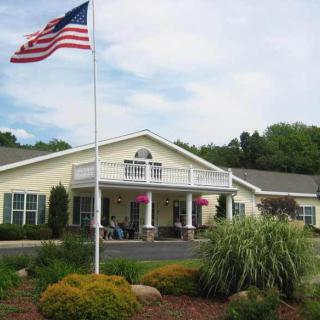
170 Murray Street Extension, Auburn, NY 13021
For more information about senior living options: (866) 208-4318
Overall Review of Northbrook Heights
Pros
 The new management has worked its magic, with a fantastic team that really cares.
- The staff and management are courteous, helpful, and devoted to all residents.
- They work hard to accommodate residents' special needs and show kindness, compassion, and respect.
- The intake and move-in process is a dream, with staff guiding families every step of the way.
- Since the new management arrived, residents seem happier and the facility is noticeably improved.
- Northbrook is a wonderful place where residents receive excellent care and feel safe.
- The facility is clean and well-maintained, with staff members actively helping residents.
Cons
 They feel unhappy and like a cog in a wheel.
- They describe it as the worst place ever, with staff treated horrendously and termination practices handled over the phone.
- They call the facility awful.
- They report kitchen and dining issues, including lack of ingredients and poorly trained/credentialed staff after management changes.
- They note high staff turnover, crowded living spaces, and mediocre food, indicating living conditions could be improved.
Review
Northbrook Heights is best suited for families seeking a caregiving culture that has recently been reset by new leadership and is willing to ride the improvement curve. The community is especially appealing to those with residents who require attentive daily support or specialized attention, such as dementia care, where a responsive intake process, visible staff engagement, and helpers who remember individual needs can make a tangible difference. This is a place where a strong, personable staff can translate into safer days, consistent reminders for medications, and real hands-on help with daily tasks. For families who prioritize a welcoming, engaged atmosphere and are comfortable with some variability in day-to-day consistency during a leadership transition, Northbrook presents a compelling option.
What sets the upside apart are the qualitative markers of care that reviewers consistently flag as genuine strengths. The new management has transformed morale and tone, and the staff described as courteous, helpful, and respectful. Residents and families repeatedly note that care teams go the extra mile to accommodate special needs, with moves and onboarding described as smooth rather than daunting. The facility is perceived as clean and well-maintained, with plentiful staff presence in the halls and a culture of activity and interaction. Meals and daily routines are generally well-regarded, and activities, drama, games, and social events, offer meaningful engagement. The combination of a rigorous intake process, practical case management, and proactive family communication creates a foundation for reliable day-to-day life.
However, the picture is not uniform, and the most meaningful caveats center on staffing stability and consistency. Several reviews point to high turnover and contentious personnel changes, including reports of dismissals conducted by phone and concerns about legal procedures, which understandably seed anxiety about long-term reliability. A number of residents and observers describe tension between administration and staff, with implications for continuity of care. These dynamics can translate into uneven experiences over time, particularly during transition periods or staffing shortages. Additionally, while many praise the rooms and caring aides, other comments highlight limited room to maneuver in shared spaces and genuine concern about privacy and comfort if private rooms are a priority. Kitchen and dining quality also appears variable, with some feedback praising menus and others signaling outdated approaches or ingredient gaps.
These pros and cons interact in practical ways. When staff are highly engaged and management drives a culture of care, families feel confident in daily routines, medication management, and safety oversight, offsetting concerns about occasional turnover with consistent visible commitment. The strong intake experience and ongoing staff accessibility help families navigate transitions and maintain communication, which reduces the stress of placement. Yet volatility in leadership and mixed kitchen quality can erode confidence over time and lead to questions about long-term stability. In short, Northbrook can deliver consistently strong care on many fronts, provided the environment remains stable and the kitchen and privacy expectations align with a family’s standards.
Families weighing alternatives should consider private-room availability, the reliability of long-term staff, and the hygiene and culinary consistency across shifts. If prioritizing a steady, low-turnover team with a proven, long-tenured culture is non negotiable, look for communities with firmer HR practices and documented stability. If private rooms or more predictable dining outcomes are essential, gauge current floor plans, room configurations, and the latest menu offerings before deciding. For dementia care or complex daily needs, Northbrook’s current momentum and responsive staff can be decisive factors, but the decision should hinge on whether the leadership and kitchen reliability meet the family’s expectations for the next 12–24 months.
Bottom line: Northbrook Heights works best for families willing to back a facility in a growth phase, where compassionate care, proactive management, and a robust activity calendar can translate into meaningful daily quality of life. It is less suitable for those who demand absolute staffing permanence, a consistently pristine kitchen, and guaranteed private accommodations from day one. Prospective residents should visit with questions about current staffing stability, how shifts are managed, whether private rooms are available, and how dining quality is maintained across all meals. When those elements align, Northbrook Heights becomes a credible, practical choice in Auburn’s assisted-living landscape.
 178 resident community capacity
 Studio apartments
 Assisted Living
 Memory Care
 Air-conditioning
 Beauty salon
 Cable or satellite TV
 Computer center
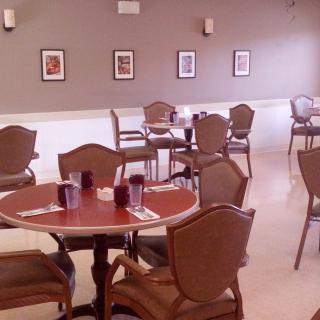
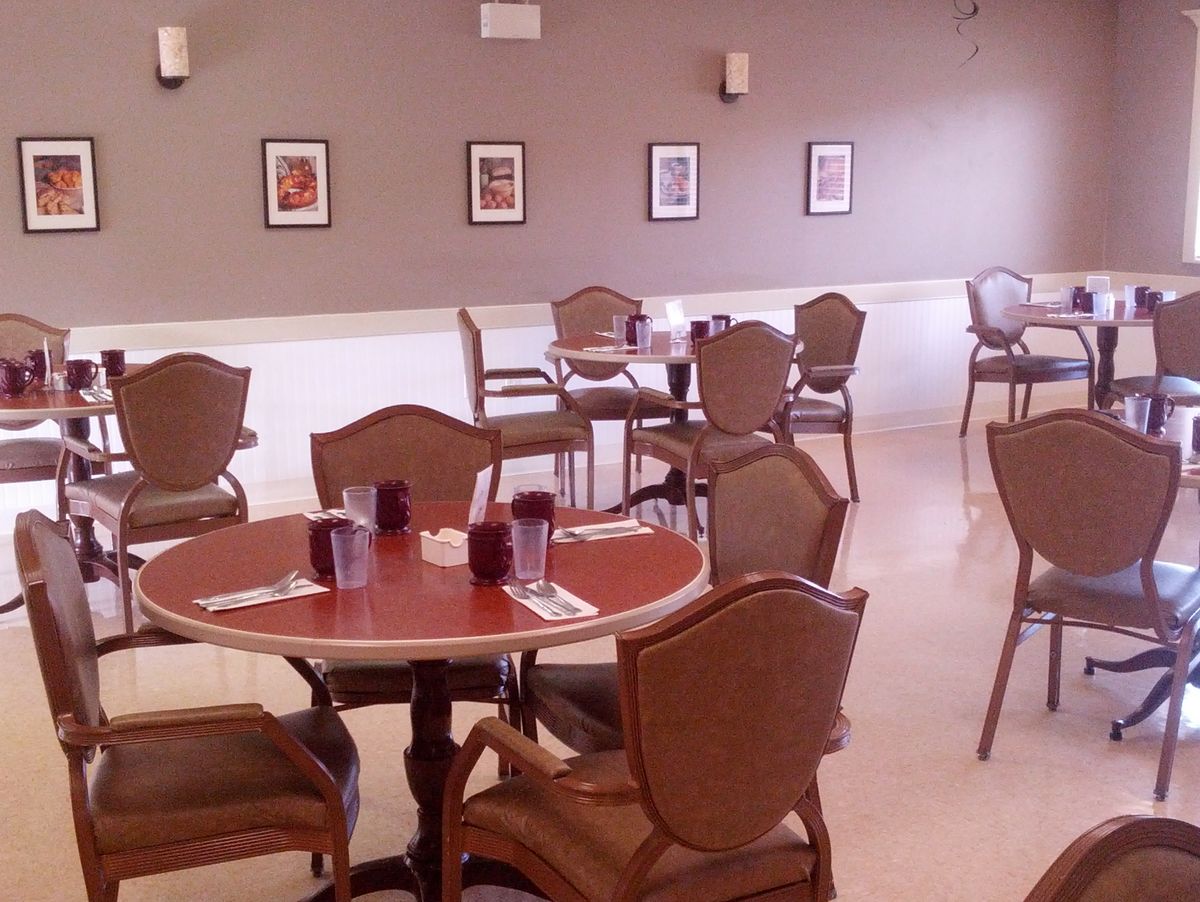
 Dining room
 Financial aid
 Fitness room
 Fully furnished
 Gaming room
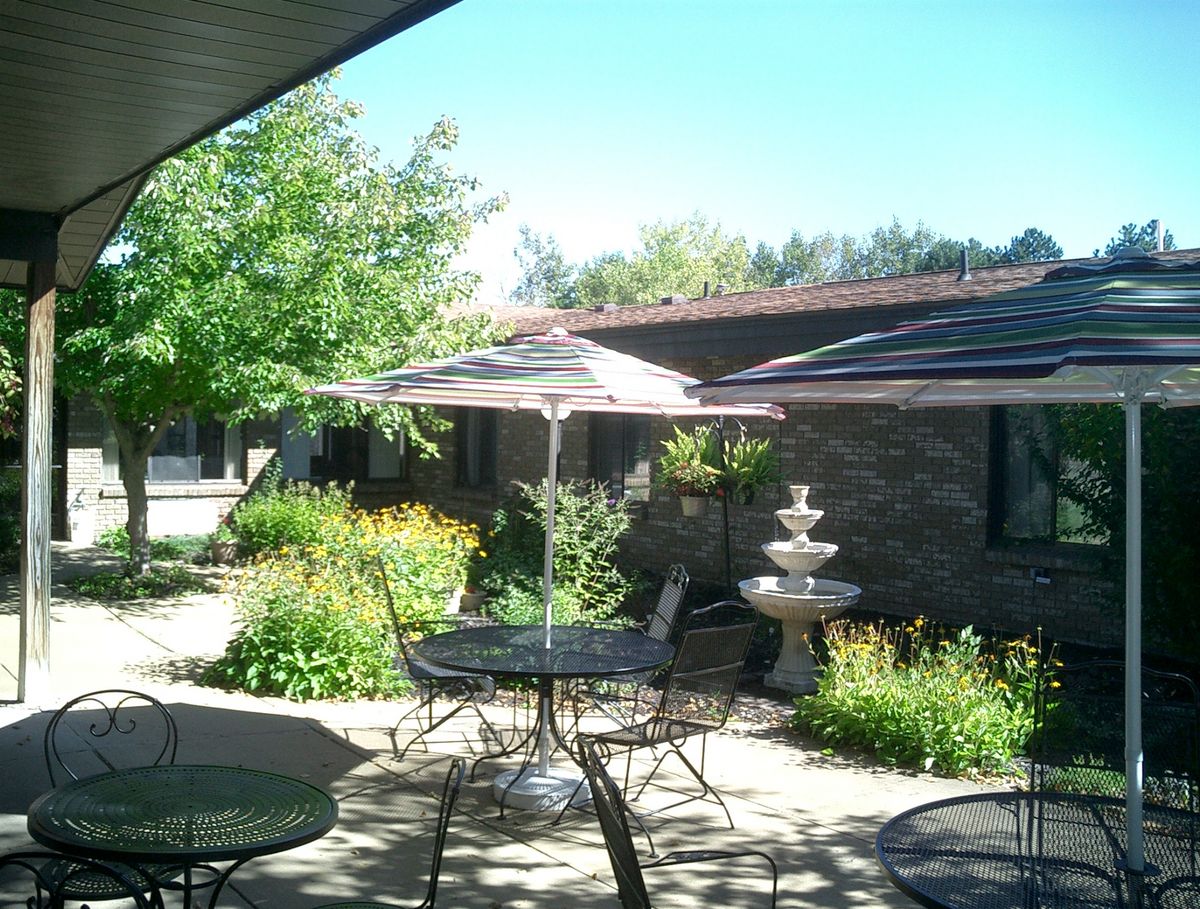
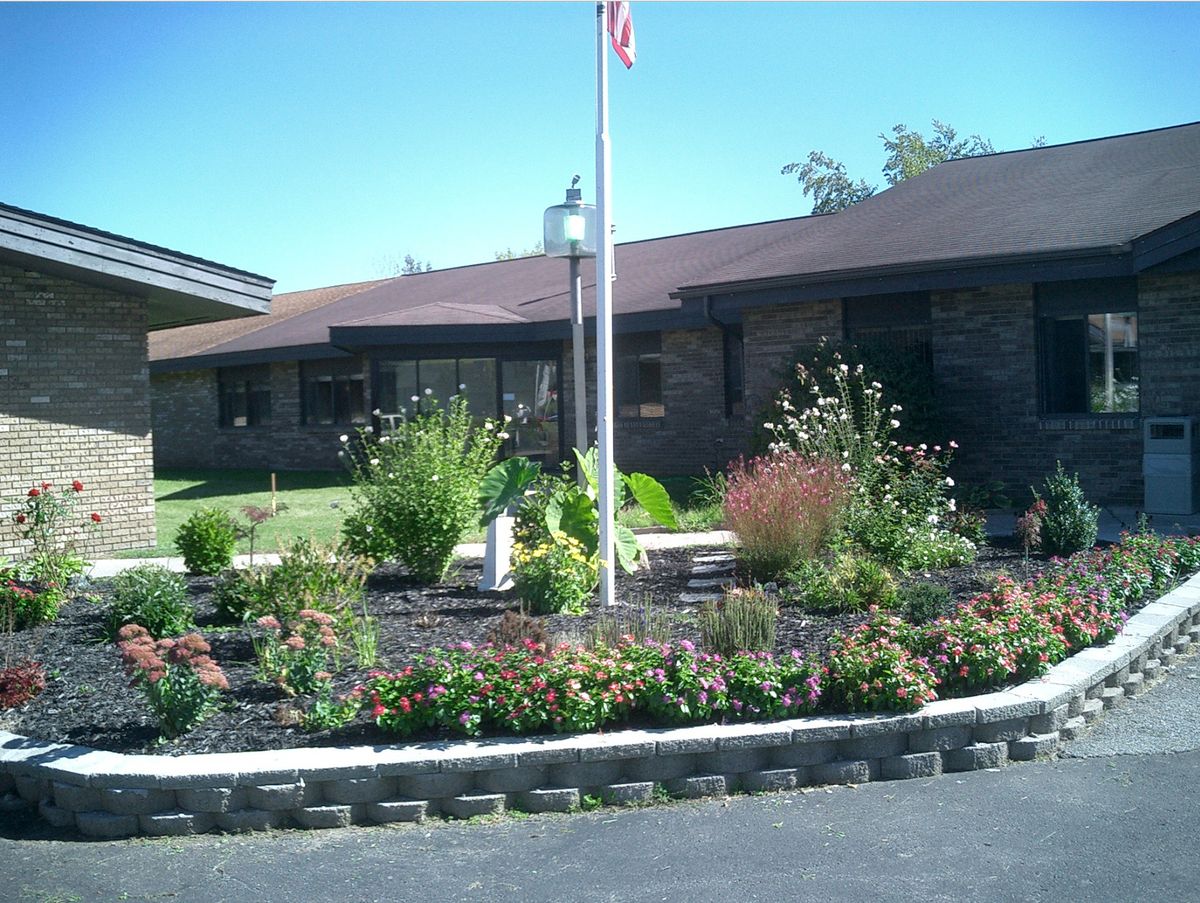
 Garden
 Housekeeping services
 Kitchenette
 Located close to restaurants
 Located close to shopping centers
 Move-in coordination
 Outdoor space
 Private bathrooms
 Restaurant-style dining
 Small library
 Telephone
 Wellness center
 Wi-Fi/high-speed internet available
 Community operated transportation
 12-16 hour nursing
 24-hour call system
 Activities of daily living assistance
 Administer insulin injections
 Assistance with bathing
 Assistance with dressing
 Assistance with transfers
 Diabetes diet
 Medication management
 Special dietary restrictions
 Transportation arrangement (medical)
 Walking wheelchair assistance
 Concierge services
 Games
Games Planned day trips
 English



 Guiding Your Journey: Understanding Power of Attorney for Elderly Parents
 22 Remarkable Caregiver Support Groups Available Online and In-Person
 Understanding Medicaid Coverage for Assisted Living: A Comprehensive Guide