

46 Grant Ave, Auburn, NY 13021
To contact a resident: (315) 253-6141
For more information about senior living options: (866) 208-4318
Overall Review of Faatz-Crofut Home For Elderly
Pros
 They were able to share a room as a couple.
- The father found relief from the caregiving burden.
- The mother could attend Bingo while the father enjoyed some quiet time.
- The arrangement let the parents age gracefully together in a secure environment.
- The facility offers three meals a day, laundry service, and 24-hour supervision, providing peace of mind.
Review
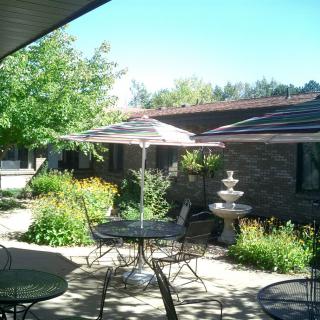
This community is best suited for couples and families who want to keep aging parents together in a home-like, low-key setting while receiving reliable daily support. In Auburn, New York, The Faatz-Crofut Home For Elderly emphasizes a warm, residence-style atmosphere rather than a clinical campus. The option for a shared room helps a pair stay together, avoiding the upheaval of separate living arrangements. With three meals a day, laundry service, and 24-hour supervision, the care model centers on practical stability, predictable routines, and constant oversight that can ease the burden on neck-deep caregivers while preserving dignity and familiar rhythms.
Those who may want to consider alternatives are individuals seeking more privacy or higher-acuity medical care, or families prioritizing a larger, more clinical setting with expansive programming. If a private room is non-negotiable, or if comprehensive on-site medical services and specialized memory-care units are essential, this home may not fit. For families expecting a broad array of high-end amenities, off-site excursions, or a facility footprint with many concurrent activities and diverse therapeutic options, other communities will likely meet those expectations more robustly. In short, this option shines for togetherness and steadiness, not for VIP-style independence or heavy medical needs.
The standout pros align tightly with practical caregiving realities. The home atmosphere softens transitions and reduces the trauma of moving away from familiar surroundings, a significant offset to concerns about loss of privacy or autonomy. The ability for a couple to share a room is not merely cost efficiency; it preserves meaningful daily companionship and mutual reassurance, which matters deeply when one partner has Alzheimer’s and the other bears caregiving duties. Daily meals and laundry lift predictable duties off family shoulders, while round-the-clock supervision provides a safety net that can prevent small crises from escalating. Access to structured activities, such as group engagements, helps sustain social contact and purpose.
Where potential downsides could surface, the shared-room model can feel constraining for some residents who crave personal space and private routines. The home setting, while comforting, may carry fewer resources for complex medical management or rapid escalation of needs than a larger, more medically oriented campus. The emphasis on supervision and routine, though reassuring for families, can feel limiting to those who desire greater independence or more varied, hospital-grade care options. Even so, the configuration and staffing appear designed to deliver steady safety and companionship, with the trade-offs clearly outweighed by the ability to keep loved ones together under gentle, predictable care.
For families evaluating, begin by confirming how important togetherness and a home-like environment are relative to privacy and medical acuity. Clarify room options, whether a private room becomes available and how often couples can be accommodated together. Probe staffing patterns, especially for dementia-related supervision, and ask how activities are scheduled and tailored to memory care needs. Request transparent budgeting: what is included in the daily rate, what costs arise for additional services, and how respite or trial stays work. The practical mathematics of caregiving, meals, laundry, supervision, and structured activities, tells a clear story: value arises from stability, safety, and the ability to age together with fewer caregiving burdens at home.
In practical terms, this community is a strong fit for families seeking a secure, homey environment where a couple can age side by side without sacrificing essential daily supports. It is less compelling for those who need private accommodations without sharing, or for families prioritizing intensive medical oversight and a broad array of specialized therapies. The favorable blend of atmosphere, routine, and practical services makes it a sensible choice for preserving dignity and relational continuity, especially when Alzheimer’s or other cognitive challenges are present in one partner. Weigh in against private-room preferences and the expected level of medical attention to arrive at a clear, actionable decision: for aging together with steady supervision, The Faatz-Crofut Home For Elderly delivers reliability, warmth, and peace of mind that families can count on.
 Board and Care Home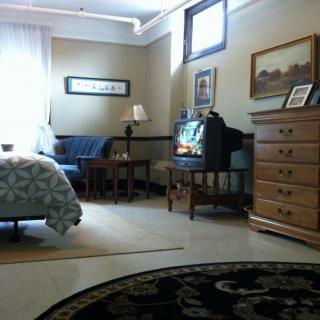






 Skilled Nursing Facilities vs. Nursing Homes: Making Sense of the Differences
 A Detailed Examination of Nursing Home Costs Across the U.S.
 Exploring Nonmedical Home Care: Understanding Services, Costs, and Financial Approaches