Westminster Manor offers competitive pricing for its residential options, particularly when compared to rates in Onondaga County and the broader New York state. For a studio apartment, residents will find that Westminster Manor charges $3,544 per month, which is significantly lower than the county average of $4,296 and the state average of $4,532. Similarly, for a one-bedroom unit, Westminster Manor's rate of $4,635 aligns closely with Onondaga County's costs at $4,270 but slightly exceeds the state average of $4,307. This positioning suggests that Westminster Manor provides an attractive option for individuals seeking quality accommodations without the steep price tag typically associated with both local and state averages.
Floor plans
Westminster Manor
Onondaga County
New York
Studio
$3,544
$4,296
$4,532
1 Bedroom
$4,635
$4,270
$4,307
Assisted Living communities with a similar price nearby
Residents describe supervised medications and day-to-day help when needed.
Multiple reviewers mention medication oversight and structured support for appointments, along with assistance when daily needs change. Families also describe their loved ones as well taken care of, with staff and management responsive to help and questions. One critical review still agrees that personal care remains good, even while complaining about other parts of the experience.
common6 reviews mention this
Food quality stands out repeatedly
Dining is repeatedly praised for being consistently good.
Several residents and families highlight the food as excellent, terrific, or very good. Reviewers also connect meals to day-to-day satisfaction, including frequent comments about meal quality and enjoyment. The dining experience comes through as a steady positive across both short and longer stays.
common9 reviews mention this
Activities keep residents engaged
Residents and families mention frequent activities and social time.
Reviewers commonly describe lots of activities and social engagement, including day trips, daily events, devotional offerings, and community programming. Families also mention their loved ones making friends and staying involved. One negative review contrasts that with “very little” social interaction and fewer activities, so activity strength appears more mixed over time for some families.
common13 reviews mention this
Staff kindness is a consistent theme
Staff members are described as caring, friendly, and available.
The most consistent praise centers on staff being kind, caring, and professional, with many reviewers saying they are easy to reach and willing to help. Several families describe confidence in the staff and comfort in knowing their loved one is supported. Even the most critical review still acknowledges that personal care is good, reinforcing that caregiver presence is a major part of the experience.
common6 reviews mention this
Small, home-like feel matters to families
Many reviewers describe a small, home-like environment.
Several reviews use language like warm, friendly, and homelike, often emphasizing the community’s smaller size. Families and residents also describe welcoming atmosphere and a “family-like” feel. This theme is not mentioned in every review, but it appears frequently enough to shape how many people picture day-to-day life there.
How we summarize
Counts show how many written reviews mention each theme; a review can touch several themes, and only frequently mentioned themes are displayed.
Features
Housing
37 resident community capacity
Types of Care
Assisted Living
Independent Living
Amenities
Activities off-site
Activities on-site
Beautician on-site
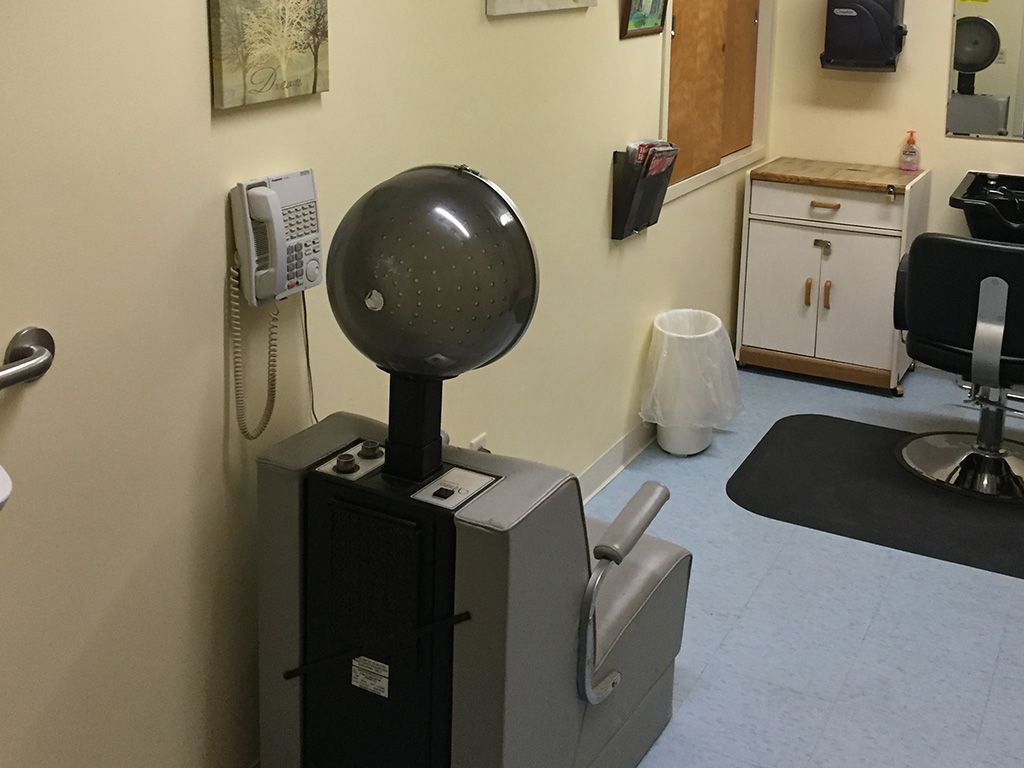
Beauty salon
Cable or satellite TV
Devotional services off-site
Devotional services on-site
Dining room
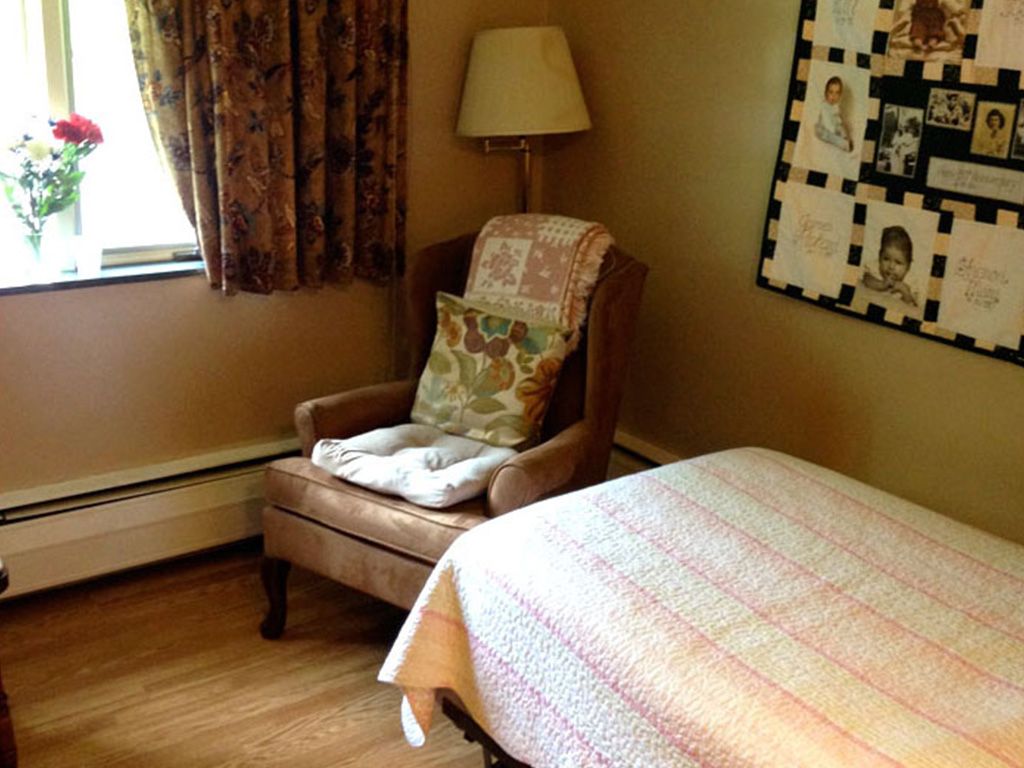
Fully furnished
Garden
Ground floor units
Housekeeping services
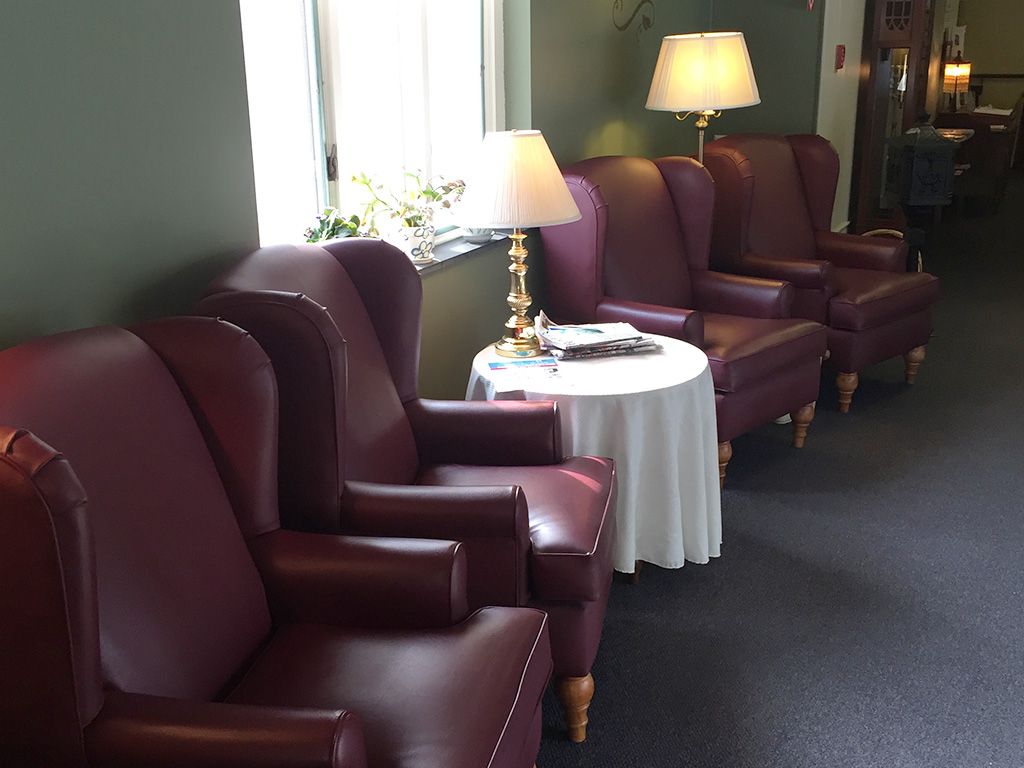
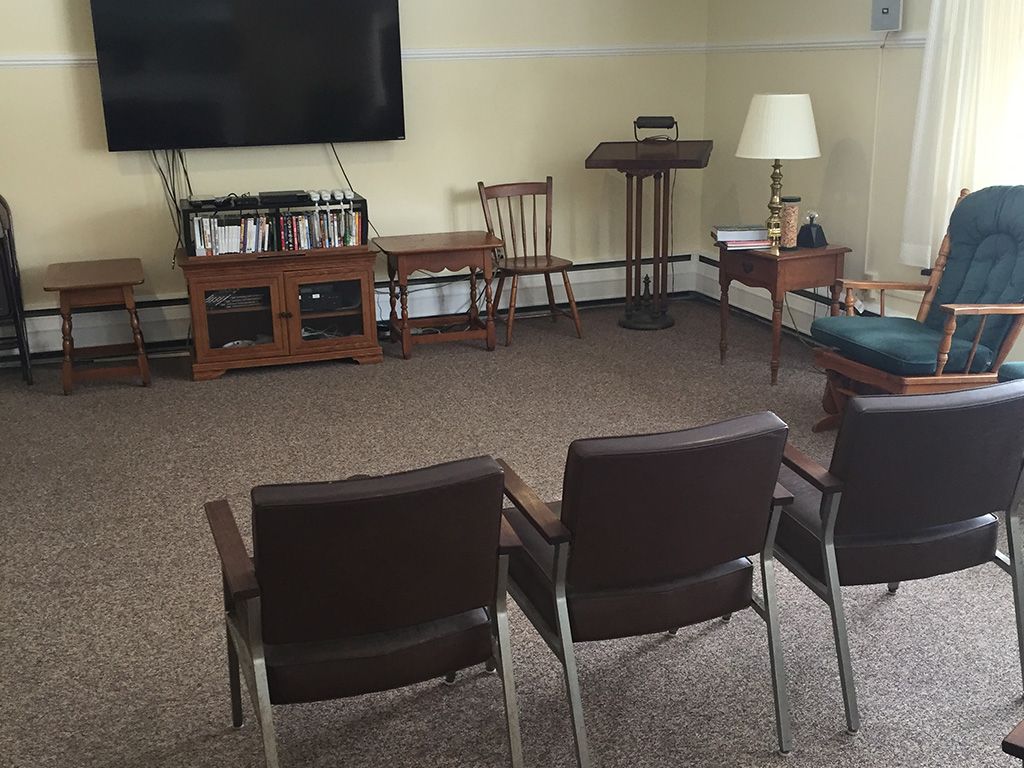
Indoor common areas
Kitchenette
Move-in coordination
Outdoor common areas
Outdoor space
Respite or short term stays offered
Restaurant-style dining
Small library
Telephone
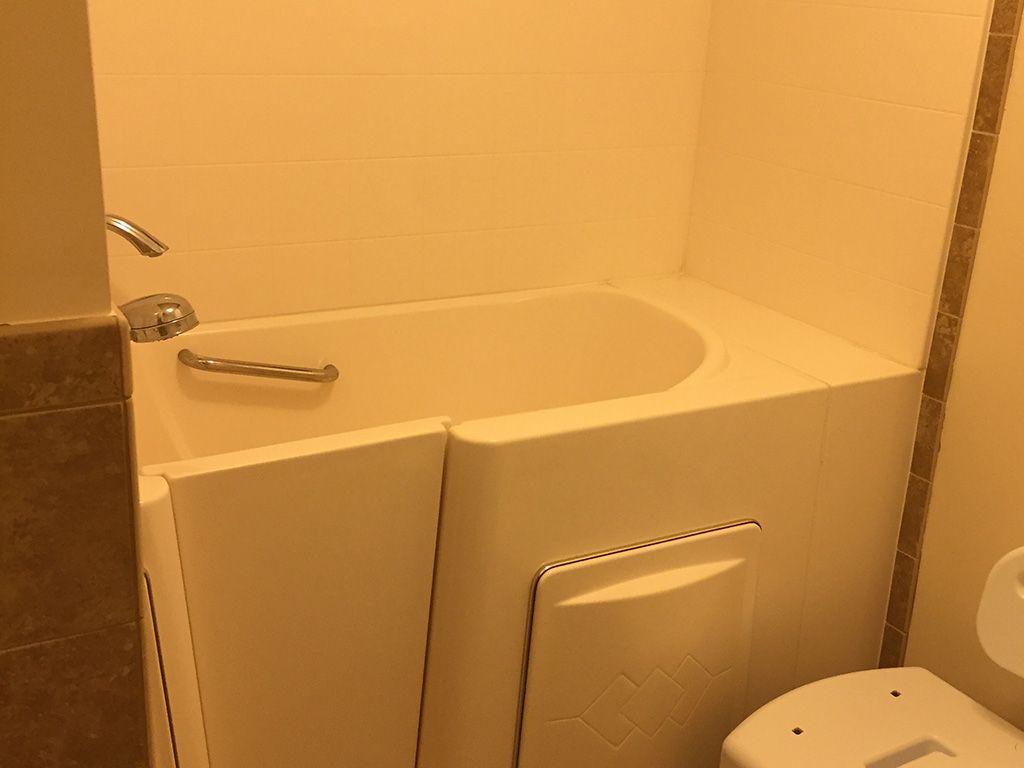
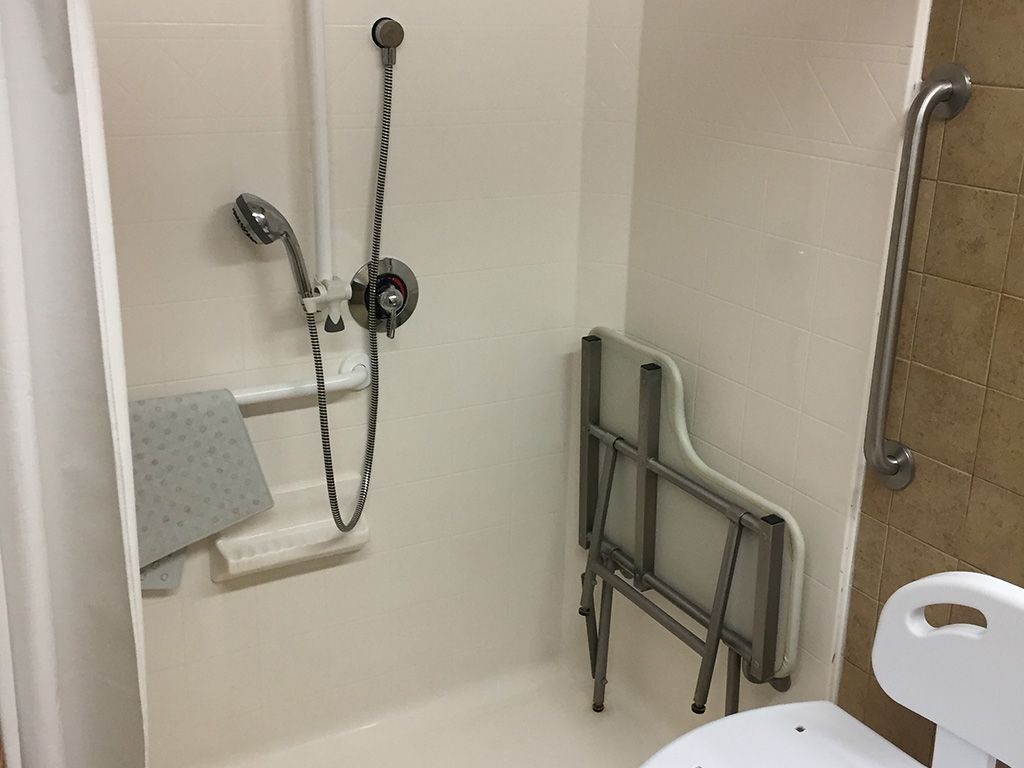
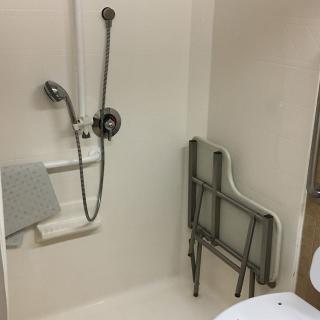
Wheelchair accessible showers
Wi-Fi/high-speed internet available
Care Services
24-hour call system
24-hour supervision
Activities of daily living assistance
Ambulatory care
Assistance with bathing
Assistance with dressing
Assistance with transfers
Diabetes diet
Diabetic care
Incontinence care
Meal preparation and service
Medication management
Mental wellness program
Special dietary restrictions
Dining
Diabetes diet
Guest meals
Low / no sodium
Meals provided
No Sugar
Restaurant style dining
Special dietary restrictions
Activities
Art classes
Catholic services
Community-sponsored activities
Day trips and outings
Devotional activities offsite
Devotional activities on-site
Educational speakers / life long learning
Jewish services
Other religious services
Protestant services
Resident-run activities
Scheduled daily activities
Visiting chaplain or priest
Wine tasting
Nearby Places of Interest
This part of Auburn, New York, offers a convenient and diverse range of amenities for seniors living in the area. With multiple physicians and pharmacies located within a short distance, healthcare services are easily accessible. In addition, there are several cafes and restaurants nearby, providing options for dining out or grabbing a quick bite to eat. Places of worship are also within reach for those seeking spiritual fulfillment. The proximity to parks allows for opportunities to enjoy the outdoors and stay active. For transportation needs, Skaneateles Aero Drome is nearby, offering convenience for travel. Overall, this part of Auburn provides a well-rounded community with various resources and recreational opportunities for seniors looking to settle in the area.
Westminster Manor offers competitive pricing for its residential options, particularly when compared to rates in Onondaga County and the broader New York state. For a studio apartment, residents will find that Westminster Manor charges $3,544 per month, which is significantly lower than the county average of $4,296 and the state average of $4,532. Similarly, for a one-bedroom unit, Westminster Manor's rate of $4,635 aligns closely with Onondaga County's costs at $4,270 but slightly exceeds the state average of $4,307. This positioning suggests that Westminster Manor provides an attractive option for individuals seeking quality accommodations without the steep price tag typically associated with both local and state averages.
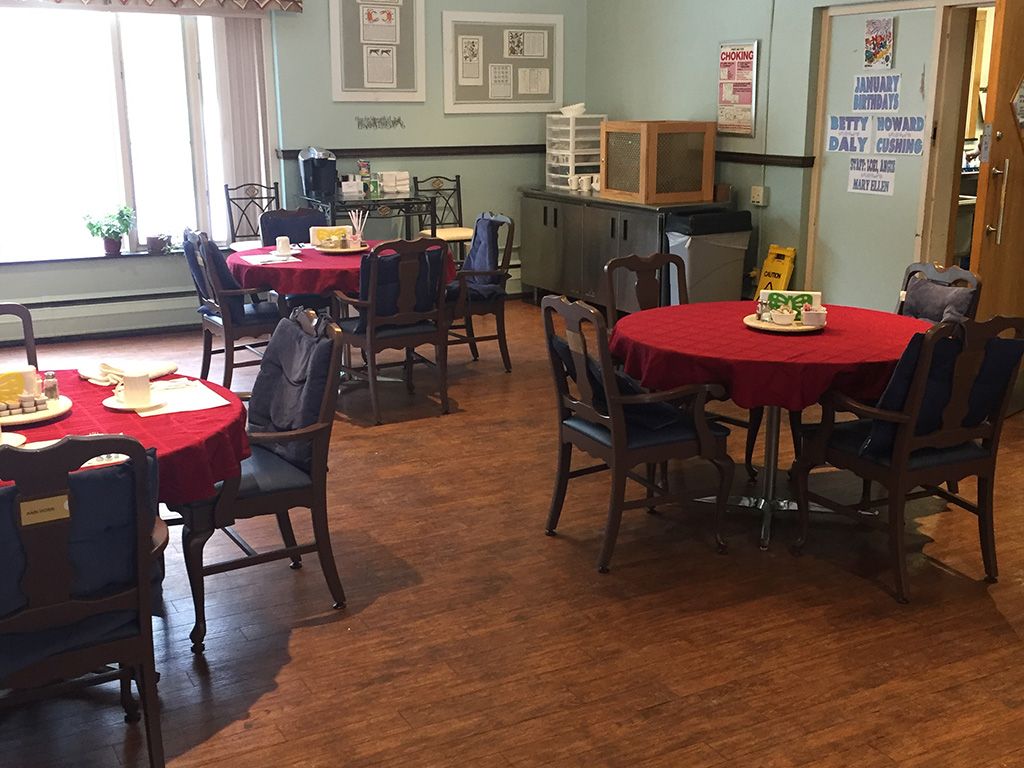
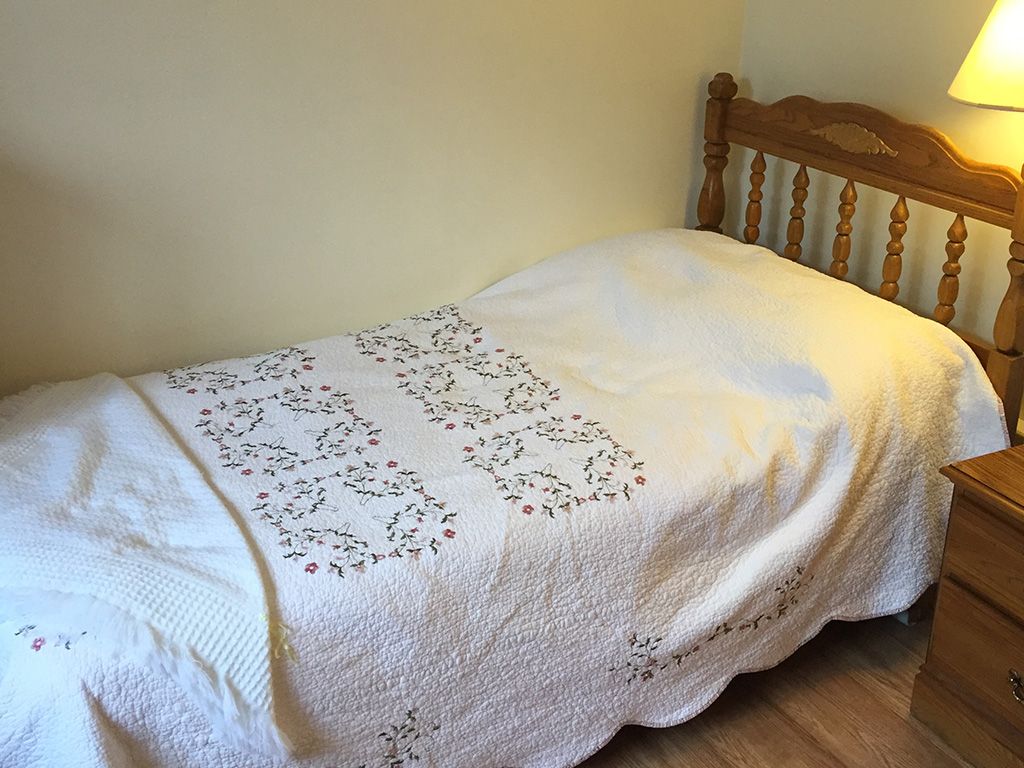
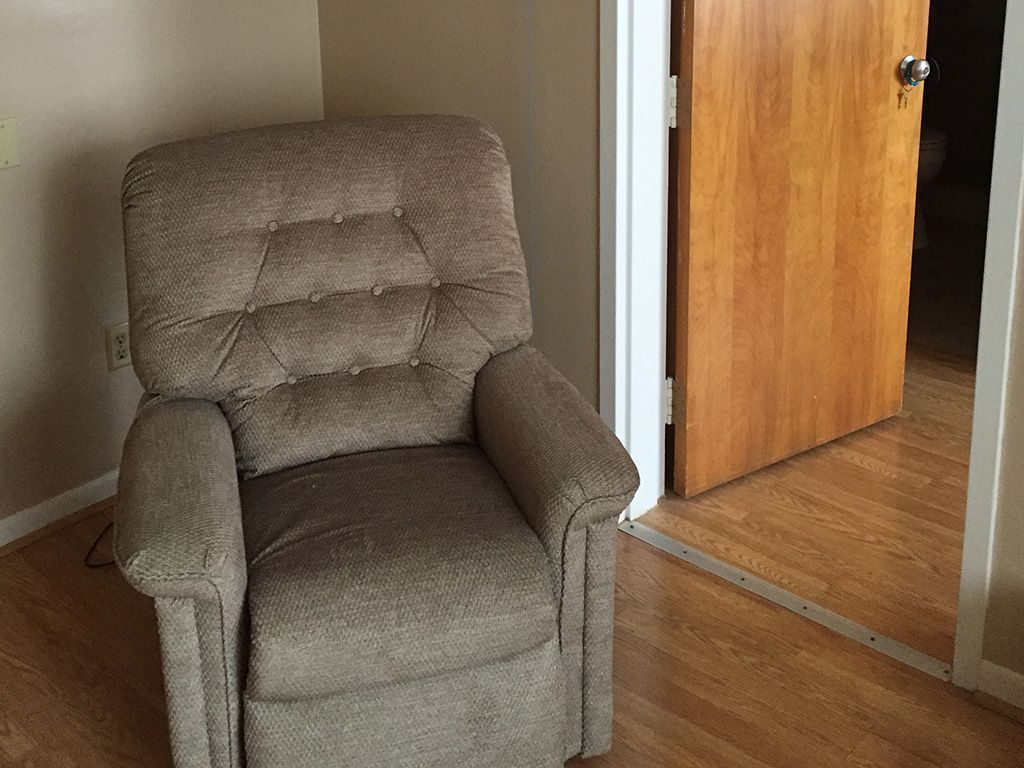
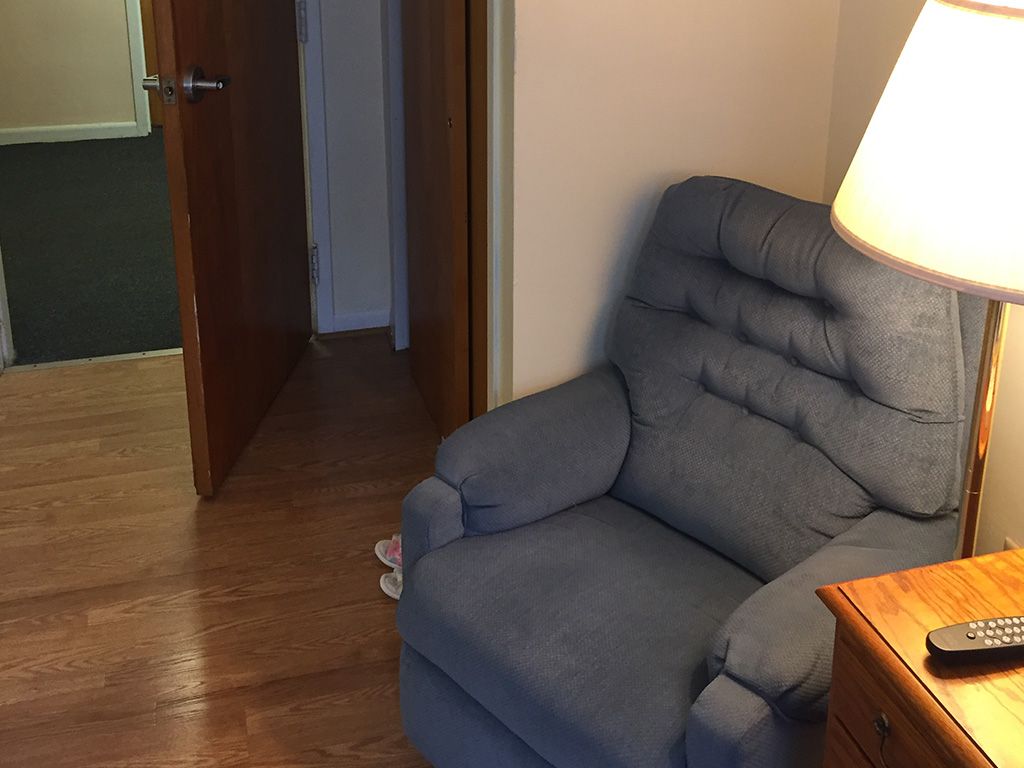
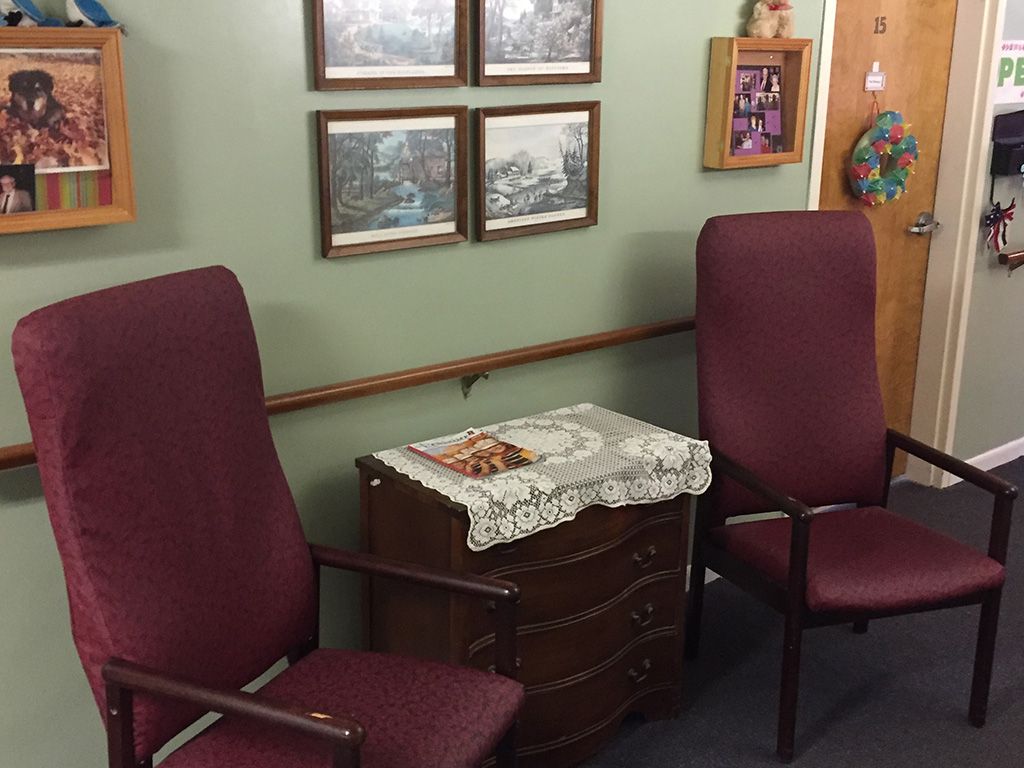
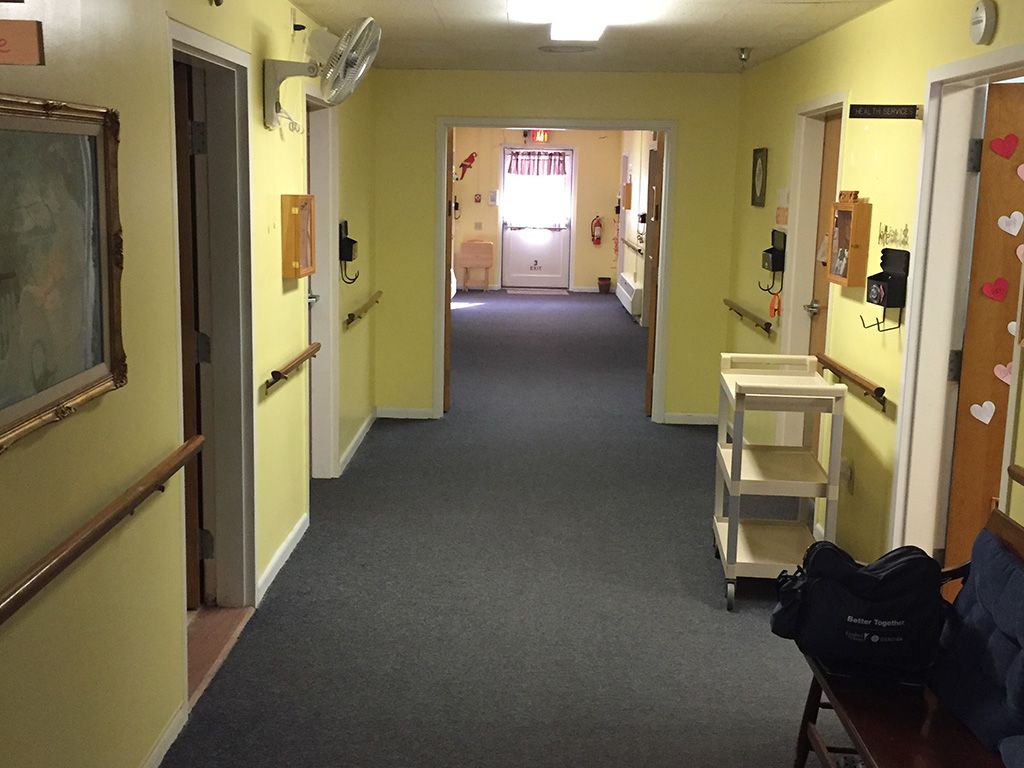
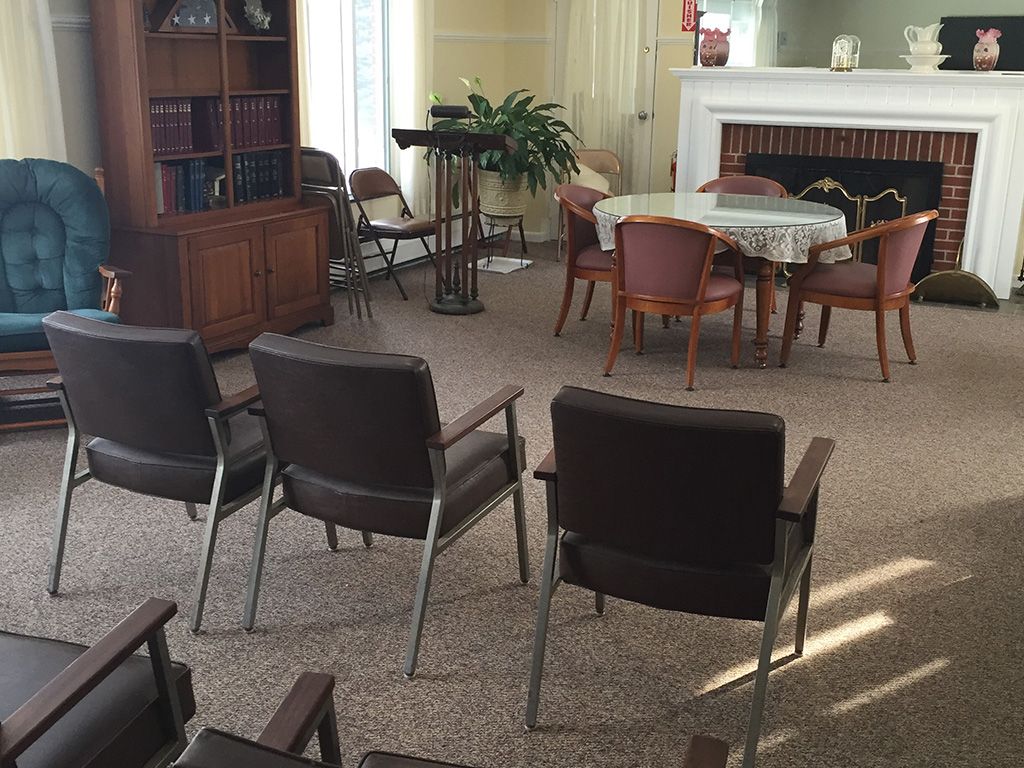
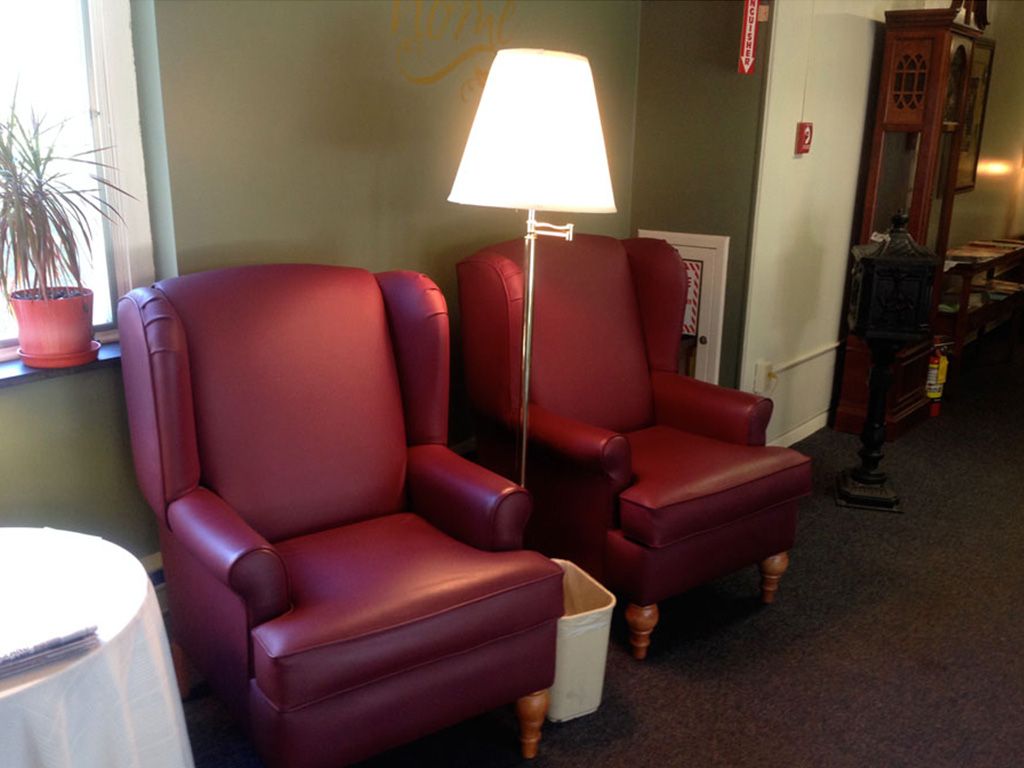
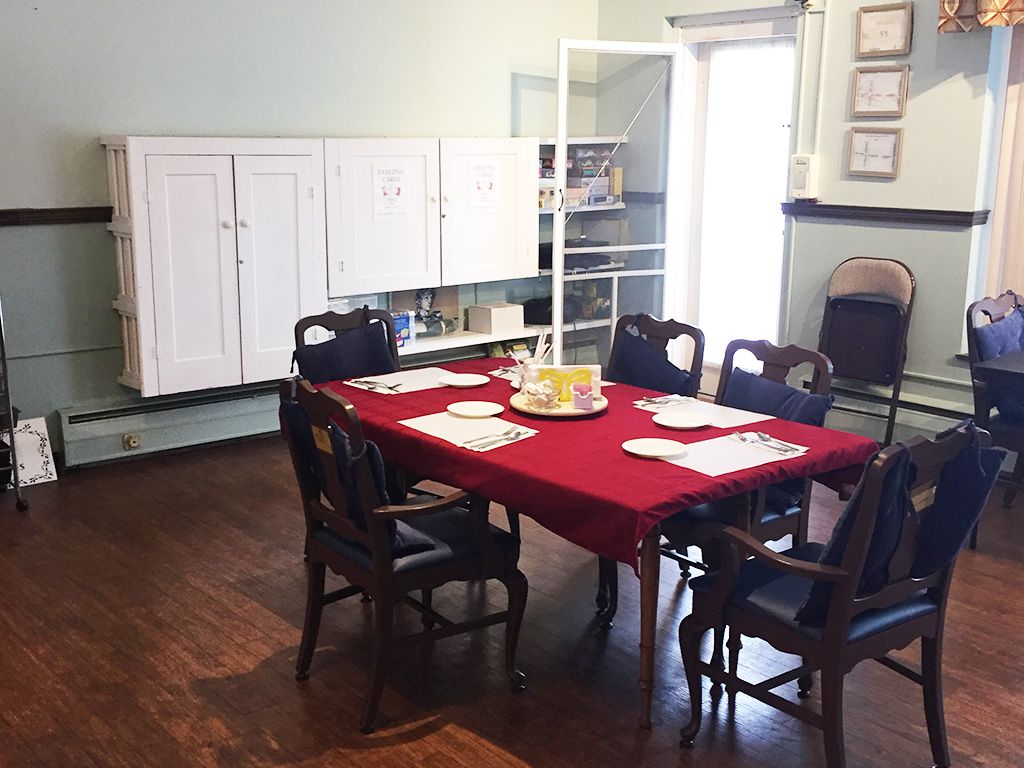
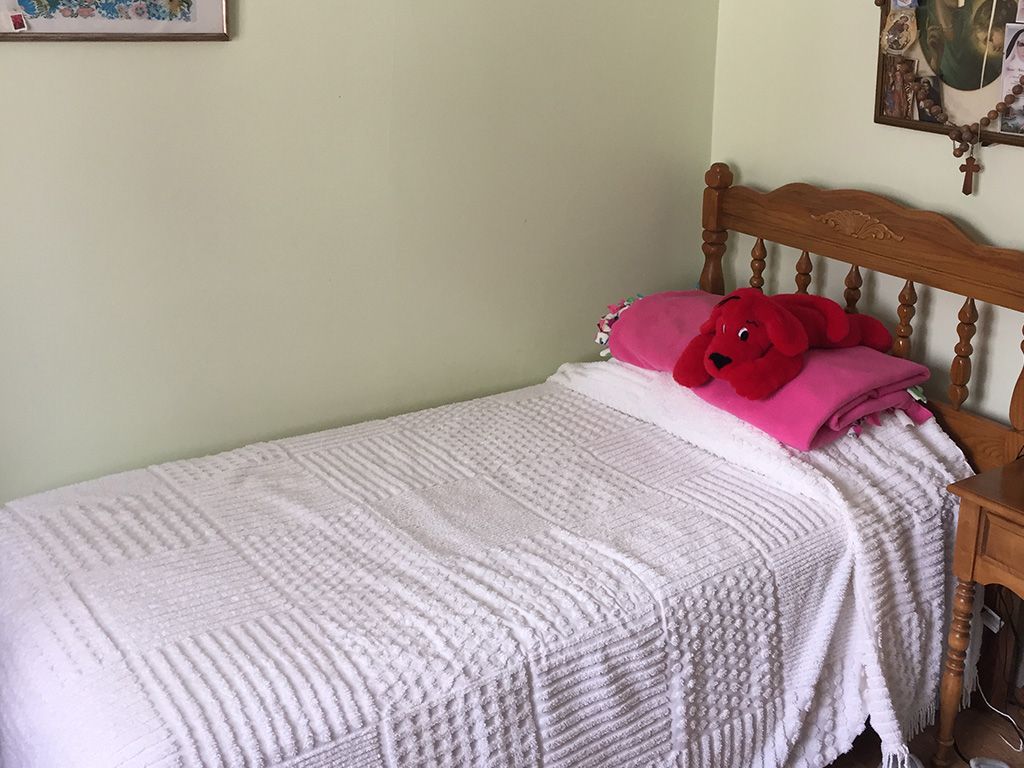
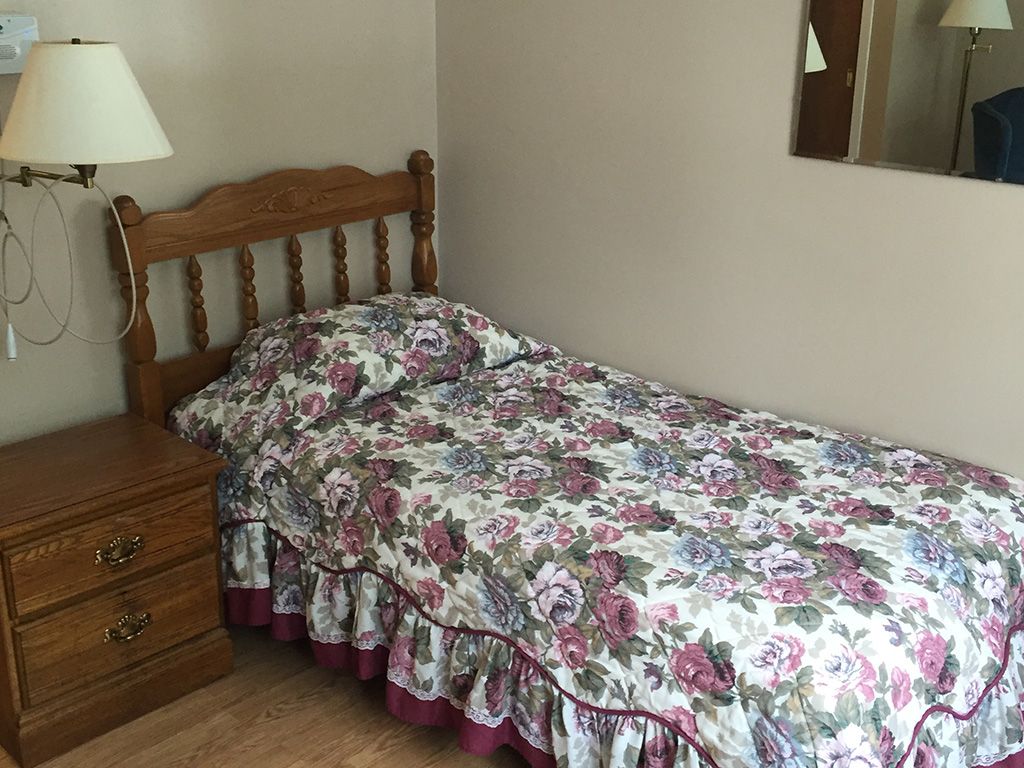
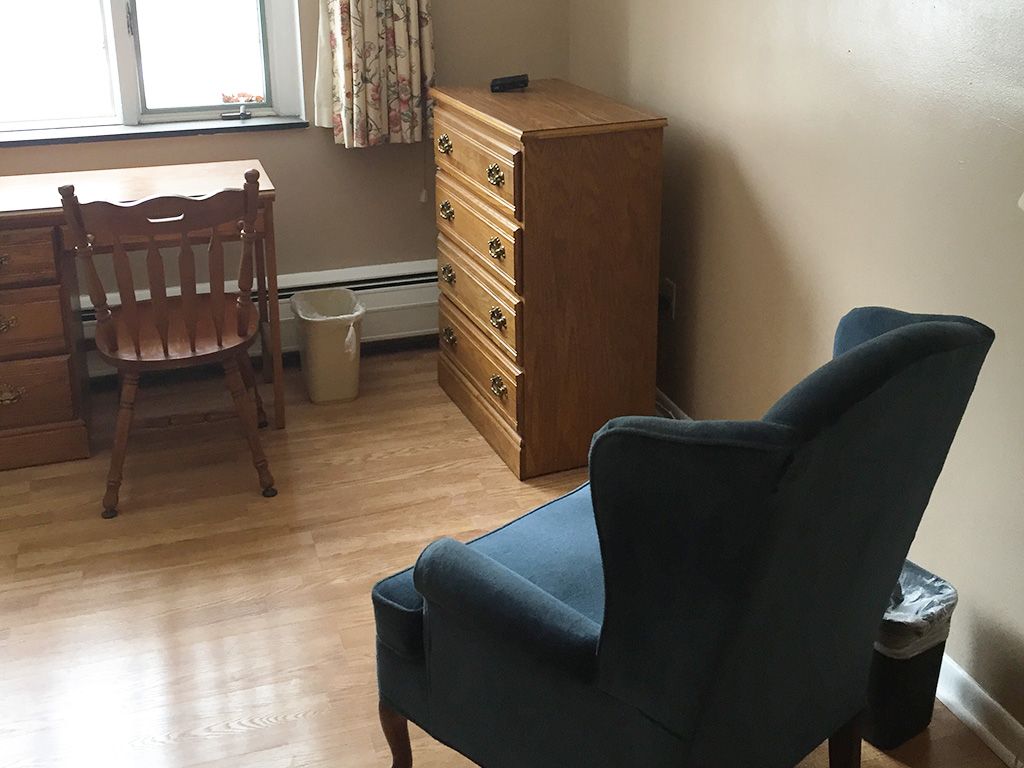
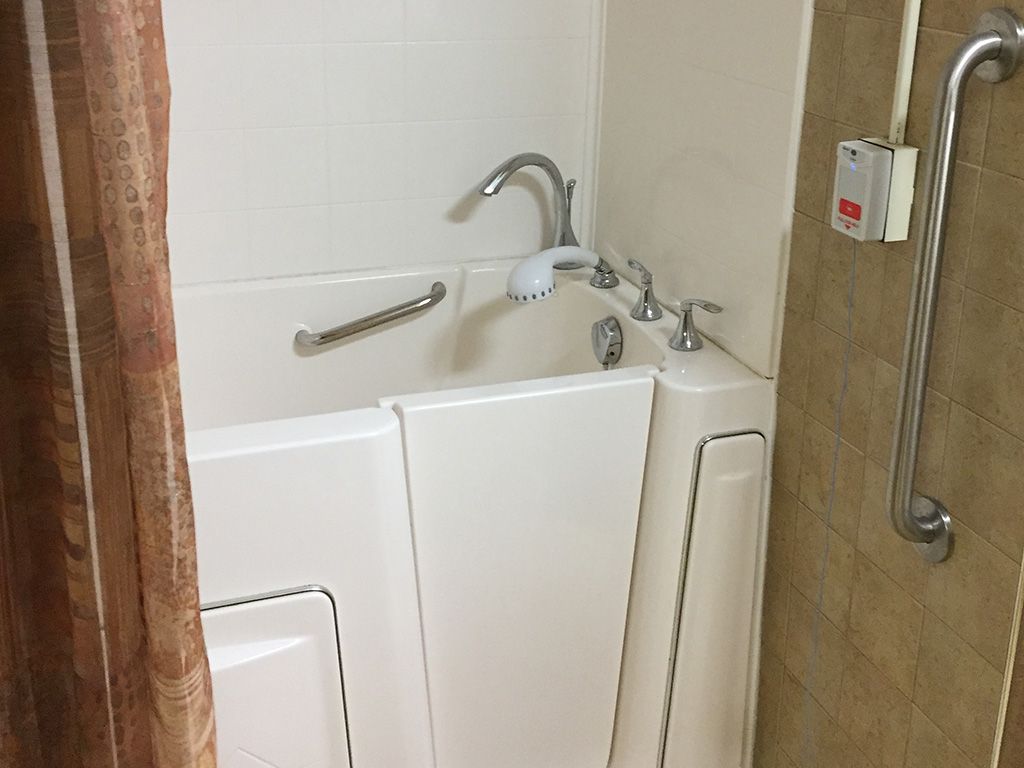
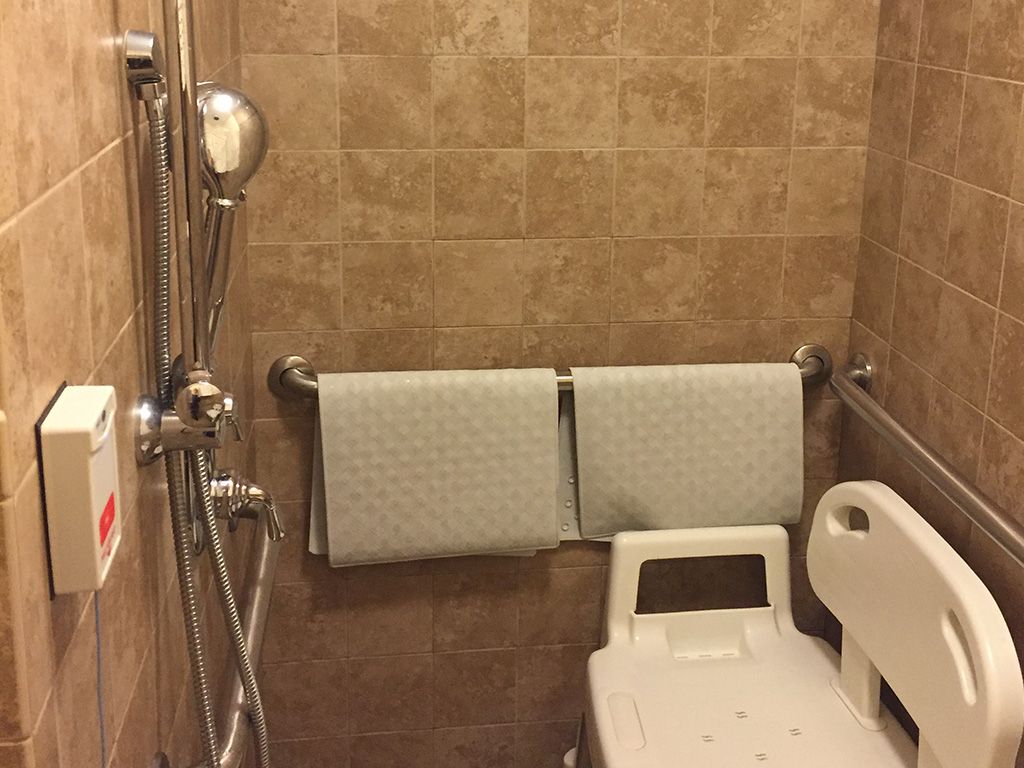
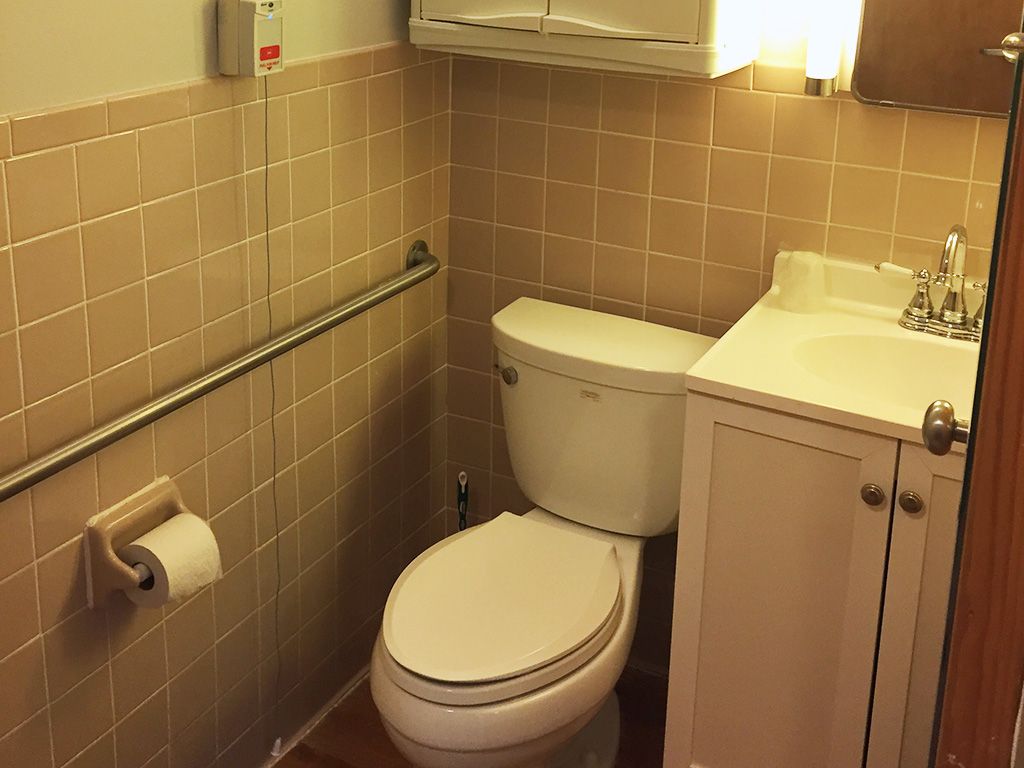
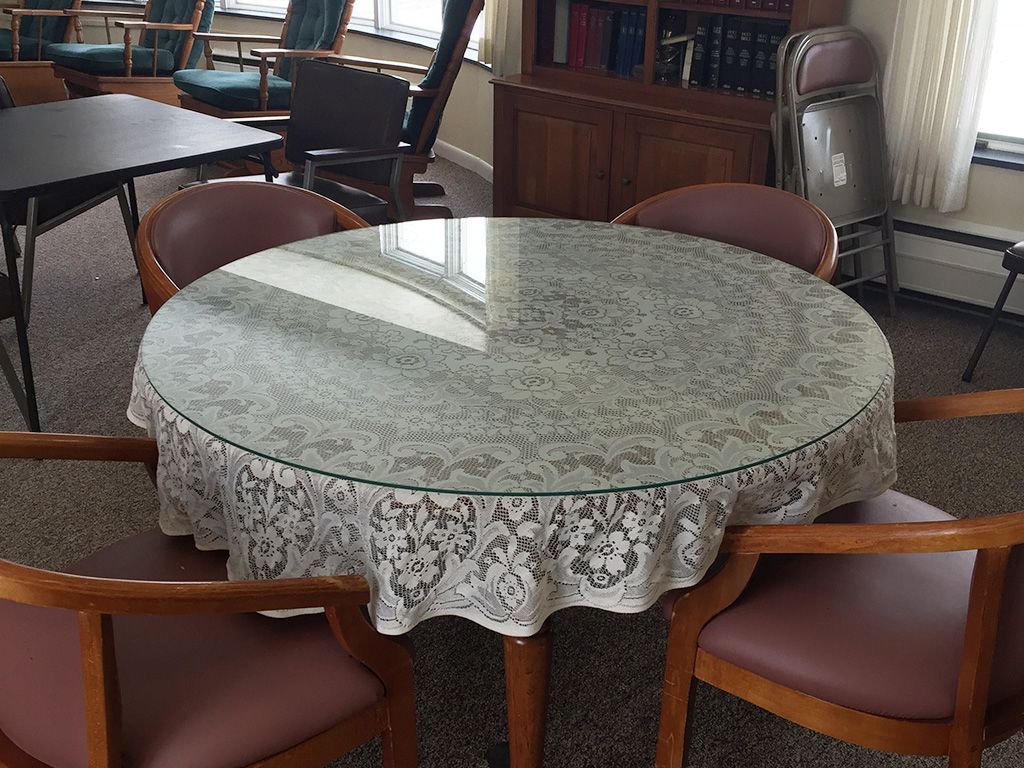
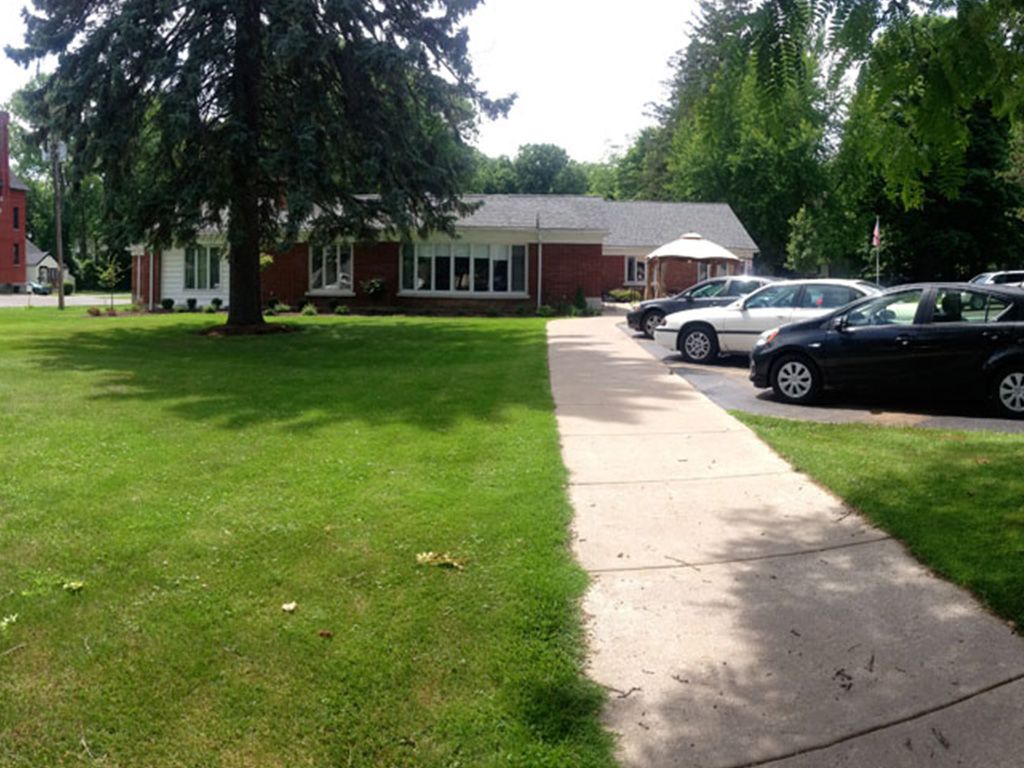
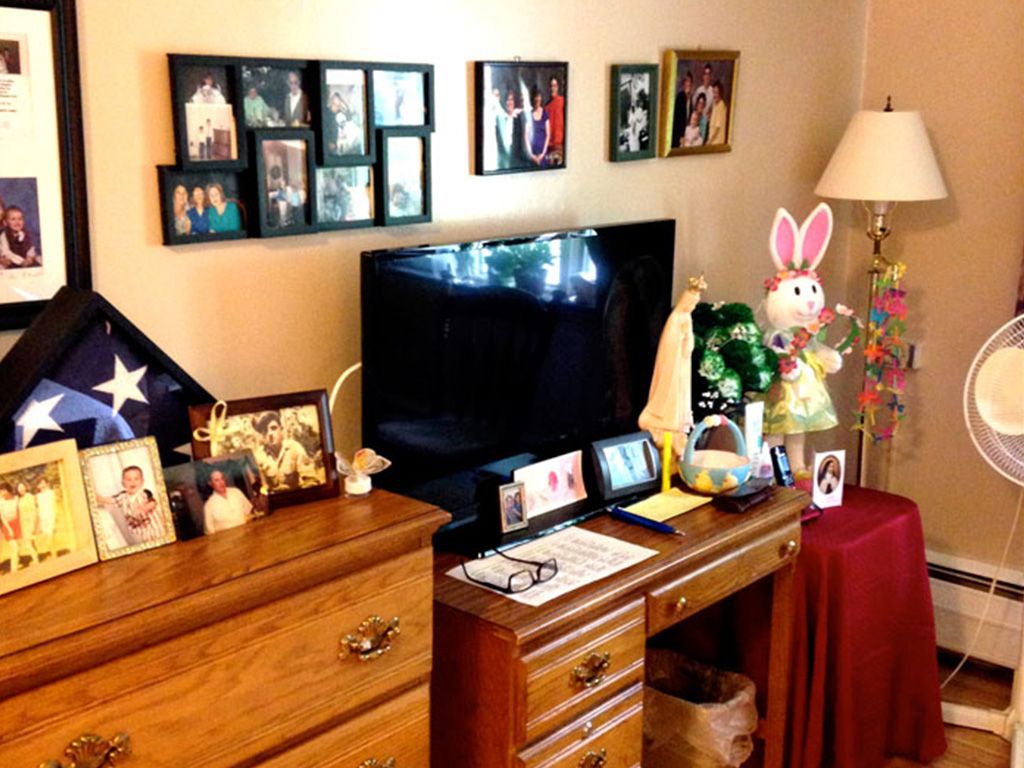
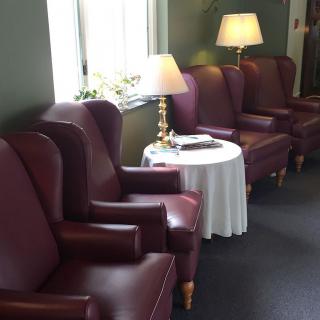
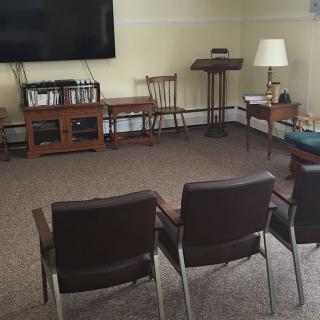
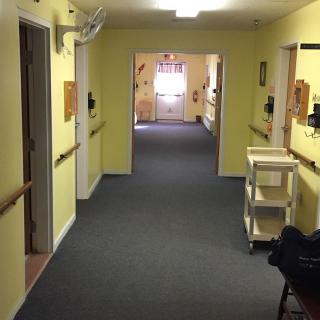
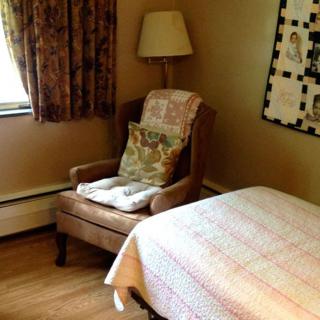
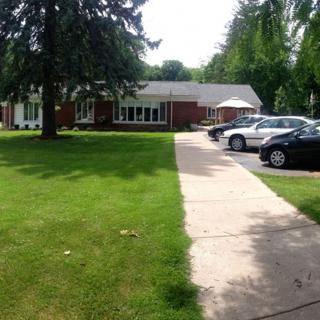
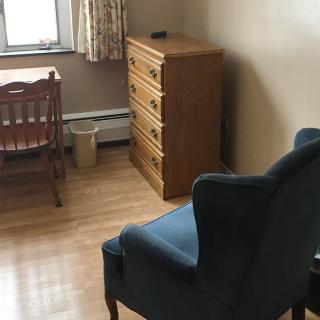
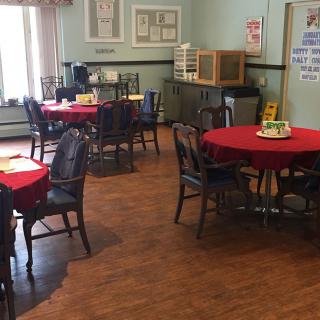
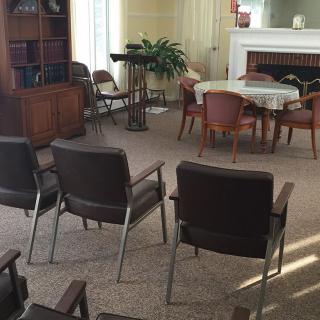
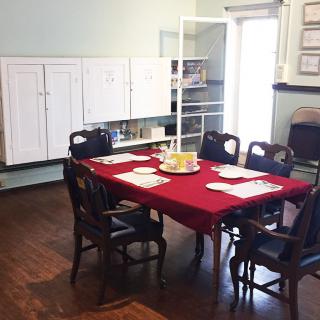
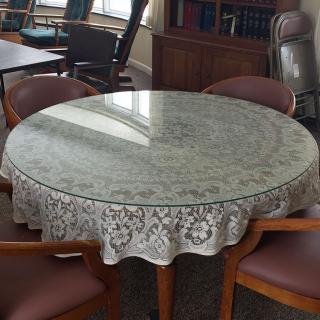
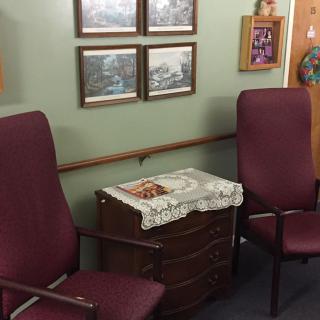
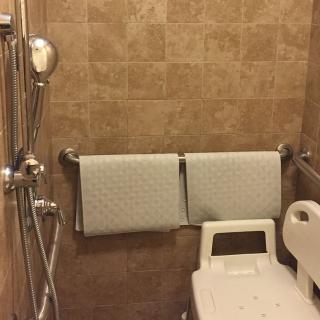
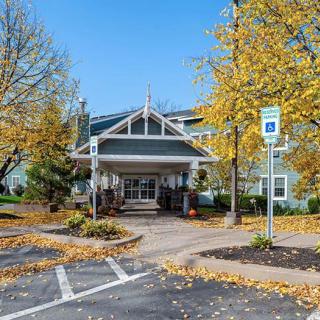
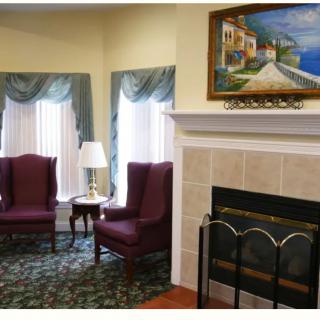
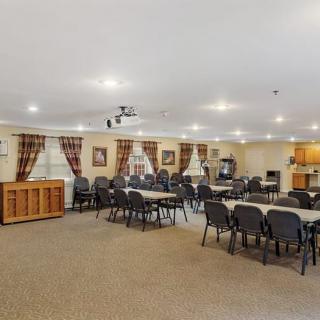
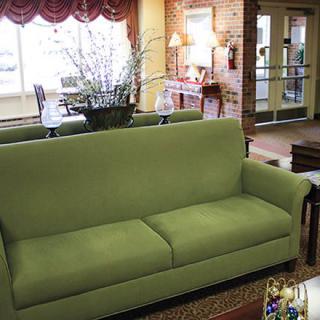
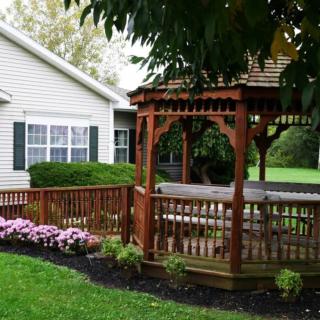
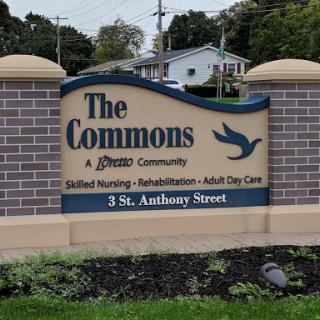
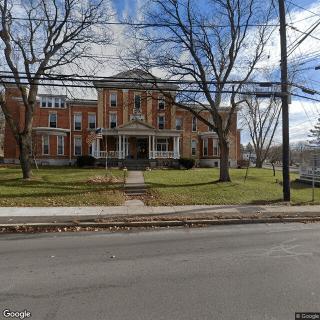
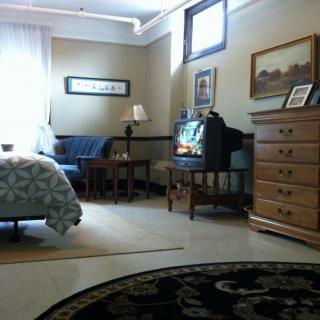
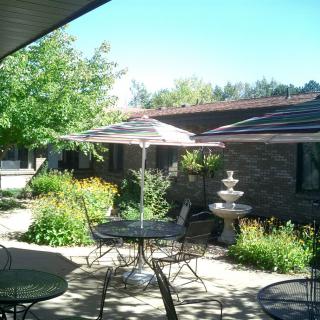
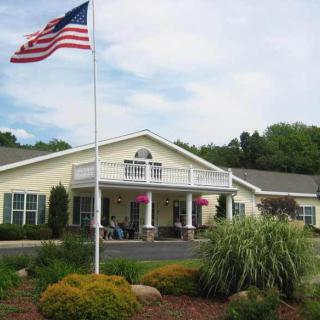
Westminster Manor on seniors.fyi includes 26 photos including images showing interior, bathroom, bedroom, living room, decor, grab bars, waiting area, quilt, and more.
Nearby Communities
Home Instead - Auburn, NY
Auburn, NY
4.5 from 11 reviews
Flexible, accommodating care with personalized caregiver matching.
Kalet South Side Home - Adults
Auburn, NY
4.3 from 14 reviews
Convenient South Side location with abundant nearby amenities and healthcare access.
The Commons On St Anthony
Auburn, NY
3.6 from 106 reviews
Extensive amenities with 24/7 care and restaurant-style dining.
Restmour Home For Adults
Auburn, NY
4 from 2 reviews
Fully furnished rooms with restaurant-style dining and 24/7 supervision
Faatz-Crofut Home For Elderly
Auburn, NY
5 from 15 reviews
Excellent access to nearby amenities and a compassionate setting.
Faatz Crofut Home For The Elderly
Auburn, NY
4.8 from 13 reviews
Warm, home-like atmosphere with friendly staff and engaging activities.
Northbrook Heights
Auburn, NY
3.7 from 25 reviews
Caring staff, clean environment, and engaging activities.
Camillus Ridge Terrace
Camillus, NY
4.1 from 14 reviews
Attentive staff who know residents by name; homelike atmosphere with engaging activities in a convenient location.
Huntington Living Ctr
Waterloo, NY
2.8 from 9 reviews
A few aides showed kindness; resident rooms are well-maintained and families can observe on-site.
Activities of Daily Living (ADLs) are fundamental tasks vital for an individual's independence, particularly in older adults over 85, and include functions like bathing and dressing; assessing ADLs alongside Instrumental Activities of Daily Living (IADLs) helps determine the level of required assistance due to age-related health challenges. Tailored support plans, involving family and community resources, are essential for maintaining dignity and autonomy in assisted living environments.
Medicare does not cover assisted living costs, as it focuses on acute medical needs and short-term care, with exceptions for certain medically necessary services like physical therapy. Individuals must explore other options such as Medicaid, veterans' benefits, or long-term care insurance to manage these expenses effectively.
Choosing between assisted living and nursing homes involves evaluating emotional and financial factors, with assisted living offering independence and support for daily activities at a lower cost, while nursing homes provide intensive medical care for individuals with significant health needs. The decision is influenced by personal preferences, health status, cognitive function, and varying Medicaid coverage across states.
Get PricingAsk A QuestionSchedule A TourContact Senior Advisor
By clicking submit, you agree to our Partner's Terms of Use. You
also consent to receive calls and texts, which may be autodialed, from our Partner. Your consent is not a condition to
using our Partner's service. Please visit our Partner's Privacy Policy for information about their privacy practices.

 37 resident community capacity
 Assisted Living
 Independent Living
 Activities off-site
 Beautician on-site
 Cable or satellite TV
 Devotional services off-site
 Dining room
 Fully furnished
 Garden
 Ground floor units
 Housekeeping services
 Indoor common areas
 Kitchenette
 Move-in coordination
 Outdoor common areas
 Respite or short term stays offered
 Restaurant-style dining
 Small library
 Telephone
 Wheelchair accessible showers
 Wi-Fi/high-speed internet available
 24-hour call system
 Ambulatory care
 Assistance with bathing
 Assistance with dressing
 Assistance with transfers
 Diabetes diet
 Diabetic care
 Incontinence care
 Medication management
 Mental wellness program
 Special dietary restrictions
 Art classes
 Catholic services
 Day trips and outings
 Educational speakers / life long learning
 Jewish services
 Wine tasting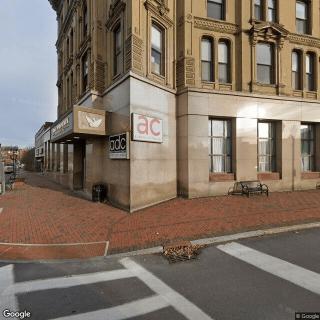
 Flexible, accommodating care with personalized caregiver matching.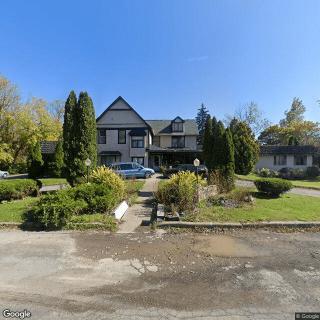


 Comprehensive Insights into Activities of Daily Living (ADLs) and Their Assessment
 Medicare Coverage for Assisted Living: An In-Depth Exploration
 Choosing the Right Senior Care: A Detailed Exploration of Assisted Living and Nursing Homes