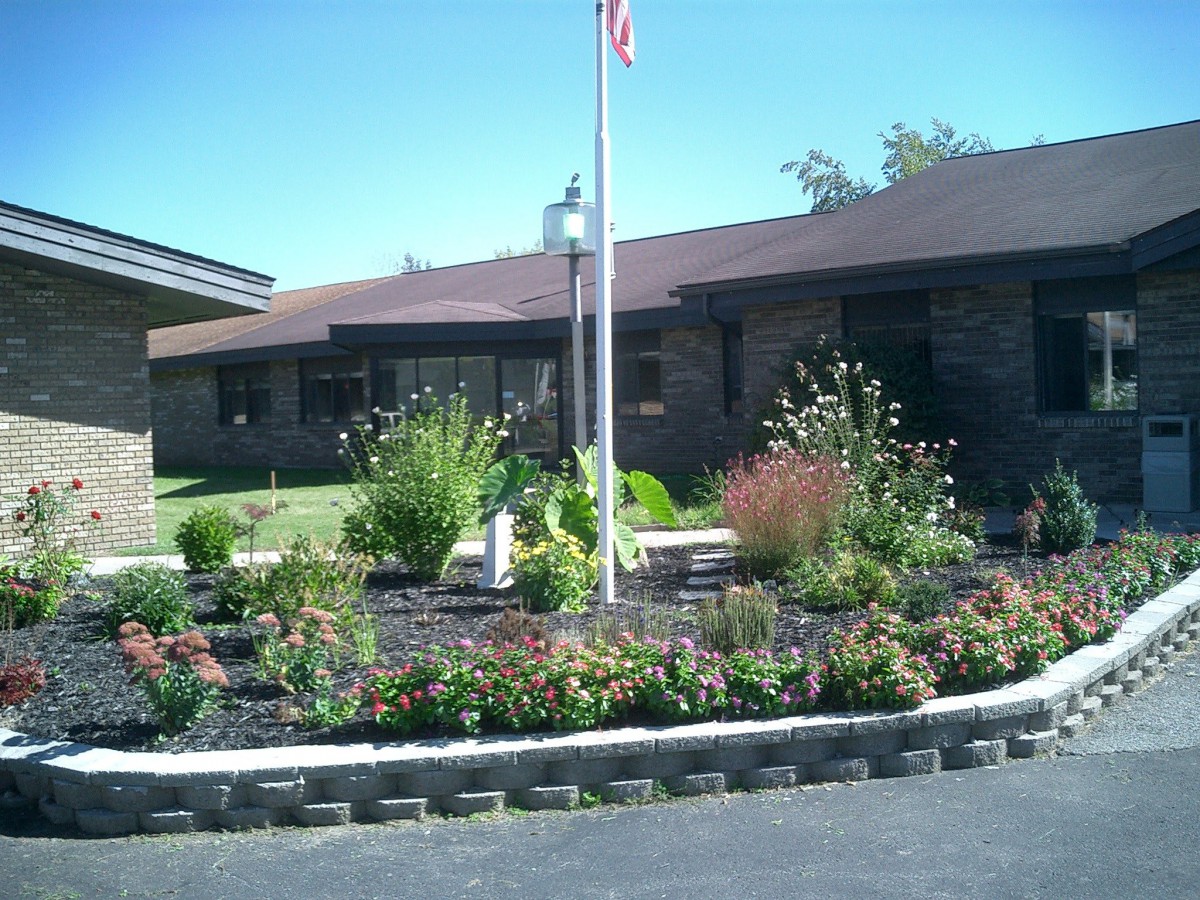

170 Murray St, Auburn, NY 13021
To contact a resident: (315) 253-2755
For more information about senior living options: (866) 208-4318
North Brook Heights Home for Adults Costs & Pricing
At North Brook Heights Home for Adults, monthly costs reflect competitive pricing within both Onondaga County and the broader New York State context. The facility offers semi-private rooms at a rate of $4,375, which is notably lower than the county average of $4,755 while also being slightly above the state average of $4,389. For those seeking more privacy, one-bedroom accommodations are available for $4,600; this cost is aligned with Onondaga County's rate of $4,270 but exceeds the state average of $4,307. Overall, North Brook Heights provides valuable options for prospective residents that balance affordability with quality care in a supportive environment.
| Floor plans | North Brook Heights Home for Adults | Onondaga County | New York |
|---|---|---|---|
| Semi-Private | $4,375 | $4,755 | $4,389 |
| 1 Bedroom | $4,600 | $4,270 | $4,307 |
Assisted Living communities with a similar price nearby
-
from -$831 / mo

Westminster Manor
$3,544 to $4,635 / month1.8 miles away -
from -$459 / mo
Park Terrace at Radisson
$3,916 to $5,182 / month20.7 miles away -
from -$455 / mo
Brookdale Liverpool
$3,920 to $5,270 / month20.3 miles away -
from -$455 / mo
Brookdale Bellevue
$3,920 / month17.9 miles away -
from -$550 / mo
The Inn Menorah Park
$3,825 to $4,920 / month24.9 miles away
Overall Review of North Brook Heights Home for Adults
Pros
 They are happy with their choice to place a loved one at Northbrook.
- The new management has worked their magic; the team is fantastic and cares about residents.
- The staff and management are courteous and helpful.
- They have worked hard to accommodate residents' special needs and show kindness, compassion, and respect.
- The intake and move-in process is a dream, with staff guiding families along the way.
- With the new management, residents seem happier and the facility is noticeably improved.
- They take excellent care of residents with dementia and go out of their way to help; residents are safe.
- New residents fall in love with the staff; nurses introduce themselves and the kitchen staff make good food.
- The staff are sweet, helpful, and like family; the care reduces strain and improves mobility.
- The facility is clean and well-maintained, with many staff helping residents.
- The community is great; staff genuinely care about residents’ well-being; good food and activities.
- Everything is fantastic; the home is a perfect pick; the staff are wonderful; strongly recommend.
Cons
 They wish they could give zero stars and call it the worst place ever, noting staff are treated horrendously and long-tenured employees are terminated over the phone and must fight for benefits.
- They state the facility does not follow legal termination protocols, such as providing COBRA notices.
- They label the place as awful.
- They criticize the kitchen and menu, suggesting the kitchen staff do not know how to cook and ingredients may be scarce.
- They fault the new staffing changes, saying experienced staff were replaced by underqualified personnel and that proper social-work credentials are lacking.
- They describe the facility as sterile, with a hospital-like feel.
- They note that enhanced assisted living options are not offered.
Review
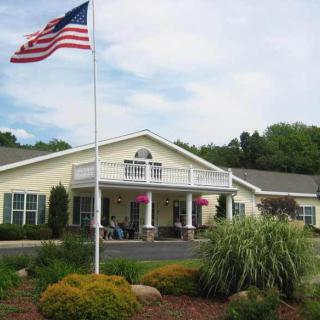
North Brook Heights Home for Adults is best suited for seniors who want a compassionate, hands-on caregiving environment where staff actively engage residents and manage day-to-day needs. The community shines for families seeking a facility with demonstrable kindness, real personal attention, and a clear commitment to safety and daily structure. Residents dealing with memory challenges or mobility limitations will find staff who take time to understand individual routines, celebrate small wins, and coordinate with families during the move-in process. The recent shift in management has noticeably improved morale and resident satisfaction, making the environment feel warmer and more attentive than in the past.
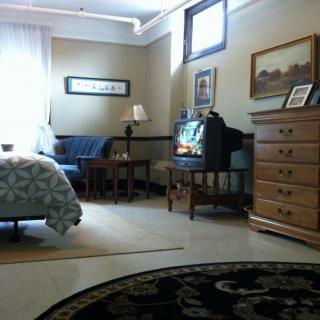
That said, there are clear reasons some families may want to consider alternatives. For those whose loved ones require a higher level of clinical oversight or an “Enhanced” assisted living option, this community does not appear to offer that elevated level of care. The facility’s atmosphere can feel hospital-like to some visitors, with a concrete-and-tile aesthetic that may not suit everyone seeking a more homey feel. And for families prioritizing long-term leadership stability and a consistently low staff turnover, the history of management changes and occasional staff-relation concerns highlighted in reviews suggests a need for careful probing during tours and intake.
On the upside, the strongest pros, genuine care from staff, a smooth intake and move-in experience, and a culture of responsiveness, often offset the main drawbacks. Families repeatedly point to courteous, compassionate caregivers who know residents’ names, respond quickly to questions, and coordinate activities and meals with thoughtfulness. The new management pairing has been a turning point, translating into happier residents and noticeable improvements in the overall atmosphere. Cleanliness and a well-run kitchen, plus regular social activities, contribute to a sense of vitality that many families value when choosing this community.
However, the cons deserve direct consideration. A subset of reviews mentions staff terminations and concerns about how those changes were handled, including references to nonstandard employment practices. There are occasional remarks about a depersonalized feel, with residents feeling like “cogs in a wheel” when routines become rigid or transitions occur rapidly. The facility’s design and ambiance, more clinical than cozy, may dampen the sense of home for some, and the lack of an Enhanced ALS option means that memory care or higher-intensity services could require planning beyond what is offered here. Finally, a few diners and family contributors describe uneven food experiences and variability in front-office management as factors to verify before committing.
The practical takeaway is that the positives can substantially outweigh the negatives for families who value care, connection, and a community that has shown measurable improvement under new leadership. The staff’s willingness to go the extra mile, assisting with insurance concerns, helping residents adapt to daily routines, and providing a supportive, familial vibe, creates a strong safety net for both residents and their loved ones. The alignment of good meals, meaningful activities, and a transparent intake process helps families feel confident about a smooth transition, even when there are questions about the environment’s formality or future staffing stability.
For families evaluating this community, an action-focused approach makes sense. Schedule a live visit and interview the administrator about current staffing ratios, caregiver tenure, and how the facility handles staff changes without disrupting resident routines. Ask to review a sample memory-care plan or observe a care meeting to gauge how individualized attention is delivered. Confirm whether Medicaid is accepted and how it coordinates with private pay, and clarify what levels of care are truly available on-site and when transitions to higher levels of care would be necessary. Finally, request a short-term stay or trial period if possible, to experience firsthand how the team responds to daily needs and emergencies while assessing whether the home truly feels like a fit for long-term living.
 Assisted Living
 Activities off-site
 Air-conditioning
 Bath tubs
 Beautician on-site
 Devotional services on-site
 Ground floor units
 Indoor common areas
 Outdoor common areas
 Wheelchair accessible showers
 Wi-Fi/high-speed internet available
 Ambulatory care
 Diabetic care
 High acuity care
 Incontinence care
 Medication management
 Guest meals
 Brain fitness
 Cooking classes
 Day trips and outings
 Gardening club
 Happy hour
 Live dance or theater performances
 Live musical performances
 Live well programs



 Vibrant Senior Living: A Comprehensive Guide for Active Older Adults
 When to Transition from Assisted Living to Memory Care: Key Indicators, Steps, and Finding the Right Community
 Assisted Living and Memory Care: Understanding Their Core Differences