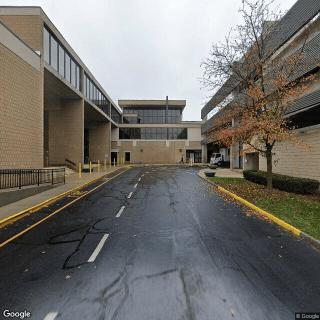
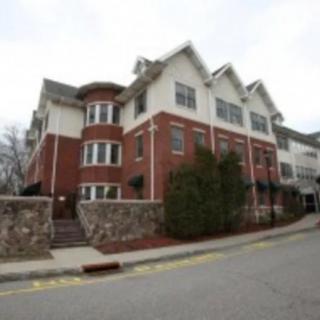
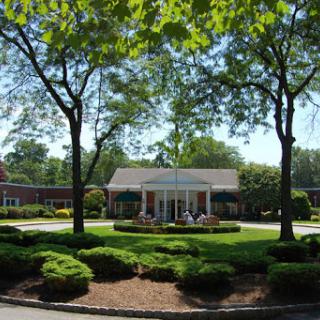
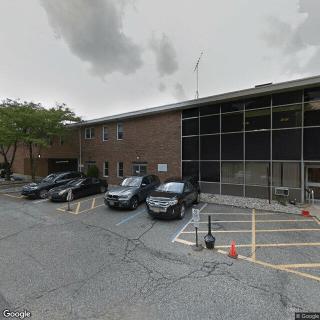
Stratford Manor Rehabilitation And Care Center in West Orange, NJ

Information last verified:

787 Northfield Avenue, West Orange, NJ 07052

For more information about senior living options: (844) 490-3973

3.9 from 110 reviews
5 stars
70
4 stars
9
3 stars
3
2 stars
5
1 stars
23

Seniors.FYI Elite Community Awards

Top 5% Senior Living Community in 2026

Add this award to your website

Overall Review of Stratford Manor Rehabilitation And Care Center

Pros

  • pro Stratford Manor's interdisciplinary team blends professionalism with compassion, creating a family-like caregiving environment.
  • pro The facility is described as a 5-star, Medicaid and Medicare approved sub-acute/rehabilitation and full-service long-term nursing home.
  • pro The building is notably clean, with well-maintained patient rooms and spaces.
  • pro The physical therapy department is state-of-the-art, with a brand-new therapy gym that helps residents regain mobility.
  • pro CNAs such as Peta-Gaye and Elizabeth are exceptional and provide attentive, supportive care.
  • pro Nurses like Stephen, Nemo, and Paula deliver quality health care above and beyond.
  • pro Rosalyn, the wound nurse, is exceptional, with a calming bedside manner and thorough wound care.
  • pro Therapists Joy, Marlena, and Daniel are highly professional and their encouragement motivates patients to work harder.
  • pro The staff are friendly, attentive, and caring, contributing to a warm, home-like atmosphere.
  • pro The recreation department, led by Carrie and her team, provides engaging activities that uplift residents and foster community.

Cons

  • pro Several CNAs demonstrated unprofessional attitudes when approached with questions or requests for assistance.
  • pro Communication with family members was inconsistent, particularly regarding medication changes and medical updates.
  • pro The facility’s cleanliness and maintenance were concerning, with rooms and shared spaces frequently unclean and odors persistent, and beds/equipment worn or poorly maintained.
  • pro Personal belongings were mishandled, including clothing, and staff sometimes packed belongings against the family’s wishes or misrepresented care needs to insurance.
  • pro Food service was a significant concern: meals were often served cold and of low quality, and the kitchen appeared inadequately equipped.
  • pro The menu offered limited variety and little nutritional diversity.
  • pro Access to staff and timely updates were challenging; the nurses’ station was often difficult to reach by phone.
  • pro Some staff were described as rude, insensitive, or unprofessional, with reports of delayed care and unresponsiveness to call bells.

Review

Stratford Manor Rehabilitation and Care Center in West Orange is best suited for older adults who meet their rehabilitation goal: to regain function and return home, supported by a robust physical therapy program, a clean and welcoming environment, and a team that many residents and families describe as genuinely caring. The facility presents a concrete value proposition for short- or longer-term rehab needs when mobility improvement, a state-of-the-art therapy gym, and a well-coordinated interdisciplinary approach are the priority. For residents who thrive on structured daily routines, social programming, and visible progress in therapy, Stratford Manor delivers tangible benefits that can translate into real-world mobility and independence gains.

However, consideration should be given to those who may want to explore alternatives. The reviews reveal a wide spectrum of experiences, from exceptionally positive to deeply troubling. Some families report responsive, compassionate care across nursing, therapy, and social services, while others recount inconsistent communication, delays in assistance after call bells, or disquieting experiences around discharge planning and adherence to safety expectations. Several reviewers raise serious concerns about cleanliness, odors, and equipment maintenance in parts of the building, alongside accounts of staff attitudes that can feel dismissive or hurried. In light of these divergent reports, families prioritizing flawless communication, rigorous safety oversight, and uniformly consistent daily care should compare Stratford Manor with other options before deciding.

The strongest positives at Stratford Manor cluster around the rehab-first model and the people delivering it. The physical therapy program is consistently praised as thorough and effective, with reviews highlighting a dedicated therapy staff, a modern therapy gym, and measurable mobility gains that helped residents regain independence. Cleanliness and a home-like atmosphere are frequently cited, along with a comprehensive recreation program that keeps residents engaged through activities, social events, and individualized attention from recreation staff. Wound care and certain nursing staff are singled out for their competence, empathy, and ability to coordinate with physicians and families. When these elements align, Stratford Manor creates a pathway to meaningful progress and a sense of dignity for residents undergoing rehabilitation.

Yet the same reviews do not overlook meaningful drawbacks. A recurring theme is unevenness in day-to-day responsiveness: calls for assistance can be delayed, medications may be late, and families report difficulty reaching the nurses’ station or getting timely updates on care plans. Food quality and meal service are another hot spot, with some residents enjoying steady nourishment and variety, while others describe cold meals and equipment limitations that hamper safe, fresh preparation. The discharge process is another pressure point for some families, with concerns about how transitions are explained and managed, and in a few cases, troubling anecdotes about withholding or mismanaging personal belongings. Taken together, these issues suggest that Stratford Manor can deliver excellent rehab results and a compassionate atmosphere, but only if communication lines stay open and operational pitfalls are managed consistently.

From a decision-making perspective, Stratford Manor makes the most sense for families who can actively participate in oversight and who place a premium on a high-caliber therapy program and a welcoming, clean environment. Pros offset many of the cons where therapy momentum, daily routines, and staff engagement drive practical outcomes, mobility improvement, participation in meaningful activities, and a sense of being cared for. On the other hand, households that require near-perfect reliability in response times, medication management, and discharge coordination should either probe deeper into these capabilities before admission or consider alternatives with stronger track records in those specific domains. The broad spread in review sentiment indicates that the facility can be an outstanding match for some residents and a poor fit for others.

For families weighing Stratford Manor, practical next steps matter as much as reputational notes. Visit with a laser focus on responsiveness: observe night and weekend staffing, test calls to the nurses’ station, and ask how quickly a resident’s needs are addressed. Review the care plan process: request concrete timelines for therapy, medications, and daily tasks; confirm who coordinates with the primary physician and how families receive updates about medical changes. Probe housekeeping and food service: tour rooms at various times, inquire about odor control and sanitation protocols, and discuss menu variety and accommodations for dietary restrictions. Finally, review the discharge planning process, and ask for clear guidance on when a resident is ready to return home and how follow-up care is coordinated.

In the end, Stratford Manor stands out as a capable, rehab-focused community with many residents thriving under a strong therapy regimen and a caring, engaged staff. The facility’s merit rests on clean environments, a robust PT program, and an ecosystem of social and wound-care supports that can meaningfully improve function and well-being. However, the decision should be guided by a clear assessment of communication reliability, responsiveness, and safe, consistent daily care. For families who can maintain proactive oversight and who prioritize rehab outcomes, Stratford Manor is a compelling option. For those who cannot tolerate noticeable gaps in accessibility, consistency, or safety, it would be prudent to explore alternatives to ensure peace of mind and alignment with a loved one’s precise needs.

Features

Housing

  • 131 resident community capacity 131 resident community capacity

Types of Care

  • Skilled Nursing Facility Skilled Nursing FacilitySkilled Nursing Facilities are crucial for seniors as they provide round-the-clock medical care, rehabilitation services, and assistance with daily activities. These facilities ensure that seniors receive the specialized care they need to maintain their health and well-being as they age.

Amenities

  • Air-conditioning Air-conditioningAir conditioning is important for seniors as they are more vulnerable to heat-related illnesses and may have underlying health conditions that make it difficult for them to regulate their body temperature. It helps to keep them comfortable, safe, and healthy in hot weather.
  • Beauty salon Beauty salonBeauty salons are important for seniors because they provide a space for them to feel pampered, socialize, and maintain their personal grooming and hygiene. Regular visits to a beauty salon can help boost seniors' self-esteem and overall well-being.
  • Cable or satellite TV Cable or satellite TVCable or satellite TV is important for seniors because it provides entertainment, news, and companionship, helping to combat loneliness and boredom. It also offers a wide range of programming options tailored to different interests and preferences.
  • Computer center Computer centerA computer center is essential for seniors as it provides access to technology, communication tools, and resources that can enhance their daily lives. It allows them to stay connected with loved ones, engage in online activities, and learn new skills, ultimately promoting socialization and mental stimulation.
  • Dining room Dining roomDining rooms are important for seniors as they provide a space for socialization, connection, and nutritious meals. They offer opportunities for residents to bond over shared meals, foster a sense of community, and promote healthy eating habits. Dining rooms also ensure that seniors have access to well-balanced meals tailored to their dietary needs and preferences.
  • Fitness room Fitness roomHaving a fitness room in a senior living community is essential for seniors to stay active, maintain their physical health, and improve their overall well-being. Regular exercise can help prevent falls, reduce the risk of chronic diseases, and promote mental sharpness. It also provides social opportunities for residents to connect with others and enjoy a sense of community.
  • Fully furnished Fully furnishedFully furnished senior living communities are important for seniors because they provide convenience, comfort, and a hassle-free moving experience. Seniors can easily settle into their new living space without the stress of having to buy and move furniture. This allows them to focus on enjoying their new home and community.
  • Gaming room Gaming roomGaming rooms are important for seniors as they provide a fun and engaging environment for socializing, cognitive stimulation, and physical activity. Games can improve memory, problem-solving skills, and overall mental well-being while fostering friendships and reducing feelings of isolation.
  • Garden GardenGardens are important for seniors as they provide a peaceful and therapeutic environment for relaxation, physical activity, and socialization. Being in nature has been shown to reduce stress, improve mood, and promote overall well-being. Gardens also offer opportunities for seniors to engage in gardening activities, which can improve mobility, flexibility, and cognitive function. Additionally, gardens create a sense of community and connection with others who share a passion for plants and outdoor spaces.
  • Housekeeping services Housekeeping servicesHousekeeping services are important for seniors because they help maintain a clean and safe living environment, promote independence, and reduce the risk of accidents or illnesses. Additionally, having assistance with household chores can alleviate physical strain and allow seniors to focus on other aspects of their well-being.
  • Kitchenette KitchenetteKitchenettes are important for seniors living in senior living communities because they provide the convenience and independence of being able to prepare simple meals and snacks in the comfort of their own living space. This can help promote a sense of autonomy and well-being for seniors, allowing them to maintain some level of control over their dietary choices and daily routines.
  • Move-in coordination Move-in coordinationMove-in coordination is important for seniors because it helps ease the transition into their new living environment. It ensures that all logistics, such as packing, organizing movers, and setting up utilities are taken care of, allowing seniors to focus on settling in and adjusting to their new home. Having a smooth move-in process can alleviate stress and anxiety, making the transition smoother and more enjoyable for seniors.
  • Outdoor space Outdoor spaceOutdoor spaces are important for seniors as they provide opportunities for physical activity, social interaction, exposure to natural light and fresh air, and a sense of connection to nature. Having access to outdoor spaces can improve overall well-being and quality of life for older adults living in senior communities.
  • Private bathrooms Private bathroomsPrivate bathrooms are important for seniors in senior living communities because they provide independence, dignity, and comfort. Having a private bathroom allows seniors to maintain their personal hygiene routines without the need for assistance, promoting a sense of autonomy and privacy. Additionally, private bathrooms help prevent the spread of infections and provide a safe and clean environment for seniors to navigate safely.
  • Restaurant-style dining Restaurant-style diningRestaurant-style dining is important for seniors because it allows them to enjoy delicious, nutritious meals in a social and upscale setting. This enhances their dining experience, promotes healthy eating habits, and fosters socialization with fellow residents, ultimately contributing to their overall well-being and quality of life.
  • Small library Small librarySmall libraries are important for seniors as they provide access to a variety of reading materials, including books, newspapers, and magazines. This can help stimulate their minds, keep them engaged, and provide a sense of community through book clubs and other social activities. Additionally, reading has been shown to improve cognitive function and overall mental well-being in older adults.
  • Telephone TelephoneTelephones are important for seniors as they provide a lifeline for communication with loved ones, emergency services, and healthcare providers. They offer a sense of security and independence, enabling seniors to stay connected and access assistance when needed.
  • Wellness center Wellness centerWellness centers are important for seniors because they offer a variety of programs and services that promote physical, mental, and emotional well-being. These centers provide opportunities for exercise, socialization, education, and relaxation, helping seniors maintain their overall health and quality of life.
  • Wi-Fi/high-speed internet available Wi-Fi/high-speed internet availableWi-Fi/high-speed internet is important for seniors to stay connected with loved ones, access online resources, and participate in virtual activities to combat feelings of loneliness and isolation. It also allows them to easily manage healthcare needs, access entertainment, and engage in lifelong learning opportunities.

Transportation

  • Newark International (9 miles away) Newark International (9 miles away)
  • LaGuardia (22 miles away) LaGuardia (22 miles away)
  • Community operated transportation Community operated transportationCommunity operated transportation is crucial for seniors as it provides them with the means to access essential services, social activities, and medical appointments. It allows seniors to maintain their independence and quality of life by ensuring they can participate in activities outside of their homes. Additionally, community-operated transportation services offer a safe and reliable way for seniors to travel without having to rely on family or friends for assistance.
  • Transportation arrangement Transportation arrangementTransportation arrangements are crucial for seniors as they may face challenges with driving, mobility, or access to public transportation. Having reliable transportation services ensures that seniors can easily attend appointments, social activities, and maintain their independence and quality of life.
  • Transportation arrangement (non-medical) Transportation arrangement (non-medical)Transportation arrangements are essential for seniors as they provide access to essential services, activities, and social interactions outside the home. This service helps maintain independence, mobility, and overall well-being for seniors who may have limited transportation options.
  • Transportation to doctors appointments Transportation to doctors appointmentsTransportation to doctors appointments is crucial for seniors as it ensures they have access to necessary medical care and support, promoting their health and well-being. It allows them to receive timely treatment, monitor existing conditions, and address any new health concerns efficiently. Additionally, transportation services can help seniors maintain their independence and quality of life by enabling them to stay connected with their healthcare providers.

Care Services

  • 12-16 hour nursing 12-16 hour nursing12-16 hour nursing care is crucial for seniors in order to ensure around-the-clock monitoring, timely medication administration, and prompt response to any health concerns or emergencies. This level of care helps to promote the overall well-being and safety of seniors living in senior living communities.
  • 24-hour call system 24-hour call system24-hour call systems are important for seniors because they provide peace of mind and immediate assistance in case of emergencies. This technology ensures that help is always available, promoting safety and security for elderly individuals living alone or in assisted living facilities.
  • 24-hour supervision 24-hour supervision24-hour supervision is important for seniors to ensure their safety, well-being, and access to immediate assistance in case of emergencies or health issues. This constant support provides peace of mind for both seniors and their loved ones, allowing them to age in place with dignity and security.
  • Activities of daily living assistance Activities of daily living assistanceActivities of daily living assistance are important for seniors because they provide essential support with tasks such as eating, bathing, dressing, and mobility. This assistance helps seniors maintain their independence, dignity, and overall quality of life as they age.
  • Assistance with bathing Assistance with bathingAssistance with bathing is crucial for seniors as it helps maintain personal hygiene, prevents infections, and ensures their overall well-being and comfort. It also provides a sense of dignity and independence for seniors who may struggle with this task on their own.
  • Assistance with dressing Assistance with dressingAssistance with dressing is important for seniors because it helps maintain their independence, promotes personal hygiene, prevents accidents and injuries, and improves overall quality of life. This service ensures that seniors can continue to dress comfortably and confidently, despite any physical limitations they may have.
  • Assistance with transfers Assistance with transfersAssistance with transfers is crucial for seniors as it helps prevent falls and injuries, maintains their independence, and ensures they can safely navigate their living environment. It also provides peace of mind for both seniors and their loved ones.
  • Diabetes diet Diabetes dietA diabetes diet is crucial for seniors as it helps manage blood sugar levels, reduce risks of complications, and improve overall health and well-being. By following a balanced and nutritious diet tailored to their specific needs, seniors can better control their diabetes and enhance their quality of life.
  • Meal preparation and service Meal preparation and serviceMeal preparation and service are crucial for seniors as they may have limited mobility or energy to cook nutritious meals. Having access to healthy and convenient food options can ensure they are getting the proper nutrition needed to maintain their overall health and well-being.
  • Medication management Medication managementMedication management is crucial for seniors to ensure they are taking the right medications at the correct dosages and times. This helps prevent adverse drug interactions, reduces the risk of medication errors, and promotes overall health and well-being. Proactive management also allows for adjustments as needed based on changing health conditions or new prescriptions.
  • Mental wellness program Mental wellness programMental wellness programs are essential for seniors as they promote cognitive stimulation, emotional support, and social engagement. These programs help prevent isolation, depression, and cognitive decline, ultimately enhancing the overall quality of life for older adults.
  • Special dietary restrictions Special dietary restrictionsSpecial dietary restrictions are important for seniors because age-related changes in metabolism and health conditions can make it difficult for their bodies to process certain foods. By following a diet tailored to their specific needs, seniors can maintain their overall health and well-being, manage chronic conditions, and reduce the risk of complications such as malnutrition or food interactions with medications.

Dining

  • Diabetes diet Diabetes dietA diabetes diet is crucial for seniors as it helps manage blood sugar levels, reduce risks of complications, and improve overall health and well-being. By following a balanced and nutritious diet tailored to their specific needs, seniors can better control their diabetes and enhance their quality of life.
  • Special dietary restrictions Special dietary restrictionsSpecial dietary restrictions are important for seniors because age-related changes in metabolism and health conditions can make it difficult for their bodies to process certain foods. By following a diet tailored to their specific needs, seniors can maintain their overall health and well-being, manage chronic conditions, and reduce the risk of complications such as malnutrition or food interactions with medications.

Activities

  • Community-sponsored activities Community-sponsored activitiesCommunity-sponsored activities are important for seniors as they provide opportunities for social interaction, mental stimulation, and physical activity. These activities can help improve overall well-being, combat loneliness and isolation, and promote a sense of belonging and purpose among older adults.
  • Concierge services Concierge servicesConcierge services are essential for seniors as they provide assistance with daily tasks and errands, enhance their quality of life by offering convenience and personalized care, and promote a sense of safety and security.
  • Fitness programs Fitness programsFitness programs are crucial for seniors as they help improve strength, flexibility, balance, and overall well-being. Staying active can reduce the risk of chronic diseases, improve mental health, and enhance quality of life in older adults.
  • Planned day trips Planned day tripsPlanned day trips are important for seniors because they offer opportunities for socialization, mental stimulation, and physical activity. They provide a change of scenery and help seniors stay engaged and connected to their community, promoting overall well-being and quality of life.
  • Resident-run activities Resident-run activitiesResident-run activities are important for seniors as they encourage social interaction, creativity, and a sense of autonomy. These activities empower seniors to stay engaged and active in their community while fostering meaningful connections with their peers.
  • Scheduled daily activities Scheduled daily activitiesScheduled daily activities are important for seniors because they provide structure, socialization, mental stimulation, and physical activity. Engaging in regular activities can improve overall well-being and quality of life for seniors living in a community setting.

Description

Stratford Manor Rehabilitation And Care Center in West Orange, NJ is a premier assisted living community that prioritizes the well-being and comfort of its residents. With a range of amenities and care services, it offers a truly enriching and fulfilling experience.

The community boasts an array of amenities designed to cater to the diverse needs of its residents. A beauty salon ensures that residents can indulge in self-care and grooming, while access to cable or satellite TV allows them to stay entertained and connected to the outside world. Community operated transportation makes it convenient for residents to explore the surrounding areas, while a computer center enables them to stay connected digitally. The dining room provides a comfortable space for enjoying delicious meals prepared by skilled chefs. For recreation, there is a fitness room, gaming room, small library, and outdoor spaces such as gardens. Wi-Fi/high-speed internet keeps residents connected online.

In terms of care services, Stratford Manor offers 24-hour call system and supervision, ensuring that help is always readily available when needed. Highly trained staff provide assistance with activities of daily living such as bathing, dressing, and transfers. Special dietary restrictions are catered to with options like diabetes diet available. Medication management ensures that residents receive their medications in a safe and timely manner. Additionally, a mental wellness program promotes emotional well-being among residents.

The community also places emphasis on engaging activities for residents' enjoyment. Concierge services ensure that their needs are met promptly, while fitness programs encourage physical activity and vitality. Planned day trips offer opportunities for exploration and socialization outside the community premises. Resident-run activities allow them to take charge of their own entertainment choices, while scheduled daily activities keep them engaged throughout the day.

Situated in West Orange, NJ, Stratford Manor benefits from its close proximity to various amenities essential for daily living. Nearby cafes provide options for socializing over coffee or meals with friends or family members visiting the community. Numerous parks offer peaceful green spaces for recreational activities or leisurely strolls. Pharmacies and physicians in the vicinity ensure that residents have easy access to medical services, while nearby restaurants provide additional dining options. Transportation options make it convenient for residents to travel within the area. Places of worship enable residents to nurture their spiritual well-being, and hospitals nearby offer peace of mind knowing that medical care is readily accessible.

Overall, Stratford Manor Rehabilitation And Care Center offers a vibrant and supportive assisted living community where residents can enjoy a comfortable lifestyle with an array of amenities, personalized care services, engaging activities, and convenient access to essential amenities in the surrounding area.

Nearby Places of Interest

Hospitals

  • Saint Barnabas Medical Center (0.6 miles)

Restaurants

  • McLoone's Boathouse (0.7 miles)
  • McDonald's (0.8 miles)
  • The Able Baker (2.9 miles)
  • Shake Shack (3 miles)
  • Taco Bell (3.1 miles)
  • Millburn Delicatessen (3.2 miles)
  • Mayfair Farms Banquet Facilities (3.4 miles)

Physicians

  • Summit Medical Group (1.2 miles)
  • Summit Medical Group (2.5 miles)
  • Care Station Medical Group (2.7 miles)
  • Women First Health Center (3.2 miles)
  • Summit Medical Group (3.5 miles)
  • New Jersey Spine Center (4.5 miles)
  • Summit Medical Group (5.3 miles)

Cafes

  • Panera Bread (2.7 miles)
  • Starbucks (3 miles)
  • True Salvage Cafe (3.8 miles)
  • The Bread Stand (4.2 miles)
  • Panera Bread (4.6 miles)
  • Starbucks (5.2 miles)
  • Paper Plane Coffee Co. (5.4 miles)

Pharmacies

  • Walgreens (2.8 miles)
  • CVS Pharmacy (2.8 miles)
  • CVS Pharmacy (2.8 miles)
  • CVS Pharmacy (3.2 miles)
  • CVS Pharmacy (3.4 miles)
  • Walgreens (3.5 miles)
  • CVS Pharmacy (3.5 miles)

Places of Worship

  • Morrow Memorial United Methodist Church (2.8 miles)

Parks

  • Degnan Memorial Park (2.9 miles)
  • Memorial Park (3.1 miles)
  • Orange Park Nj (3.5 miles)
  • Eagle Rock Reservation (3.7 miles)
  • Milo S. Borden Park (3.7 miles)
  • South Mountain Reservation (3.8 miles)
  • Florham Park Recreation Department (5.6 miles)

Transportation

  • NJT - Maplewood Station (2.9 miles)
  • NJT - Millburn Station (3.1 miles)
  • NJT - Short Hills Station (3.4 miles)
  • NJT - Brick Church Station (4.1 miles)
  • East Orange Station (4.5 miles)
  • NJT - Summit Station (4.9 miles)
  • NJT - Watchung Station (6.3 miles)

Theaters

  • AMC East Hanover 12 (5.2 miles)

Frequently Asked Questions

Where is Stratford Manor Rehabilitation And Care Center?

Nearby Communities

  • JCC Metro West Memory Center

    JCC Metro West Memory Center

    West Orange, NJ

    4.4 from 101 reviews
    $3,449 to $4,138 / month

    pro Memory-care-focused with personalized, compassionate care in a serene setting; pricing is competitive for semi-private and private rooms versus county/state averages.


  • Spring Hills Post Acute Care of Livingston

    Spring Hills Post Acute Care of Livingston

    Livingston, NJ

    4.8 from 120 reviews
     

    pro Attentive staff, skilled therapy, and clear family updates.

  • Spring Hills Livingston

    Spring Hills Livingston

    Livingston, NJ

    4.4 from 53 reviews
    $1,846 to $9,500 / month

    pro Caring staff in a warm, active community with good dining and activities.

  • Atrium Post Acute Care Of Livingston

    Atrium Post Acute Care Of Livingston

    Livingston, NJ

    4.8 from 110 reviews
     

    pro Extensive amenities with 24/7 supervision.

  • Alaris Health At West Orange

    Alaris Health At West Orange

    West Orange, NJ

    3.8 from 114 reviews
     

    pro Helpful staff and a pleasant, well-equipped setting with good family communication.

  • Inglemoor Rehabilitation And Care Center Of Living

    Inglemoor Rehabilitation And Care Center Of Living

    Livingston, NJ

    3.9 from 56 reviews
     

    pro Clean facility with effective rehabilitation services and supportive therapists.

  • Complete Care at Summit Ridge

    Complete Care at Summit Ridge

    West Orange, NJ

    4.3 from 118 reviews
    $8,250 / month

    pro Friendly, caring staff with engaging activities and recently renovated spaces.

  • The Society House

    The Society House

    Livingston, NJ

    4.9 from 32 reviews
    $3,500 to $5,818 / month

    pro Compassionate staff in a clean, home-like setting with inclusive pricing.

  • Daughters Of Israel Pleasant Valley Home

    Daughters Of Israel Pleasant Valley Home

    West Orange, NJ

    3.1 from 38 reviews
     

    pro Compassionate staff and engaging activities with excellent dining.

Related Resources

  • weight training for seniorsWeight Training for Seniors: Building Strength and Vitality

    Weight training is vital for seniors to maintain muscle mass, bone density, and overall health, combating age-related declines through customized resistance exercises that enhance balance and well-being. Safe routines should start with realistic goals and proper form, while emphasizing gradual progress and consultations with healthcare providers to ensure safety and effectiveness.

  • what does the sandwich generation meanUnderstanding the Sandwich Generation: Stress and Responsibilities for Multigenerational Caregivers

    The Sandwich Generation comprises adults managing the dual responsibilities of caring for aging parents and raising children, leading to significant emotional, logistical, and financial challenges. This situation is exacerbated by longer life expectancies and cultural expectations, necessitating effective coping strategies and support resources to alleviate caregiver stress and burnout.

  • assistive devices for elderly8 Essential Assistive Devices for Older Adults

    The article highlights eight essential assistive devices that improve the independence and safety of older adults, addressing issues related to mobility, balance, vision, hearing, and dexterity. It emphasizes the importance of proper selection guided by healthcare professionals to enhance seniors' quality of life while allowing them to age in place.