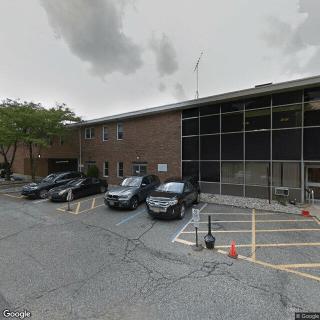
Atrium Post Acute Care Of Livingston

348 East Cedar Street, Livingston, NJ 07039

For more information about senior living options: (844) 490-3973

4.9 from 100 reviews
5 stars
94
4 stars
3
3 stars
0
2 stars
0
1 stars
3

Skilled Nursing Facility

Overall Review of Atrium Post Acute Care Of Livingston

Pros

  • pro Vanessa, the night nurse, provides care beyond what is expected and is praised for her compassion.
  • pro Perrette Abraham is recognized for excellent, attentive care and timely medication administration.
  • pro The staff, including Vanessa, Tenishe, Lynn, Sandra, Miss Bee, Sara, and Ann, are described as the best to work with and greatly appreciated.
  • pro Ernestina is very caring and helpful, treating patients well.
  • pro Nurse Bea and Ann John are noted as good and caring.
  • pro Sara Milord is described as helpful.
  • pro Chikaodi Nwaorga is lovely, waking patients with a smile and brightening mornings.
  • pro Donetta is a reliable caregiver who ensures meals, OT/PT coordination, and social engagement, making days pleasant.
  • pro Nicole and Marlene are outstanding caregivers who are consistently kind and attentive.
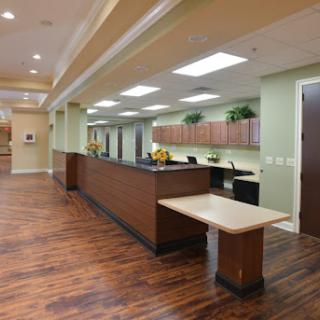
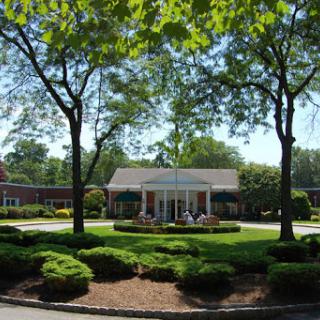
  • pro The facility is clean, professional, and highly recommended, with a warm, inviting environment that doesn't feel like a typical subacute facility.

Cons

  • pro The reviewer states the facility is filthy and unsanitary for a healthcare facility.
  • pro It is not adequately maintained by staff or management.
  • pro The reviewer believes many codes are being broken and that the Department of Health should take a serious look.
  • pro The manager was busy and did not speak with the reviewer about care or the room condition.
  • pro The manager should be fired for lacking the compassion healthcare providers are supposed to demonstrate.
  • pro The reviewer warns others not to send their loved ones to this facility; it is terrible.

Review

The collection of reviews about Livingston Post Acute Care paints a picture of a facility that evokes strong feelings - both frustration and gratitude - from families and residents. On one hand, a reviewer recounts a troubling first impression: a loved one needed a step-down rehab after a hospital stay, and the experience began with concerns about cleanliness, sanitation, and overall maintenance. The writer describes the environment as filthy and unsanitary for a health care facility, and notes that many health and safety codes appear to be violated. An encounter with the on-site manager during a visit left the family feeling unheard and dissatisfied, with a blunt call that the manager should be fired for lacking compassion. The message is clear: for some families, it's a stark warning to choose another facility that can truly aid in recovery.

Yet the same set of reviews quickly shifts to a contrasting, overwhelmingly positive tone from other families and residents. A recurring thread highlights exceptional bedside care, with specific praise lavished on night nurse Vanessa. Descriptions range from "major SHOUT out" to envisioning "100% stars" for Vanessa, who is portrayed as going above and beyond the call of duty. The sentiments emphasize not just professional competency but genuine affection and warmth - the kind of care that helps ease a difficult time when a loved one is recovering. Several reviewers stress that Vanessa embodies the compassion healthcare workers should demonstrate, suggesting she should be recognized or even rewarded for her dedication.

Beyond Vanessa, the praise extends to a broad array of staff, underscoring a culture of caring across multiple roles. A reviewer names Perrette Abraham explicitly and offers gratitude for excellent attention. Other staff members frequently cited with appreciation include Vanessa (LPN), Tenishe, Lynn, Sandra, Miss Bee, Sara, Ann, and many others. The impressions are consistently positive: staff are described as attentive, available, professional, and kind, with families expressing a strong desire for these caregivers to be acknowledged formally and to serve as a model for the facility's standards.

The narratives also recount deeply personal moments of connection. Several voices commend aides and nurses for their ability to brighten a day, support mobility and therapy, or simply offer friendly conversation that helps patients feel seen and valued. One detailed note highlights a patient's gratitude toward multiple caregivers who helped with daily routines, mobility, and recovery, including caregivers who helped with late-night and early-morning care, reminding readers that the small, steady acts of kindness can make a meaningful difference in overall well-being. A recurring motif is the sense that the staff's warmth translates into trust and comfort for both residents and families during a challenging period of rehabilitation.

Other testimonials spotlight the facility's environment as a welcoming, almost home-like space. Some reviewers emphasize the clean, well-maintained conditions and the impression that the facility does not resemble a sterile subacute unit, but rather an apartment-like setting with open, warm, and inviting areas. Mention is made of a supportive network that includes not only nurses and aides but also physical therapy teams - names like Alex and Zara - who contribute to a coherent, ongoing plan of care. The overall tone in these accounts is one of reassurance: with the right staff and environment, residents can regain a sense of normalcy and dignity during recovery.

Taken together, the reviews present Livingston Post Acute Care as a place of two-sided experiences. There are strong, eloquent affirmations of compassionate, patient-centered care delivered by a cadre of dedicated staff who go the extra mile to help residents feel secure and loved. At the same time, there are pointed critiques about cleanliness, responsiveness at the managerial level, and the importance of maintaining a consistently high standard of facility operations. For families evaluating care options, these narratives suggest that outcomes can depend significantly on which staff members are involved, and on the facility's ongoing attention to sanitation, communication, and compassionate leadership. In sum, the facility is seen by many as a place where exceptional caregiving thrives, even as others urge improvements in clinical environments and administrative responsiveness.

Features

Housing

  • 124 resident community capacity 124 resident community capacity

Types of Care

  • Skilled Nursing Facility Skilled Nursing FacilitySkilled Nursing Facilities are crucial for seniors as they provide round-the-clock medical care, rehabilitation services, and assistance with daily activities. These facilities ensure that seniors receive the specialized care they need to maintain their health and well-being as they age.

Amenities

  • Air-conditioning Air-conditioningAir conditioning is important for seniors as they are more vulnerable to heat-related illnesses and may have underlying health conditions that make it difficult for them to regulate their body temperature. It helps to keep them comfortable, safe, and healthy in hot weather.
  • Beauty salon Beauty salonBeauty salons are important for seniors because they provide a space for them to feel pampered, socialize, and maintain their personal grooming and hygiene. Regular visits to a beauty salon can help boost seniors' self-esteem and overall well-being.
  • Cable or satellite TV Cable or satellite TVCable or satellite TV is important for seniors because it provides entertainment, news, and companionship, helping to combat loneliness and boredom. It also offers a wide range of programming options tailored to different interests and preferences.
  • Computer center Computer centerA computer center is essential for seniors as it provides access to technology, communication tools, and resources that can enhance their daily lives. It allows them to stay connected with loved ones, engage in online activities, and learn new skills, ultimately promoting socialization and mental stimulation.
  • Dining room Dining roomDining rooms are important for seniors as they provide a space for socialization, connection, and nutritious meals. They offer opportunities for residents to bond over shared meals, foster a sense of community, and promote healthy eating habits. Dining rooms also ensure that seniors have access to well-balanced meals tailored to their dietary needs and preferences.
  • Fitness room Fitness roomHaving a fitness room in a senior living community is essential for seniors to stay active, maintain their physical health, and improve their overall well-being. Regular exercise can help prevent falls, reduce the risk of chronic diseases, and promote mental sharpness. It also provides social opportunities for residents to connect with others and enjoy a sense of community.
  • Fully furnished Fully furnishedFully furnished senior living communities are important for seniors because they provide convenience, comfort, and a hassle-free moving experience. Seniors can easily settle into their new living space without the stress of having to buy and move furniture. This allows them to focus on enjoying their new home and community.
  • Gaming room Gaming roomGaming rooms are important for seniors as they provide a fun and engaging environment for socializing, cognitive stimulation, and physical activity. Games can improve memory, problem-solving skills, and overall mental well-being while fostering friendships and reducing feelings of isolation.
  • Garden GardenGardens are important for seniors as they provide a peaceful and therapeutic environment for relaxation, physical activity, and socialization. Being in nature has been shown to reduce stress, improve mood, and promote overall well-being. Gardens also offer opportunities for seniors to engage in gardening activities, which can improve mobility, flexibility, and cognitive function. Additionally, gardens create a sense of community and connection with others who share a passion for plants and outdoor spaces.
  • Housekeeping services Housekeeping servicesHousekeeping services are important for seniors because they help maintain a clean and safe living environment, promote independence, and reduce the risk of accidents or illnesses. Additionally, having assistance with household chores can alleviate physical strain and allow seniors to focus on other aspects of their well-being.
  • Kitchenette KitchenetteKitchenettes are important for seniors living in senior living communities because they provide the convenience and independence of being able to prepare simple meals and snacks in the comfort of their own living space. This can help promote a sense of autonomy and well-being for seniors, allowing them to maintain some level of control over their dietary choices and daily routines.
  • Move-in coordination Move-in coordinationMove-in coordination is important for seniors because it helps ease the transition into their new living environment. It ensures that all logistics, such as packing, organizing movers, and setting up utilities are taken care of, allowing seniors to focus on settling in and adjusting to their new home. Having a smooth move-in process can alleviate stress and anxiety, making the transition smoother and more enjoyable for seniors.
  • Outdoor space Outdoor spaceOutdoor spaces are important for seniors as they provide opportunities for physical activity, social interaction, exposure to natural light and fresh air, and a sense of connection to nature. Having access to outdoor spaces can improve overall well-being and quality of life for older adults living in senior communities.
  • Private bathrooms Private bathroomsPrivate bathrooms are important for seniors in senior living communities because they provide independence, dignity, and comfort. Having a private bathroom allows seniors to maintain their personal hygiene routines without the need for assistance, promoting a sense of autonomy and privacy. Additionally, private bathrooms help prevent the spread of infections and provide a safe and clean environment for seniors to navigate safely.
  • Restaurant-style dining Restaurant-style diningRestaurant-style dining is important for seniors because it allows them to enjoy delicious, nutritious meals in a social and upscale setting. This enhances their dining experience, promotes healthy eating habits, and fosters socialization with fellow residents, ultimately contributing to their overall well-being and quality of life.
  • Small library Small librarySmall libraries are important for seniors as they provide access to a variety of reading materials, including books, newspapers, and magazines. This can help stimulate their minds, keep them engaged, and provide a sense of community through book clubs and other social activities. Additionally, reading has been shown to improve cognitive function and overall mental well-being in older adults.
  • Telephone TelephoneTelephones are important for seniors as they provide a lifeline for communication with loved ones, emergency services, and healthcare providers. They offer a sense of security and independence, enabling seniors to stay connected and access assistance when needed.
  • Wellness center Wellness centerWellness centers are important for seniors because they offer a variety of programs and services that promote physical, mental, and emotional well-being. These centers provide opportunities for exercise, socialization, education, and relaxation, helping seniors maintain their overall health and quality of life.
  • Wi-Fi/high-speed internet available Wi-Fi/high-speed internet availableWi-Fi/high-speed internet is important for seniors to stay connected with loved ones, access online resources, and participate in virtual activities to combat feelings of loneliness and isolation. It also allows them to easily manage healthcare needs, access entertainment, and engage in lifelong learning opportunities.

Transportation

  • Newark International (9 miles away) Newark International (9 miles away)
  • LaGuardia (23 miles away) LaGuardia (23 miles away)
  • Community operated transportation Community operated transportationCommunity operated transportation is crucial for seniors as it provides them with the means to access essential services, social activities, and medical appointments. It allows seniors to maintain their independence and quality of life by ensuring they can participate in activities outside of their homes. Additionally, community-operated transportation services offer a safe and reliable way for seniors to travel without having to rely on family or friends for assistance.
  • Transportation arrangement Transportation arrangementTransportation arrangements are crucial for seniors as they may face challenges with driving, mobility, or access to public transportation. Having reliable transportation services ensures that seniors can easily attend appointments, social activities, and maintain their independence and quality of life.
  • Transportation arrangement (non-medical) Transportation arrangement (non-medical)Transportation arrangements are essential for seniors as they provide access to essential services, activities, and social interactions outside the home. This service helps maintain independence, mobility, and overall well-being for seniors who may have limited transportation options.
  • Transportation to doctors appointments Transportation to doctors appointmentsTransportation to doctors appointments is crucial for seniors as it ensures they have access to necessary medical care and support, promoting their health and well-being. It allows them to receive timely treatment, monitor existing conditions, and address any new health concerns efficiently. Additionally, transportation services can help seniors maintain their independence and quality of life by enabling them to stay connected with their healthcare providers.

Care Services

  • 12-16 hour nursing 12-16 hour nursing12-16 hour nursing care is crucial for seniors in order to ensure around-the-clock monitoring, timely medication administration, and prompt response to any health concerns or emergencies. This level of care helps to promote the overall well-being and safety of seniors living in senior living communities.
  • 24-hour call system 24-hour call system24-hour call systems are important for seniors because they provide peace of mind and immediate assistance in case of emergencies. This technology ensures that help is always available, promoting safety and security for elderly individuals living alone or in assisted living facilities.
  • 24-hour supervision 24-hour supervision24-hour supervision is important for seniors to ensure their safety, well-being, and access to immediate assistance in case of emergencies or health issues. This constant support provides peace of mind for both seniors and their loved ones, allowing them to age in place with dignity and security.
  • Activities of daily living assistance Activities of daily living assistanceActivities of daily living assistance are important for seniors because they provide essential support with tasks such as eating, bathing, dressing, and mobility. This assistance helps seniors maintain their independence, dignity, and overall quality of life as they age.
  • Assistance with bathing Assistance with bathingAssistance with bathing is crucial for seniors as it helps maintain personal hygiene, prevents infections, and ensures their overall well-being and comfort. It also provides a sense of dignity and independence for seniors who may struggle with this task on their own.
  • Assistance with dressing Assistance with dressingAssistance with dressing is important for seniors because it helps maintain their independence, promotes personal hygiene, prevents accidents and injuries, and improves overall quality of life. This service ensures that seniors can continue to dress comfortably and confidently, despite any physical limitations they may have.
  • Assistance with transfers Assistance with transfersAssistance with transfers is crucial for seniors as it helps prevent falls and injuries, maintains their independence, and ensures they can safely navigate their living environment. It also provides peace of mind for both seniors and their loved ones.
  • Diabetes diet Diabetes dietA diabetes diet is crucial for seniors as it helps manage blood sugar levels, reduce risks of complications, and improve overall health and well-being. By following a balanced and nutritious diet tailored to their specific needs, seniors can better control their diabetes and enhance their quality of life.
  • Meal preparation and service Meal preparation and serviceMeal preparation and service are crucial for seniors as they may have limited mobility or energy to cook nutritious meals. Having access to healthy and convenient food options can ensure they are getting the proper nutrition needed to maintain their overall health and well-being.
  • Medication management Medication managementMedication management is crucial for seniors to ensure they are taking the right medications at the correct dosages and times. This helps prevent adverse drug interactions, reduces the risk of medication errors, and promotes overall health and well-being. Proactive management also allows for adjustments as needed based on changing health conditions or new prescriptions.
  • Mental wellness program Mental wellness programMental wellness programs are essential for seniors as they promote cognitive stimulation, emotional support, and social engagement. These programs help prevent isolation, depression, and cognitive decline, ultimately enhancing the overall quality of life for older adults.
  • Special dietary restrictions Special dietary restrictionsSpecial dietary restrictions are important for seniors because age-related changes in metabolism and health conditions can make it difficult for their bodies to process certain foods. By following a diet tailored to their specific needs, seniors can maintain their overall health and well-being, manage chronic conditions, and reduce the risk of complications such as malnutrition or food interactions with medications.

Dining

  • Diabetes diet Diabetes dietA diabetes diet is crucial for seniors as it helps manage blood sugar levels, reduce risks of complications, and improve overall health and well-being. By following a balanced and nutritious diet tailored to their specific needs, seniors can better control their diabetes and enhance their quality of life.
  • Special dietary restrictions Special dietary restrictionsSpecial dietary restrictions are important for seniors because age-related changes in metabolism and health conditions can make it difficult for their bodies to process certain foods. By following a diet tailored to their specific needs, seniors can maintain their overall health and well-being, manage chronic conditions, and reduce the risk of complications such as malnutrition or food interactions with medications.

Activities

  • Community-sponsored activities Community-sponsored activitiesCommunity-sponsored activities are important for seniors as they provide opportunities for social interaction, mental stimulation, and physical activity. These activities can help improve overall well-being, combat loneliness and isolation, and promote a sense of belonging and purpose among older adults.
  • Concierge services Concierge servicesConcierge services are essential for seniors as they provide assistance with daily tasks and errands, enhance their quality of life by offering convenience and personalized care, and promote a sense of safety and security.
  • Fitness programs Fitness programsFitness programs are crucial for seniors as they help improve strength, flexibility, balance, and overall well-being. Staying active can reduce the risk of chronic diseases, improve mental health, and enhance quality of life in older adults.
  • Planned day trips Planned day tripsPlanned day trips are important for seniors because they offer opportunities for socialization, mental stimulation, and physical activity. They provide a change of scenery and help seniors stay engaged and connected to their community, promoting overall well-being and quality of life.
  • Resident-run activities Resident-run activitiesResident-run activities are important for seniors as they encourage social interaction, creativity, and a sense of autonomy. These activities empower seniors to stay engaged and active in their community while fostering meaningful connections with their peers.
  • Scheduled daily activities Scheduled daily activitiesScheduled daily activities are important for seniors because they provide structure, socialization, mental stimulation, and physical activity. Engaging in regular activities can improve overall well-being and quality of life for seniors living in a community setting.

Description

Atrium Post Acute Care of Livingston in Livingston, NJ is a premier assisted living community that offers a wide range of amenities and care services to ensure the comfort and well-being of its residents.

The community boasts a beauty salon where residents can pamper themselves, as well as access to cable or satellite TV for entertainment. Community operated transportation is available for outings and appointments, and a computer center is provided for residents to stay connected with loved ones.

Meals are served in a spacious dining room with restaurant-style dining, and special dietary restrictions can be accommodated. Housekeeping services are provided to keep each resident's living space clean and tidy.

Various recreational facilities are available for residents to enjoy their leisure time, including a fitness room, gaming room, small library, and outdoor spaces such as gardens. There is also a wellness center that promotes mental well-being. Wi-Fi/high-speed internet ensures residents can stay connected online.

Residents at Atrium Post Acute Care of Livingston can take advantage of 24-hour call system and supervision for safety and peace of mind. Assistance with activities of daily living such as bathing, dressing, and transfers is readily available. Medication management is offered to ensure proper administration. Meal preparation and service are provided along with diabetes diets if required.

The community offers a variety of activities designed to cater to different interests and preferences including fitness programs, planned day trips, resident-run activities, and scheduled daily activities. Concierge services are also available.

In terms of location, Atrium Post Acute Care of Livingston benefits from being close to several cafes, parks, pharmacies, physicians' offices, restaurants, transportation options, places of worship nearby hospitals.

Overall Atrium Post Acute Care Of Livingston strives to provide a comfortable environment combined with excellent care services tailored to meet the unique needs of its residents in Livingston NJ.

Nearby Places of Interest

Hospitals

  • Saint Barnabas Medical Center (0.1 miles)

Restaurants

  • McLoone's Boathouse (1 miles)
  • McDonald's (1.2 miles)
  • The Able Baker (2.7 miles)
  • Millburn Delicatessen (2.8 miles)
  • Shake Shack (3 miles)
  • Bagels 4 U of Short Hills (3.4 miles)
  • La Provence (3.5 miles)

Physicians

  • Summit Medical Group (1.1 miles)
  • Summit Medical Group (2.9 miles)
  • Summit Medical Group (3 miles)
  • Care Station Medical Group (3.2 miles)
  • Women First Health Center (3.7 miles)
  • New Jersey Spine Center (4.1 miles)
  • Summit Medical Group (5.7 miles)

Places of Worship

  • Morrow Memorial United Methodist Church (2.6 miles)

Pharmacies

  • CVS Pharmacy (2.7 miles)
  • Walgreens (2.8 miles)
  • CVS Pharmacy (2.9 miles)
  • CVS Pharmacy (2.9 miles)
  • Walgreens (3.5 miles)
  • Walgreens (3.5 miles)
  • CVS Pharmacy (3.7 miles)

Transportation

  • NJT - Millburn Station (2.7 miles)
  • NJT - Maplewood Station (2.7 miles)
  • NJT - Short Hills Station (2.9 miles)
  • NJT - Summit Station (4.4 miles)
  • NJT - Brick Church Station (4.4 miles)
  • East Orange Station (4.8 miles)
  • Signature Flight Support (6.5 miles)

Parks

  • Memorial Park (2.9 miles)
  • Degnan Memorial Park (3.4 miles)
  • Milo S. Borden Park (3.6 miles)
  • Orange Park Nj (3.7 miles)
  • Eagle Rock Reservation (4.1 miles)
  • South Mountain Reservation (4.2 miles)
  • Florham Park Recreation Department (5.4 miles)

Cafes

  • Starbucks (3.1 miles)
  • Panera Bread (3.1 miles)
  • True Salvage Cafe (3.8 miles)
  • The Bread Stand (4.1 miles)
  • Panera Bread (4.6 miles)
  • Starbucks (5 miles)
  • Starbucks (5.2 miles)

Theaters

  • AMC East Hanover 12 (5.1 miles)

Frequently Asked Questions

Where is Atrium Post Acute Care Of Livingston?

Nearby Communities

Related Resources

  • caregiver dutiesTen Vital Duties of a Senior Caregiver: A Comprehensive Guide

    The guide details ten essential responsibilities of senior caregivers, including personal care, mobility assistance, medication management, and emotional support, while emphasizing the importance of safety, nutrition, and maintaining a safe living environment to enhance seniors' quality of life and independence.

  • memory games for seniors9 Stimulating Memory Activities for Seniors: Puzzles, Cards, and Much More

    The article highlights nine memory-boosting activities for seniors that enhance cognitive health and social interaction, including puzzles, trivia quizzes, and storytelling, while emphasizing the importance of adapting these activities to individual preferences to maximize enjoyment and engagement. Consistent mental engagement is linked to improved cognitive function and emotional well-being in older adults.

  • what happens when medicare stops paying for nursing home careManaging Nursing Home Expenses After Medicare Coverage Ends

    Medicare provides limited coverage for skilled nursing home care, covering full benefits for the first 20 days and partial benefits up to 100 days under certain conditions, after which families must explore alternative funding options like Medicaid or long-term care insurance to manage potentially high costs. Proactive planning is essential to navigate the complexities of financing ongoing care once Medicare coverage ends.