For more information about senior living options: (866) 208-4318
4.9 from 32 reviews
5 stars
31
4 stars
0
3 stars
1
2 stars
0
1 stars
0
The Society House Costs & Pricing
The Society House offers competitive monthly pricing that stands out favorably when compared to both Essex County and the broader state of New Jersey. For a semi-private room, residents will find rates at $3,500, which is notably lower than the county average of $3,966 and significantly less than the state average of $5,068. Studio accommodations at The Society House are priced at $3,514, again offering a more attractive option compared to Essex County's rate of $4,607 and New Jersey's statewide average of $5,286. For those seeking private rooms, prices range from $4,500 to $5,818 - this is slightly above the county's average of $4,597 but remains competitive against New Jersey's higher average of $5,799. Overall, The Society House positions itself as an appealing choice for residents seeking quality care without compromising their budget.
Floor plans
The Society House
Essex County
New Jersey
Semi-Private
$3,500
$3,966
$5,068
Studio
$3,514
$4,607
$5,286
Private
$4,500 to $5,818
$4,597
$5,799
Senior living communities with a similar price nearby
from +$650 / mo
Elder Home Care - Queens, NY
5 from 21 reviews
$4,150 to $4,475 / month
25.0 miles away
About the same
The Avalon at Bridgewater
4.9 from 36 reviews
$3,480 to $6,960 / month
22.1 miles away
About the same
The Chelsea at Fair Lawn
4.8 from 36 reviews
$3,400 to $6,600 / month
14.1 miles away
from -$320 / mo
Whispering Knoll
4.6 from 133 reviews
$3,180 to $5,130 / month
15.8 miles away
from +$495 / mo
Juniper Village at Paramus
4.6 from 117 reviews
$3,995 to $9,065 / month
15.8 miles away
Overall Review of The Society House
differentiator5 reviews mention this
Hands-on care and supervision
Residents describe getting hands-on assistance, including help with mobility and medication management.
Multiple reviews describe staff paying close attention to day-to-day needs, with support that extends beyond general companionship. Residents mention medication support and safety-focused supervision, along with assistance for mobility when strength declined. One review also calls out physical-therapy support and wheelchair accessibility to help someone move around more easily. Overall, families frame the care as proactive and tailored to the person, not one-size-fits-all.
differentiator10 reviews mention this
Food feels homemade
Families consistently praise the community’s meals as home-cooked and reliably good.
Dining is a repeated bright spot, with reviews describing meals as home-cooked and enjoyable rather than institutional. Several families specifically reference multiple meals per day and highlight how well the food matched their loved one’s tastes. Others mention a chef and point to how the menu impressed them, including while visiting regularly. The community also offers special-diet options, which aligns with reviews that focus on meals being handled carefully for individual needs.
differentiator14 reviews mention this
A home-like family atmosphere
Residents and families repeatedly describe a family-like, non-institutional feel.
A strong theme across reviews is the way the community feels more like a home than a facility. Families describe staff relationships as personal and attentive, and they use language like “family” when explaining the experience. Reviews also talk about residents staying engaged socially, with opportunities to join group life when they want it. Even when transitions weren’t easy for everyone, the overall experience is described as warm and supportive.
caveat4 reviews mention this
Pricing feels inclusive
Pricing stands out as straightforward and more affordable than many alternatives residents considered.
Families often mention that pricing felt more manageable because the monthly fee covered what they needed to know up front. One review compares the cost to typical assisted living and nursing home options and frames the difference as a key reason they chose this community. Another mentions it was the most affordable option they found for the level of care they were seeking. At the same time, one resident story includes a difficult adjustment period for a loved one, which is a reminder that pricing alone doesn’t guarantee a smooth transition for everyone.
common10 reviews mention this
Clean, well-kept spaces
Multiple families highlight cleanliness and an organized, well-kept environment.
Cleanliness comes up repeatedly, with reviews describing rooms and common areas as immaculate and maintained. Several families connect the “gorgeous” condition of the facility with how comfortable it felt for their loved one. Others mention day-to-day organization, including upkeep that made the space feel cared for. This lines up with the way the community is described as functional for daily living, not just a place to store belongings.
common6 reviews mention this
Activities and social options
Residents describe a social setup with activities they can join or skip.
Reviews describe regular ways to stay involved, including group gatherings and scheduled get-togethers. Families mention music and outings in addition to inside activities like games and movie nights. One review emphasizes an open, non-locked environment that supports participating at a comfort level that fits the individual. The overall picture is that social engagement is available without being forced.
How we summarize
Counts show how many written reviews mention each theme; a review can touch several themes, and only frequently mentioned themes are displayed.
Features
Housing
1-bedroom apartments
Types of Care
Board and Care Home
Amenities
Activities on-site
Beautician on-site
Cable or satellite TV
Computer center
Devotional services off-site
Dining room
Garden
Guasts at mealtime
Guest parking
Home sale assistance
Housekeeping services
Indoor common areas
Laundry
Party space
Private
Resident parking
Respite or short term stays offered
Spa
TV room
VA Benefits Consultation
Wi-Fi/high-speed internet available
Transportation
Newark International (10 miles away)
LaGuardia (23 miles away)
Care Services
Ambulatory care
Companion care
Diabetic care
Hospice care
Medication management
Personal care assistants
Physical therapy
Psychiatric care
Dining
Diabetes diet
Kosher
Low / no sodium
Low fat
Meals provided
Special dietary restrictions
Vegetarian
Activities
Activities off-site
Activities on-site
Devotional activities offsite
Fitness programs
Games
Gardening club
Religious services
Stories
Languages Spoken
English
Nearby Places of Interest
This part of Livingston, New Jersey offers a convenient and well-connected location for seniors looking to settle down. With multiple medical facilities such as Summit Medical Group, Women First Health Center, and New Jersey Spine Center nearby, residents have easy access to quality healthcare services. Additionally, there are several pharmacies in the area including CVS and Walgreens for medication needs. For dining options, there is a variety of restaurants ranging from fast food at McDonald's to upscale dining at Mayfair Farms Banquet Facilities. Nearby parks like Degnan Memorial Park and Eagle Rock Reservation provide opportunities for outdoor recreation, while theaters like AMC East Hanover 12 offer entertainment options. Transportation options include various NJ Transit stations for easy access to surrounding areas. Places of worship such as Morrow Memorial United Methodist Church and Liquid Church cater to spiritual needs within the community. Overall, this neighborhood in Livingston provides a convenient and varied living environment for seniors.
Physicians
Summit Medical Group (1 miles)
Summit Medical Group (3.1 miles)
Women First Health Center (3.4 miles)
Care Station Medical Group (3.4 miles)
Summit Medical Group (4.3 miles)
New Jersey Spine Center (4.4 miles)
Summit Medical Group (5.7 miles)
Pharmacies
CVS Pharmacy (1.2 miles)
Walgreens (3.7 miles)
CVS Pharmacy (3.8 miles)
CVS Pharmacy (3.9 miles)
Walgreens (4.4 miles)
CVS Pharmacy (4.4 miles)
CVS Pharmacy (4.5 miles)
Restaurants
Shake Shack (1.3 miles)
McLoone's Boathouse (2.2 miles)
McDonald's (2.3 miles)
Mayfair Farms Banquet Facilities (3.8 miles)
McDonald's (3.8 miles)
La Provence (3.9 miles)
The Cheesecake Factory (4 miles)
Cafes
Starbucks (1.4 miles)
Panera Bread (3 miles)
Panera Bread (3.3 miles)
Starbucks (3.9 miles)
True Salvage Cafe (5.5 miles)
Paper Plane Coffee Co. (5.8 miles)
The Bread Stand (5.8 miles)
Hospitals
Saint Barnabas Medical Center (1.8 miles)
Parks
Degnan Memorial Park (3.1 miles)
Florham Park Recreation Department (4.4 miles)
Eagle Rock Reservation (4.4 miles)
South Mountain Reservation (4.6 miles)
Memorial Park (4.7 miles)
Orange Park Nj (5 miles)
Milo S. Borden Park (5.4 miles)
Theaters
AMC East Hanover 12 (3.6 miles)
Cinemark (7.6 miles)
Transportation
NJT - Short Hills Station (4.3 miles)
NJT - Millburn Station (4.4 miles)
NJT - Maplewood Station (4.5 miles)
NJT - Summit Station (5.3 miles)
Signature Flight Support (5.3 miles)
NJT - Brick Church Station (5.5 miles)
East Orange Station (5.9 miles)
Places of Worship
Morrow Memorial United Methodist Church (4.4 miles)
The Society House offers competitive monthly pricing that stands out favorably when compared to both Essex County and the broader state of New Jersey. For a semi-private room, residents will find rates at $3,500, which is notably lower than the county average of $3,966 and significantly less than the state average of $5,068. Studio accommodations at The Society House are priced at $3,514, again offering a more attractive option compared to Essex County's rate of $4,607 and New Jersey's statewide average of $5,286. For those seeking private rooms, prices range from $4,500 to $5,818 - this is slightly above the county's average of $4,597 but remains competitive against New Jersey's higher average of $5,799. Overall, The Society House positions itself as an appealing choice for residents seeking quality care without compromising their budget.
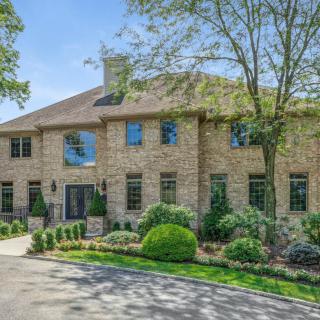
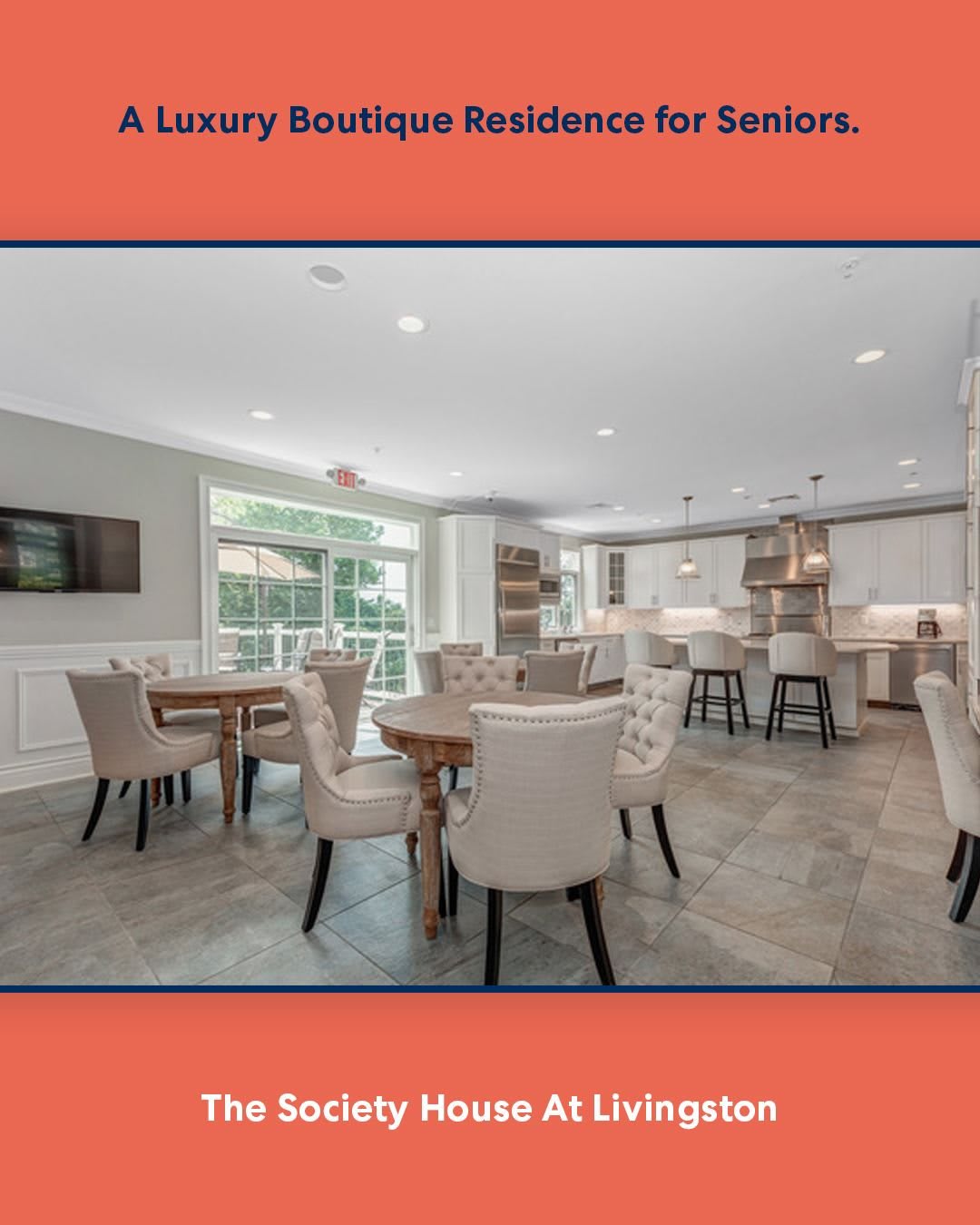
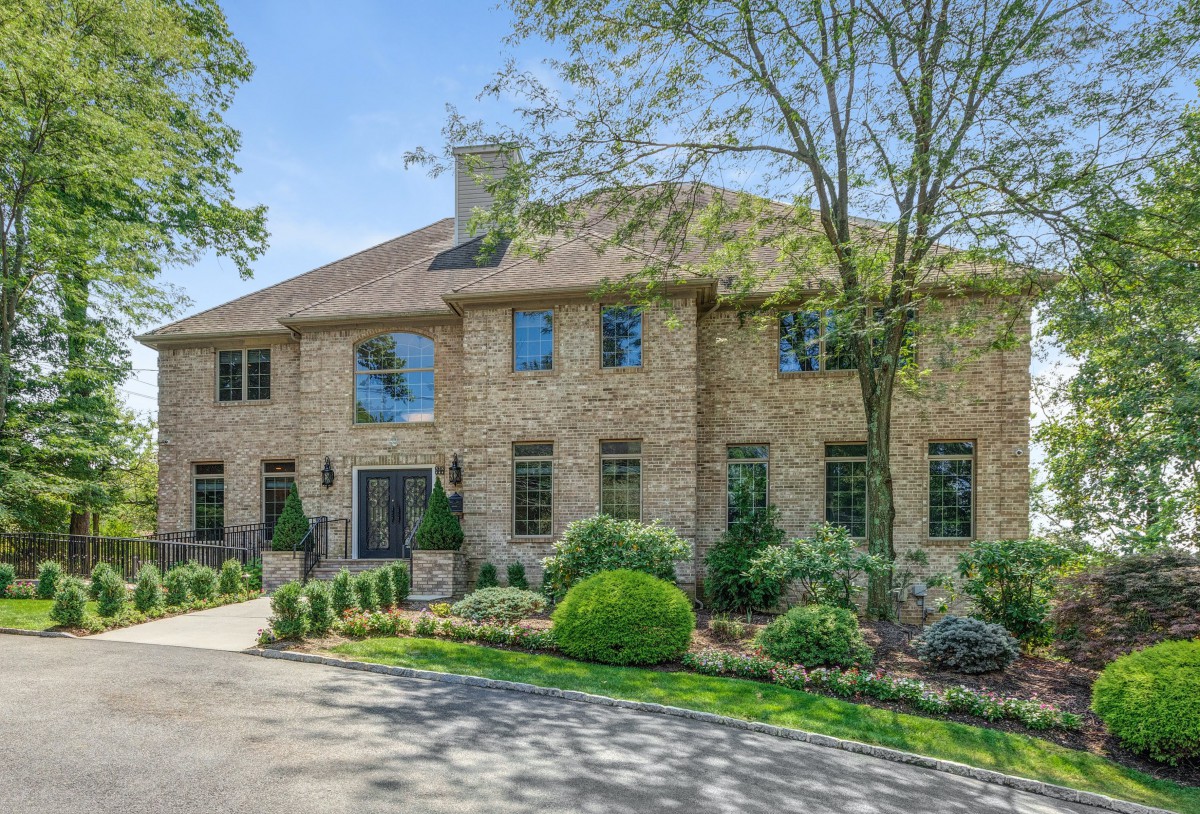
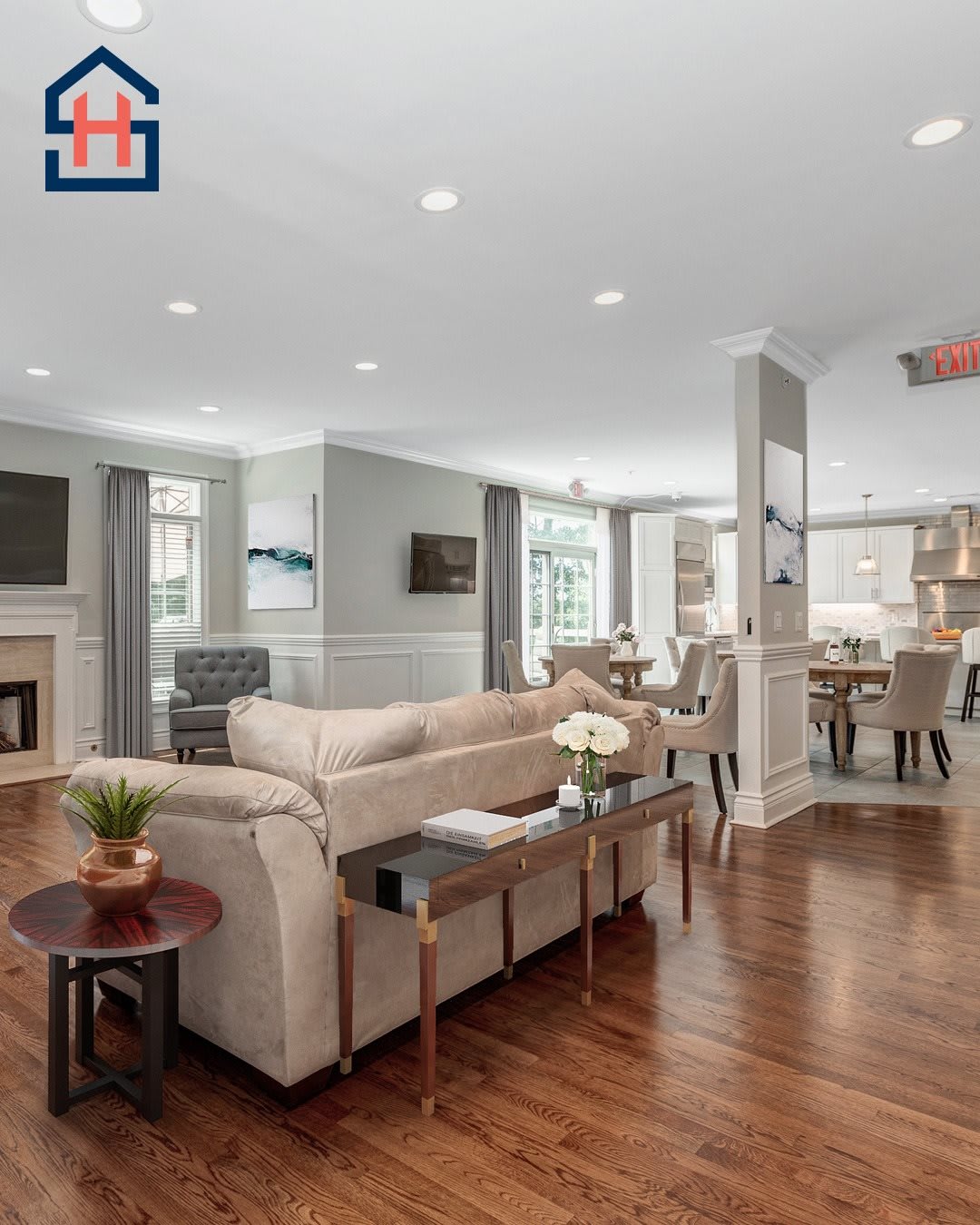
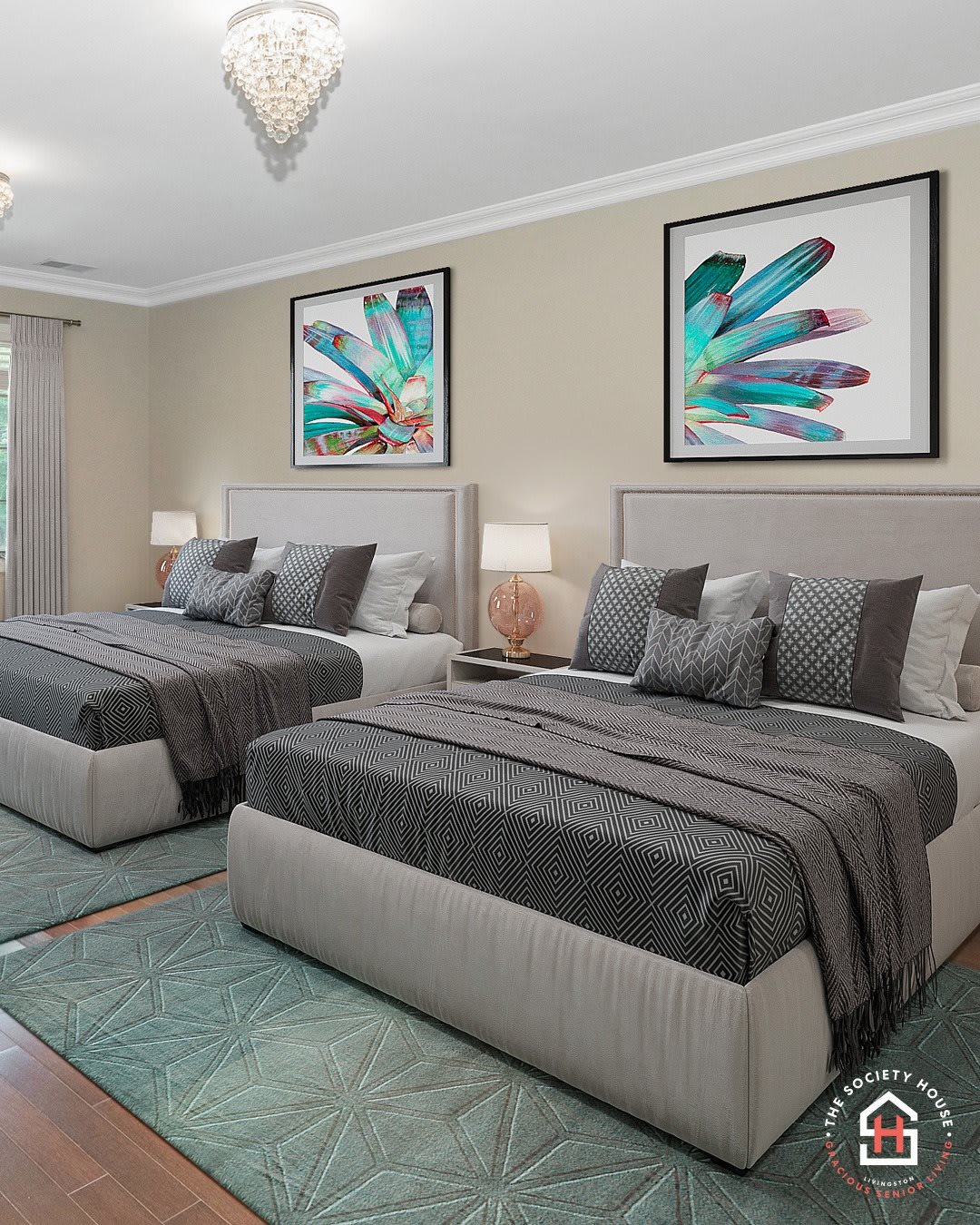
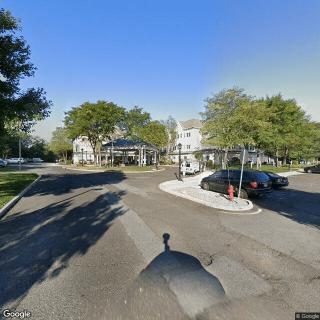
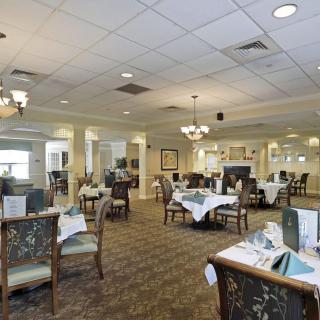
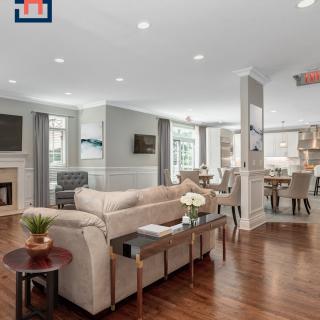
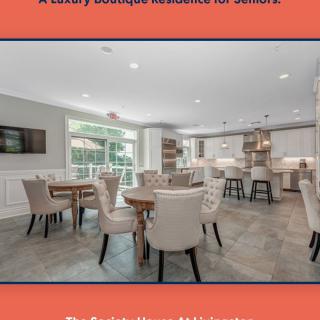
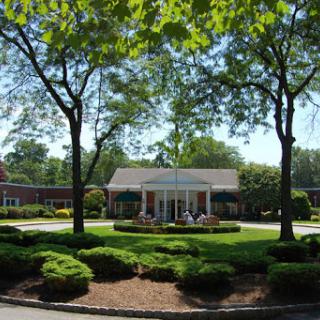
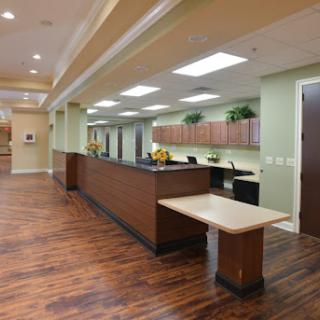
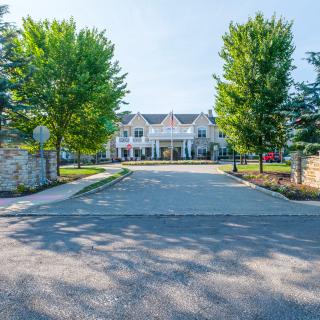
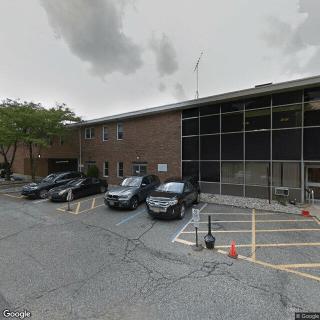
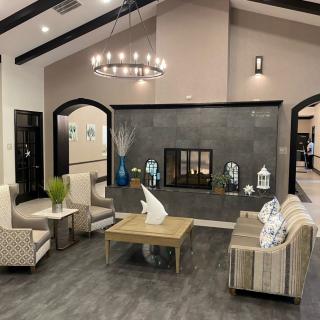
The Society House on seniors.fyi includes 8 photos including images showing dining, bedroom, interior, brick exterior, landscaping, trees, living room, open concept, and more.
Nearby Communities
Life Home Care
Livingston, NJ
4.8 from 110 reviews
High-quality, attentive caregivers with responsive administrative support.
Inglemoor Rehabilitation & Care Center
Livingston, NJ
4 from 71 reviews
$7,950 to $8,850 / month
Memory care and skilled nursing with private rooms.
Inglemoor Rehabilitation And Care Center Of Living
Livingston, NJ
3.9 from 56 reviews
Clean facility with effective rehabilitation services and supportive therapists.
Spring Hills Post Acute Care of Livingston
Livingston, NJ
4.8 from 120 reviews
Attentive staff, skilled therapy, and clear family updates.
Spring Hills Livingston
Livingston, NJ
4.4 from 58 reviews
$1,846 to $9,500 / month
Caring staff in a warm, active community with good dining and activities.
Brandywine Living at Livingston
Livingston, NJ
4.4 from 59 reviews
Beautiful, well-maintained community with attentive staff and upscale amenities.
Complete Care at Summit Ridge
West Orange, NJ
4.3 from 125 reviews
$8,250 / month
Friendly, caring staff with engaging activities and recently renovated spaces.
Daughters Of Israel Pleasant Valley Home
West Orange, NJ
3 from 42 reviews
Compassionate staff and engaging activities with excellent dining.
CareOne at Livingston Assisted Living
Livingston, NJ
4.2 from 60 reviews
$4,000 to $6,400 / month
Attentive, welcoming staff and engaging activities
The article highlights the high risk of falls among older adults due to factors like muscle weakness, vision issues, and environmental hazards, with one in four experiencing a fall annually. It advocates for a comprehensive prevention approach that includes exercise, home safety modifications, medication management, social support, and caregiver involvement.
Elder law attorneys assist older adults and their families with legal matters such as estate planning, Medicaid eligibility, and guardianships, while also providing protection against elder abuse. They help navigate complex regulations to safeguard financial resources, ensure well-being, and maintain autonomy for seniors.
Caregiving for an aging parent entails emotional and financial responsibilities accompanied by significant tax implications, including potential benefits from claiming them as dependents and deductions for medical expenses and caregiving costs. Caregivers must understand eligibility requirements, maintain thorough documentation, and consider consulting a tax professional to navigate these complexities effectively.
Get PricingAsk A QuestionSchedule A TourContact Senior Advisor
By clicking submit, you agree to our Partner's Terms of Use. You
also consent to receive calls and texts, which may be autodialed, from our Partner. Your consent is not a condition to
using our Partner's service. Please visit our Partner's Privacy Policy for information about their privacy practices.




 1-bedroom apartments
 Board and Care Home
 Activities on-site
 Beautician on-site
 Cable or satellite TV
 Computer center
 Devotional services off-site
 Dining room
 Garden
 Guest parking
 Home sale assistance
 Housekeeping services
 Indoor common areas
 Laundry
 Party space
 Private
 Respite or short term stays offered
 Spa
Spa Wi-Fi/high-speed internet available
 Newark International (10 miles away)
 Ambulatory care
 Companion care
 Diabetic care
 Hospice care
 Medication management
 Physical therapy
 Psychiatric care
 Diabetes diet
 Kosher
 Special dietary restrictions
 Fitness programs
 Games
Games Stories
 English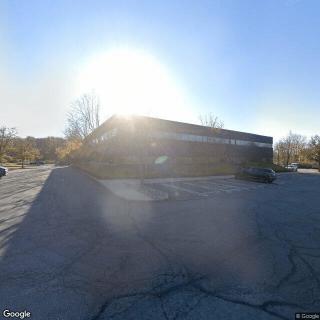
 High-quality, attentive caregivers with responsive administrative support.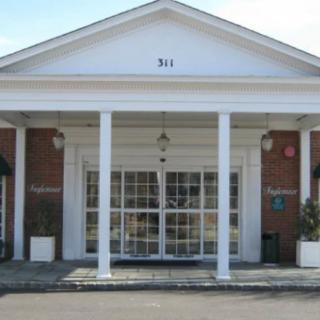


 Comprehensive Insights and Practical Strategies to Help Older Adults Avoid Falls
 6 Crucial Ways an Elder Law Attorney Assists Families
 Navigating the Tax Landscape of Caregiving: Credits, Deductions, and Beyond