For more information about senior living options: (866) 208-4318
4 from 71 reviews
5 stars
49
4 stars
3
3 stars
2
2 stars
2
1 stars
15
Inglemoor Rehabilitation & Care Center Costs & Pricing
Inglemoor Rehabilitation & Care Center presents a premium pricing structure for its services, with monthly costs that reflect the quality of care and amenities provided. For a semi-private room, residents can expect to pay $7,950, significantly higher than the average rates in Essex County at $3,966 and New Jersey at $5,068. Those opting for a private room will incur a cost of $8,850, which again surpasses the local and state averages of $4,597 and $5,799 respectively. These figures suggest that Inglemoor positions itself as a higher-end facility within both the county and state landscapes, likely offering enhanced services and personalized care to justify the investment.
Floor plans
Inglemoor Rehabilitation & Care Center
Essex County
New Jersey
Semi-Private
$7,950
$3,966
$5,068
Private
$8,850
$4,597
$5,799
Skilled Nursing Facilities with a similar price nearby
Overall Review of Inglemoor Rehabilitation & Care Center
common24 reviews mention this
Care staff attention stands out
Residents and families repeatedly describe attentive, caring staff throughout daily care.
Many reviews praise the staff across disciplines, including nurses, aides, therapists, and social work, for being responsive to needs and supportive during recovery. Several reviewers also mention frequent check-ins and patience during difficult moments, including therapy and daily routines. A smaller number of reviews raise concerns about rudeness or lack of responsiveness, including delayed help and poor communication, but the overall tone in the majority of reviews is that staff are engaged and professional.
common13 reviews mention this
Facility cleanliness is repeatedly praised
Multiple reviewers say the facility stays clean, bright, and easy to navigate.
Cleanliness comes up often, with reviewers describing an immaculate or well-maintained environment and rooms that are kept tidy. Several also describe the facility as bright and easy to move around in, including single-floor or accessible layouts. While most comments focus on cleanliness, a few critical reviews describe unclean rooms or poor upkeep, including cases where rooms were not cleaned daily.
common16 reviews mention this
Rehab progress and therapy frequency
Reviews frequently highlight physical and occupational therapy that supports meaningful recovery.
Many residents and families describe therapy as thorough and tied to progress, including getting up and walking again or regaining strength after hospital discharge. Several reviews mention consistent PT/OT involvement and a regimen that kept residents engaged, sometimes noting therapy during weekends. Reviews also describe the team coordinating care during complex recoveries, including after surgery or major medical events.
caveat11 reviews mention this
Dining quality is mixed
Dining experiences vary, with some calling meals good and others describing major issues.
Some reviewers say the food was surprisingly good, enjoyable, or provided with options they appreciated. Others report problems such as meals not being well balanced, limited fresh options, or salty food, and they describe dining staff limitations during service. A few critical comments also mention refusal to accommodate specific dietary needs, which affected comfort and nutrition.
caveat2 reviews mention this
Pricing and private-room limits
Cost requirements and room-choice charges come up in negative reviews.
One family describes being told they could not tour or would not be accepted because they did not have a large upfront amount, despite discussing insurance. Another review mentions being allowed to have a private room for an extra charge after insurance, suggesting room pricing can matter for families deciding how to proceed.
How we summarize
Counts show how many written reviews mention each theme; a review can touch several themes, and only frequently mentioned themes are displayed.
Features
Types of Care
Memory Care
Skilled Nursing Facility
Amenities
Private
Transportation
Newark International (10 miles away)
LaGuardia (23 miles away)
Nearby Places of Interest
Physicians
Summit Medical Group (0.8 miles)
Summit Medical Group (2.9 miles)
Care Station Medical Group (3.2 miles)
Women First Health Center (3.2 miles)
Summit Medical Group (4.2 miles)
New Jersey Spine Center (4.4 miles)
Summit Medical Group (5.5 miles)
Pharmacies
CVS Pharmacy (1.5 miles)
CVS Pharmacy (3.6 miles)
Walgreens (4 miles)
Walgreens (4.1 miles)
CVS Pharmacy (4.1 miles)
CVS Pharmacy (4.1 miles)
CVS Pharmacy (4.3 miles)
Hospitals
Saint Barnabas Medical Center (1.6 miles)
Restaurants
Shake Shack (1.7 miles)
McLoone's Boathouse (1.9 miles)
McDonald's (2 miles)
Mayfair Farms Banquet Facilities (3.6 miles)
La Provence (3.9 miles)
The Cheesecake Factory (4 miles)
Taco Bell (4 miles)
Cafes
Starbucks (1.7 miles)
Panera Bread (3.1 miles)
Panera Bread (3.3 miles)
Starbucks (4.2 miles)
True Salvage Cafe (5.2 miles)
The Bread Stand (5.5 miles)
Paper Plane Coffee Co. (5.6 miles)
Parks
Degnan Memorial Park (2.9 miles)
Eagle Rock Reservation (4.2 miles)
South Mountain Reservation (4.4 miles)
Memorial Park (4.4 miles)
Florham Park Recreation Department (4.6 miles)
Orange Park Nj (4.7 miles)
Milo S. Borden Park (5 miles)
Theaters
AMC East Hanover 12 (3.9 miles)
Cinemark (7.7 miles)
Places of Worship
Morrow Memorial United Methodist Church (4.1 miles)
Inglemoor Rehabilitation & Care Center presents a premium pricing structure for its services, with monthly costs that reflect the quality of care and amenities provided. For a semi-private room, residents can expect to pay $7,950, significantly higher than the average rates in Essex County at $3,966 and New Jersey at $5,068. Those opting for a private room will incur a cost of $8,850, which again surpasses the local and state averages of $4,597 and $5,799 respectively. These figures suggest that Inglemoor positions itself as a higher-end facility within both the county and state landscapes, likely offering enhanced services and personalized care to justify the investment.
Yes, Inglemoor Rehabilitation & Care Center provides memory care services for residents with mild or advanced stages of dementia or Alzheimer's disease.
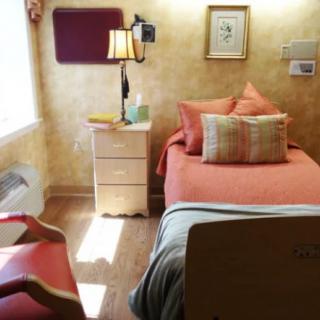
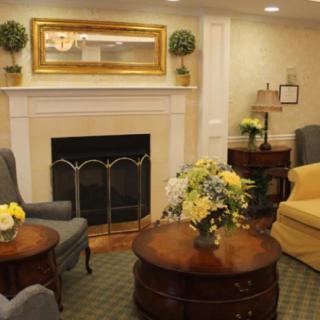
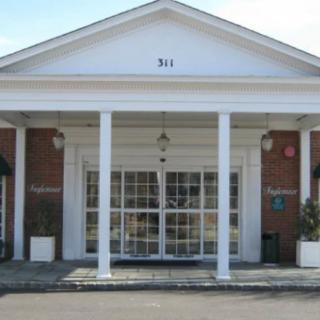
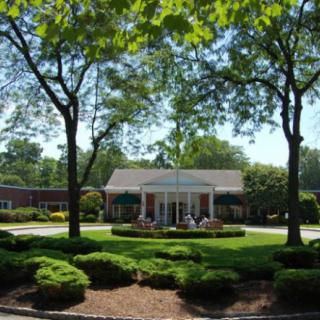
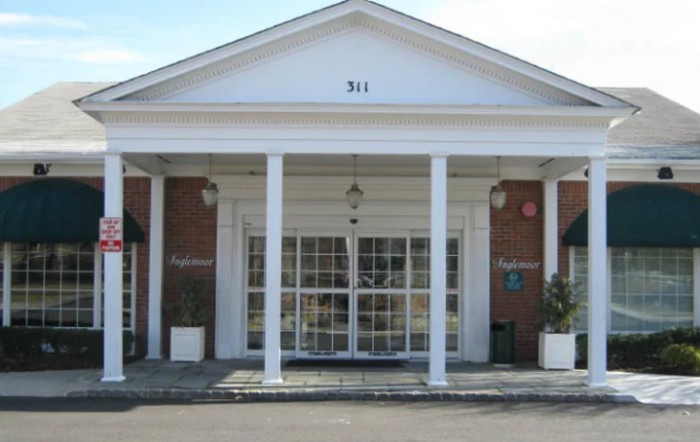
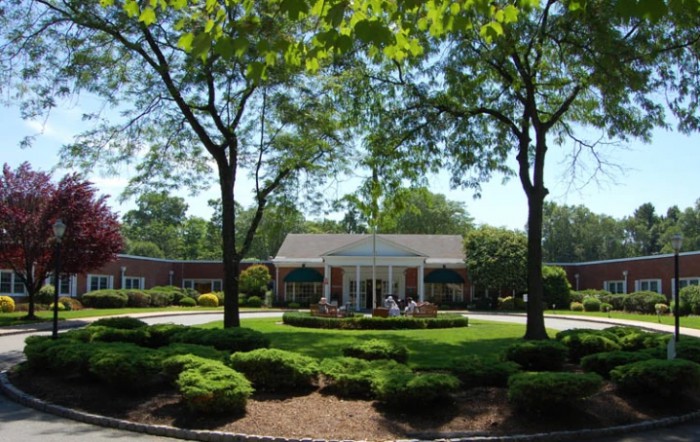
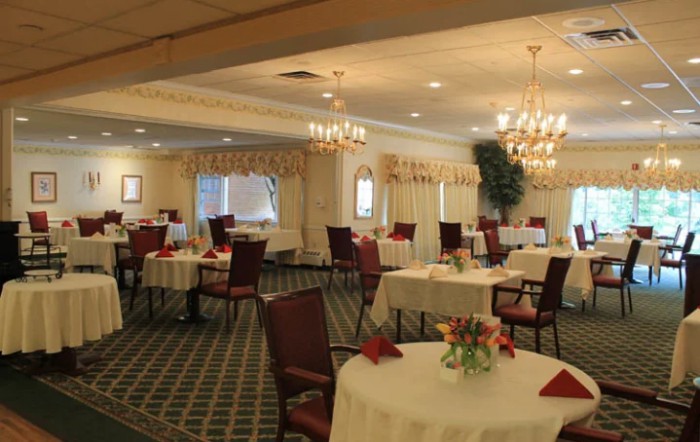
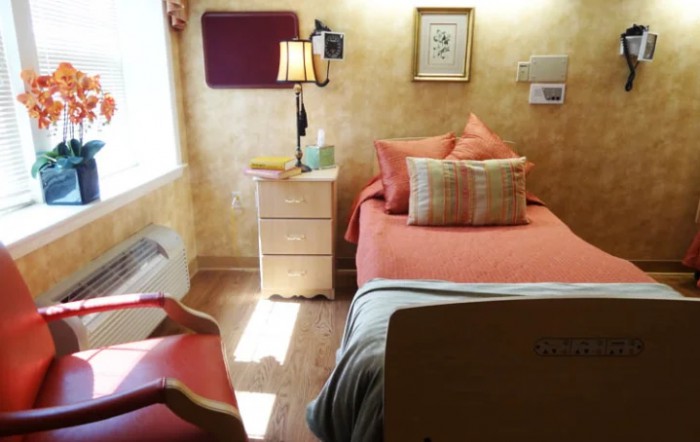
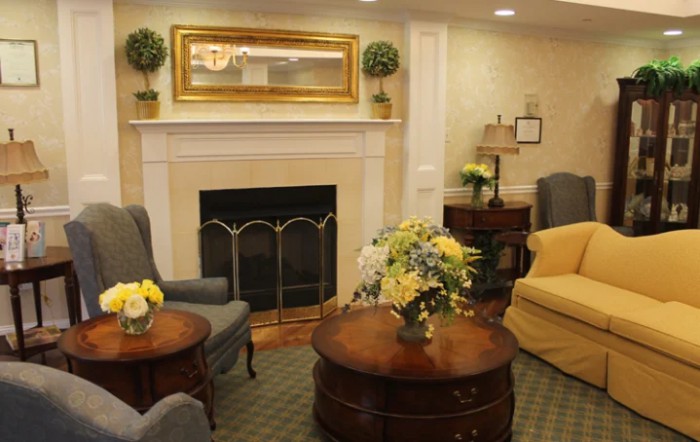
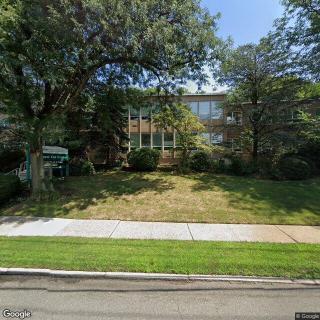
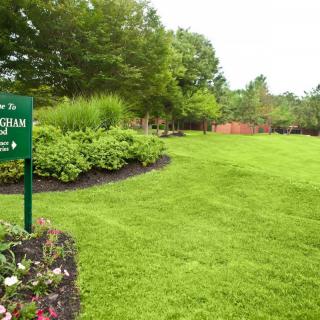
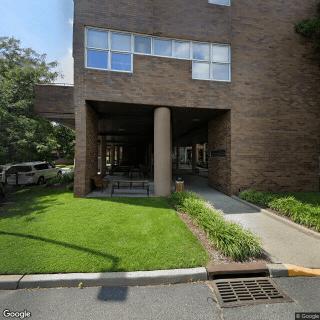
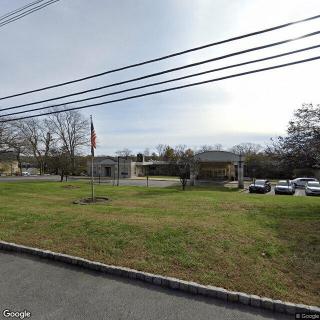
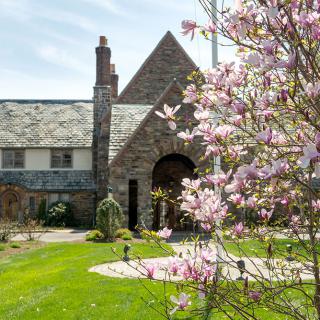
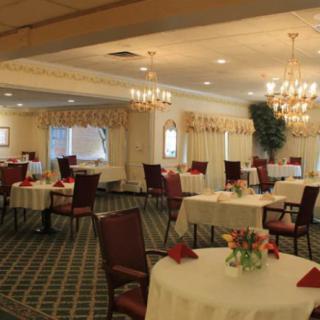
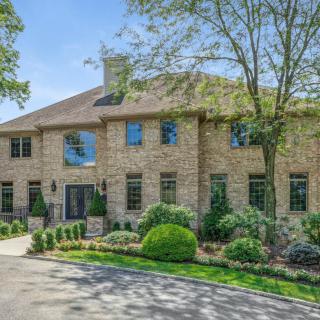
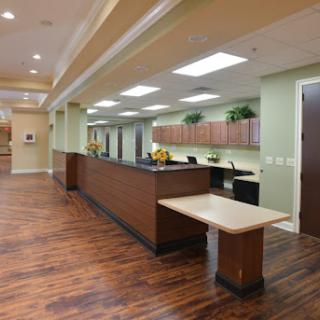
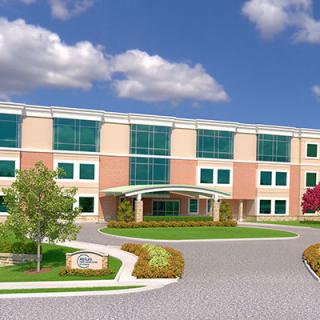
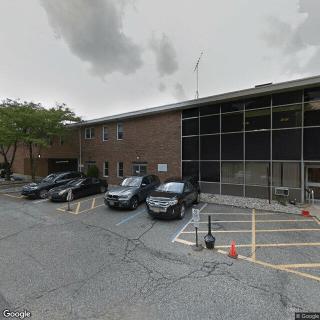
Inglemoor Rehabilitation & Care Center on seniors.fyi includes 5 photos including images showing decor, interior, bedroom, building, dining, chandelier, living room, fireplace, and more.
Nearby Communities
Inglemoor Rehabilitation And Care Center Of Living
Livingston, NJ
3.9 from 56 reviews
Clean facility with effective rehabilitation services and supportive therapists.
Life Home Care
Livingston, NJ
4.8 from 110 reviews
High-quality, attentive caregivers with responsive administrative support.
The Society House
Livingston, NJ
4.9 from 32 reviews
$3,500 to $5,818 / month
Compassionate staff in a clean, home-like setting with inclusive pricing.
Spring Hills Post Acute Care of Livingston
Livingston, NJ
4.8 from 120 reviews
Attentive staff, skilled therapy, and clear family updates.
Spring Hills Livingston
Livingston, NJ
4.4 from 58 reviews
$1,846 to $9,500 / month
Caring staff in a warm, active community with good dining and activities.
Stratford Manor Rehabilitation And Care Center
West Orange, NJ
3.9 from 114 reviews
Extensive on-site amenities and 24/7 care with engaging activities.
Complete Care at Summit Ridge
West Orange, NJ
4.3 from 125 reviews
$8,250 / month
Friendly, caring staff with engaging activities and recently renovated spaces.
Daughters Of Israel Pleasant Valley Home
West Orange, NJ
3 from 42 reviews
Compassionate staff and engaging activities with excellent dining.
Dementia is characterized by cognitive decline, with nutrition playing a vital role in brain health; while no specific diet can prevent or reverse it, a nutrient-dense diet rich in antioxidants and healthy fats may support cognitive function. The MIND diet, which emphasizes beneficial foods and limits processed items, along with proper hydration and individualized meal strategies, can enhance the well-being of dementia patients.
Dementia affects memory and cognitive function in older adults, presenting challenges for caregivers due to behavioral changes such as confusion and mood swings. Compassionate, person-centered care that considers individual history and preferences, along with effective communication and environmental modifications, is essential for supporting both patients and their caregivers.
Dementia leads to cognitive impairment and can cause emotional and behavioral changes, including aggression that arises from frustration, confusion, or fear. Effective coping strategies for caregivers include understanding dementia's nature, recognizing triggers, using empathetic communication, and employing non-pharmacological interventions like music and art therapy.
Get PricingAsk A QuestionSchedule A TourContact Senior Advisor
By clicking submit, you agree to our Partner's Terms of Use. You
also consent to receive calls and texts, which may be autodialed, from our Partner. Your consent is not a condition to
using our Partner's service. Please visit our Partner's Privacy Policy for information about their privacy practices.

 Memory Care
 Skilled Nursing Facility
 Private
 Newark International (10 miles away)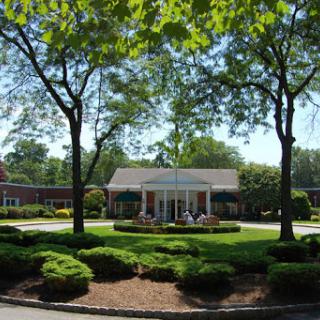
 Clean facility with effective rehabilitation services and supportive therapists.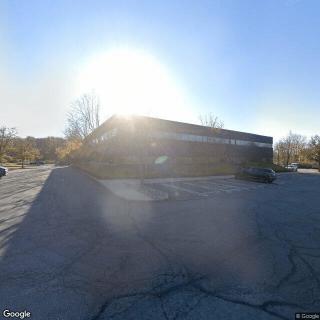


 Nourishing the Mind: Essential Dietary Approaches for Dementia
 Understanding Dementia Behaviors: Practical Insights and Strategies for Caregivers
 When Dementia Sparks Anger and Aggression: Understanding the Connection and Ways to Cope