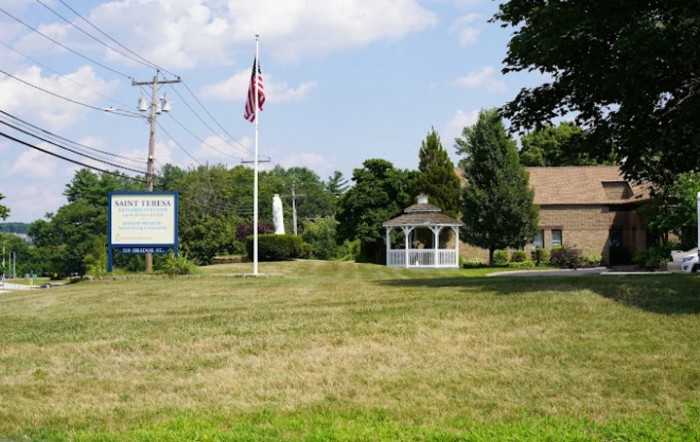






519 Bridge Street, Manchester, NH 03104
For more information about senior living options: (866) 208-4318

Overall Review of Saint Teresa Rehabilitation And Nursing Center
Pros
 The staff treat everyone exceptionally well.
- The facility is clean, well managed, and offers engaging activities and in-house services like haircuts.
- The care team is kind, respectful, compassionate, and competent toward residents.
- Families are kept informed and supported by the care team during health issues and transitions home.
- End-of-life and long-term care are delivered with dignity and genuine kindness.
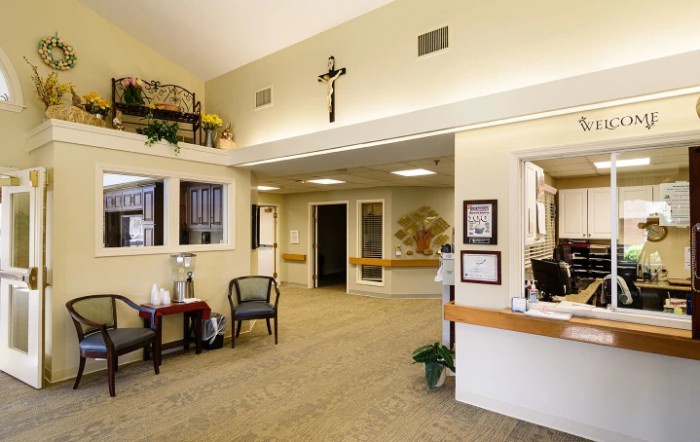
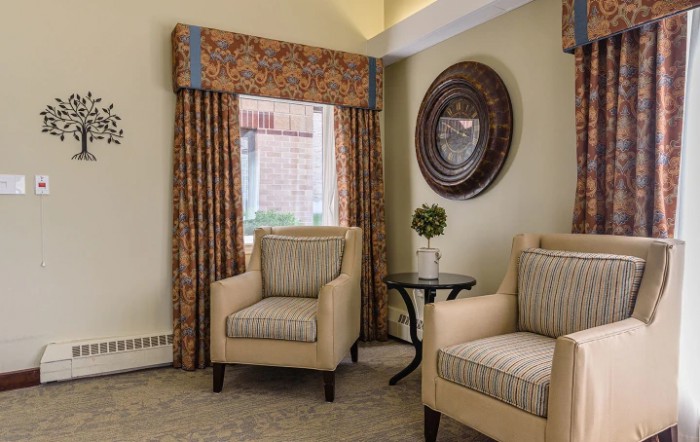
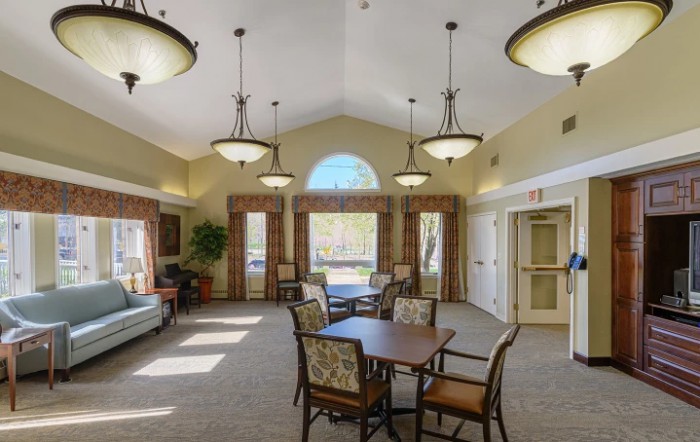
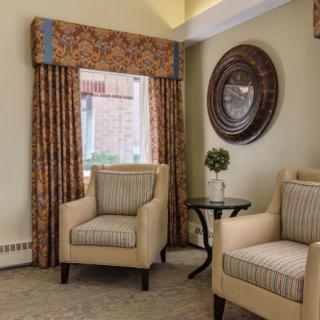
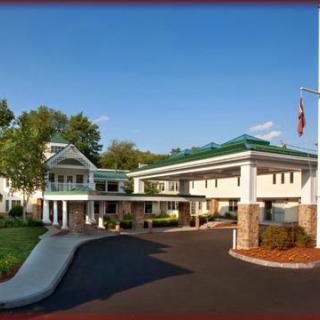
- The environment feels homey and welcoming, not hospital-like.
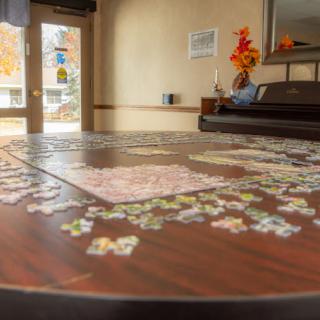
- Residents enjoy meaningful social engagement and personalized attention.
- Families consistently praise the staff's professionalism and dedication.
Cons
 The grandmother was left alone in her room for extended periods with no human interaction and developed pressure sores that were poorly managed.
- Some LNA staff were described as not caring about residents.
- Several reviewers felt that many staff were grumpy and not approachable.
- It was disappointing to see smoking at the facility’s entrance.
- It was suggested that some people stayed there because of religious affiliations and received very bad care.
Review
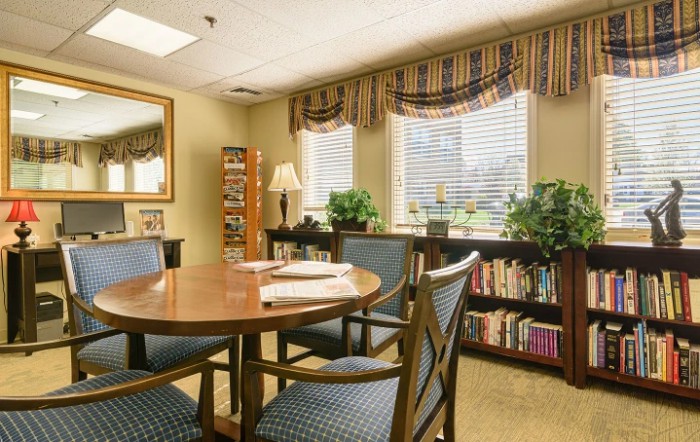
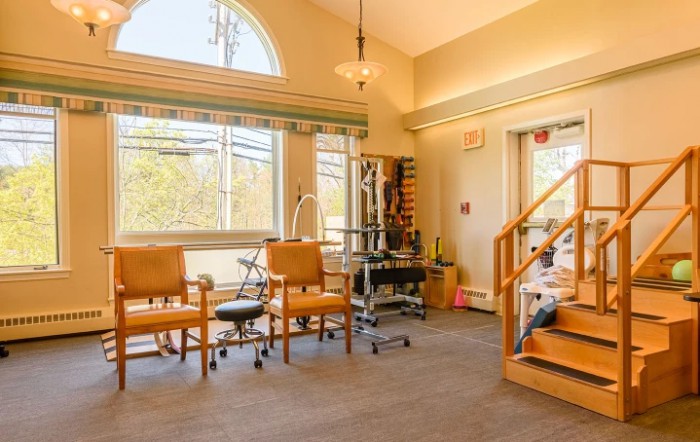
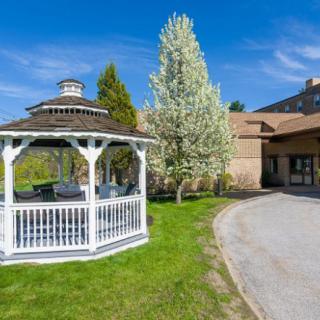
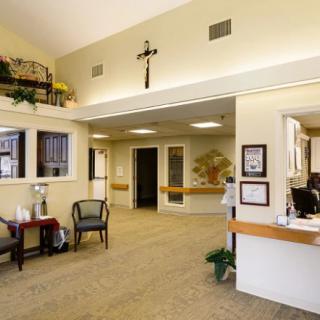
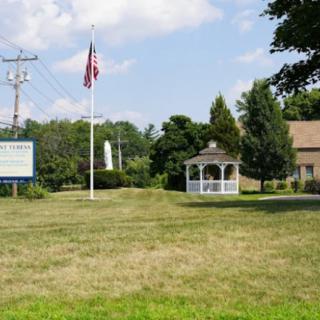
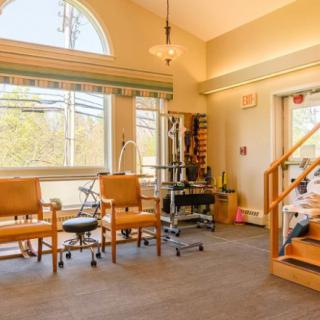
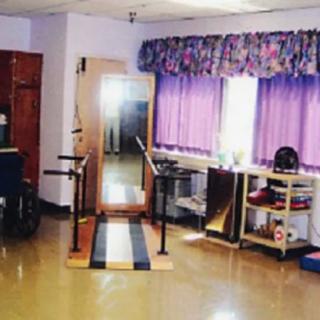
Saint Teresa Rehabilitation And Nursing Center is best suited for families seeking a warm, person-centered rehab and long-term nursing environment where care feels personal and dignified. This community excels for older adults who need skilled post-acute rehabilitation, ongoing nursing support, respite stays, or palliative-style care delivered with courtesy and respect. The setting leans toward a home-like vibe rather than a clinical hospital atmosphere, which matters for residents who benefit from social engagement, routine, and facilities that feel familiar. Families prioritizing clear communication, collaborative care planning, and dependable assistance with discharge and home care will find Saint Teresa’s offers a practical, dependable pathway through recovery and ongoing needs. The on-site amenities, a hair salon, library, and outdoor spaces, along with an active program and accessible physical therapy, reinforce a sense of everyday life being navigable and manageable, not scattered across disparate providers.
That said, this community may not be the first choice for those demanding rock-solid consistency from every aide on every shift or for residents who require highly intensive, around-the-clock supervision with ultra-tight staffing ratios. A handful of reviews flags variability in staff responsiveness and temperament, with some aides described as less engaged and a few comments about mood or approach that don’t align with every family’s expectations. Other small but meaningful friction points include encounters with staff who feel unapproachable at times, plus a few mentions of behavior-related concerns such as smoking near entrances. While these concerns do not define the entire experience, they are real enough to warrant caution: prospective families should observe staffing patterns during tour hours, ask current families about day-to-day interactions, and verify that the level of supervision their loved one requires aligns with what the home consistently provides.
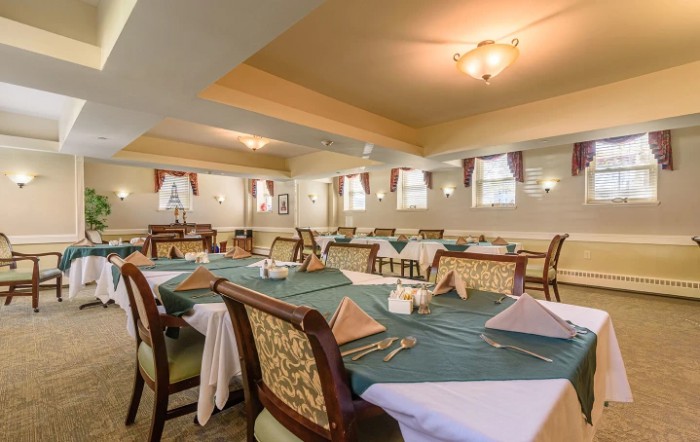
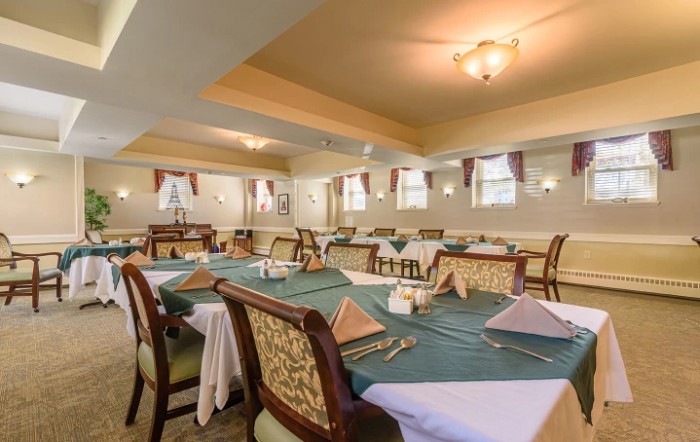
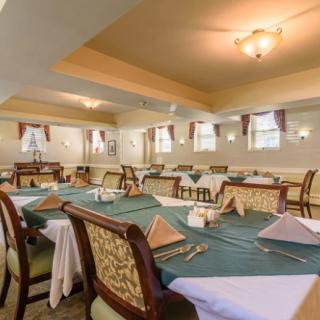
The strongest advantage lies in the proven strength of the care team. Across numerous accounts, staff are described as kind, respectful, compassionate, and competent, with a consistent emphasis on treating residents as individuals and honoring their dignity, especially in sensitive moments or end-of-life care. Family feedback highlights thoughtful, transparent communication, nurses who answer questions, keep relatives informed as health issues arise, and assist with insurance or transitions to home health care when discharge planning is needed. The facility also earns praise for cleanliness, good dining experiences, and an environment that feels welcoming rather than institutional. The focus on patient engagement comes through in the activities staff, who are frequently singled out for keeping residents active, socially connected, and meaningfully occupied, including residents with cognitive challenges.
Yet the record isn’t uniformly flawless. Some reviews reflect sporadic lapses in engagement or responsiveness, and a few families report inconsistent experiences with front-line aides. The occasional perception that staff mood or approach can vary by shift underscores the need for ongoing supervisory oversight and robust family communication. Even with a generally positive trajectory, these caveats are not trivial, because for families with loved ones who require steady, proactive one-to-one attention, even small gaps can become consequential. An old, profoundly negative anecdote about a resident with advanced dementia serves as a cautionary note that past deficiencies can linger in memory, and it matters to assess whether current practices have definitively closed those gaps. The presence of smoking near the entrance and some impressions of grumpiness among staff also remind potential residents to confirm the current climate of attentiveness and professionalism during their own visits.
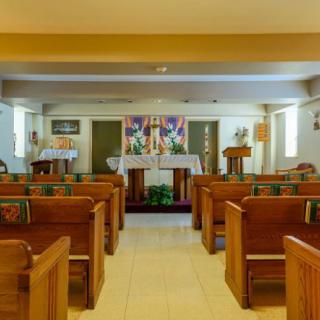
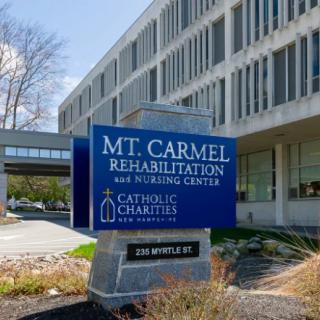
When evaluating offsetting factors, Saint Teresa’s advantages are substantial. The blend of skilled rehabilitation, compassionate daily care, and a homey atmosphere helps many residents not only recover function but also recover a sense of normalcy and belonging. The facility’s Catholic Charities backing often translates into a mission-focused environment, care that centers on dignity, respect, and personhood, while the in-house services and seamless transitions support families who need help navigating complex insurance processes and discharge planning. The availability of respite stays offers a meaningful option for caregivers needing a temporary but reliable break, with the added benefit that visitors can observe how the staff interact with a loved one across a short-term stay. For families leaning into a community where activities and social engagement are part of the care plan, Saint Teresa’s delivers a coherent, practical model of daily life that reduces anxiety about loss of independence.
The practical takeaway for families is clear. If the goal is to balance rehabilitation with compassionate, person-first care in a home-like setting, Saint Teresa’s is a strong candidate worth pursuing. Prospective residents should prioritize tours at different times of day to gauge consistency in staffing and mood, and should request candid conversations with the social worker and therapy team about discharge planning, care coordination, and any ongoing needs. Ask about CNA coverage patterns, the process for escalating concerns, and how the facility handles behavior-related challenges in residents with dementia. For those who value easy access to on-site amenities, regular activity programming, and a facility that treats care as a shared family responsibility, Saint Teresa Rehabilitation And Nursing Center offers a coherent, trustworthy option. Consider alternatives if the emphasis is on ultra-stable staffing, highly specialized dementia programs, or a setting that feels relentlessly clinical; otherwise, this center can deliver the practical, compassionate care that families often seek in a mid-sized, community-minded New England facility.
 51 resident community capacity
 Skilled Nursing Facility
 Air-conditioning
 Beauty salon
 Cable or satellite TV
 Computer center
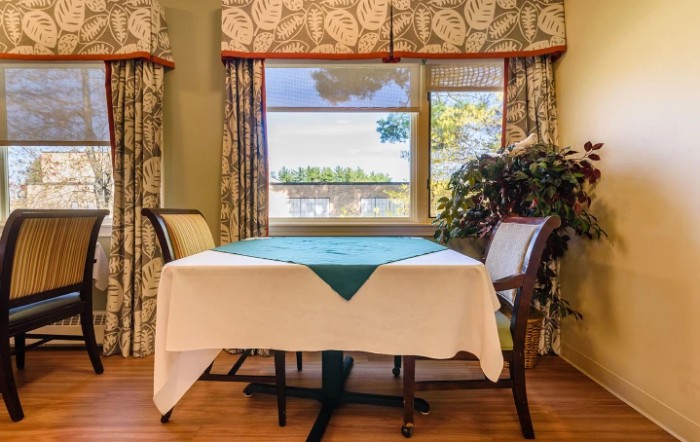
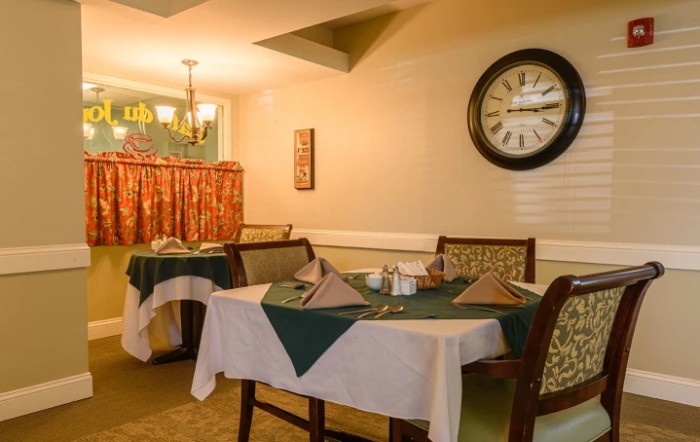
 Dining room
 Fitness room
 Fully furnished
 Gaming room
 Garden
 Housekeeping services
 Kitchenette
 Move-in coordination
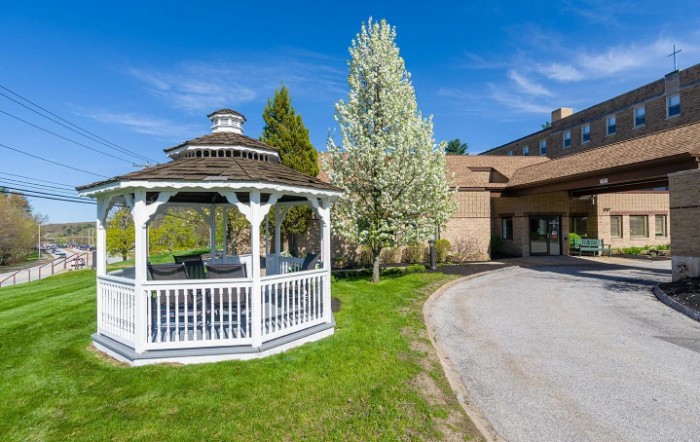
 Outdoor space
 Private bathrooms
 Restaurant-style dining
 Small library
 Telephone
 Wellness center
 Wi-Fi/high-speed internet available
 Manchester (4 miles away)
 Community operated transportation
 12-16 hour nursing
 24-hour call system
 Activities of daily living assistance
 Assistance with bathing
 Assistance with dressing
 Assistance with transfers
 Diabetes diet
 Medication management
 Mental wellness program
 Special dietary restrictions
 Concierge services
 Planned day trips




 Home Health Care Aides: Understanding Their Role and Supporting Your Family
 Urinary Tract Infections in Older Adults: Comprehensive Insights on Symptoms, Treatment, and Prevention
 California's Form 602A: An In-Depth Examination of Senior Care Assessment