Mount Carmel Rehabilitation And Nursing Center Costs & Pricing
Mount Carmel Rehabilitation and Nursing Center presents a range of monthly costs for its services that reflect the quality and level of care offered. For a semi-private room, residents can expect to pay $5,630, which is competitively priced compared to the county average of $5,895 but higher than the state average of $4,881. When opting for a private room, the cost at Mount Carmel rises to $6,756, significantly surpassing both Rockingham County's rate of $4,708 and New Hampshire's average of $5,170. Additionally, those seeking more personal space in a studio will find that Mount Carmel charges $7,319 - a figure that exceeds both local and state averages of $5,403 and $5,346 respectively. Overall, while Mount Carmel's rates may be on the higher side for certain accommodations compared to regional counterparts, they likely reflect an emphasis on enhanced care and facilities tailored to meet diverse resident needs.
Floor plans
Mount Carmel Rehabilitation And Nursing Center
Rockingham County
New Hampshire
Semi-Private
$5,630
$5,895
$4,881
Private
$6,756
$4,708
$5,170
Studio
$7,319
$5,403
$5,346
Skilled Nursing Facilities with a similar price nearby
from -$635 / mo
Wingate Residences at Haverhill
4.6 from 37 reviews
$4,995 to $6,995 / month
23.0 miles away
from -$730 / mo
Pleasant Valley Nursing Center
4.1 from 80 reviews
$4,900 / month
9.9 miles away
from +$490 / mo
Greenbriar Healthcare
3.4 from 96 reviews
$6,120 / month
18.4 miles away
from -$1010 / mo
Warde Health Center Supported Residential Care Facility
Overall Review of Mount Carmel Rehabilitation And Nursing Center
differentiator8 reviews mention this
Memory care gets specific support
Residents and families repeatedly mention memory care support and dementia-focused units.
Several reviews describe care on the dementia or memory care floors, including families praising the patience and dignity their loved ones received. People also highlight that their parent was safe and supported around the clock while living with Alzheimer’s or dementia. A few reviews specifically call out the unit experience and how staff approaches visitors and care in that setting.
differentiator8 reviews mention this
Rehab therapy is consistently praised
Rehab therapy shows up as a standout part of the experience for many families.
Multiple reviews describe positive rehab experiences, especially around physical therapy, occupational therapy, and speech therapy support when needed. Some reviewers say the therapists were strong and helped them regain function or breathing skills for a safe return home. There is also at least one review that mentions the rehab program as the only consistently positive part during a longer stay, reinforcing that therapy quality is a recurring point.
common9 reviews mention this
Activities help residents stay engaged
Residents are described as having engaging activities, including bingo and social events.
Reviews frequently mention activities as part of day-to-day life, with families pointing to bingo, movies, and other scheduled engagement. Several people say their loved ones were happier with meaningful activities and friend groups, rather than staying isolated. A few reviews also describe the activities team as active and attentive to residents’ preferences.
caveat6 reviews mention this
Dining is a mixed experience
Food quality is inconsistent across reviews, with both praise and strong complaints.
Some residents and families say the food was good and that their loved ones enjoyed meals, and one review describes dining options tailored to residents’ needs. Other reviews include complaints ranging from food preferences not being met to concerns about broader kitchen cleanliness. Overall, dining appears to depend heavily on the reviewer’s experience during their stay.
caveat3 reviews mention this
Bedbugs are a recurring concern
Multiple reviews raise bedbug issues that families view as a safety risk.
A small set of reviews specifically mention bedbugs, describing it as a recurring problem or noting the need for notice. These comments stand out because they focus on resident and family safety rather than day-to-day comfort. They directly conflict with other reviews that otherwise describe a clean, well-kept facility.
How we summarize
Counts show how many written reviews mention each theme; a review can touch several themes, and only frequently mentioned themes are displayed.
Mount Carmel Rehabilitation and Nursing Center presents a range of monthly costs for its services that reflect the quality and level of care offered. For a semi-private room, residents can expect to pay $5,630, which is competitively priced compared to the county average of $5,895 but higher than the state average of $4,881. When opting for a private room, the cost at Mount Carmel rises to $6,756, significantly surpassing both Rockingham County's rate of $4,708 and New Hampshire's average of $5,170. Additionally, those seeking more personal space in a studio will find that Mount Carmel charges $7,319 - a figure that exceeds both local and state averages of $5,403 and $5,346 respectively. Overall, while Mount Carmel's rates may be on the higher side for certain accommodations compared to regional counterparts, they likely reflect an emphasis on enhanced care and facilities tailored to meet diverse resident needs.
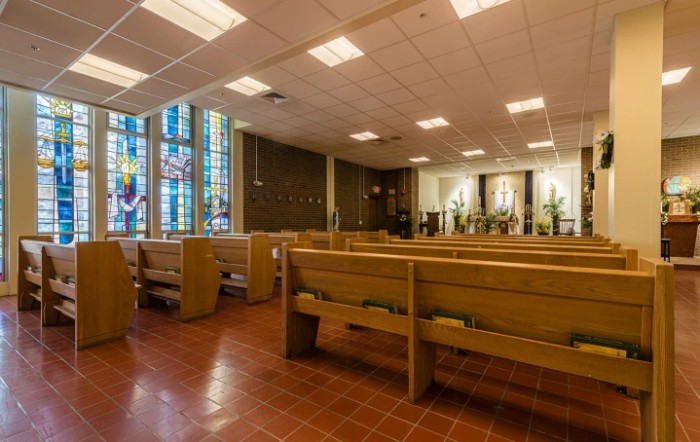
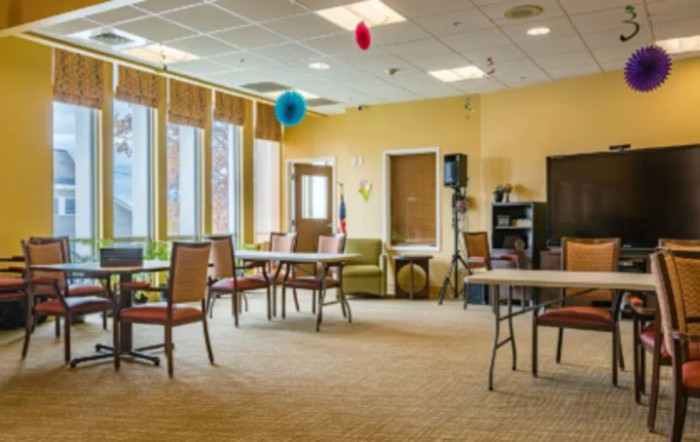
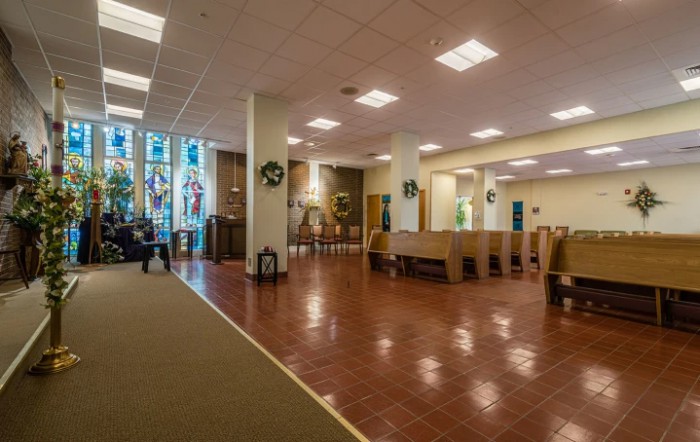
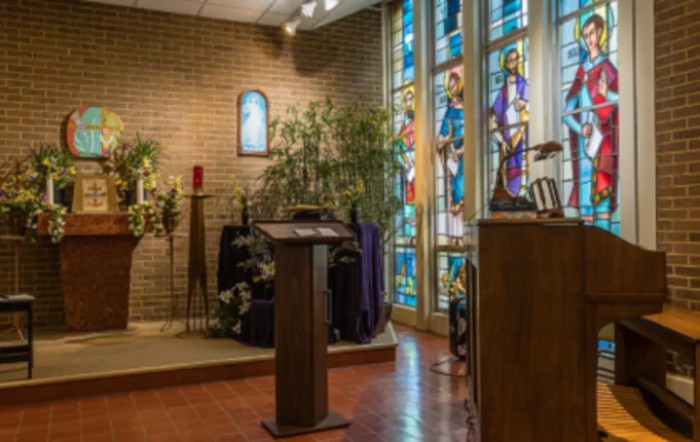
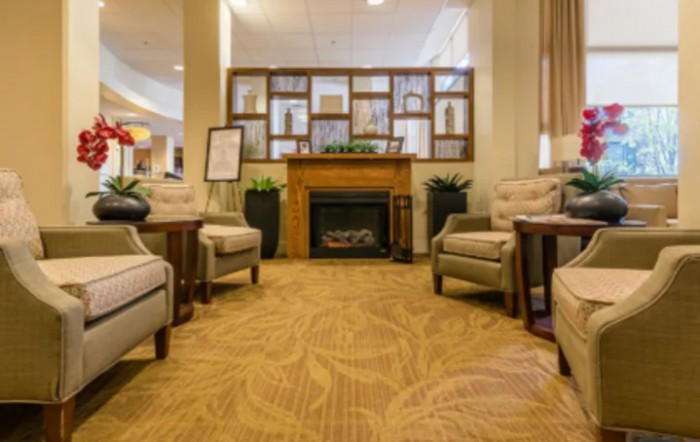
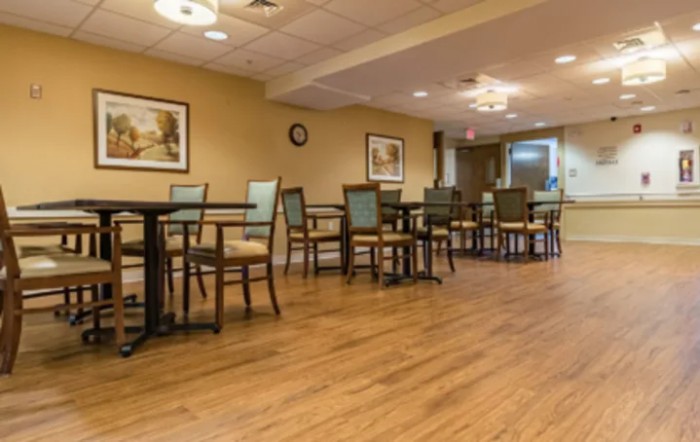
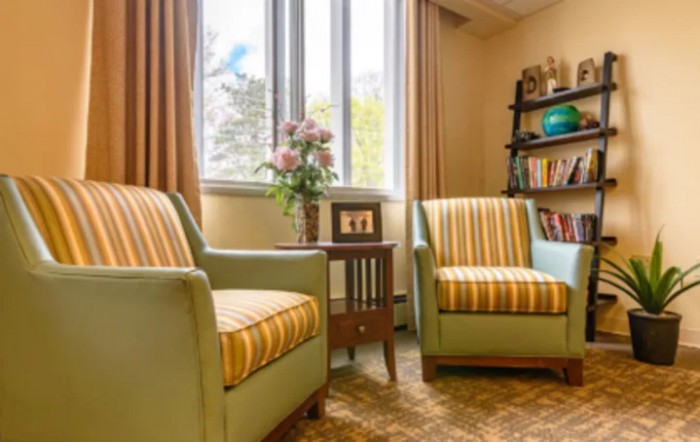
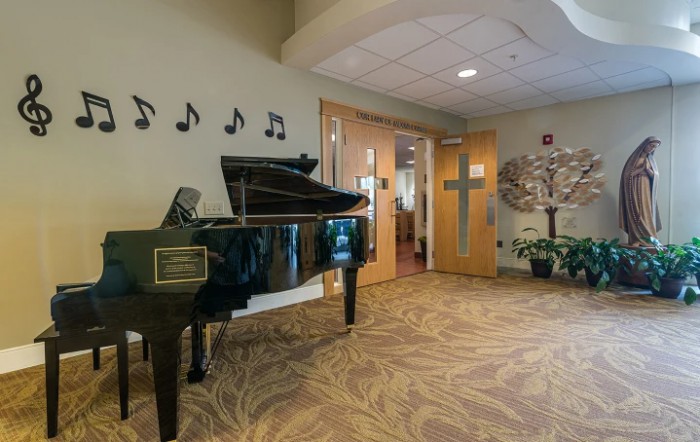
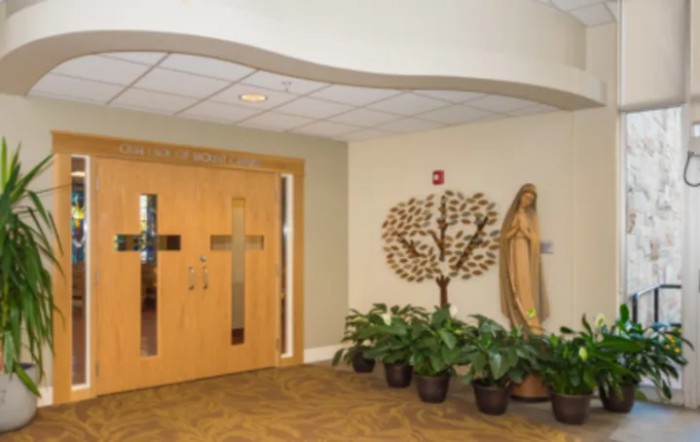
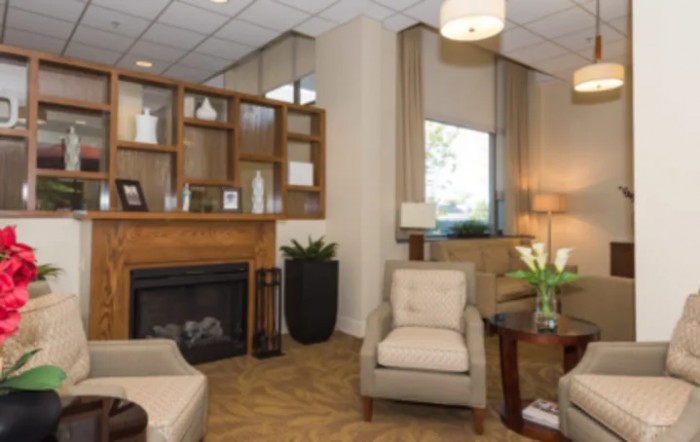
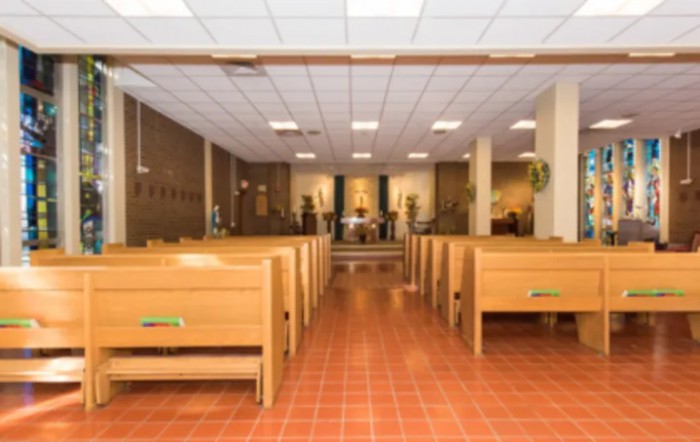
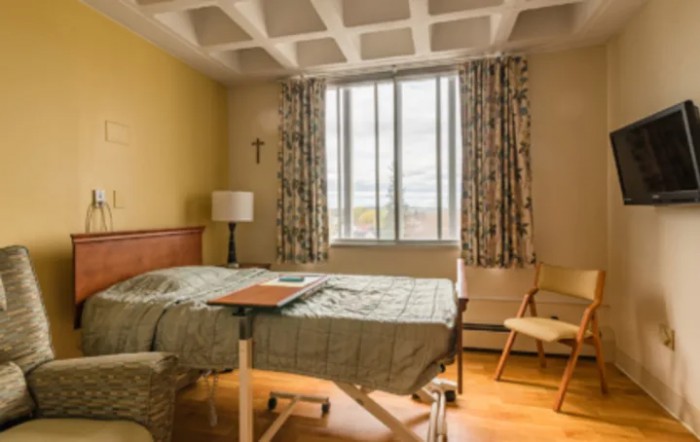
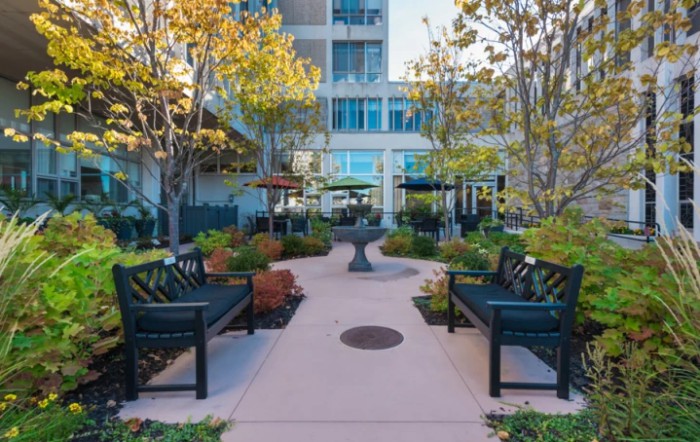
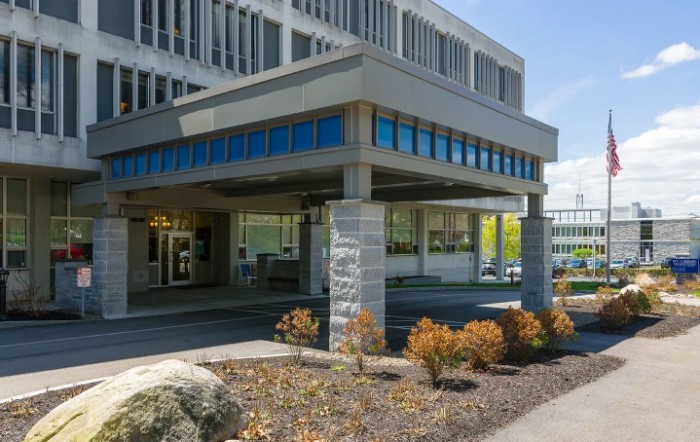
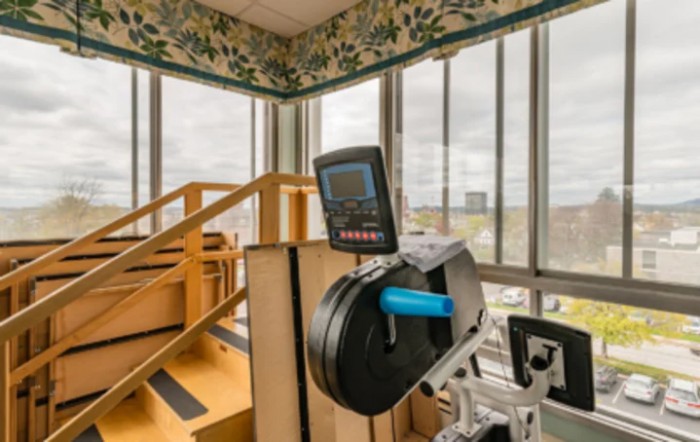
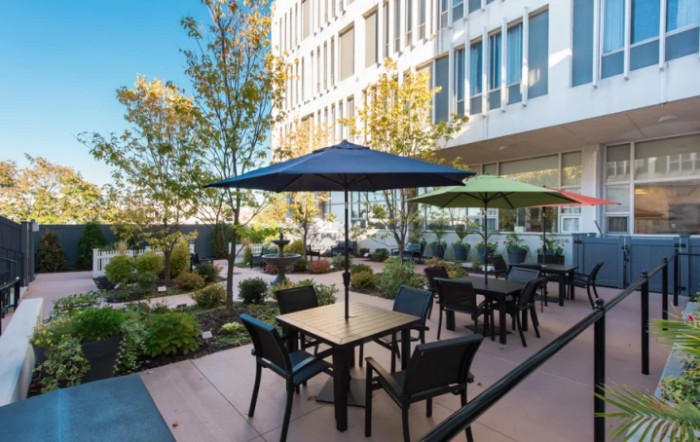
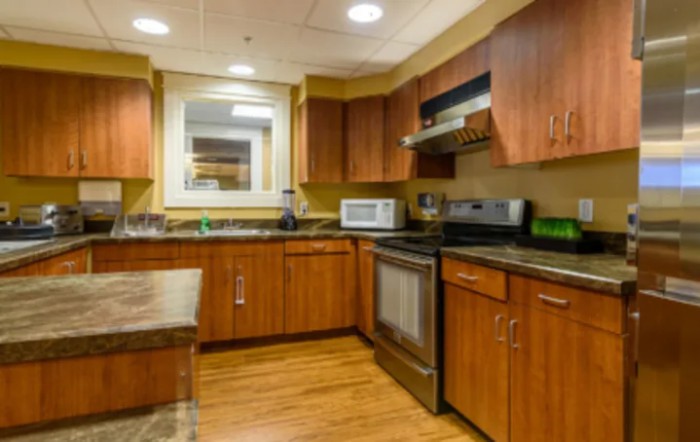
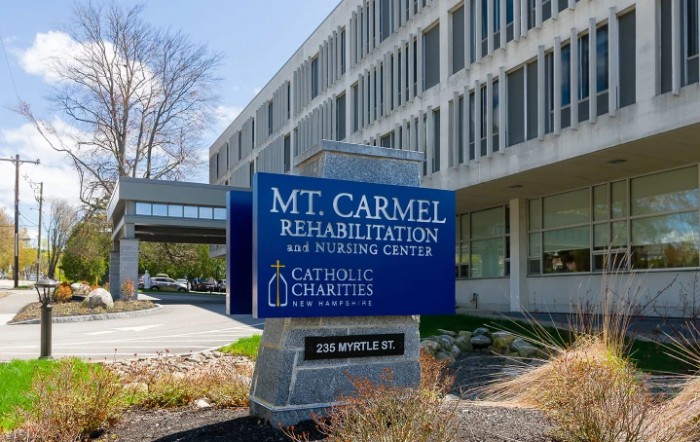
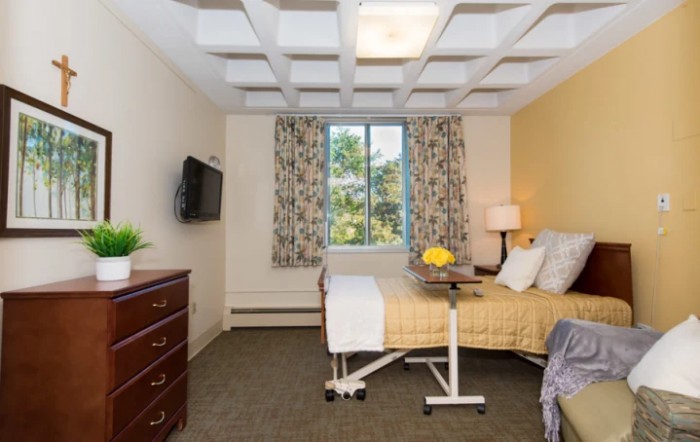
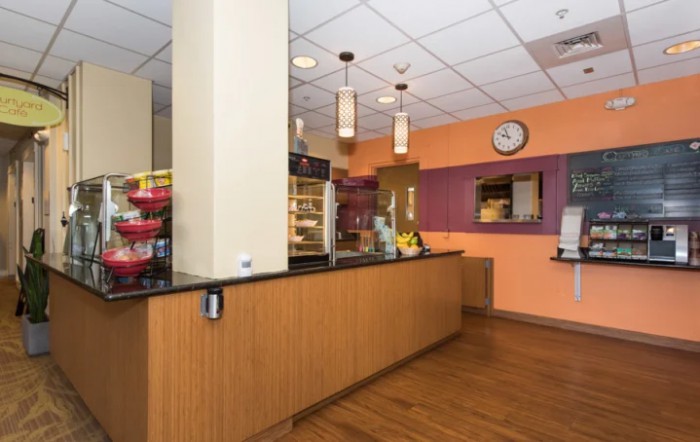
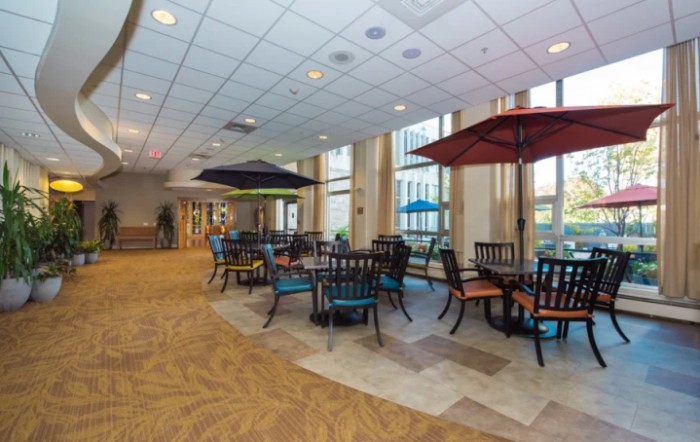
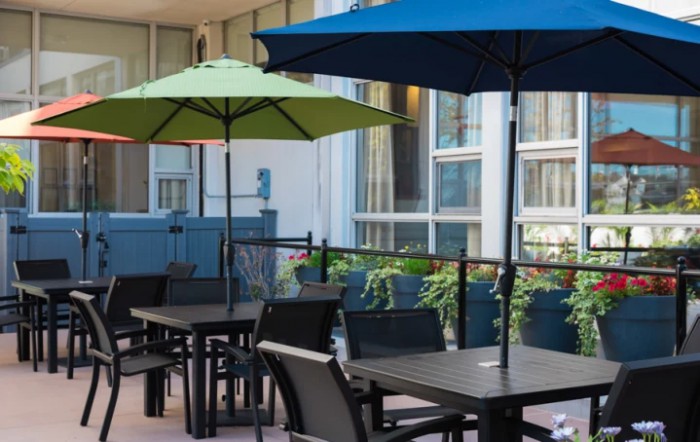
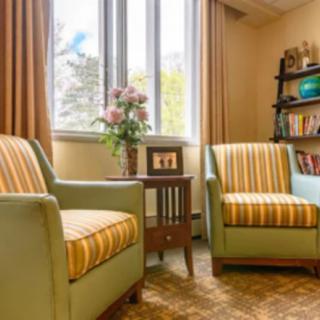
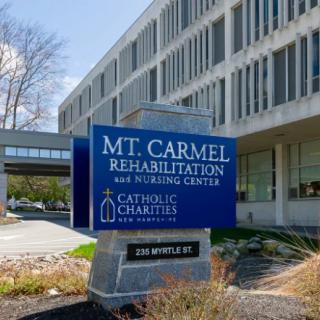
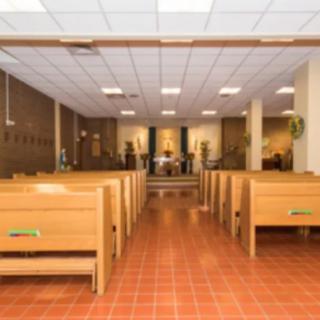
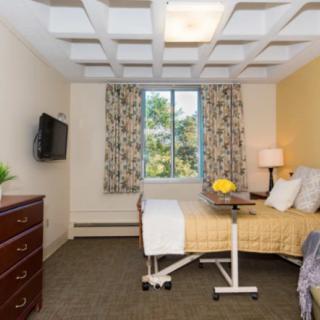
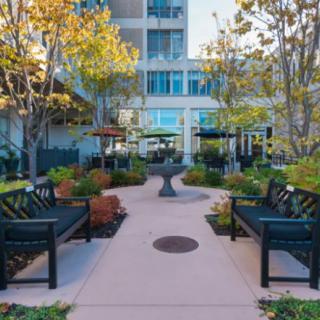
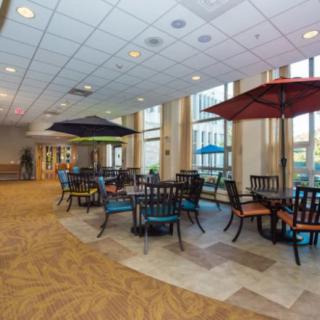
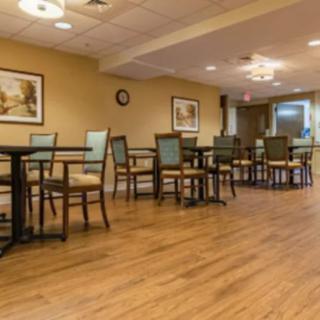
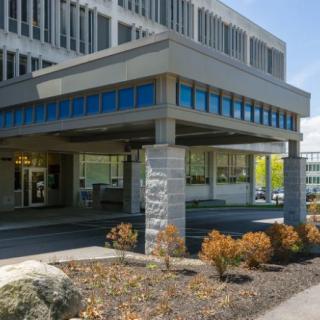
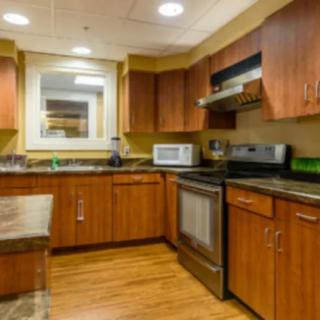
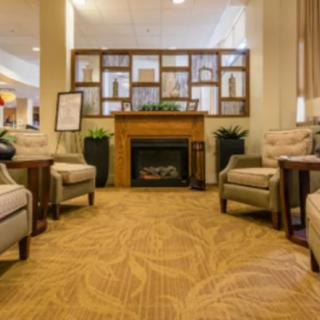
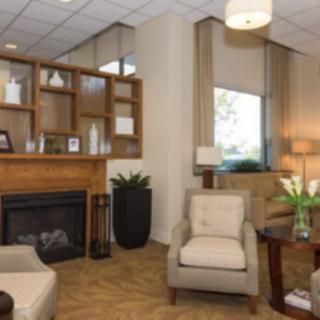
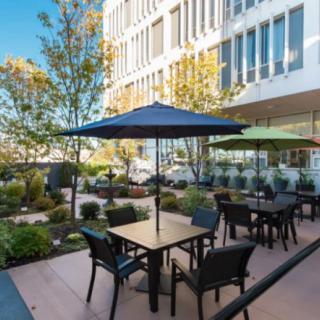
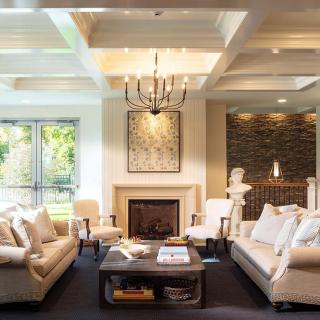
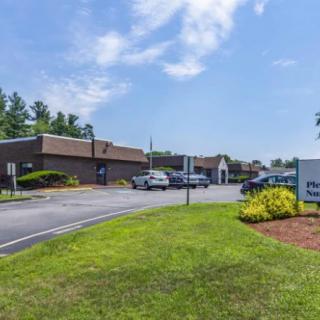
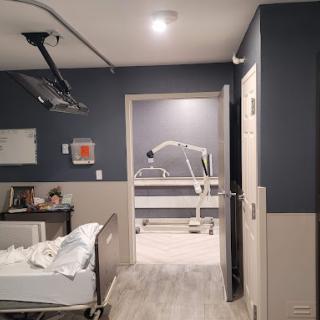
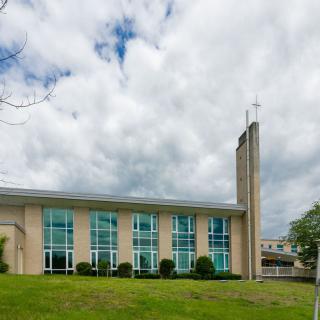
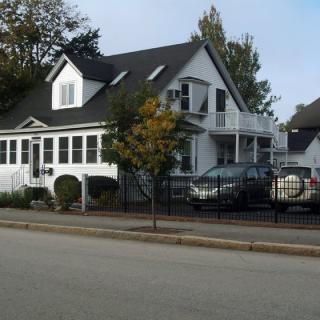
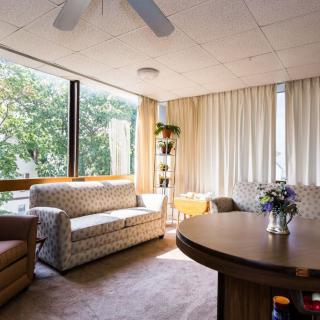
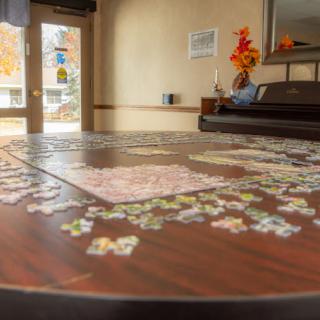
Mount Carmel Rehabilitation And Nursing Center on seniors.fyi includes 22 photos including images showing interior, windows, decor, church, umbrellas, building, dining, seating area, and more.
Nearby Communities
Maple Leaf Health Care Center
Manchester, NH
4 from 59 reviews
Caring staff with good communication and a clean environment.
Washington Manor
Manchester, NH
5 from 1 review
Personalized care in a small, intimate community with 24/7 supervision.
Always There Senior Care
Manchester, NH
4.9 from 42 reviews
$4,400 to $5,600 / month
Private rooms with private baths, engaging activities, inclusive dining, and convenient access to local services.
Myrtle Manor II
Manchester, NH
3 from 2 reviews
Helpful staff in a clean, pet-friendly, low-activity setting.
Carepoint Plus
Manchester, NH
4.7 from 3 reviews
Fully furnished apartments with 24-hour care and restaurant-style dining.
Evergreen Place
Manchester, NH
4.5 from 13 reviews
Warm, home-like community with attentive staff, engaging activities, and strong dining and support services.
The article emphasizes the critical role of supportive employee benefits for caregivers, advocating for flexible scheduling, paid leave, and mental health services to ease their challenges while enhancing employee well-being and organizational loyalty. It also highlights the importance of strong leadership in promoting these initiatives to foster a sustainable workplace culture that values caregivers.
Senior drivers prioritize comfort, safety, and ease of use in vehicles due to age-related challenges, seeking features like easy entry, clear visibility, and modern driver-assistance technologies. Recommended models include the Subaru Forester, Honda CR-V, and Toyota Camry, with emphasis on test-driving for personal comfort and evaluating crash-test ratings alongside insurance considerations.
Private pay home care offers a flexible caregiving option for older adults and families who don't qualify for government programs, allowing them to directly fund in-home care services that range from daily assistance to specialized support. This model's customization potential enables aging in place while addressing financial considerations through strategic planning options, though clients must navigate marketplace challenges and ensure quality compliance.
Mount Carmel Rehabilitation And Nursing Center photos
×
Interior
Decor
Living Room
Building
Architecture
Bedroom
Trees
Windows
Dining
Landscaping
Kitchen
Seating Area
Fireplace
Outdoor
Interior
Decor
Bedroom
Dining
Living Room
Landscaping
Windows
Building
Architecture
Trees and Urban
Kitchen, Appliances, Cabinets, and Stove
Lighting
Garden, Pathway, and Outdoor Seating
Television
Fireplace
Seating Area
Outdoor
Entrance and Office
Patio
Lobby
Exercise Equipment, Gym, and Staircase
Exterior and Healthcare
Piano and Doors
Brick Wall and Chapel
Spacious
Umbrellas
Church
Get PricingAsk A QuestionSchedule A TourContact Senior Advisor
By clicking submit, you agree to our Partner's Terms of Use. You
also consent to receive calls and texts, which may be autodialed, from our Partner. Your consent is not a condition to
using our Partner's service. Please visit our Partner's Privacy Policy for information about their privacy practices.

 122 resident community capacity
 Skilled Nursing Facility
 Air-conditioning
 Beauty salon
 Cable or satellite TV
 Computer center
 Dining room
 Fitness room
 Fully furnished
 Gaming room
 Garden
 Housekeeping services
 Kitchenette
 Move-in coordination
 Outdoor space
 Private bathrooms
 Restaurant-style dining
 Small library
 Telephone
 Wellness center
 Wi-Fi/high-speed internet available
 Manchester (4 miles away)
 Community operated transportation
 12-16 hour nursing
 24-hour call system
 Activities of daily living assistance
 Assistance with bathing
 Assistance with dressing
 Assistance with transfers
 Diabetes diet
 Medication management
 Mental wellness program
 Special dietary restrictions
 Concierge services
 Planned day trips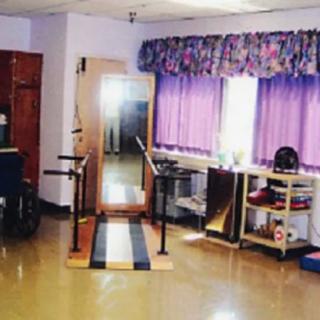
 Caring staff with good communication and a clean environment.

 Supportive Employee Benefits That Help Caregivers Attain Better Work-Life Harmony
 Top Cars for Senior Drivers and Essential Safety Innovations
 A Closer Look at Private Pay Home Care