

2939 Magazine St, St. Louis, MO 63106
To contact a resident: (314) 531-0500
For more information about senior living options: (866) 208-4318
Overall Review of Garrison Health Ctr
Pros
 The staff were very nice during the mother's admission.
Cons
 The reviewer claims there is no care there, describing it as just a place for the homeless.
- They say they felt obligated to post a review to deter others from admitting a loved one.
- They are shocked that the facility allows smoking indoors and note there is a smoking room.
- They observe that the staff were initially very nice when the mother was admitted, but became less accommodating over time.
- They warn readers not to be fooled and insist that the place is awful.
Review
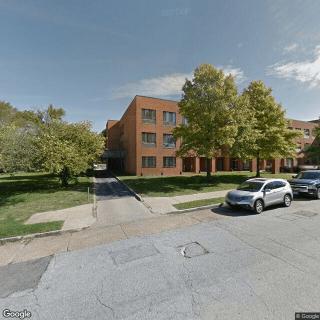
Garrison Health Center in St. Louis is best suited for residents with very low care needs who are primarily seeking shelter over skilled support, and for families prepared to tolerate inconsistent attention and a challenging environment. The consensus from multiple reviews is that this facility does not meet the expectations for a reliable recovery or rehabilitation setting, and thus it should not be the default choice for someone who requires regular medical oversight or structured daily routines.
For those evaluating options, alternatives are worth pursuing if the priority is clear medical management, steady staffing, and a safe, smoke-free environment. If a loved one needs ongoing wound care, medication management, physical therapy, or consistent social and emotional support, a facility with proven staffing stability and transparent operations is a better investment. Prospective residents should schedule tours, check licensing and inspection histories, and seek feedback from recent families to avoid a repeat of the described experiences.
Key concerns rise quickly in the reviews: claims of little to no care, a sense that the space serves as a shelter rather than a health center, and the alarming policy of allowing indoor smoking. One account notes that staff can appear friendly at intake, but the level of accommodation and genuine concern declines over just a few days. The abrupt shift from courtesy to detachment undermines trust and raises questions about daily supervision, medication handling, and the availability of skilled staff.
Even where warmth shows up initially, it does not offset the dominant drawbacks. The lack of sustained caregiving, potential safety risks, and a recovery-inhibiting indoor smoking policy create a package that is incompatible with meaningful healing or comfort. In other words, the few positives do not compensate for ongoing gaps in care, inconsistent responsiveness, and an environment that does not support steady progress.
Families evaluating this option should adopt a proactive checklist: verify licensure and recent survey results, demand a full tour focusing on staff-to-resident ratios and the presence of licensed nurses on site, ask about daily schedules, medication administration practices, and handling of care transitions, and inspect the facility’s air quality and smoking policy. Obtain a clear understanding of costs, what is included for rehabilitation or therapy services, and the facility’s policy on visitor access and family involvement. If any red flags appear, pivot to stronger-rated SNFs, rehab centers, or hospitals with post-acute options.
Overall, the practical takeaway is that this community is not recommended for families seeking reliable care or meaningful recovery support. It may only be considered in the most constrained circumstances, where every other option is exhausted and the willingness to manage substantial risk is present. For most cases, alternative communities with stronger staffing, safer environments, and clear, compassionate care plans will deliver far better outcomes and peace of mind.
 Skilled Nursing Facility
 Lambert-St Louis International (10 miles away)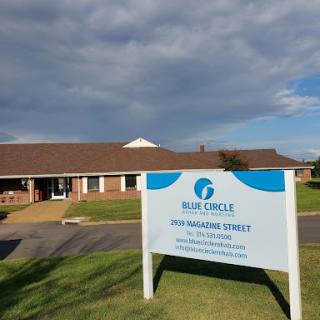



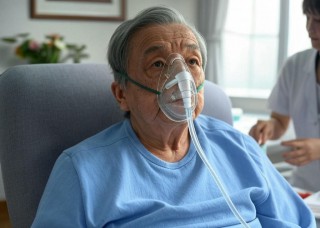 Essential Knowledge on Pneumonia in Older Adults
 Exploring Palliative Care in the Home: A Comprehensive Overview
 Comprehensive Insights into Palliative Home Care: What It Is and What to Expect