
3508 Prairie Avenue, St. Louis, MO 63107
For more information about senior living options: (866) 208-4318
Overall Review of Oasis Residential Care Facility
Pros
 The owner of the facility takes pride in actually caring for the people that live there.
- She gets them to all appointments and makes sure they are living a good life.
- She is always in the facility and the residents have a great bond with her.
Cons
 The provided review contains only positive statements about the owner and the facility.
Review
Oasis Residential Care Facility in St. Louis is best suited for seniors who want a warm, home-like setting where care is personal and highly visible. The strongest fit is for residents who thrive on a steady, relationship-driven approach and appreciate a caregiver who actively manages the daily rhythm, getting to appointments, coordinating transportation, and staying engaged with each resident’s life. When the owner is present, residents experience a level of attentiveness and continuity that can soften the isolation that sometimes comes with smaller communities. This environment rewards families seeking trust, shared routines, and a sense that someone is looking out for every small detail of daily well-being.
Those who may want to consider alternatives include families with residents who require robust, on-site clinical oversight or memory-care specialization. A larger assisted living or a facility with a dedicated nursing staff around the clock, a broader continuum of medical services, and a richer calendar of structured activities may be preferable for individuals with complex medical needs, advanced dementia, or high safety concerns. If a resident’s goals center on extensive social programming, diversified amenities, or easy access to a wider network of healthcare professionals, Oasis may feel limited by its small scale.
The documented strengths center on intimate, hands-on care. The owner’s evident pride in her work translates into consistent presence, a daily commitment to residents, and a practical, purposeful approach to their schedules. This translates into reliable appointment adherence and transportation support, critical elements for maintaining medical plans and reducing missed care. The interpersonal climate matters as well: residents form genuine bonds with the caregiver, which can yield emotional stability, reduced agitation, and a sense of belonging that is hard to replicate in larger communities. Those factors become meaningful compensation for the home’s smaller footprint.
Yet the same strengths illuminate potential limitations. A compact, owner-led model often comes with leaner staffing and fewer on-site professionals to handle medical needs, medication administration, or urgent concerns. If the owner is not present or if staffing gaps appear, response times and continuity of care can suffer, exposing residents to less predictable schedules and care gaps. The limited scale may also constrain activity options, outdoor space, and the breadth of therapies or specialized programs that residents sometimes rely on for cognitive stimulation, physical fitness, and social engagement. Families should test these dimensions directly, understanding how emergencies are managed and what backup plans exist.
Despite these drawbacks, the advantages can offset many concerns when the priorities align with Oasis’s strengths. The personal stewardship by the owner often yields a more nimble care plan, with adjustments made quickly in response to a resident’s changing needs. The intimate setting fosters trustful communication between family and caregiver, reducing miscommunication and ensuring that medical directives and preferences are honored in practice. For residents who value belonging and predictability, the advantages of consistent presence, direct appointment coordination, and a known caregiver who advocates on their behalf can outweigh the absence of a larger care team or more expansive programming.
Bottom line: Oasis Residential Care Facility is a compelling choice for families who prize a close-knit, responsive, and caregiver-led environment, where a trusted owner coordinates care and keeps residents connected to their medical needs. It is less suited for those requiring intensive medical oversight, memory-care specialization, or broad, program-rich living experiences. Prospective families should probe the facility about nursing support, medication management, care planning processes, staff turnover, emergency protocols, transportation logistics, and the size and quality of activity offerings. A candid visit paired with direct conversations about what happens on weekends, during evenings, and when the owner is away will reveal whether Oasis can meet the resident’s non-negotiables or whether a larger, more medically resourced community is warranted.
 20 resident community capacity
 Assisted Living
 Board and Care Home
 Beauty salon
 Cable or satellite TV
 Dining room
 Fully furnished
 Garden
 Housekeeping services
 Kitchenette
 Move-in coordination
 Outdoor space
 Telephone
 Wi-Fi/high-speed internet available
 Lambert-St Louis International (10 miles away)
 24-hour call system
 Activities of daily living assistance
 Assistance with bathing
 Assistance with dressing
 Assistance with transfers
 Diabetes diet
 Meal preparation and service
 Medication management
 Mental wellness program
 Special dietary restrictions
 Transportation arrangement (medical)
 Transportation to doctors appointments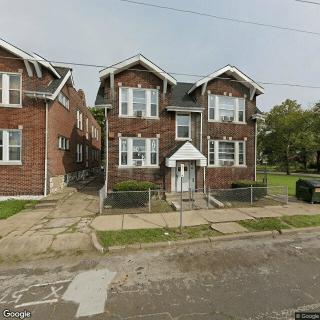



 Understanding the Distinctions: Assisted Living and Memory Care Explained
 Guiding Elderly Parents Who Refuse Assisted Living: 6 Practical Steps
 Your Comprehensive Guide to Luxury Assisted Living: Elevated Facilities, Amenities, and Costs