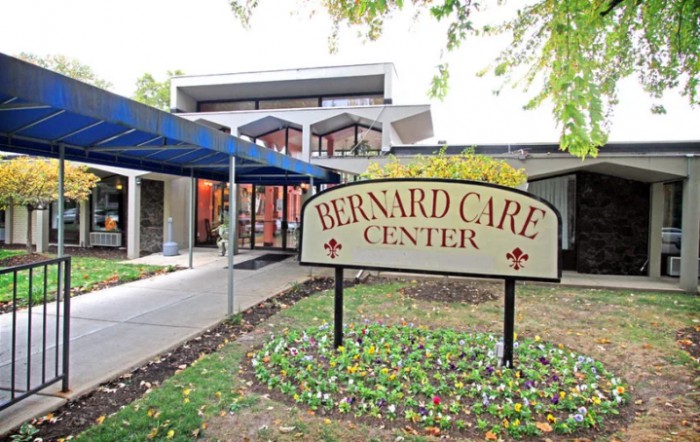
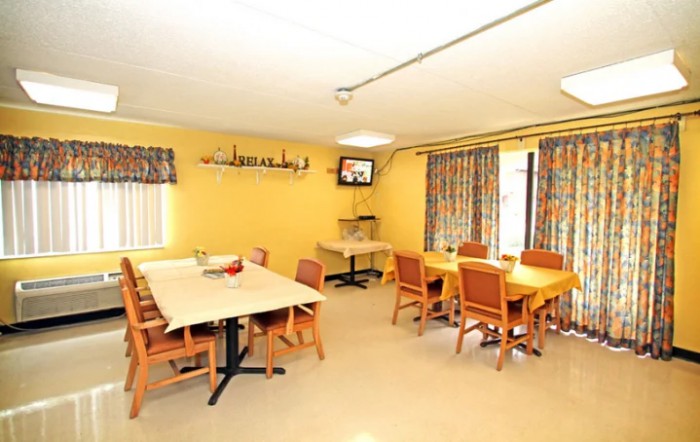
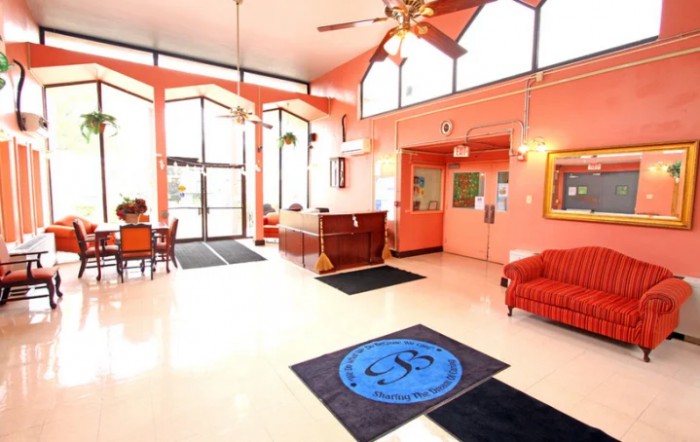
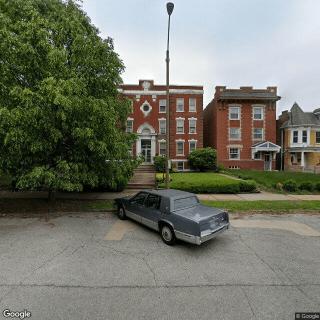
4335 West Pine Boulevard, Saint Louis, MO 63108
For more information about senior living options: (866) 208-4318
Bernard Care Center Costs & Pricing
At Bernard Care Center, the monthly costs for care reflect both the quality of services provided and the competitive landscape of the area. For a semi-private room, residents can expect to pay $4,410, which is higher than the state average of $3,772 but lower than St. Louis city rates of $3,994. This cost structure suggests that while Bernard Care Center is slightly above the state average, it offers a more appealing option compared to urban facilities. In contrast, private room accommodations at Bernard Care Center are priced at $4,557; this remains notably lower than the average in St. Louis city at $5,727 while still being competitive with Missouri's overall rate of $4,483. Overall, these pricing dynamics highlight Bernard Care Center's commitment to delivering quality care in a supportive environment.
| Floor plans | Bernard Care Center | St. Louis city | Missouri |
|---|---|---|---|
| Semi-Private | $4,410 | $3,994 | $3,772 |
| Private | $4,557 | $5,727 | $4,483 |
Skilled Nursing Facilities with a similar price nearby
-
About the same

Chestnut Glen Senior Living
$4,290 to $5,670 / month20.9 miles away -
from +$152 / mo
Mari De Villa Retirement Ctr
$4,562 / month13.7 miles away -
from +$190 / mo
The Landing Of Ofallon
$4,600 to $7,280 / month24.6 miles away -
from -$243 / mo

Community Care of Lemay
$4,167 to $20,000 / month7.4 miles away -
from +$290 / mo

Mason Pointe
$4,700 / month12.7 miles away
Overall Review of Bernard Care Center
Pros
 They were very professional.
- They answered all the questions the resident had.
- They made the resident feel very comfortable during the transition.
- They showed compassion and transported the residence safely.
- Kudos to Bernard Care and their team.
- The staff were really welcoming.
- The staff is friendly and the facility is kept clean.
- The staff is nice and informative.
Cons
 The facility is horrible; it does not care for its clients, and management and staff communicate poorly.
- A stray dog would be better off on the street than the residents in this place.
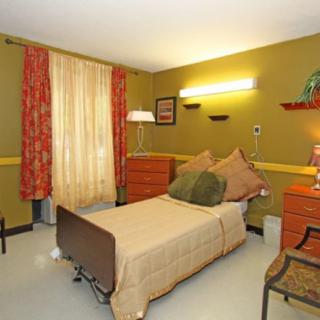
- The home was not clean, residents were lined up in the hallways, activities were scarce, and the environment was dark and grim.
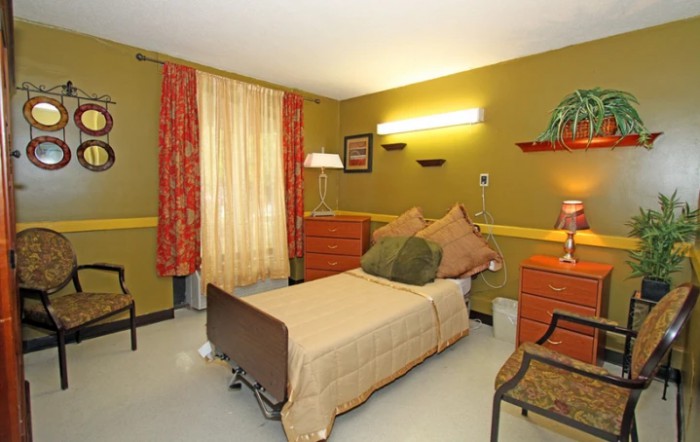
- The facility has no parking, offers misleading information, and features very small rooms.
- The staff is poorly trained and unprofessional, and management is hard to reach.
- There is a pervasive lack of follow-through, with promises never kept and insufficient help, training, and resources.
Review
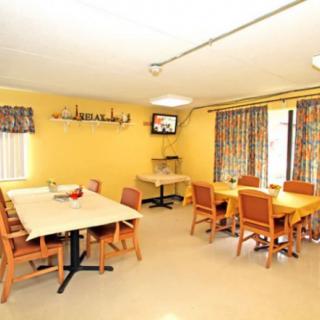
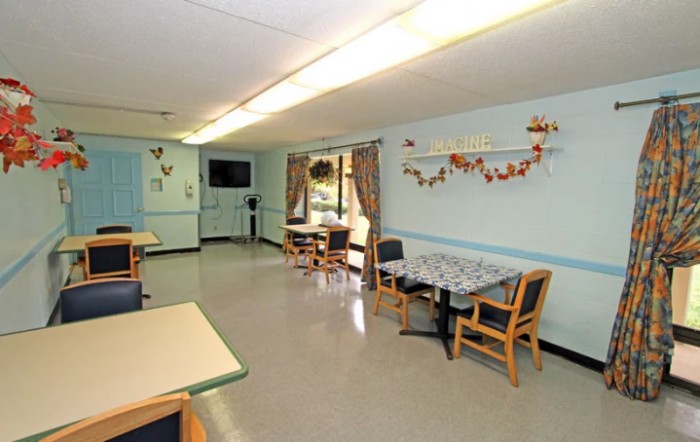
Bernard Care Center in Saint Louis is best suited for families that prioritize a smooth admission experience and a clean, approachable environment, with frontline staff who are friendly and accessible. The standout strength lies in the administrative team during transition: professionalism, clear communication, and compassionate handling that can ease the move for a resident and reassure relatives. It also serves residents who require a structured setting, including those with wandering tendencies, since positive notes mention a locked unit option and careful oversight. For families seeking a facility that prioritizes the intake process and basic daily civility, this center checks those boxes.
For those prioritizing long-term, consistently high-touch care with robust staffing, this community may not meet expectations. Multiple accounts describe chronic staffing shortages, uneven attentiveness, and difficulty getting management to respond. Reports range from forgetful follow-through on promised services to limited help at meals and daily activities. The combination of under-resourcing and management gaps frequently undermines daily quality of life, even in a clean environment with courteous front-line workers. In such cases, alternatives with stronger staffing models and transparent leadership should be considered.
On the pro side, the admissions and transition experience stands out. An administrator and team that explain processes, answer questions, and transport residents safely can dramatically reduce the stress of moving. That foundation is real and can translate into calmer mornings and fewer miscommunications at first. However, that short-lived positivity can be overwhelmed by the longer arc of care quality. If a resident requires constant assistance with feeding, grooming, or mobility, the reported staffing shortages and care lapses tend to reassert themselves, eroding the initial confidence families felt during move-in.
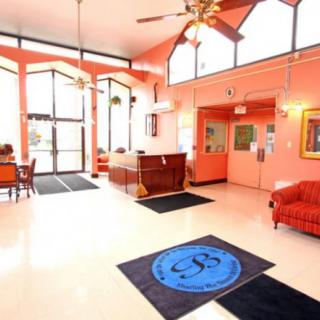
Cleanliness and a welcoming vibe emerge as recurring positives. Several reviewers point to a tidy facility and friendly staff who are available and courteous. Yet these positives do not erase concerns about the potency of daily caregiving. Small room sizes and parking friction compound the practical challenges of living there long term. Smell complaints and the perception of lax management further temper the initial warmth, signaling that the facility can feel more comfortable than capable when real caregiving needs spike. The contrast between pleasant hallways and intermittent care creates a troubling inconsistency for families evaluating stability.
For wanderers or residents needing restricted movement, Bernard Care Center has at least one useful leverage point, with staff described as informative about safe containment. This is a legitimate consideration for families facing a wandering relative who requires supervision. Still, one must verify current capabilities, such as whether a locked unit is available, staffing adequacy to monitor residents, and whether programs keep residents engaged. The broader picture remains mixed: good bedside manner and clean surroundings exist alongside reports of under-resourced caregiving and unfulfilled promises that can erode confidence over time.
The practical takeaway is clear: visit with a critical eye, inquire about staffing coverage, and demand concrete care plans before choosing. If daily caregiving needs are significant or if reliable communication with management is non-negotiable, explore other options with proven higher staffing levels and stronger accountability. Bernard Care Center can deliver a positive initial impression and a respectful transition, but lasting satisfaction will hinge on sustained staff availability, responsive leadership, and meaningful daily support for residents. The decision should hinge on balance: the strength of the admission experience versus the reality of ongoing care delivery.
 141 resident community capacity
 Memory Care
 Skilled Nursing Facility
 Activities on-site
 Air-conditioning
 Bath tubs
 Beautician on-site
 Cable or satellite TV
 Computer center
 Devotional services off-site
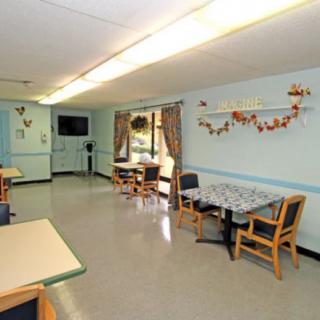
 Dining room
 Fitness room
 Fully furnished
 Gaming room
 Garden
 Housekeeping services
 Indoor common areas
 Kitchenette
 Move-in coordination
 Outdoor common areas
 Private
 Private bathrooms
 Respite or short term stays offered
 Restaurant-style dining
 Small library
 Telephone
 Wellness center
 Wheelchair accessible showers
 Wi-Fi/high-speed internet available
 Lambert-St Louis International (9 miles away)
 Community operated transportation
 24-hour call system
 Assistance with bathing
 Assistance with dressing
 Assistance with transfers
 Diabetes diet
 Diabetic care
 High acuity care
 Incontinence care
 Medication management
 Special dietary restrictions
 Concierge services
 Planned day trips



 When to Transition from Assisted Living to Memory Care: Key Indicators, Steps, and Finding the Right Community
 Understanding the Distinctions: Assisted Living and Memory Care Explained
 How to Communicate with a Loved One Living with Dementia: 10 Supportive Strategies