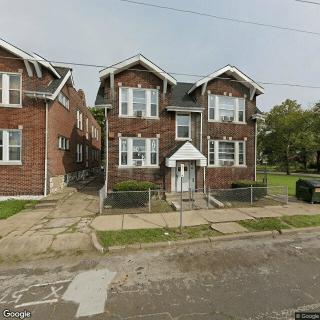
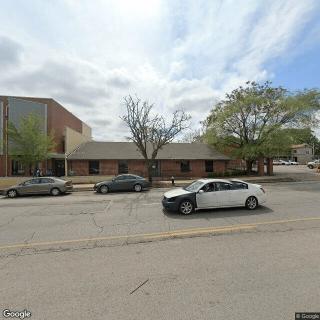
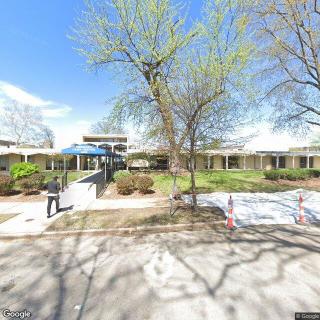
Spring Manor

3610 Palm Street, St. Louis, MO 63107

For more information about senior living options: (844) 490-3973

4.3 from 6 reviews
5 stars
5
4 stars
0
3 stars
0
2 stars
0
1 stars
1

Assisted Living

What level of care are you interested in?

Assisted Living

Memory Care

Independent Living

Skilled Nursing Facility

Continuing Care Retirement Community (CCRC)CCRC

Other


Request a tour at Spring Manor

    Overall Review of Spring Manor

    Pros

    • pro The staff are very loving, kind, and friendly.
    • pro The housing is excellent, safe, and drug-free for people with mental illnesses.
    • pro Edna, the coordinator of admissions, is a huge help with finding resources and is encouraging and supportive.
    • pro Miss Coffman, the admissions coordinator, warmly welcomes visitors and makes families feel like they belong.
    • pro The rooms are nice and large, and residents enjoy the yard where they can spend time outside.

    Cons

    • pro The care was god awful.
    • pro No one there seemed to care about anything.
    • pro The mom wasn't there a week and no one there seemed to care about anything.
    • pro She wandered off to a high school and the cops were called.

    Review

    Spring Manor comes across in these accounts as a place that many residents and their families come to with hopeful expectations, and in many cases those hopes are met with warmth, care, and practical support. Several reviewers emphasize a loving atmosphere and a safe, drug-free environment that is tailored to people dealing with mental health challenges. They describe a program that not only provides housing but also emphasizes kindness, generosity, and a commitment to the residents' well-being. The sense of community and the impression that staff genuinely care about the residents' everyday lives - what they eat, how they are treated, and how they feel about where they live - is a recurring theme.

    A central pillar in the positive portrayals is the admissions team, especially Edna and Miss Coffman. One reviewer lauds Edna as a "huge help with finding resources," noting that she is encouraging and very supportive. This praise highlights how crucial the admissions process is for families trying to navigate care options, and it suggests that Edna provides more than paperwork help - she offers emotional and practical guidance during what can be a difficult transition. Miss Coffman, repeatedly described as the admissions coordinator, is depicted as welcoming and personally involved: reviewers recall being greeted at the door by her, touring the facility together, and hearing that the rooms were "nice and big," with staff described as friendly. The father of one reviewer reportedly loved the campus and the yard where he could smoke, and the reviewer remarked that their loved one had been happy there for five months, clearly attributing much of that satisfaction to Miss Coffman's care and attention.

    Another positive thread centers on the sense of family and ongoing support that Miss Coffman provides. One reviewer who visited Spring Manor more than once emphasizes how the admissions coordinator "did an excellent job and made us all feel like we were a family." The caregiver notes that Miss Coffman understood the needs of both the resident and the family, and even when a higher level of care proved necessary, she ensured that the person received the best possible care. The gratitude extends to the broader team, with phrases like "kudos to Spring Manor" and "kudos to Miss Kaufman" underscoring a broad appreciation for the staff's dedication. In these accounts, the facility is portrayed as a place where residents are heard, supported, and guided through transitions with a compassionate touch.

    There is a stark counterpoint in a single review that presents a much more troubling experience. The reviewer describes "God awful care" and cautions others not to bring a loved one to Spring Manor. The narrative portrays a rapid decline in a resident's condition after admission, with psychosis resurfacing and medication adherence slipping. The reviewer alleges that staff did not seem to care about the resident's needs, and the situation escalated to the point where the resident walked away unsupervised and wandered to a high school, prompting a police involvement. The tone is urgent and accusatory, painting a picture of serious safety and quality-of-care concerns in contrast to the mostly positive experiences described by others.

    Taken together, the reviews illustrate a facility with substantial strengths and meaningful - often deeply positive - experiences, especially around staff members who carry out their roles with empathy and resourcefulness. The praise for Edna's resourcefulness, Miss Coffman's welcoming presence, and the overall safe, drug-free atmosphere points to a setting that many families find comforting and supportive. The location's amenities - such as large rooms and outdoor spaces like a yard suitable for smoking - and the emphasis on safe housing for individuals with mental illnesses further illustrate why Spring Manor can be a good fit for some residents and families seeking stability and care.

    However, the negative account cannot be ignored. It serves as a critical reminder that experiences at facilities like Spring Manor can vary dramatically from one resident to the next, and from one crisis to another. The reviewer's description of rapid deterioration, a perceived lack of timely intervention, and a safety lapse - culminating in a resident leaving the facility unsupervised - highlights potential gaps that some families worry about when considering placement. This contrast suggests that while the admissions process and daily atmosphere may be strong, the facility's ability to manage acute crises and maintain consistent safety requires careful consideration and due diligence on the part of families and clinicians evaluating it.

    In the end, the set of reviews presents a nuanced picture of Spring Manor. For many, it is a place of warmth, supportive relationships, and practical assistance that helps residents and their families navigate the complexities of mental health care. The admissions team, especially Edna and Miss Coffman, emerges as a significant source of comfort and stability, guiding families through the transition with empathy and competence. Yet there are warnings too - alerts about potential lapses in care and safety that deserve serious attention. Anyone considering Spring Manor would do well to visit, meet the staff personally, tour the facilities, and discuss crisis management and safety protocols in depth to form a complete view tailored to their loved one's needs.

    Features

    Housing

    • 94 resident community capacity 94 resident community capacity

    Types of Care

    • Assisted Living Assisted LivingAssisted living facilities provide crucial support and care for seniors who may need help with daily tasks such as medication management, bathing, and meal preparation. These communities offer a safe and comfortable environment where seniors can maintain their independence while receiving the assistance they need to thrive in their golden years.

    Amenities

    • Air-conditioning Air-conditioningAir conditioning is important for seniors as they are more vulnerable to heat-related illnesses and may have underlying health conditions that make it difficult for them to regulate their body temperature. It helps to keep them comfortable, safe, and healthy in hot weather.
    • Beauty salon Beauty salonBeauty salons are important for seniors because they provide a space for them to feel pampered, socialize, and maintain their personal grooming and hygiene. Regular visits to a beauty salon can help boost seniors' self-esteem and overall well-being.
    • Cable or satellite TV Cable or satellite TVCable or satellite TV is important for seniors because it provides entertainment, news, and companionship, helping to combat loneliness and boredom. It also offers a wide range of programming options tailored to different interests and preferences.
    • Computer center Computer centerA computer center is essential for seniors as it provides access to technology, communication tools, and resources that can enhance their daily lives. It allows them to stay connected with loved ones, engage in online activities, and learn new skills, ultimately promoting socialization and mental stimulation.
    • Dining room Dining roomDining rooms are important for seniors as they provide a space for socialization, connection, and nutritious meals. They offer opportunities for residents to bond over shared meals, foster a sense of community, and promote healthy eating habits. Dining rooms also ensure that seniors have access to well-balanced meals tailored to their dietary needs and preferences.
    • Fitness room Fitness roomHaving a fitness room in a senior living community is essential for seniors to stay active, maintain their physical health, and improve their overall well-being. Regular exercise can help prevent falls, reduce the risk of chronic diseases, and promote mental sharpness. It also provides social opportunities for residents to connect with others and enjoy a sense of community.
    • Fully furnished Fully furnishedFully furnished senior living communities are important for seniors because they provide convenience, comfort, and a hassle-free moving experience. Seniors can easily settle into their new living space without the stress of having to buy and move furniture. This allows them to focus on enjoying their new home and community.
    • Gaming room Gaming roomGaming rooms are important for seniors as they provide a fun and engaging environment for socializing, cognitive stimulation, and physical activity. Games can improve memory, problem-solving skills, and overall mental well-being while fostering friendships and reducing feelings of isolation.
    • Garden GardenGardens are important for seniors as they provide a peaceful and therapeutic environment for relaxation, physical activity, and socialization. Being in nature has been shown to reduce stress, improve mood, and promote overall well-being. Gardens also offer opportunities for seniors to engage in gardening activities, which can improve mobility, flexibility, and cognitive function. Additionally, gardens create a sense of community and connection with others who share a passion for plants and outdoor spaces.
    • Housekeeping services Housekeeping servicesHousekeeping services are important for seniors because they help maintain a clean and safe living environment, promote independence, and reduce the risk of accidents or illnesses. Additionally, having assistance with household chores can alleviate physical strain and allow seniors to focus on other aspects of their well-being.
    • Kitchenette KitchenetteKitchenettes are important for seniors living in senior living communities because they provide the convenience and independence of being able to prepare simple meals and snacks in the comfort of their own living space. This can help promote a sense of autonomy and well-being for seniors, allowing them to maintain some level of control over their dietary choices and daily routines.
    • Move-in coordination Move-in coordinationMove-in coordination is important for seniors because it helps ease the transition into their new living environment. It ensures that all logistics, such as packing, organizing movers, and setting up utilities are taken care of, allowing seniors to focus on settling in and adjusting to their new home. Having a smooth move-in process can alleviate stress and anxiety, making the transition smoother and more enjoyable for seniors.
    • Outdoor space Outdoor spaceOutdoor spaces are important for seniors as they provide opportunities for physical activity, social interaction, exposure to natural light and fresh air, and a sense of connection to nature. Having access to outdoor spaces can improve overall well-being and quality of life for older adults living in senior communities.
    • Private bathrooms Private bathroomsPrivate bathrooms are important for seniors in senior living communities because they provide independence, dignity, and comfort. Having a private bathroom allows seniors to maintain their personal hygiene routines without the need for assistance, promoting a sense of autonomy and privacy. Additionally, private bathrooms help prevent the spread of infections and provide a safe and clean environment for seniors to navigate safely.
    • Restaurant-style dining Restaurant-style diningRestaurant-style dining is important for seniors because it allows them to enjoy delicious, nutritious meals in a social and upscale setting. This enhances their dining experience, promotes healthy eating habits, and fosters socialization with fellow residents, ultimately contributing to their overall well-being and quality of life.
    • Small library Small librarySmall libraries are important for seniors as they provide access to a variety of reading materials, including books, newspapers, and magazines. This can help stimulate their minds, keep them engaged, and provide a sense of community through book clubs and other social activities. Additionally, reading has been shown to improve cognitive function and overall mental well-being in older adults.
    • Telephone TelephoneTelephones are important for seniors as they provide a lifeline for communication with loved ones, emergency services, and healthcare providers. They offer a sense of security and independence, enabling seniors to stay connected and access assistance when needed.
    • Wellness center Wellness centerWellness centers are important for seniors because they offer a variety of programs and services that promote physical, mental, and emotional well-being. These centers provide opportunities for exercise, socialization, education, and relaxation, helping seniors maintain their overall health and quality of life.
    • Wi-Fi/high-speed internet available Wi-Fi/high-speed internet availableWi-Fi/high-speed internet is important for seniors to stay connected with loved ones, access online resources, and participate in virtual activities to combat feelings of loneliness and isolation. It also allows them to easily manage healthcare needs, access entertainment, and engage in lifelong learning opportunities.

    Transportation

    • Lambert-St Louis International (10 miles away) Lambert-St Louis International (10 miles away)
    • Community operated transportation Community operated transportationCommunity operated transportation is crucial for seniors as it provides them with the means to access essential services, social activities, and medical appointments. It allows seniors to maintain their independence and quality of life by ensuring they can participate in activities outside of their homes. Additionally, community-operated transportation services offer a safe and reliable way for seniors to travel without having to rely on family or friends for assistance.
    • Transportation arrangement Transportation arrangementTransportation arrangements are crucial for seniors as they may face challenges with driving, mobility, or access to public transportation. Having reliable transportation services ensures that seniors can easily attend appointments, social activities, and maintain their independence and quality of life.
    • Transportation arrangement (non-medical) Transportation arrangement (non-medical)Transportation arrangements are essential for seniors as they provide access to essential services, activities, and social interactions outside the home. This service helps maintain independence, mobility, and overall well-being for seniors who may have limited transportation options.
    • Transportation to doctors appointments Transportation to doctors appointmentsTransportation to doctors appointments is crucial for seniors as it ensures they have access to necessary medical care and support, promoting their health and well-being. It allows them to receive timely treatment, monitor existing conditions, and address any new health concerns efficiently. Additionally, transportation services can help seniors maintain their independence and quality of life by enabling them to stay connected with their healthcare providers.

    Care Services

    • 12-16 hour nursing 12-16 hour nursing12-16 hour nursing care is crucial for seniors in order to ensure around-the-clock monitoring, timely medication administration, and prompt response to any health concerns or emergencies. This level of care helps to promote the overall well-being and safety of seniors living in senior living communities.
    • 24-hour call system 24-hour call system24-hour call systems are important for seniors because they provide peace of mind and immediate assistance in case of emergencies. This technology ensures that help is always available, promoting safety and security for elderly individuals living alone or in assisted living facilities.
    • 24-hour supervision 24-hour supervision24-hour supervision is important for seniors to ensure their safety, well-being, and access to immediate assistance in case of emergencies or health issues. This constant support provides peace of mind for both seniors and their loved ones, allowing them to age in place with dignity and security.
    • Activities of daily living assistance Activities of daily living assistanceActivities of daily living assistance are important for seniors because they provide essential support with tasks such as eating, bathing, dressing, and mobility. This assistance helps seniors maintain their independence, dignity, and overall quality of life as they age.
    • Assistance with bathing Assistance with bathingAssistance with bathing is crucial for seniors as it helps maintain personal hygiene, prevents infections, and ensures their overall well-being and comfort. It also provides a sense of dignity and independence for seniors who may struggle with this task on their own.
    • Assistance with dressing Assistance with dressingAssistance with dressing is important for seniors because it helps maintain their independence, promotes personal hygiene, prevents accidents and injuries, and improves overall quality of life. This service ensures that seniors can continue to dress comfortably and confidently, despite any physical limitations they may have.
    • Assistance with transfers Assistance with transfersAssistance with transfers is crucial for seniors as it helps prevent falls and injuries, maintains their independence, and ensures they can safely navigate their living environment. It also provides peace of mind for both seniors and their loved ones.
    • Diabetes diet Diabetes dietA diabetes diet is crucial for seniors as it helps manage blood sugar levels, reduce risks of complications, and improve overall health and well-being. By following a balanced and nutritious diet tailored to their specific needs, seniors can better control their diabetes and enhance their quality of life.
    • Meal preparation and service Meal preparation and serviceMeal preparation and service are crucial for seniors as they may have limited mobility or energy to cook nutritious meals. Having access to healthy and convenient food options can ensure they are getting the proper nutrition needed to maintain their overall health and well-being.
    • Medication management Medication managementMedication management is crucial for seniors to ensure they are taking the right medications at the correct dosages and times. This helps prevent adverse drug interactions, reduces the risk of medication errors, and promotes overall health and well-being. Proactive management also allows for adjustments as needed based on changing health conditions or new prescriptions.
    • Mental wellness program Mental wellness programMental wellness programs are essential for seniors as they promote cognitive stimulation, emotional support, and social engagement. These programs help prevent isolation, depression, and cognitive decline, ultimately enhancing the overall quality of life for older adults.
    • Special dietary restrictions Special dietary restrictionsSpecial dietary restrictions are important for seniors because age-related changes in metabolism and health conditions can make it difficult for their bodies to process certain foods. By following a diet tailored to their specific needs, seniors can maintain their overall health and well-being, manage chronic conditions, and reduce the risk of complications such as malnutrition or food interactions with medications.

    Dining

    • Diabetes diet Diabetes dietA diabetes diet is crucial for seniors as it helps manage blood sugar levels, reduce risks of complications, and improve overall health and well-being. By following a balanced and nutritious diet tailored to their specific needs, seniors can better control their diabetes and enhance their quality of life.
    • Special dietary restrictions Special dietary restrictionsSpecial dietary restrictions are important for seniors because age-related changes in metabolism and health conditions can make it difficult for their bodies to process certain foods. By following a diet tailored to their specific needs, seniors can maintain their overall health and well-being, manage chronic conditions, and reduce the risk of complications such as malnutrition or food interactions with medications.

    Activities

    • Community-sponsored activities Community-sponsored activitiesCommunity-sponsored activities are important for seniors as they provide opportunities for social interaction, mental stimulation, and physical activity. These activities can help improve overall well-being, combat loneliness and isolation, and promote a sense of belonging and purpose among older adults.
    • Concierge services Concierge servicesConcierge services are essential for seniors as they provide assistance with daily tasks and errands, enhance their quality of life by offering convenience and personalized care, and promote a sense of safety and security.
    • Fitness programs Fitness programsFitness programs are crucial for seniors as they help improve strength, flexibility, balance, and overall well-being. Staying active can reduce the risk of chronic diseases, improve mental health, and enhance quality of life in older adults.
    • Planned day trips Planned day tripsPlanned day trips are important for seniors because they offer opportunities for socialization, mental stimulation, and physical activity. They provide a change of scenery and help seniors stay engaged and connected to their community, promoting overall well-being and quality of life.
    • Resident-run activities Resident-run activitiesResident-run activities are important for seniors as they encourage social interaction, creativity, and a sense of autonomy. These activities empower seniors to stay engaged and active in their community while fostering meaningful connections with their peers.
    • Scheduled daily activities Scheduled daily activitiesScheduled daily activities are important for seniors because they provide structure, socialization, mental stimulation, and physical activity. Engaging in regular activities can improve overall well-being and quality of life for seniors living in a community setting.

    Description

    Spring Manor in St. Louis, MO is an inviting and vibrant assisted living community that offers a range of amenities and care services to ensure a comfortable and fulfilling lifestyle for its residents.

    The community boasts various amenities designed to enhance the well-being and convenience of its residents. There is a beauty salon on-site where residents can enjoy pampering services, while cable or satellite TV is available in each living space for entertainment. Community-operated transportation is provided, ensuring easy access to local attractions and appointments, and there is a computer center equipped with modern technology for residents to stay connected.

    Residents can enjoy delicious meals in the dining room, with restaurant-style dining offered for an enjoyable experience. For those who prefer cooking their own meals, each living space comes fully furnished with a kitchenette. Housekeeping services are also provided to help maintain a clean and tidy living environment.

    Spring Manor offers various spaces for recreation and relaxation. Residents can stay active in the fitness room or engage in friendly competition in the gaming room. The outdoor space provides opportunities for gardening or simply enjoying nature. A small library offers a quiet place to read or engage in intellectual pursuits.

    The community understands the importance of connectivity in today's world and therefore provides Wi-Fi/high-speed internet throughout the premises. Telephone services are also available.

    In terms of care services, Spring Manor ensures round-the-clock support through its 24-hour call system and supervision. Assistance with activities of daily living such as bathing, dressing, and transfers is readily available, promoting independence while providing peace of mind. Medication management is provided by trained staff members, ensuring that residents receive their medications safely and accurately.

    Special dietary accommodations are made for those with diabetes or other restrictions, ensuring that all dietary needs are met. Meal preparation and service are also available for convenience.

    Spring Manor goes beyond physical care by offering mental wellness programs that prioritize emotional well-being alongside physical health. Transportation arrangements can be made for non-medical purposes, and the community also provides transportation to doctors' appointments.

    Social engagement is encouraged through a range of activities. Concierge services are available to assist residents in planning their day-to-day activities, and fitness programs help promote active lifestyles. Planned day trips and resident-run activities offer opportunities for exploration and socialization, while scheduled daily activities ensure a lively and engaging environment.

    With its prime location, Spring Manor benefits from its proximity to various amenities in the surrounding area. There are multiple cafes, parks, pharmacies, restaurants, places of worship, hospitals, and physicians nearby, ensuring that residents can easily access essential services and enjoy the local community.

    Overall, Spring Manor offers an enriching assisted living experience where residents can thrive with personalized care, enjoyable amenities, and a vibrant community atmosphere.

    Nearby Places of Interest

    Parks

    • Fairground Park (0.4 miles)
    • Wohl Recreation Center / Sherman Park (2.3 miles)
    • Citygarden (2.7 miles)
    • Lafayette Park (3 miles)
    • Gateway Arch National Park (3 miles)
    • Bar K (3.6 miles)
    • Tower Grove Park (4.1 miles)

    Hospitals

    • VA Medical Center Spinal Cord Injury Program (1.4 miles)
    • The Rehabilitation Institute of St Louis (2.7 miles)
    • SSM Cardinal Glennon Children's Medical Center (2.9 miles)
    • St Louis Children's Hospital (2.9 miles)
    • Metropolitan St Louis Psychiatric Center (3.1 miles)
    • Gateway Regional Medical Center (4.8 miles)
    • St Alexius Hospital (5.3 miles)

    Restaurants

    • Salt + Smoke (1.8 miles)
    • Schlafly Tap Room (1.9 miles)
    • McDonald's (2 miles)
    • Rosalita's Cantina (2.2 miles)
    • The Over Under Bar Grill (2.4 miles)
    • Yellowbelly (2.6 miles)
    • Lumiere Place Casino (2.6 miles)

    Pharmacies

    • CVS Pharmacy (1.9 miles)
    • Walgreens (2.2 miles)
    • Schnucks (2.5 miles)
    • Walgreens (3.3 miles)
    • Globe Drug (3.8 miles)
    • Walgreens (4.3 miles)
    • Walgreens (4.8 miles)

    Cafes

    • Starbucks (2.1 miles)
    • Starbucks (2.9 miles)
    • Starbucks (2.9 miles)
    • Blueprint Coff (4.4 miles)
    • Starbucks (4.7 miles)

    Physicians

    • BJC Behavioral Health Service - Dinu Petru Gangure MD (2.3 miles)
    • Barnes-Jewish Hospital (3 miles)
    • University Club Medical (7.3 miles)

    Transportation

    • Amtrak (2.6 miles)
    • Zooline Railroad The Wild (4.1 miles)
    • MetroLink - Emerson Park Station (4.9 miles)
    • Jet Aviation (6.6 miles)
    • Metrolink North Hanley Station (6.7 miles)

    Places of Worship

    • St Ambrose Church (4.2 miles)
    • Macedonia Baptist Church (4.7 miles)
    • St Ann Catholic School (5.4 miles)
    • St Johns Lutheran Church (5.4 miles)

    Theaters

    • AMC Esquire 7 (5.6 miles)

    Frequently Asked Questions

    Where is Spring Manor?

    Nearby Communities

    Related Resources

    • when to move from assisted living to nursing home8 Key Indicators That Suggest It May Be Time to Transition from Assisted Living to Skilled Nursing Care

      The transition from assisted living to skilled nursing care is often prompted by complex medical needs that assisted living cannot meet, with key indicators including frequent health declines, increased falls, severe memory issues, and caregiver burnout. Families should recognize these signs early to discuss options with healthcare providers and prepare for the emotional and logistical aspects of moving to a facility that offers comprehensive medical support.

    • active senior livingVibrant Senior Living: A Comprehensive Guide for Active Older Adults

      Vibrant Senior Living emphasizes active senior living communities that promote independence and engagement through diverse amenities and activities, fostering wellness and social interaction among older adults. These communities range from independent to assisted living, with a focus on personal growth, family involvement, financial planning, and leveraging technology to enhance residents' experiences.

    • when to move from assisted living to memory careWhen to Transition from Assisted Living to Memory Care: Key Indicators, Steps, and Finding the Right Community

      Transitioning from assisted living to memory care is driven by an individual's cognitive decline and specific needs, requiring careful evaluation of indicators like increased confusion and wandering. The process involves consulting medical professionals, researching suitable communities, considering financial and legal aspects, and ensuring effective communication for personalized care plans.


    Get Pricing Ask A Question Schedule A Tour Contact Senior Advisor