
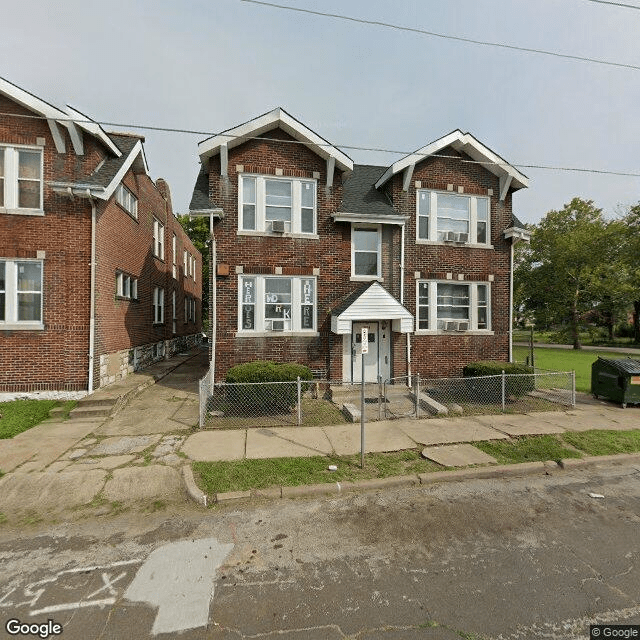
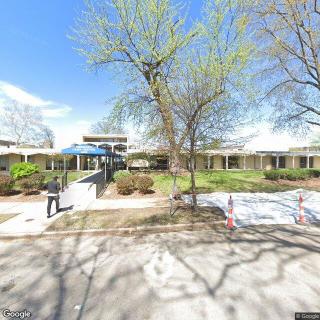
3508 Prairie Ave, St. Louis, MO 63107
To contact a resident: (314) 534-3355
For more information about senior living options: (866) 208-4318
Overall Review of Oasis Residential Care Fclty
Pros
 The owner takes pride in genuinely caring for the people who live there.
- She ensures residents attend all their appointments and live fulfilling lives.
- She is consistently present in the facility, fostering strong connections with the residents.
- The residents have a great bond with her.
Review
This community is best suited for seniors who prize intensely personalized, hands-on care delivered in a small, home-like setting. The standout factor is the owner’s hands-on involvement, with a track record of coordinating medical appointments and staying actively engaged in residents’ daily lives. The environment described suggests a tight-knit community where residents develop strong bonds with the caregiver who drives their ongoing routines and medical advocacy. For families seeking a warm, caregiver-centered atmosphere where one person remains a steady reference point, Oasis Residential Care Facility offers a compelling fit.
However, some families should consider alternatives. The ratings mix , a high point in care philosophy paired with a low one-star experience , signals variability in day-to-day experience. Prospective residents with substantial clinical needs, a demand for professional nursing oversight, or a desire for broader programming and structured activities may encounter limitations here. In short, the model that works well for those who want intimate attention may fall short for those seeking robust, facility-wide medical support or extensive life-enrichment options found in larger communities.
The principal strengths lie in the owner’s visible commitment to residents and the personal connection that follows. A resident-centered approach is likely to translate into proactive appointment management, timely responses to concerns, and a level of accountability that is hard to replicate in larger settings. The advantage here is not merely comfort but practical advocacy: residents do not have to navigate complex systems alone, and families can feel confident that someone with intimate knowledge of the person’s history is guiding care. These are meaningful offsets against the typical trade-offs of small-scale living arrangements.
Notwithstanding these strengths, the main caveat centers on the scope of services and the consistency of daily operations. Small residential facilities often rely more on a single point of care than a broad staff network, which can limit access to round-the-clock nursing, specialized memory care programs, or highly diversified activity schedules. Families should be prepared for a setting where medical management and programming may be more limited than in larger assisted living communities. This is not a verdict against quality; it is a practical acknowledgment that needs vary widely and some residents will thrive on the intimate model while others will seek more extensive formal services.
To decide confidently, audiences should prioritize a thorough on-site evaluation focused on concrete, practical milestones. Ask how care plans are developed and updated, how medications are managed, and what physician coordination looks like on a typical week. Inquire about transportation to appointments, the availability of on-site or affiliated nursing support, emergency response protocols, safety features, and daily activity offerings. Seek clarity on how often families receive updates, who handles crisis communications, and what happens if the owner’s presence isn’t enough to cover needs. These specifics reveal whether the strengths can meet long-term expectations or whether gaps will become problematic.
Financial terms and the contract structure deserve careful scrutiny as well. Clarify what is included in the stated rate, what incurs additional charges, and how rate changes are handled over time. Understand the refund and move-out policies, notice requirements, and any penalties for early departure. Given the owner-driven model, confirm the continuity plan for staffing during vacations or health absences, and confirm whether there are partnerships or referrals to outside medical professionals if care needs escalate. A transparent outline here reduces the risk of surprise costs and ensures the arrangement remains sustainable as health and support needs evolve.
The bottom line is clear: Oasis Residential Care Facility offers a distinctly attentive, owner-led option that can deliver remarkable daily consistency and meaningful bonds for residents who prioritize relational care and appointment coordination over breadth of clinical services. It represents a strong choice for families who value a small, accountable footprint and are comfortable with a model that thrives on personal attention. For those whose priorities include extensive on-site medical oversight, a wide array of structured activities, or specialized care programs, alternatives with larger staff and more formalized programming should be pursued. In short, Oasis is a practical, capable fit for the right resident, with clear questions to resolve before committing.
 Assisted Living
 Activities on-site
 Devotional services off-site
 Indoor common areas
 Lambert-St Louis International (10 miles away)
 Ambulatory care
 Diabetic care
 Meals provided


 Assisted Living and Memory Care: Understanding Their Core Differences
 Beyond the Bingo Hall: 50+ Enriching Activities for Seniors in Assisted Living
 Understanding the Distinctions: Assisted Living and Memory Care Explained