
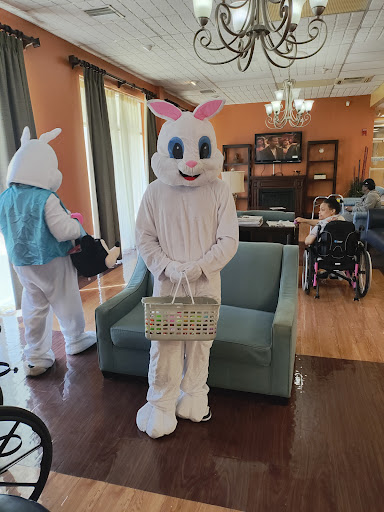

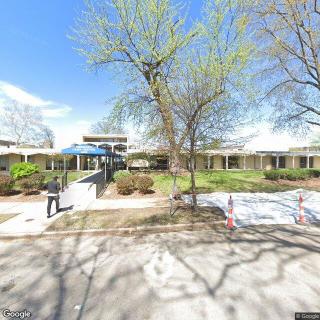
3645 Cook Ave, St. Louis, MO 63113
To contact a resident: (314) 531-2352
For more information about senior living options: (866) 208-4318
Overall Review of Grand Manor Nursing & Rehab
Pros
 The staff are great and provide good care with friendly, smiling faces.
- The facility is beyond clean, with extremely pleasant staff and an administrator who truly cares about patient needs.
- Residents and families note strong support and compassionate care from the care team.
- Grand Manor is depicted as an amazing, loving place where staff treat residents like family.
- The care staff are praised for their kindness, dedication, and willingness to accommodate needs.
- Families express gratitude for improvements in health and well-being attributed to the staff’s efforts.
- The memory of staff attending funerals shows their personal and compassionate approach.
Cons
 The facility has rats and should be closed down; residents don’t get answers.
 - The hallways smell like urine and need cleaning.
- There is miscommunication and disorganization, and visits for family members aren’t properly arranged.
- Staff were eating while patients were left sitting up for hours in rooms and in the hallways.
- The care and compassion are lacking; many would not recommend this facility.
- Care has plummeted at this facility.
- The place is described as horrible.
Review
Grand Manor Nursing & Rehab in St. Louis, MO, is best suited for families seeking dedicated personal attention when the care team is stable, engaged, and able to deliver hands-on support. The strongest cases for this community come from residents and families who experienced compassionate, attentive staff, reliable advocacy from administrators, and tangible health improvements during stay. When the team is aligned, residents see meaningful progress, and families note moments of genuine warmth, staff who greet residents by name, celebrate small milestones, and respond with care to individual needs. This is a facility where commitment from caregivers can translate into shorter hospital stays and better daily living for those with therapy goals, provided operations stay well-coordinated.
The upside centers on a consistently mentioned core of compassionate people. Several reviews highlight a caring, patient-centered staff and an administrator who is perceived as genuinely invested in patient welfare. Families recall specific acts of kindness, the timely attention to routine needs, and reports of residents displaying improved health markers and independence, testimonies that, when the team is functioning smoothly, underscore that Grand Manor can be a strong short- to mid-term option for therapy-focused recovery and daily assistance. The anecdotal positives also include personal connections, occupational or physical therapy progress, and longstanding goodwill from staff who are remembered for going above and beyond. In short, when the crew is cohesive, the care feels personal and dependable.
Yet the cons are hard to ignore and frequently cited as deal-breakers. The dominant themes center on cleanliness and odor, with persistent concerns about vermin and hallway smells that undermine the overall comfort and perceived safety. Miscommunication and disorganization repeatedly surface, sometimes leading to delays, misaligned expectations, and visits that feel constrained or obstructed. Several accounts describe residents left sitting up in rooms or waiting in hallways for extended periods, and some families report barriers to appropriate visitations or timely responses to questions. The most damaging reflections tie directly to a sense that care can lapse when staffing or administrative focus shifts, producing experiences described as unresponsive or uncaring at moments.
Given these realities, alternatives deserve consideration for families who prize a consistently spotless environment and tightly run operations. Facilities with stronger, steadier cleanliness records and more transparent scheduling and communication may reduce the emotional and logistical burden that accompanies a stay at Grand Manor. For residents with complex medical needs requiring highly reliable daily routines and immediate responsiveness, the risk of intermittent lapses in care could outweigh the benefits of companionship-based warmth and episodic improvements. In short, those who cannot tolerate fluctuations in staffing, organization, or cleanliness should benchmark other options before committing.
The pros and cons clearly offset each other in practical, situational ways. The most compelling positives, genuine staff care, meaningful health improvements, and the perception of administrators who care, can significantly elevate a resident’s quality of life when the operation remains stable. However, the persistent and serious drawbacks, the cleanliness issues, odors, miscommunication, and occasional neglect in timely care, have the power to erode trust and escalate strain on families seeking predictable, peaceful routines. Families should weigh the likelihood of stable staffing and clean surroundings as prerequisites for a positive, long-term experience, recognizing that favorable episodes depend on a consistently functioning team in place.
For families weighing a visit or a move, the recommended approach is practical and thorough. Schedule multiple, varied tours, spanning different times of day, to observe how staff interact with residents, how clean the environment stays, and how efficiently routine needs are met. Speak directly with the administrator about accountability, staffing levels, and how care plans are communicated and adjusted. Request to see recent care notes, therapy progress, and, if possible, a trial period with clearly defined milestones. If cleanliness, prompt communication, and reliable daily routines are non-negotiable, assemble a shortlist of alternatives to compare against Grand Manor’s strongest redeeming features. This community presents a clear path to excellent care when the operation is well-run; it is not a guaranteed fit for those who require unwavering consistency across all core services.
 Skilled Nursing Facility
 Lambert-St Louis International (10 miles away)




 Senior Move Management: Understanding the Role, Value, and Associated Costs
 Weight Training for Seniors: Building Strength and Vitality
 Understanding the Sandwich Generation: Stress and Responsibilities for Multigenerational Caregivers