
3645 Cook Avenue, Saint Louis, MO 63113
For more information about senior living options: (866) 208-4318
Overall Review of Grand Manor Nursing & Rehabilitation Center
Pros
 The team is great.
- The staff provide smiling faces and good care.
- The building is beyond clean and the staff are extremely pleasant.
- The administrator truly cares about patient care needs.
- Grand Manor is an amazing place.
- The staff are very compassionate and eager to accommodate residents' needs.
Cons
 The place has rats, needs to be closed down, and the hallways smell like urine, indicating a lack of cleaning.
- Care at this facility has plummeted.
- Residents are left sitting up in rooms or in the hallway for hours, with staff eating and not attending to them.
- The facility is characterized by miscommunication, disorganization, and a lack of care and compassion.
- The place is described as horrible, even as a place of hell due to poor treatment.
Review
Grand Manor Nursing & Rehabilitation Center in Saint Louis is best suited for families that prize a warm, people-centric care team and are willing to navigate notable operational imperfections in exchange for responsive frontline caregivers and potential improvements in a resident’s health. This community tends to work best when residents require hands-on, compassionate daily support, and when family members can stay engaged with staff to ensure care plans stay aligned. Those seeking a facility with flawless administration, pristine routines, and unvarying reliability should consider alternatives.
On the upside, the strongest asset across many positive reports is the care staff themselves. Families repeatedly highlight attentive nurses, aides, and other front-line workers who show genuine engagement, patience, and a willingness to go the extra mile for residents. Several accounts note visible improvements in residents’ health when care teams are consistent, and some families speak highly of administrators who communicate and advocate for patient needs. In many cases, the caregiving tone is described as caring and compassionate, with staff who remain approachable and patient in delivering daily support and therapy services.
The most consequential drawbacks center on cleanliness, organization, and communication. A portion of reviews paints a troubling image: odor in hallways, questions about pests, and a perception that cleanliness standards do not always meet expectations. Several accounts also describe miscommunication, disorganization, and delays that leave patients waiting for routine care or for visits. Those tensions are not minor annoyances; for families relying on timely care and clear information, they undermine trust and raise legitimate concerns about safety and appropriate supervision during vulnerable moments.
The tension between strong caregiving and weak systems is the facility’s defining dilemma. When the staff is consistently attentive, residents can experience meaningful gains, fewer hospitalizations, improved mobility, better appetite, and an uplifted mood. Yet those gains are undermined by inconsistent administration, gaps in housekeeping, and sporadic responsiveness. In short, the pros demonstrate a real potential for positive, person-centered care, but the cons can erode that value quickly if operations falter or expectations around cleanliness and timeliness are not met.
Prospective families should vet operational clarity as aggressively as they vet caregiver warmth. Inquire about current staffing continuity, supervisor presence on floors, and how care plans are tracked and revised. Ask for transparent explanations of any past lapses in communication, and request a concrete, written outline of daily routines, including mealtimes, therapy schedules, and response times for call bells. If tours reveal consistently clean premises and well-organized workflows, Grand Manor’s strengths can shine through; if not, the risk of recurring issues becomes a critical factor in the decision.
The bottom line is practical and pointed. Grand Manor can be an excellent fit for families prioritizing compassionate, hands-on caregiving and for residents who respond positively to a familiar, friendly care team. However, for those who cannot tolerate variable cleanliness, uneven organization, or unclear communication, alternatives are worth serious consideration. The facility’s history reflects both heartfelt dedication and concerning operational gaps; the right choice hinges on whether staff investment and resident progress can be reliably sustained alongside improved environmental and administrative discipline.
 120 resident community capacity
 Skilled Nursing Facility
 Air-conditioning
 Beauty salon
 Cable or satellite TV
 Computer center
 Dining room
 Fitness room
 Fully furnished
 Gaming room
 Garden
 Housekeeping services
 Kitchenette
 Move-in coordination
 Outdoor space
 Private bathrooms
 Restaurant-style dining
 Small library
 Telephone
 Wellness center
 Wi-Fi/high-speed internet available
 Lambert-St Louis International (10 miles away)
 Community operated transportation
 24-hour call system
 Activities of daily living assistance
 Assistance with bathing
 Assistance with dressing
 Assistance with transfers
 Diabetes diet
 Medication management
 Special dietary restrictions
 Concierge services
 Planned day trips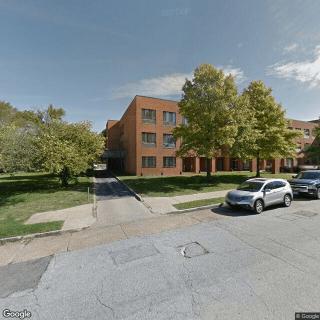



 Home Health Care Aides: Understanding Their Role and Supporting Your Family
 Urinary Tract Infections in Older Adults: Comprehensive Insights on Symptoms, Treatment, and Prevention
 California's Form 602A: An In-Depth Examination of Senior Care Assessment