
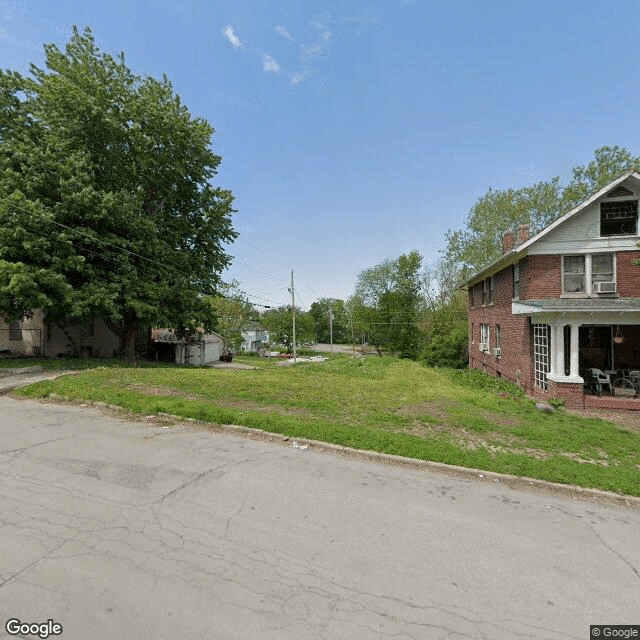
420 N 16th St, St. Joseph, MO 64501
To contact a resident: (816) 233-5270
For more information about senior living options: (866) 208-4318
Overall Review of Silcott's Midtown Manor
Pros
 A nephew is a resident and loves it there.
- It is a great place.
- The Chateau has a great team to work with.
- The residents are all like family.
- The facility is well-run and clean and truly cares about the residents.
- The new activities director gets residents involved and makes them feel cared for.
- The staff are great, caring, and easy to work with.
- The facility helps residents feel independent while being fully taken care of.
- Residents always have someone they can trust and talk to.
- Tonya McKinney in social services is highly responsive and top notch in completing level 2 evaluations.
- She knows her residents and truly cares about them.
- The staff are friendly and greet everyone who visits.
- St. Joseph Chateau is a great resident-centered facility that truly cares for the people it serves.
- Since the new director took over, the place started to feel like a real home again.
- A new administrator has started.
Cons
 The family states it was the worst experience they've ever had, with their loved one's calls monitored and the line hung up on them.
- They claim they were not allowed to visit despite multiple attempts, and the facility hid the passing of a loved one from the immediate family.
- The reviewer describes the nursing home as the worst and would not recommend sending anyone there, not even their worst enemy.
- The reviewer notes that their grandma absolutely hated it.
- The reviewer says the place doesn’t deserve even one star.
Review
Silcott’s Midtown Manor in St. Joseph is best suited for families seeking a warm, resident-centered environment where independence is respected and a committed care team is readily visible. This community tends to work well for residents who value a tight-knit, “family-like” atmosphere, where staff relationships feel personal and care plans are guided by attentive social supports. However, those who require consistently transparent, open communication with families, especially around visits and milestones, should approach with caution and verify current practices directly with administration.
The strongest positives center on culture and people. Families repeatedly praise a caring, approachable staff, with the administrator and front desk staff welcoming visitors and contributing to a sense of belonging. The social services team is a standout, particularly one staff member noted for extraordinary responsiveness and a deep understanding of residents’ needs. The facility is described as well run and clean, with a new activities director who actively engages residents and helps cultivate meaningful participation. Taken together, these elements translate into a living environment where residents feel seen, valued, and supported by a cohesive team.
Yet a substantial thread of reviews cannot be ignored. A number of families report alarming experiences around communication and visitation, including claims that calls were monitored or cut short, visits were denied, and one case involved a loved one’s passing being concealed from immediate family. These accounts paint a picture of gaps in transparency and family access that contrast sharply with the otherwise positive tone about staff warmth and organizational competence. While not universal, these assertions are powerful red flags for anyone who relies on reliable family communication as part of daily care decisions.
Those pros and cons sit against a real tension: the strong, person-first culture and responsive social work support can offset many routine concerns, but they do not erase the risk of opaque or restricted family engagement. For families who can tolerate occasional administrative friction or who can maintain vigilant, proactive oversight, Midtown Manor may deliver a reassuring, home-like experience. For others, especially those with heavy reliance on frequent family interaction or who anticipate needing frequent, unimpeded visits and full transparency around sensitive events, the drawbacks may loom larger than the benefits.
Families should consider alternatives if open access and unambiguous communication are non-negotiables. Other local options with established reputations for consistent family liaison, transparent visitation policies, and crisis handling that prioritizes family involvement may be preferable. For residents with significant memory or complex medical needs, it may be prudent to compare facilities that offer more structured oversight and clearer protocols around family updates and end-of-life communication. A careful comparison of policies, recent administrator leadership, and track records on family engagement will distinguish the strongest choice.
In practical terms, a decisive path forward involves a disciplined site visit focused on communication practices. Prospective residents should demand a face-to-face briefing with the administrator and the top social worker, request to meet current residents’ families, and ask for concrete examples of how visits are scheduled and how sensitive events are communicated. Request recent care-planning meetings and observe how staff interact with residents in common areas to gauge warmth, respect, and attentiveness. Finally, verify the longevity and stability of leadership, and inquire about changes in administration that may have shifted culture. If these conversations yield clear, consistent answers and a demonstrated commitment to open family communication, Midtown Manor can be a compelling option; if not, the search should continue with alternatives that prioritize transparency as firmly as resident well-being.
 Skilled Nursing Facility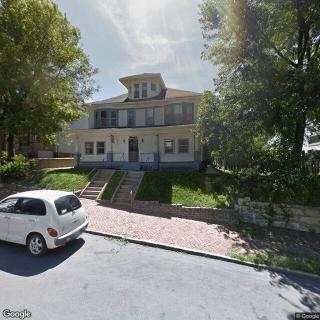




 8 Essential Assistive Devices for Older Adults
 Navigating the Financial Road to Nursing Home Care: In-Depth Guidance and Resources
 Supportive Employee Benefits That Help Caregivers Attain Better Work-Life Harmony