
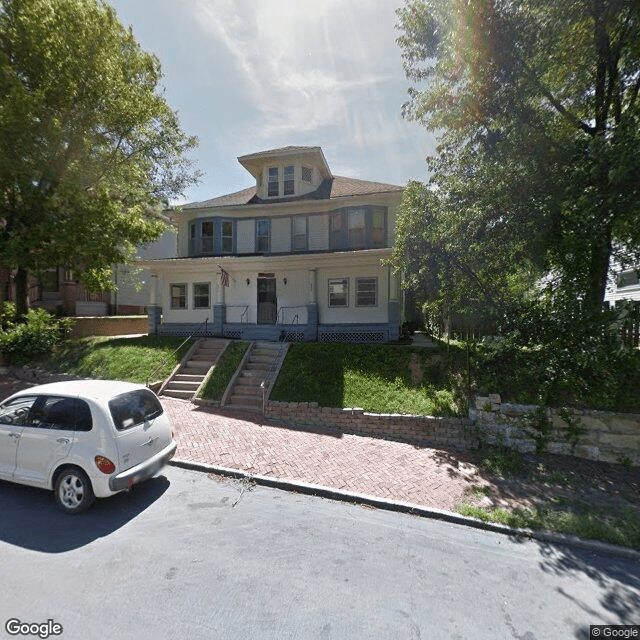
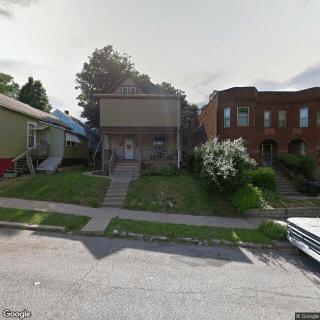
436 N 17th St, St. Joseph, MO 64501
To contact a resident: (816) 233-7060
For more information about senior living options: (866) 208-4318
Overall Review of Mc Donald Boarding Home
Pros
 The sister received excellent care.
- The owner went above and beyond to keep her safe and happy.
- She enjoyed a fifteen-year stay in the home.
Review
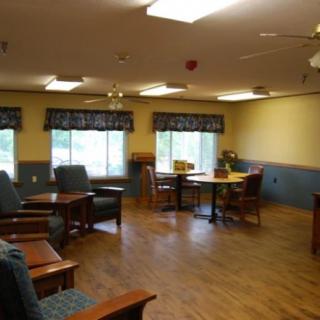
Mc Donald Boarding Home in St. Joseph, Missouri, is best suited for seniors who crave a true home-like setting with deeply personalized care delivered by a consistently present owner-operator. The model shines when safety and happiness are the non-negotiables and when a long-tenured, family-like atmosphere matters more than a wide array of formal services. Families seeking a steady, intimate environment where one person directly oversees daily wellbeing will find the most value here, especially if a resident appreciates predictable routines, simple but diligent supervision, and a caregiver who treats safety as a core promise.
Those who should consider alternatives are clear enough to name: residents requiring robust, on-site medical teams, extensive rehabilitation services, or highly structured memory-care programming will likely outgrow this setting. A larger facility with visiting clinicians, more comprehensive activity calendars, and specialized memory-support staff can better meet evolving medical needs or cognitive-care demands. Short-term respite, frequent hospital visits, or transitions into even more medically equipped environments are other scenarios where families may want to explore other options.
The defining strengths, exceptional, attentive care; robust safety focus; and the sense that happiness and comfort come first, are what most offset the absence of a large clinical footprint. The owner’s commitment to going above and beyond translates into tight oversight, quick responsiveness, and a level of trust that is hard to match in bigger homes. For families, this translates into fewer worries about immediate safety, consistent daily rhythms, and meaningful, person-centered attention that often feels more like a trusted family member’s care than institutional care. In practical terms, this means nights are less unsettled, daily routines are predictable, and small, important needs are addressed with immediacy.
The longevity of residency in this environment matters. A sister’s fifteen-year tenure within the home speaks volumes about reliability, continuity, and the absence of disruptive turnover that can corrode trust. That stability often translates into deep familiarity with medical and personal preferences, streamlined communication with caregivers, and a reassuring sense of belonging. While the intimate scale can mean fewer social programs and less formal structure than larger communities, the payoff is a consistent caregiver-resident relationship and a home atmosphere that reduces the stress of aging in place.
Potential drawbacks must be weighed honestly. A small operation with a single owner-operator model risks limited access to on-site nurses, limited 24/7 specialized medical coverage, and a lean activity slate. For a resident who requires frequent clinical oversight, complex wound or medication management, or intensive memory-support programming, these gaps could become limiting. Families should probe whether medical appointments can be coordinated with trusted professionals off-site, whether the meals and daily routines meet specific dietary and cognitive engagement needs, and how emergency coverage would be handled if the owner-operator is momentarily unavailable.
In the end, Mc Donald Boarding Home represents a compelling choice for families prioritizing warmth, safety, and unwavering attentiveness in a quiet, home-like setting. The decisional hinge is clear: if a senior thrives with intimate, personalized care and unwavering safety oversight from a dedicated operator, this community delivers with uncommon clarity. If, instead, the priority centers on robust clinical services, diverse programming, or specialized dementia supports, it is prudent to compare alternatives that offer broader medical resources and more extensive care infrastructure. The prudent path is to visit with questions about staffing, care planning, and how residents’ daily lives are structured, then align those insights with the level of medical oversight the resident will require tomorrow and into the next year.
 Board and Care Home

 Understanding the Nuances of Palliative Care and Hospice: A Comprehensive Exploration
 Fecal Incontinence in Older Adults: A Comprehensive Guide
 Nurturing Well-Being Through Gardening: A Detailed Guide for Senior Enthusiasts