
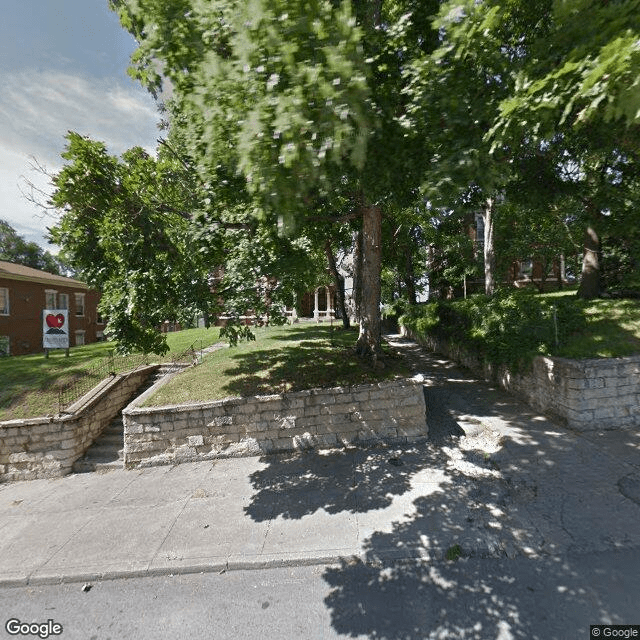
1311 Francis St, St. Joseph, MO 64501
To contact a resident: (816) 233-5779
For more information about senior living options: (866) 208-4318
Heartland RCF Costs & Pricing
Heartland RCF offers competitive pricing for its private rooms at $3,100 per month, which is notably lower than the average costs in Buchanan County, where similar accommodations can reach as high as $5,367. This discrepancy extends to the statewide average in Missouri, which stands at approximately $4,483. By providing a more affordable option without compromising quality of care, Heartland RCF positions itself as an attractive choice for individuals seeking supportive living arrangements in a cost-effective environment.
| Floor plans | Heartland RCF | Buchanan County | Missouri |
|---|---|---|---|
| Private | $3,100 | $5,367 | $4,483 |
Assisted Living communities with a similar price nearby
-
from -$512 / mo
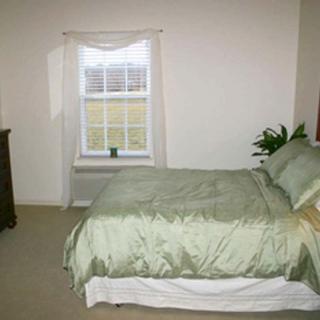
Benedictine Living Community St Joseph
$2,588 to $3,927 / month3.8 miles away -
from -$375 / mo
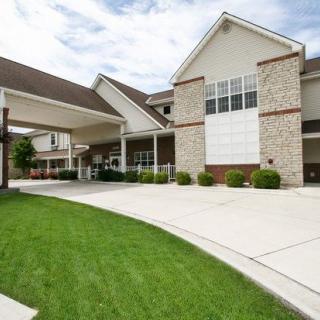
Vintage Gardens
$2,725 to $4,565 / month3.4 miles away -
About the same
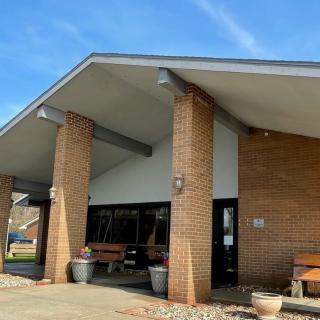
Carriage Square Rehab and Healthcare Center
$3,050 / month3.1 miles away -
from -$400 / mo
Gran Villas of Atchison
$2,700 / month20.7 miles away -
from +$200 / mo

Willow
$3,300 to $4,920 / month5.7 miles away
Overall Review of Heartland RCF
Pros
 The staff were very nice, especially Rose.
- Rose is very understanding of problems.
- The doctors do a good job and treat patients well, and they are generally fast in the ER.
- The staff are good.
- Care providers are friendly and helpful.
Cons
 The facility is described as a corrupt, wicked place.
- James Butner should not be allowed back if he leaves again.
- The facility allegedly steals from residents and restricts their contact with family.
- The facility should be shut down due to the way it treats residents.
- Both Heartland facilities are accused of abuse and mistreatment of mentally ill residents and should be permanently closed.
- There is extensive mental abuse at the facility and a depressing atmosphere.
Review
Heartland RCF in St. Joseph, Missouri is best suited for families that prize responsive, personally engaged staff and quick medical access, and that are willing to tolerate a highly variable service experience. When care staff are on their A-game, residents can experience genuine warmth and timely attention, with caregivers who appear willing to go the extra mile. For some residents, that hands-on approach translates into meaningful daily interactions and dependable assistance during emergencies. This is not a facility built on uniform, flawless performance, but on moments of solid personal connection that can make a tangible difference in daily life.
That said, serious caveats should drive any decision to pursue Heartland RCF. Those who are most likely to want alternatives are families prioritizing steadfast safety, transparent governance, and a consistently high standard of dignity and rights protections. The most troubling statements from reviewers revolve around perceived abuse, mistreatment, theft, and a heavy-handed atmosphere that constrains family contact and resident autonomy. Claims of corruption, abuse of power, and rights violations paint a pattern that cannot be dismissed. Cleanliness and atmosphere are also cited negatively by some, underscoring a risk of ongoing quality concerns. For households with the least tolerance for these risks, other options should be explored first.
On the positive side, several reviewers highlight good staff relationships, kindness, and practical care. One account praises a specific caregiver who offered second chances and sustained support, underscoring that compassionate individuals can exist within the facility. Others describe friendly, responsive care providers and a basic level of medical responsiveness, especially in emergency settings. These threads matter: where staff engagement is genuine, residents feel seen and supported, and that can offset routine frictions in daily operations. The contrast between these affirmations and the more severe allegations creates a clear tension: warmth and capability exist, but so do reports of systemic failures that undermine trust.
The rating spread reinforces the tension. With a 3.3 average from 12 reviews, the community shows sharp polarization: half a dozen five-star experiences alongside four one-star disclosures and a couple of mid-range assessments. Such dispersion signals uneven performance, some residents benefit from attentive care, while others encounter troubling problems that significantly affect safety, dignity, and overall well-being. For decision-makers, this means outcomes are highly contingent on which staff members and leadership are in place, and on how issues are addressed when they surface. Consistency, not just occasional acts of kindness, becomes the missing variable.
Practical due diligence becomes essential. Prospective families should conduct in-depth site visits, observe interactions between staff and residents, and question how rights protections are enforced and how abuse complaints are investigated and resolved. Request current summaries of licensing inspections and any corrective actions, and speak with multiple residents and family members about variability in care. Verify how the facility coordinates medical care, how families are kept informed during crises, and what transparency measures exist around staffing and incident reporting. Consider arranging a short-term or trial stay where possible, with clear exit terms if the experience does not align with expectations.
In the end, Heartland RCF represents a contested choice. It can deliver meaningful, compassionate care for residents who encounter the right blend of attentive staff and accessible medical support, but it also bears a serious risk signal for families worried about abuse, rights violations, or a persistently dirty, oppressive atmosphere. For households with strong safety and oversight concerns, exploring alternatives is prudent. If choosing Heartland, implement rigorous oversight, frequent visits, and explicit expectations around resident rights and facility governance to counterbalance the more troubling reports and to maximize the chances of a positive outcome.
 Assisted Living
 Activities on-site
 Devotional services off-site
 Indoor common areas
 Ambulatory care
 Diabetic care
 Meals provided

 Assisted Living Support for Veterans: A Complete and Detailed Overview
 Exploring the Contrasts Between Assisted Living and Skilled Nursing
 8 Key Indicators That Suggest It May Be Time to Transition from Assisted Living to Skilled Nursing Care