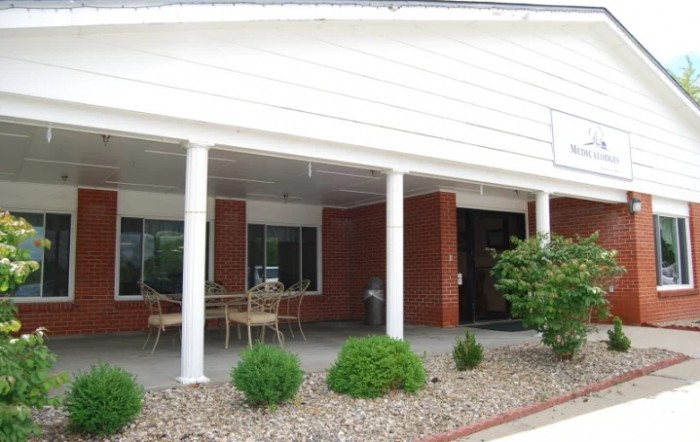

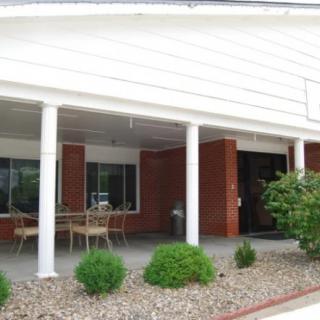
1503 Ohio Street, Leavenworth, KS 66048
For more information about senior living options: (866) 208-4318
Overall Review of Medicalodges Leavenworth
Pros
 They are the best nursing and care facility in the Midwest.
- They are caring and compassionate, taking excellent care of residents.
- The facility is always clean and well kept.
- Ashley is a very helpful, knowledgeable, and compassionate social worker.
- The place is highly recommended.
- The workers are very kind and compassionate.
- Nurses and staff are compassionate, attentive, and friendly.
- The meals are delicious and well prepared.
Cons
 The smell of urine hits visitors like a bag of bricks upon entering.
- The food is barely edible.
- A reviewer could not get their father out quickly and he had to stay there while long-term care was figured out.
- A resident was heard screaming in the doorway, and no one came to help.
- The reviewer cannot believe how veterans were treated there.
- If they could give zero stars, they would.
- The grandpa fell on the first day because the toilet’s grab bars were not properly installed.
Review
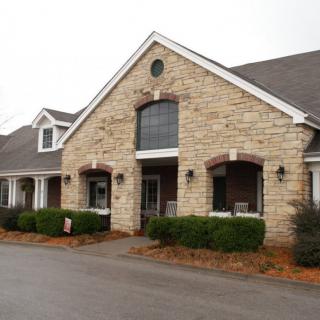
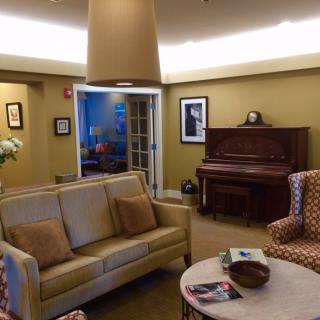
Medicalodges Leavenworth is best suited for families seeking a smaller, more home-like long-term care setting where daily compassion from staff is the defining feature and where social support feels integrated into the care plan. The building’s older, intimate footprint translates into spacious rooms and a quieter atmosphere that certain residents and families prize. The facility has earned genuine praise for the way nurses and aides treat residents with warmth, and the standout presence of a social worker (Ashley) signals a facility that prioritizes emotional and logistical support alongside medical needs. For someone who wants a familiar, almost family-like environment where caregivers form lasting connections, this campus can deliver.
That said, this is not the option for families prioritizing flawless odor control, perfectly scripted responses, or a perfectly consistent day-to-day operation every hour of every day. The most meaningful caveats emerge in reviews that describe the environment as having persistent odor issues, uneven responsiveness to calls, and safety lapses, situations that can be jarring for visitors and unsettling for residents with higher care needs. Bed availability also cycles in as a real constraint, with praise often directed at the staff and leadership even when admission timing is uncertain. In short, families who demand a highly clinical, meticulously flawless experience should consider alternatives.
On the positive side, the pros are substantial and substantive. The care culture comes through in the testimonials about patients receiving attentive, compassionate treatment from nurses and aides, including cases involving complex medical needs like post-stroke care for a veteran. Cleanliness and upkeep appear solid, and the setting supports a sense of routine and normalcy, meals described as delicious, a flexible breakfast timing, and generous, comfortable rooms contribute to a dignified daily life. The presence of a capable social worker and an emphasis on personal connections help families navigate transitions and remain engaged in the resident’s care, which can make a meaningful difference for both residents and their loved ones.
Yet the negatives carry enough weight to dissuade risk-averse families. The most jarring drawbacks center on odor and inconsistent daily execution, with accounts of strong urine smells and moments where help did not arrive promptly when a resident needed attention. Food quality, though praised in some reviews, is criticized in others as barely edible, undermining nutrition and overall satisfaction. Safety concerns surface in another vein: a grandfather who fell on move-in day due to improper safety hardware, limited showers during a stay, and a general sense that some visits were met with unhelpful or even rude responses. These episodes are not universal, but they illustrate real, lived risks that must be weighed in any admission decision.
Ultimately, the key to the balance lies in aligning this community’s strengths with the resident’s priorities. The strongest offsets come from genuine staff devotion, a homey atmosphere, meaningful social engagement, and solid daily routines, especially for those who prize relational care and a sense of community over pristine clinical minutiae. For residents who thrive with constant warmth, predictable meals, and a staff culture that treats care as a personal commitment, Medicalodges Leavenworth can deliver more consistency than many larger facilities. The robust social support and demonstrated capability in handling complex cases, like post-stroke rehabilitation for a veteran, also signal capacity for individualized attention when the resident’s needs are stable and well-communicated.
Decision-wise, this community fits best when the priority is a small, care-driven environment where staff accountability and resident dignity are foregrounded, and where families are prepared to manage the realities of odor concerns and occasional safety/performance gaps. Those who cannot accept imperfect odor control, uneven incident response, or occasional questions about meal quality should seriously consider alternatives with stronger cleanliness metrics and more consistent daily operations. Prospective families are encouraged to tour at different times, meet frontline leadership, inspect safety features firsthand, and, importantly, talk to Ashley and other staff about how care plans are coordinated for residents with complex medical needs. In short, Medicalodges Leavenworth offers undeniable warmth and commitment, paired with enough operational caveats that the decision hinges on whether intimate, person-centered care outweighs the rough edges noted in several reviews.
 45 resident community capacity
 Skilled Nursing Facility
 Beauty salon
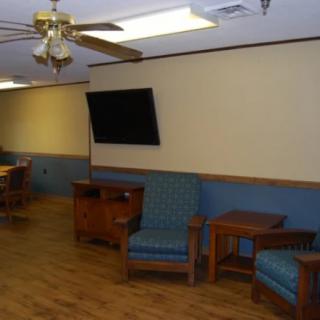
 Cable or satellite TV
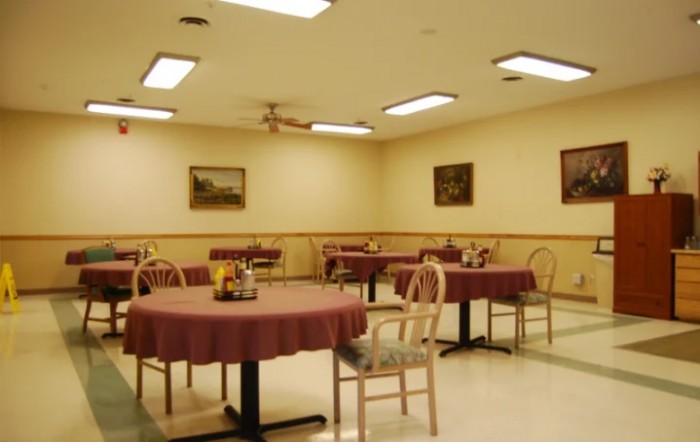
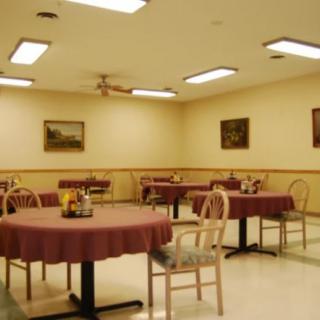
 Dining room
 Fully furnished
 Garden
 Housekeeping services
 Kitchenette
 Move-in coordination
 Outdoor space
 Restaurant-style dining
 Small library
 Telephone
 Wi-Fi/high-speed internet available
 Kansas City International (12 miles away)
 24-hour call system
 Activities of daily living assistance
 Assistance with bathing
 Assistance with dressing
 Assistance with transfers
 Diabetes diet
 Medication management
 Mental wellness program
 Special dietary restrictions




 Understanding the Nuances of Palliative Care and Hospice: A Comprehensive Exploration
 Fecal Incontinence in Older Adults: A Comprehensive Guide
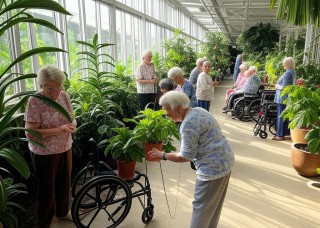 Nurturing Well-Being Through Gardening: A Detailed Guide for Senior Enthusiasts