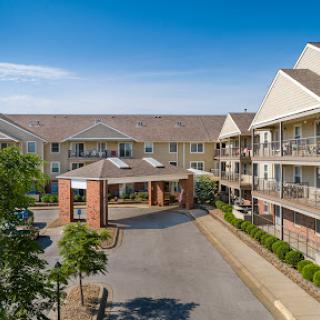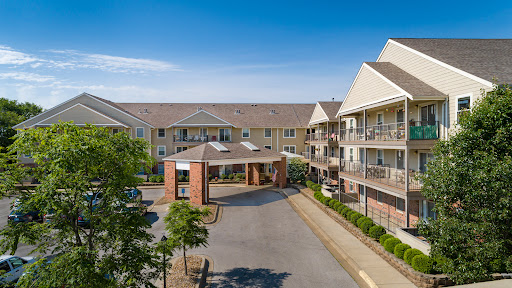
757 W Eisenhower Road, Lansing, KS 66043
For more information about senior living options: (866) 208-4318
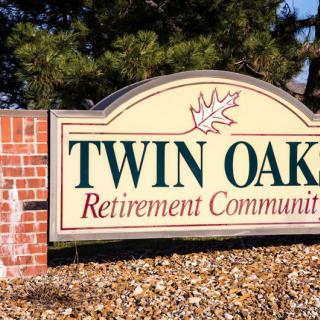
Overall Review of Twin Oaks Independent Living
Pros
 Twin Oaks Independent Living was the perfect retirement community for their mom.
- Every staff member took great care of her, always with a smile and a kind word.
- Lori T and Kelly B provided amazing support.
- Twin Oaks is a great place to live.
- The staff are friendly and the atmosphere is fun.
- The activities and care are amazing.
- The leadership at Twin Oaks is top-notch, very responsive and caring for residents.
- The staff at Twin Oaks are wonderful, considerate, and accommodating.
- The staff are always friendly and helpful.
Cons
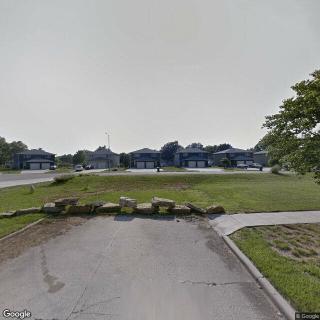
 One reviewer described the area as very poor.
- The air conditioning was turned down, leaving the space uncomfortably cold.
Review
Twin Oaks Independent Living in Lansing, Kansas is best suited for seniors who want an active, socially rich retirement plus dependable daily support. It works particularly well for residents who value warm, accessible staff, a lively, welcoming atmosphere, and a clear pathway to aging in place without immediately moving to higher levels of care. For families seeking a practical, low-friction home base where daily life revolves around connection, meaningful activities, and steady assistance, Twin Oaks delivers with a tangible, resident-centered approach.
Those who may want to consider alternatives include seniors who anticipate needing substantial ongoing medical oversight, full-time nursing, or specialized memory care in the near term. While the campus provides independent living and boasts strong leadership, the most intensive healthcare services are not the core offering of this community. If the priority is integrated on-site medical oversight or a campus with a broader continuum of care already in place, exploring other options, especially within the same campus that include assisted living and rapid-recovery nursing, will be prudent. A note from one reviewer about the surrounding area also warrants attention for families with location- or safety-driven concerns.
The main positives, the staff, the culture, and the leadership, tend to outweigh the notable caveats. Reviews consistently describe friendly, dependable staff who show genuine care, along with a leadership team that is responsive and engaged. The ability to age in place within the same campus reduces disruptive transitions, preserving friendships and daily routines as needs evolve. A vibrant calendar of activities and an atmosphere described as fun and welcoming further reinforce a sense of purpose and belonging, which is a meaningful determinant of long-term satisfaction for independent living residents.
Staff and leadership emerge as Twin Oaks’s strongest asset. Specific names cited by families, Lori T and Kelly B, underscore a pattern of thoughtful, proactive support that goes beyond routine care. Testimonials frequently label the staff as among the best, “the best you will ever meet”, and describe leadership as top notch and highly responsive. That combination builds trust for families weighing the risk of diminishing independence against the comfort of reliable, attentive care, especially for residents who want assurance that daily life won’t be casually neglected.
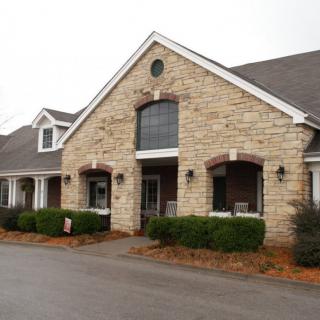
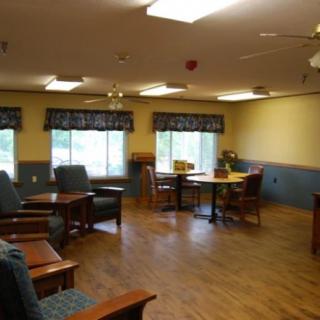
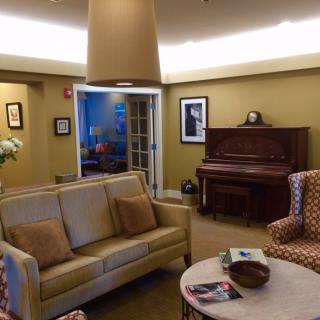
Living environment and daily life at Twin Oaks receive equally strong endorsements. Residents and families note clean, well-maintained apartments, good food, and a social, approachable atmosphere where friendships flourish. Even tangible, everyday moments, like enjoyable meals and casual social gatherings, are highlighted as evidence of a community that treats daily living as something to look forward to. While there are occasional minor quibbles, such as a note about air conditioning settings or a terse comment about the area, the overarching pattern is one of high satisfaction and practical quality of life.
Bottom line: Twin Oaks Independent Living is a solid fit for families prioritizing an engaging, people-centered environment with dependable staff and a clear pathway to aging in place. It may not be the right choice for residents who require substantial ongoing medical care on site or for those whose top criteria include a different geographic or financial calculus. For those evaluating alternatives, especially within the same campus’s offerings (assisted living and nursing care), it makes sense to compare how daily routines, access to services, and long-range care planning align with anticipated needs. Prospective families should schedule a tour, speak with current residents and staff about day-to-day life, and specifically assess how aging in place would function in the years ahead, ensuring the chosen path matches both lifestyle preferences and expected care trajectories.
 21 resident community capacity
 Assisted Living
 Independent Living
 Memory Care
 Beauty salon
 Cable or satellite TV
 Dining room
 Fully furnished
 Garden
 Housekeeping services
 Kitchenette
 Move-in coordination
 Outdoor space
 Telephone
 Wi-Fi/high-speed internet available
 Kansas City International (11 miles away)
 24-hour call system
 Activities of daily living assistance
 Assistance with bathing
 Assistance with dressing
 Assistance with transfers
 Diabetes diet
 Hospice waiver
 Meal preparation and service
 Medication management
 Mental wellness program
 Special dietary restrictions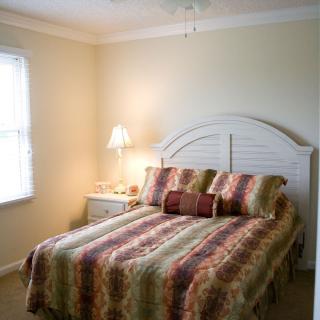



 Memory Care Pathways: A Holistic Guide to Dementia Support
 Comprehending Evening Confusion in Dementia: Causes, Manifestations, and Support
 Delirium and Dementia: Unraveling the Key Differences