
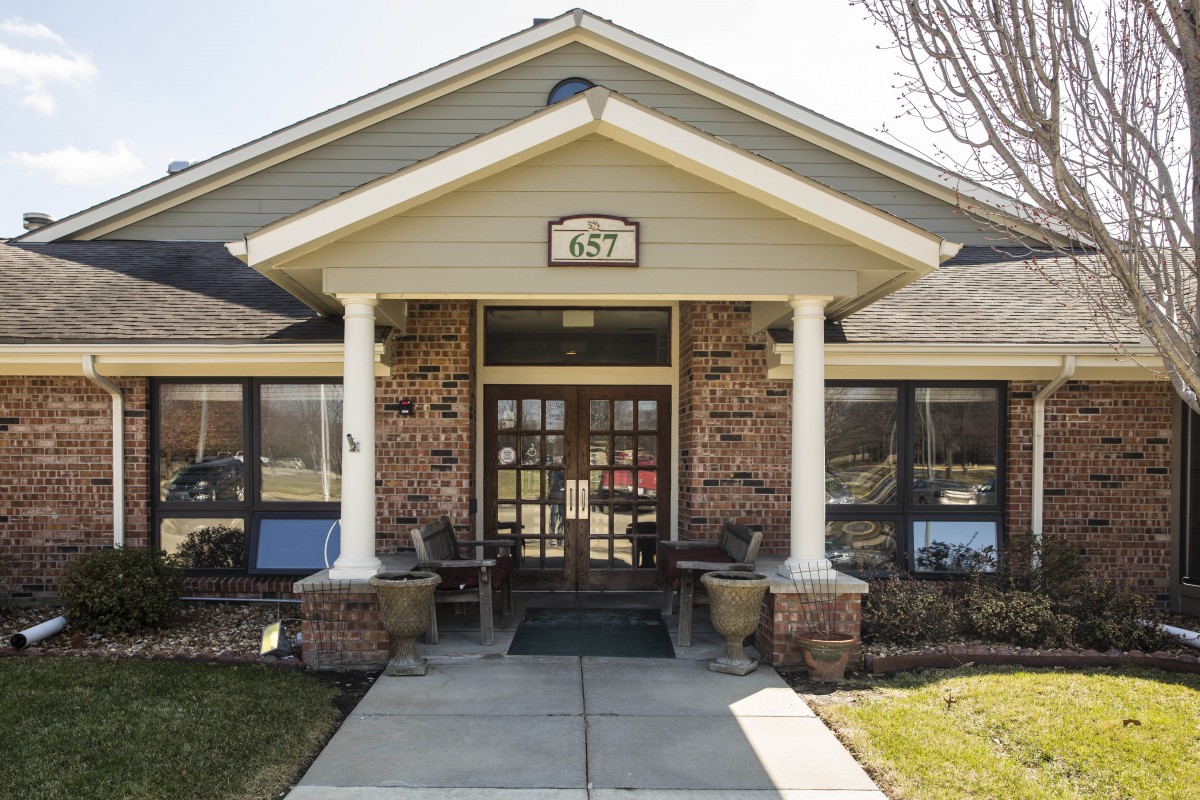




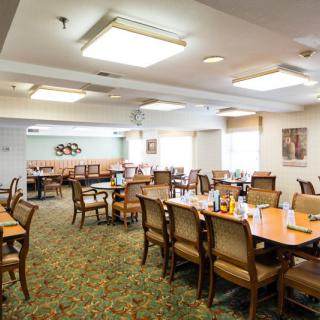
757 West Eisenhower Road, Lansing, KS 66043
For more information about senior living options: (866) 208-4318
Twin Oaks Retirement Community Costs & Pricing
Twin Oaks Retirement Community offers competitive monthly rates compared to both Leavenworth County and the broader state of Kansas. For a one-bedroom unit, residents pay $3,300, which aligns perfectly with the county average but is notably lower than the state average of $3,859. The two-bedroom option is also priced attractively at $3,780, matching the county rate and offering exceptional value against the state's average of $3,562. However, for those considering studio apartments, Twin Oaks stands out with a monthly cost of $5,340 - this is higher than both Leavenworth County's average of $4,490 and Kansas' overall average of $4,094. Overall, Twin Oaks Retirement Community provides an appealing array of options that cater to different needs while maintaining affordability in most categories.
| Floor plans | Twin Oaks Retirement Community | Leavenworth County | Kansas |
|---|---|---|---|
| 1 Bedroom | $3,300 | $3,300 | $3,859 |
| 2 Bedrooms | $3,780 | $3,780 | $3,562 |
| Studio | $5,340 | $4,490 | $4,094 |
Skilled Nursing Facilities with a similar price nearby
-
from -$505 / mo
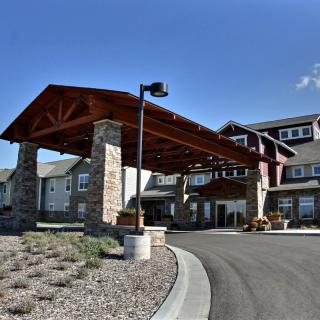
Ccrc Of Lenexa
$2,795 to $3,300 / month21.9 miles away -
from -$255 / mo
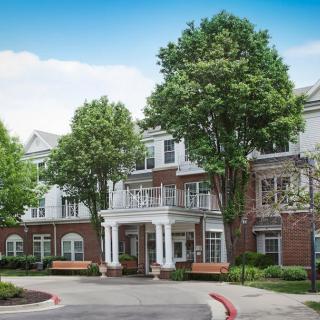
The Village at Mission
$3,045 to $4,085 / month23.3 miles away -
from -$455 / mo
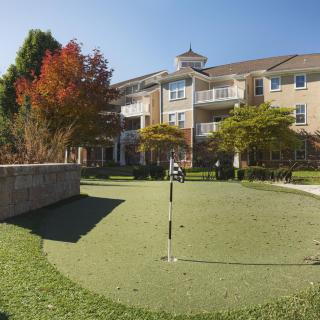
Aberdeen Village
$2,845 to $4,060 / month25.0 miles away -
from +$350 / mo

Trustwell Living at Mission Springs
$3,650 to $5,930 / month21.7 miles away -
from +$300 / mo

Liberty Health And Wellness
$3,600 to $4,600 / month24.9 miles away
Overall Review of Twin Oaks Retirement Community
Pros
 Twin Oaks Health & Rehab is first class.
- The front office staff are friendly and make residents feel helped and cared for from the start.
- The social worker is fantastic.
- The nursing staff are professional, yet friendly and caring, and things get done there.
- The CNAs and housekeeping are outstanding.
- The physical, occupational, and speech therapists are first class.
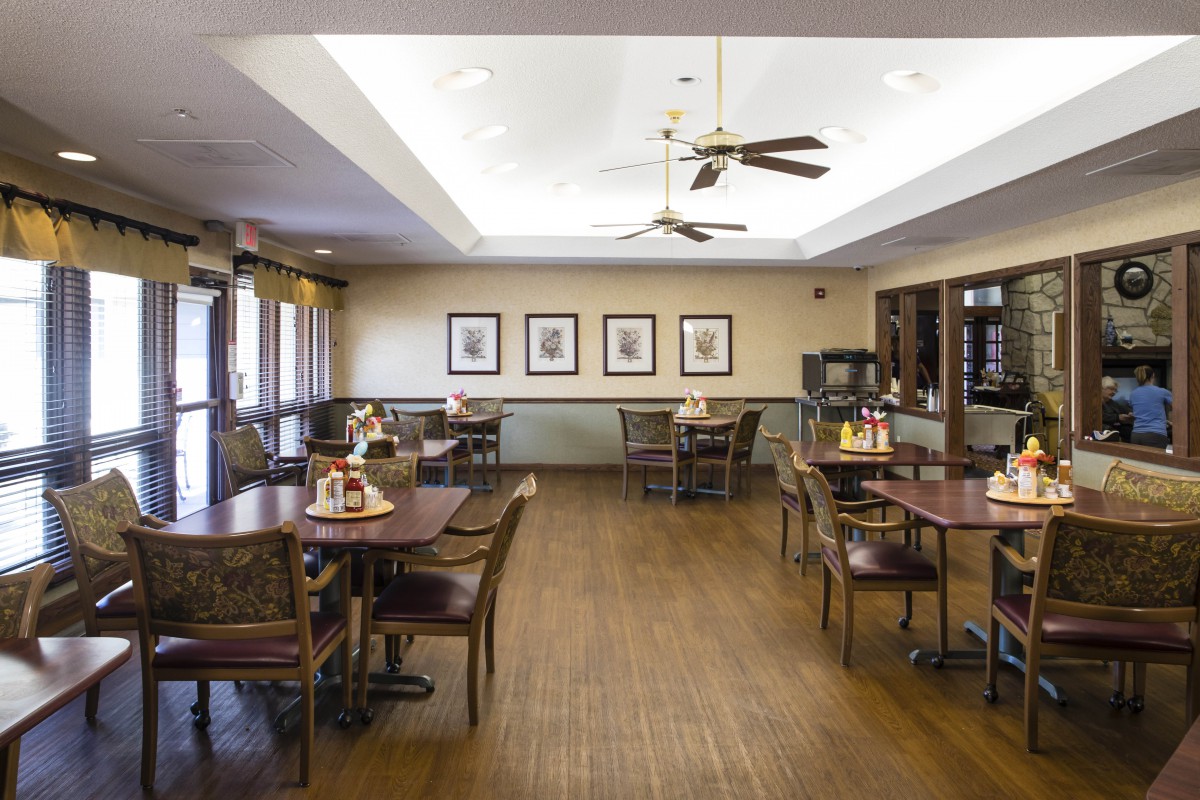
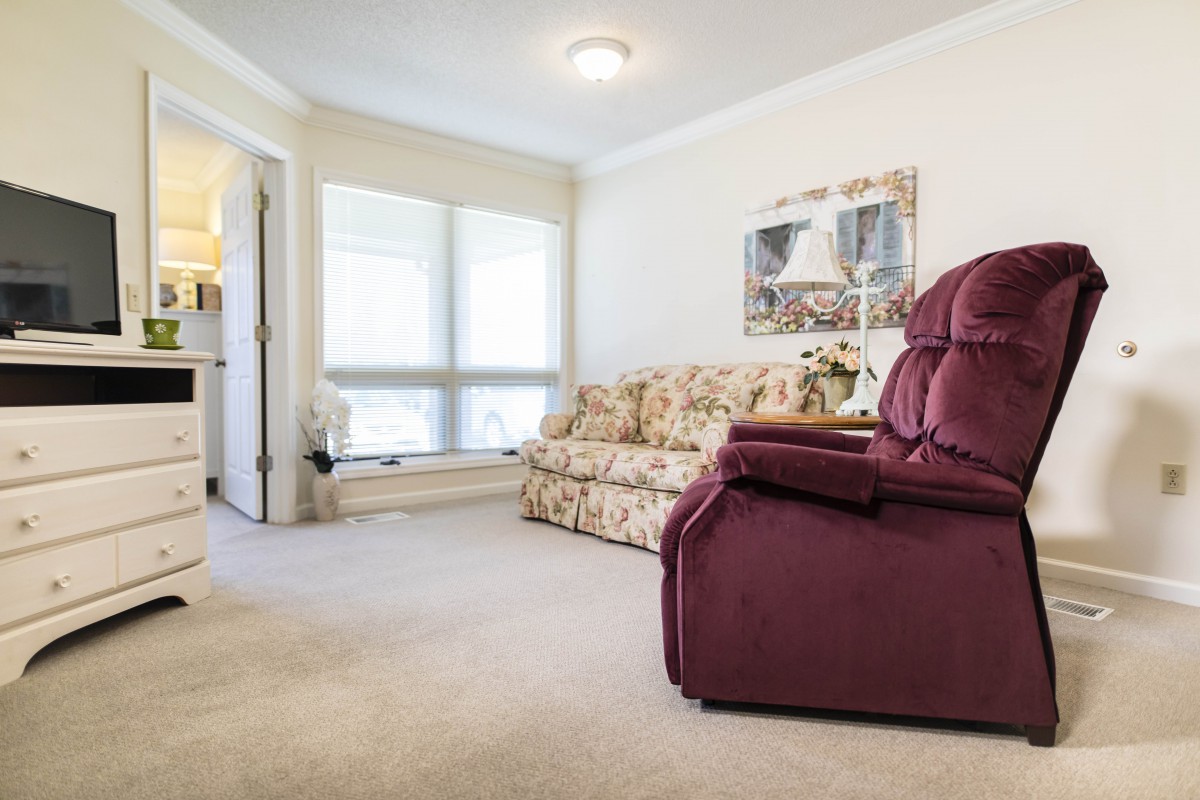
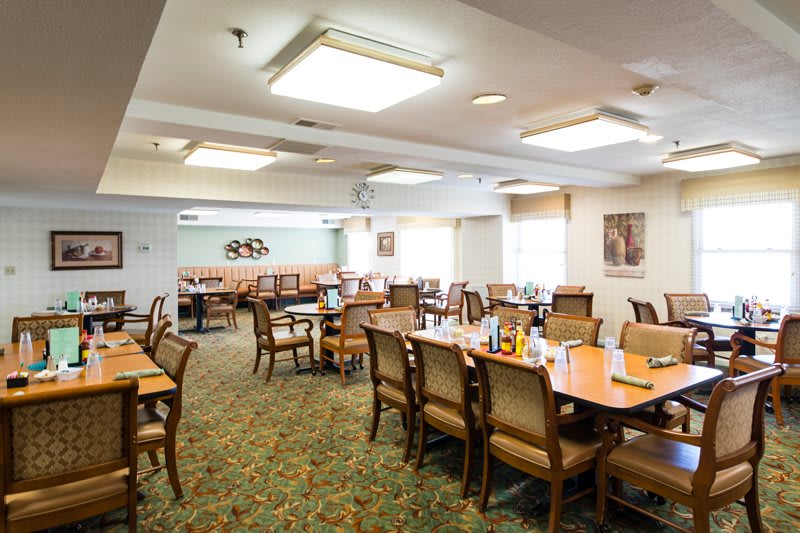
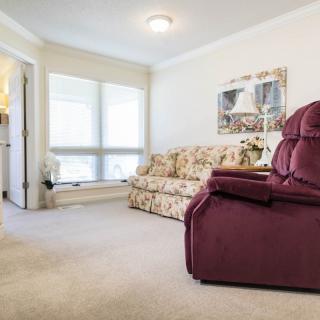
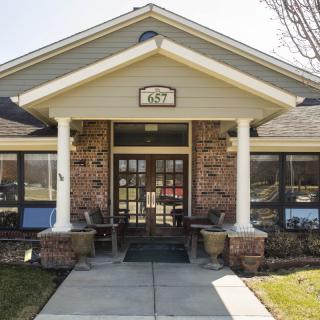
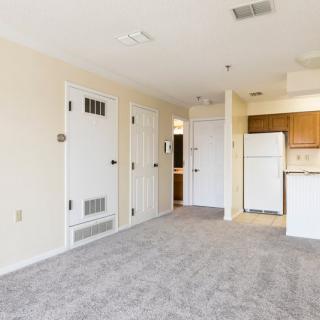
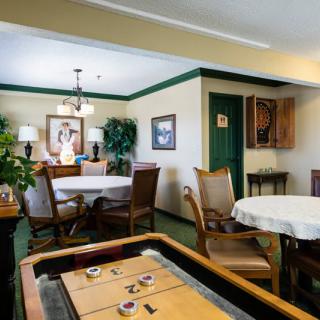
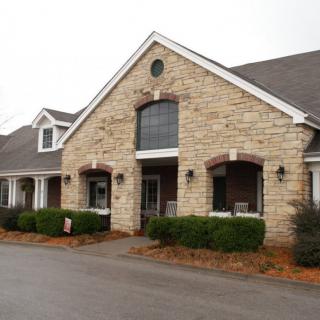
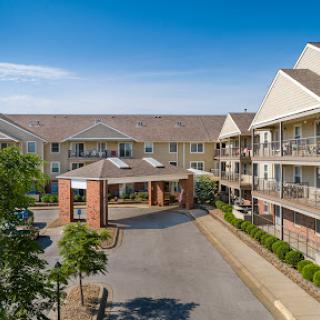
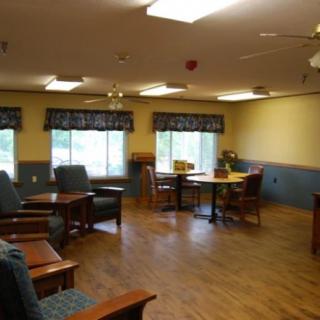
- The facility is clean, bright, beautiful, and welcoming.
- The team feels like a family and provides a safe, loving environment for residents.
- Families are grateful for how Twin Oaks supports transitions, involvement, and care with flexible and understanding staff.
Cons
 One reviewer notes Twin Oaks did not reply to emails or online requests and refused palliative care, signaling a lack of cooperation.
- Another reviewer would give zero stars, claiming the staff does not know how to do their jobs and questioning licensure.
- A reviewer describes a poor experience where staff were consistently short-handed and failed to assist with timely bathroom needs, resulting in incontinence.
- A reviewer says the facility, once decent, is now nearly at capacity with not enough staff, high turnover, meals not being diabetic friendly, and long meal times due to staffing.
- A reviewer reports poor family-to-nurse communication, noting nurses did not notice declines until it was almost too late, impacting quality of life.
- A reviewer indicates they had to remove a family member because they could not trust the care, citing lack of trust and poor communication.
Review
Twin Oaks Retirement Community in Lansing, Kansas is best suited for families seeking a practical rehab-to-long-term care path guided by a consistently responsive staff and a genuinely home-like atmosphere. This community fits older adults who anticipate needing skilled rehabilitation after a hospital stay but also want a secure, supportive environment where independence can be maintained with assistance. Families that value a cohesive, team-driven approach, nursing, therapy, social work, and activities, will find a clear through-line from admission to ongoing care. Those who are budget-sensitive, require uninterrupted staffing around the clock, or insist on highly specialized memory-care protocols may want to consider alternatives.
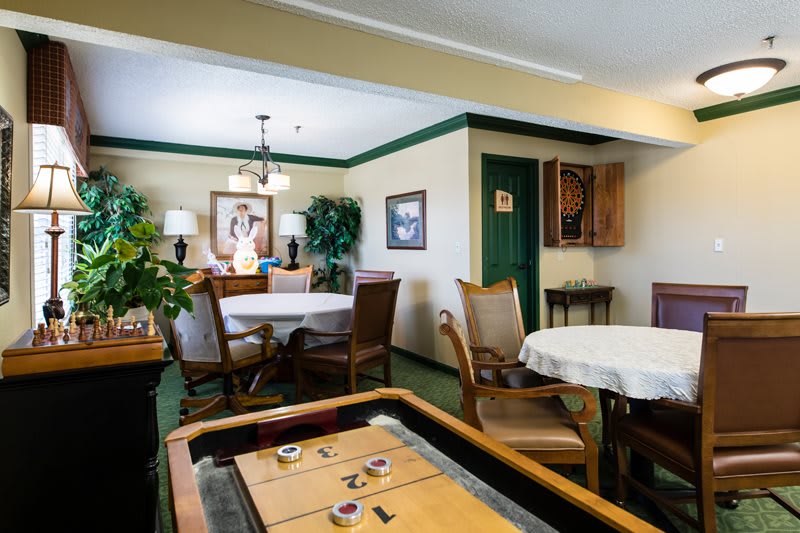
The core strengths lie in execution and culture. Front office staff are routinely described as welcoming, with a social worker who makes a meaningful difference, and a nursing team that marries professionalism with genuine care. The rehabilitation program is repeatedly praised for thorough physical, occupational, and speech therapy, with real-world, post-therapy success stories. The environment reinforces this care, clean, bright, and inviting, with dining and activities that foster social engagement. Families repeatedly note that bedside manners, reliability, and a sense of being treated like family transform what could be a difficult transition into a manageable, emotionally supported experience.
Nevertheless, certain challenges surface in the reviews. Staffing pressures, turnover and variable shift coverage, emerge as the primary strain on day-to-day operations, sometimes translating into delays in routine tasks or slower responsiveness. Communication can waver, especially around complex care coordination or end-of-life planning, where timely updates are crucial. Some residents’ families report meals that are not consistently diabetic-friendly, with standard menus leaning toward starch-heavy options, and longer meal service times when staff are stretched. A troubling thread appears in a minority of reviews where end-of-life coordination was slow to respond, shaking confidence in that specific area. Taken together, these issues suggest that proactive family engagement and precise care plan management are essential to maximizing Twin Oaks’ strengths.
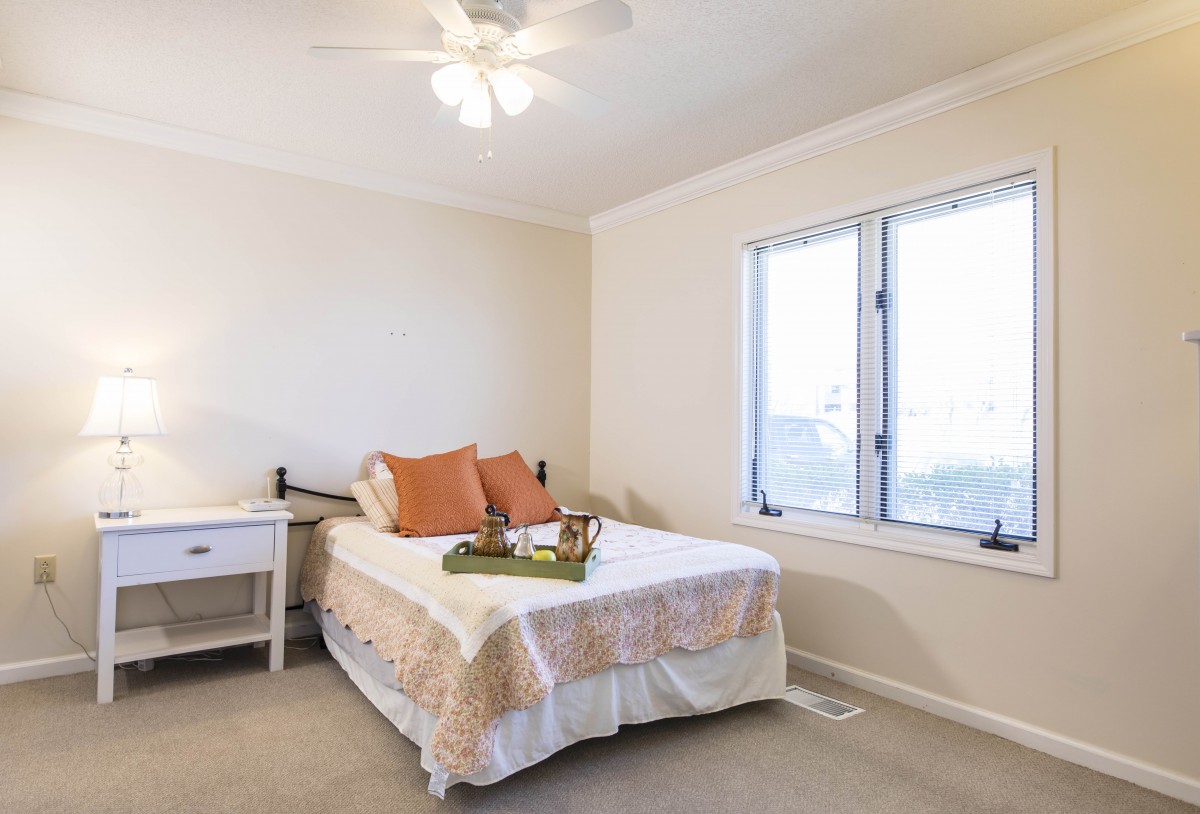
Yet the upside is significant and tangible. The rehabilitation and therapy quality, paired with a professional, approachable staff and stable leadership, create a durable foundation of trust. The facility’s cleanliness, comfortable accommodations, and the ability to tailor living spaces for individual preferences support dignity and autonomy. The care culture also extends to memory care and recreational programming, which helps maintain social connectedness and provide meaningful daily routines. In practice, Twin Oaks delivers on the core promise of compassionate, skilled care and a supportive environment that many families are actively seeking when a transition from independence becomes likely.
For families weighing alternatives, the decision hinges on operation consistency and responsiveness. If near-constant, flawless staffing, ultra-predictable menus with strong diabetic options, and rapid, proactive end-of-life coordination are non-negotiables, other communities may suit better. Twin Oaks excels when recovery gives way to long-term placement, particularly for memory-related safety needs, and when families desire a warm, involved culture that feels like a true extended family. The key is to verify current staffing levels, response times, dietary accommodations, and the care-coordination processes in place, rather than relying on past impressions.
In the end, Twin Oaks offers a compelling, practical option for families pursuing a compassionate, capable rehab-to-long-term pathway within the Kansas City metro area. The blend of strong rehabilitation services, a caring, professional team, and a welcoming, home-like environment delivers substantive value for those who value hands-on attention and family involvement. Visitors are well advised to engage directly with leadership, meet the rehab team, tour the facility, and press for clarity on staffing stability and care planning. When those elements align, Twin Oaks stands out as a prudent, well-supported choice; when they do not, exploring alternatives with steadier operations and tighter communications becomes a sensible step.
 36 resident community capacity
 Assisted Living
 Independent Living
 Skilled Nursing Facility
 Cats allowed
 Dogs allowed
 Activities on-site
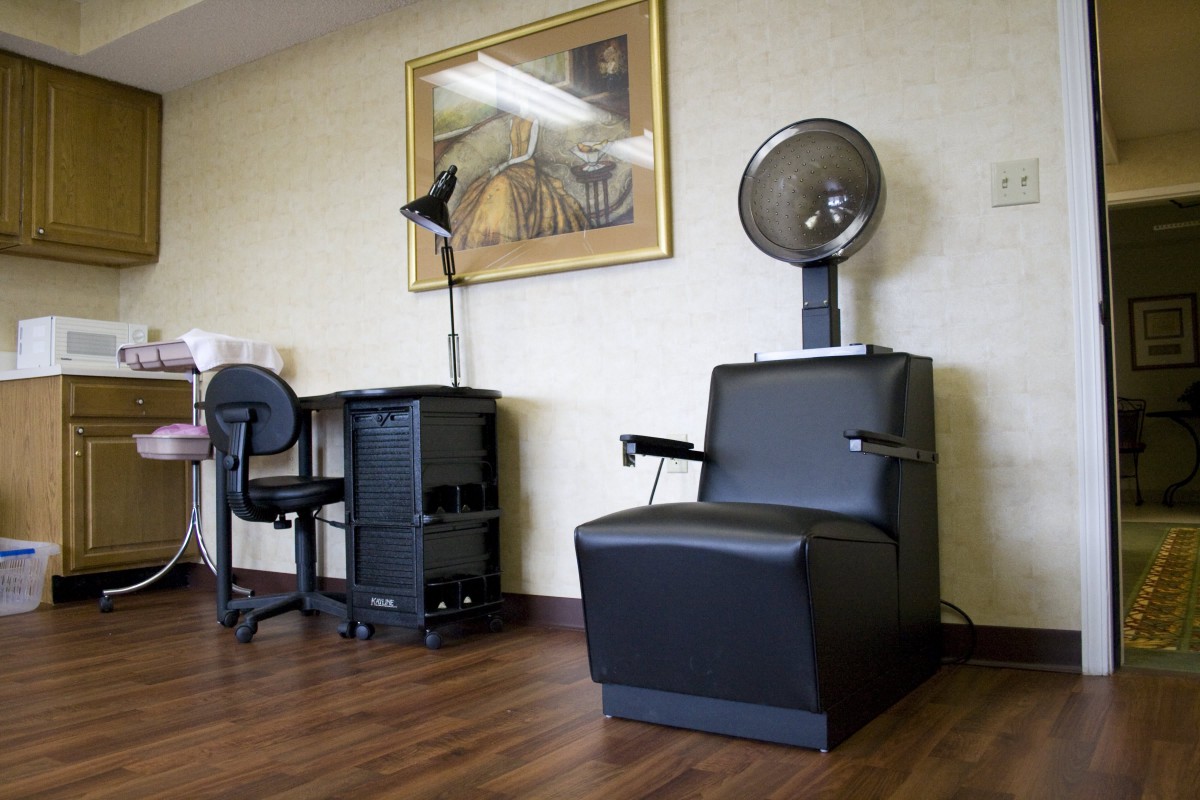
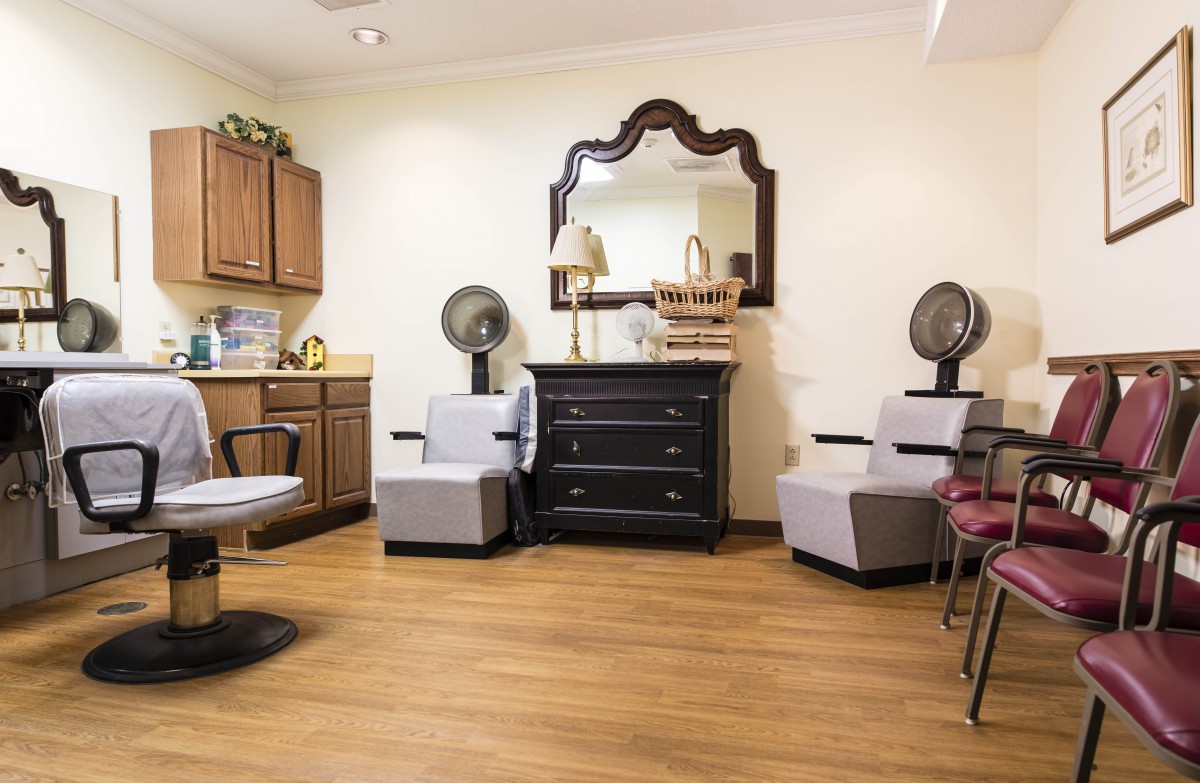
 Beautician on-site
 Cable or satellite TV
 Devotional services off-site
 Dining room
 Fully furnished
 Garden
 Housekeeping services
 Indoor common areas
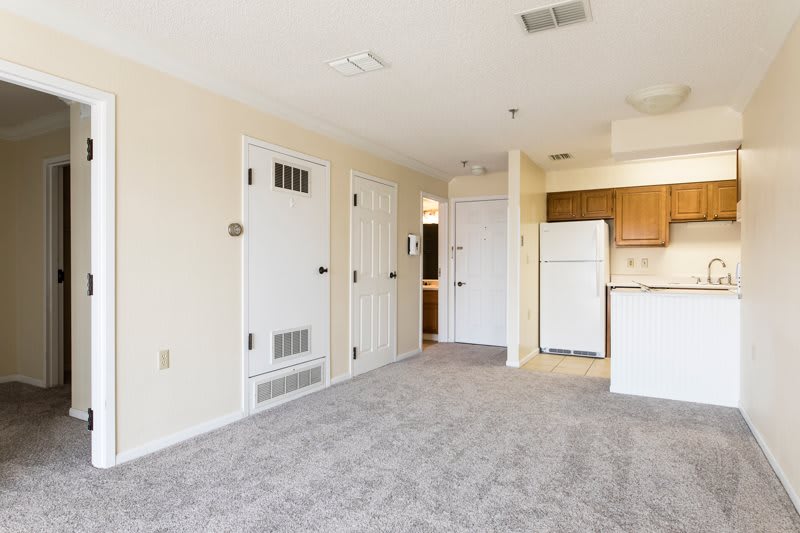
 Kitchenette
 Move-in coordination
 Outdoor space
 Telephone
 Wi-Fi/high-speed internet available
 Kansas City International (10 miles away)
 24-hour call system
 Ambulatory care
 Assistance with bathing
 Assistance with dressing
 Assistance with transfers
 Diabetes diet
 Diabetic care
 Meal preparation and service
 Medication management
 Mental wellness program
 Special dietary restrictions
 Transportation arrangement (medical)
 Transportation to doctors appointments




 Understanding Medicaid Coverage for Assisted Living: A Comprehensive Guide
 How and When Medicaid May Cover Assisted Living Costs
 A Detailed Exploration of Assisted Living Medicaid Waivers Across the United States