Holly Springs Rehabilitation And Healthcare Center

Save

Holly Springs Rehabilitation And Healthcare Center

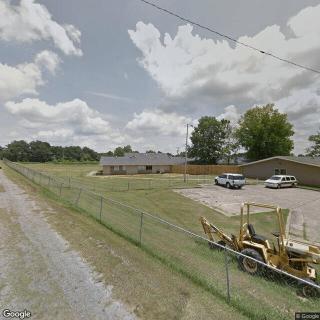
1315 Highway 4 East, Holly Springs, MS 38635

For more information about senior living options: (844) 490-3973

4.7 from 64 reviews
5 stars
55
4 stars
3
3 stars
2
2 stars
1
1 stars
3

Skilled Nursing Facility

What level of care are you interested in?

Assisted Living

Memory Care

Independent Living

Skilled Nursing Facility

Continuing Care Retirement Community (CCRC)CCRC

Other


Request a tour at Holly Springs Rehabilitation And Healthcare Center

    Overall Review of Holly Springs Rehabilitation And Healthcare Center

    Pros

    • pro The first visit was clean, and the staff were very nice, friendly, and helpful.
    • pro Everything was clean and orderly, with absolutely no complaints.
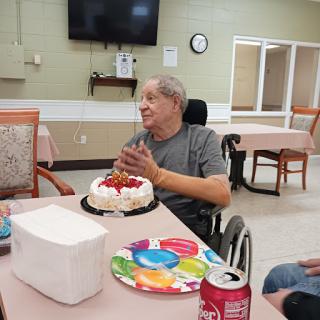
    • pro Ms. Michelle King organized 11 birthday celebrations that were unbelievably memorable for the family.
    • pro Ms. King is to be commended for her exceptional interpersonal and communicative skills.
    • pro The director and staff, including Chris Weaver, Jamie Shaw, Aretheria Buckingham, and Chanetra Echols, are to be commended for their dedication and professionalism in providing caring services.
    • pro The nursing staff, rehabilitation services, and social workers provide impeccable care on an ongoing daily basis.
    • pro The entire staff is commended for their expertise, skills, knowledge, patience, loving care, and family support.
    • pro Marianna and Andrea are described as a great team who go over and beyond the call of duty and bring a ray of sunshine during difficult times.

    Cons

    • pro They describe the nursing staff (not rehab) as extremely unprofessional, vindictive, negligent, and rude, especially the ADON and Nurse Supervisor; the DON is frequently out of the office when needed.
    • pro They claim residents with dementia are yelled at, pushed around, forcefully cornered, and deemed aggressive when they try to get away.
    • pro They allege that residents are shipped off to psych hospitals.
    • pro They say the facility cannot stand involved relatives.
    • pro They note care changes are made with no communication, and staff get angry when questioned why they weren't told.
    • pro They recall rude conversations where staff yelled at them simply for calling to check on their relative.
    • pro They warn against long-term placement for dementia patients, stating staff are not trained to handle the disease and tend to sedate residents.
    • pro They describe the place as pitiful after an initial good impression, citing poor care, bad food, aides not ensuring meals are reachable, many residents going hungry, lack of blankets, and management that seems fine with it, even calling it "on the verge of criminal."

    Review

    The reviews paint a picture of a facility that reveals two very different faces depending on who you ask and what your situation happens to be. On one end, there are passionate, almost rhapsodic accounts of caring staff, clean surroundings, and moments that families treasure for years - birthday parties that light up a resident's day, a director and team that people feel truly have their loved ones' best interests at heart, and colleagues who go above and beyond. On the other end, there are stark warnings about long-term care for residents with dementia, where some staff behavior and administrative gaps appear to undermine safety and dignity. Taken together, the tapestry is rich and complex, with deep gratitude and deep concern coexisting in the same facility.

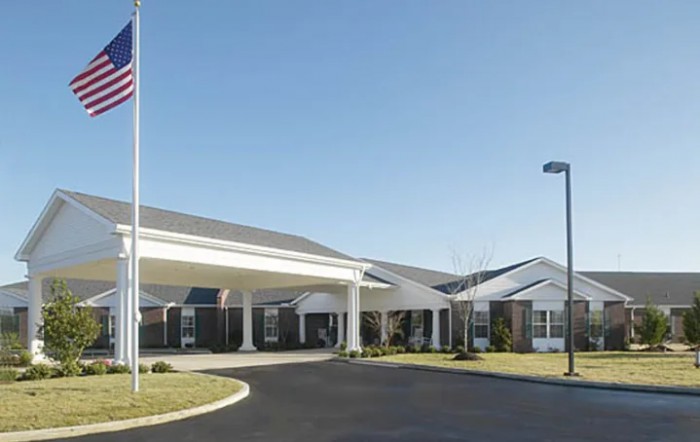
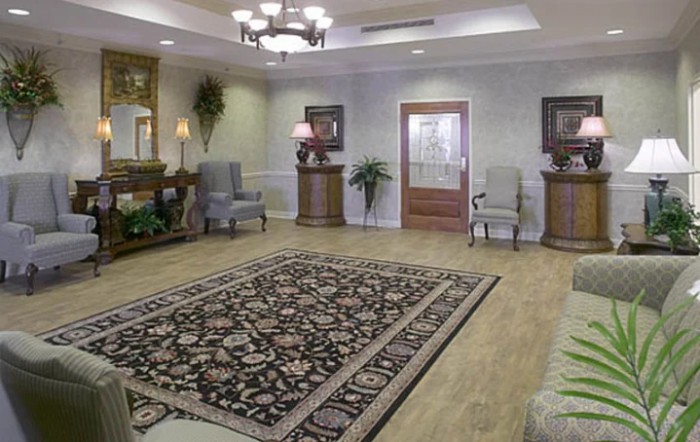
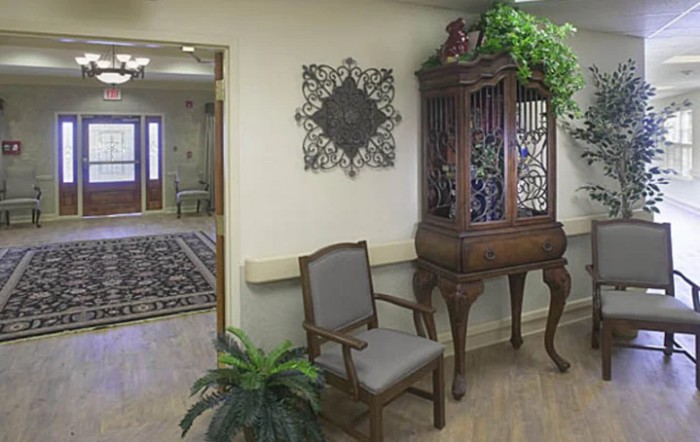
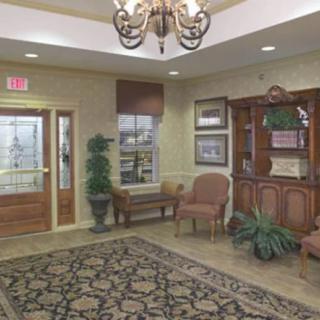
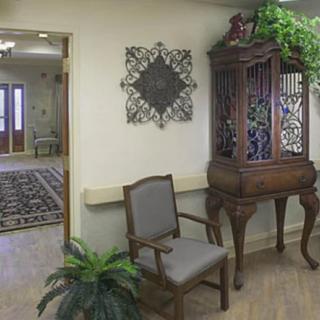
    Several reviews highlight a consistently clean facility and a generally welcoming atmosphere. Visitors describe the environment as tidy and well-kept, with staff who smile, greet visitors, and present a helpful, friendly tone. Phrases like "the staff was very nice, friendly and helpful," and "the building was clean" occur with regularity. For many families, this initial impression matters a great deal - knowing that a loved one will be in a clean, orderly setting with polite, approachable people provides reassurance during a stressful transition.

    But beyond the curb appeal, there is a significant chasm in experience that centers on clinical care, communication, and the treatment of residents with dementia. A forceful, negative thread accuses certain nursing leadership - specifically the ADON, Nurse Supervisor, and DON - of unprofessional, vindictive, and negligent behavior. In these accounts, residents with dementia are not only poorly treated but routinely yelled at, cornered, and sedated in ways that families find alarming. The reviews describe a culture where staff may deem a resident "aggressive" after they react to distress or fear, and where the family's attempts to seek clarity or voice concerns are met with frustration or a lack of timely communication. Some readers even describe drastic outcomes, such as residents being shipped off to psychiatric facilities after conflicts, and they urge prospective families to monitor care daily if they have to rely on the facility. The underlying warning is clear: dementia care requires specialized training, patience, and open communication, and the absence of these can lead to heartbreaking experiences for residents and families alike.

    Amidst the critiques, there are also powerful, consistent testimonies of dedicated staff members who lift the facility. A long-running thread centers on Miss Michelle King, the activities director, whose birthday celebrations for a resident, Mrs. Ida Foster Wilson, are remembered as extraordinarily meaningful. Families recount how King's "exceptional, interpersonal and communicative skills" helped create joyous moments, ensuring that celebrations were not just routine but truly special. The gratitude from Teresa Foster Wilson and family is palpable - words like "you took your time, your expertise and talents meant so much" and "thank you so very much" underscore a genuine sense of emotional connection and appreciation for the staff's willingness to go the extra mile.

    Equally strong are the endorsements of other specific leaders and teams. Names such as Director Chris Weaver, Jamie Shaw, Aretheria Buckingham, and Chanetra Echols appear repeatedly in glowing terms, with families describing them as dedicated, professional, and deeply invested in the well-being of residents and families. The nursing staff, rehabilitation services, and social workers receive praise for daily perseverance, patience, and responsive care. One family notes their aunt has been a resident for over a decade and is currently 103 years old, emphasizing not just the care in the moment but the continuity and commitment of the staff over many years. This narrative of steadfast, compassionate care sits in sharp relief against the more critical accounts, illustrating a facility where excellent moments and excellent people exist alongside significant systemic challenges.

    There are also individual testimonials that celebrate positive, everyday effectiveness. Visitors describe moments when staff in business offices and medical information roles offered warmth and helpfulness, turning what could be a stressful process into something manageable. Others recall practical, tangible acts of kindness - from clean rooms and friendly faces to attentive aides who ensure a patient's needs are met and questions answered promptly. There is even praise for the general atmosphere during visits when families felt reassured that their loved one was being looked after with respect and care.

    Taken together, these reviews suggest Holly Springs Health and Rehab can be a place of remarkable care and meaningful human connection for some families, while for others it raises concerns that deserve urgent attention. The most actionable takeaway is clear: for any loved one, especially one with dementia, ongoing, daily oversight and open lines of communication with administration and care staff are essential. If a family has a choice, daily check-ins and careful observation of how care is delivered can help ensure that their loved one receives safe, dignified, and compassionate treatment. For those who do not have that choice, forming a clear plan for communication and staying closely involved may be the difference between a positive healing experience and a more troubling one. In this facility, the best outcomes seem to arise where strong leadership and dedicated front-line staff align with transparent, responsive communication and a patient-family partnership.

    Features

    Housing

    • 120 resident community capacity 120 resident community capacity

    Types of Care

    • Skilled Nursing Facility Skilled Nursing FacilitySkilled Nursing Facilities are crucial for seniors as they provide round-the-clock medical care, rehabilitation services, and assistance with daily activities. These facilities ensure that seniors receive the specialized care they need to maintain their health and well-being as they age.

    Amenities

    • Air-conditioning Air-conditioningAir conditioning is important for seniors as they are more vulnerable to heat-related illnesses and may have underlying health conditions that make it difficult for them to regulate their body temperature. It helps to keep them comfortable, safe, and healthy in hot weather.
    • Beauty salon Beauty salonBeauty salons are important for seniors because they provide a space for them to feel pampered, socialize, and maintain their personal grooming and hygiene. Regular visits to a beauty salon can help boost seniors' self-esteem and overall well-being.
    • Cable or satellite TV Cable or satellite TVCable or satellite TV is important for seniors because it provides entertainment, news, and companionship, helping to combat loneliness and boredom. It also offers a wide range of programming options tailored to different interests and preferences.
    • Computer center Computer centerA computer center is essential for seniors as it provides access to technology, communication tools, and resources that can enhance their daily lives. It allows them to stay connected with loved ones, engage in online activities, and learn new skills, ultimately promoting socialization and mental stimulation.
    • Dining room Dining roomDining rooms are important for seniors as they provide a space for socialization, connection, and nutritious meals. They offer opportunities for residents to bond over shared meals, foster a sense of community, and promote healthy eating habits. Dining rooms also ensure that seniors have access to well-balanced meals tailored to their dietary needs and preferences.
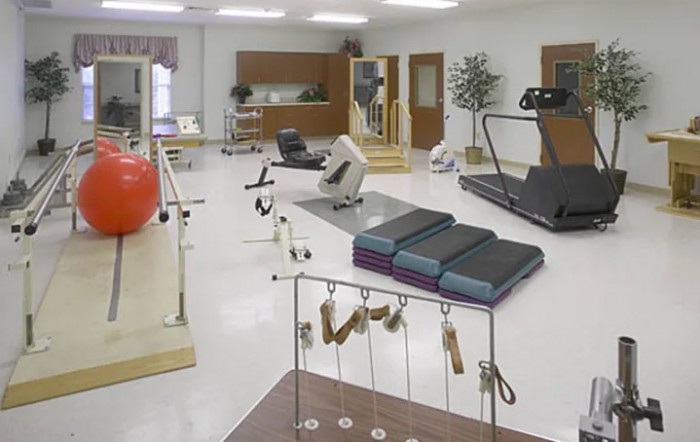
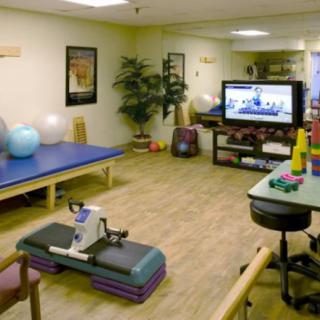
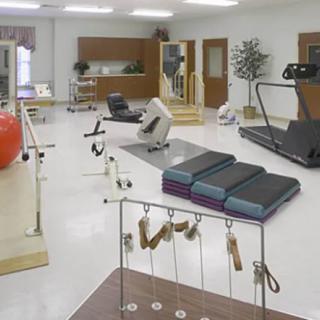
    • Fitness room Fitness roomHaving a fitness room in a senior living community is essential for seniors to stay active, maintain their physical health, and improve their overall well-being. Regular exercise can help prevent falls, reduce the risk of chronic diseases, and promote mental sharpness. It also provides social opportunities for residents to connect with others and enjoy a sense of community.
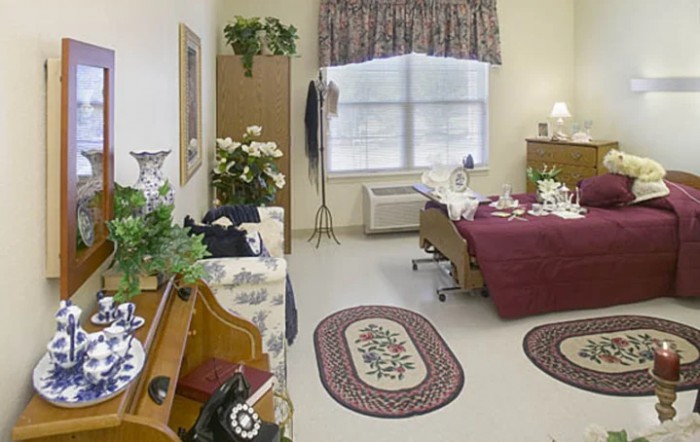
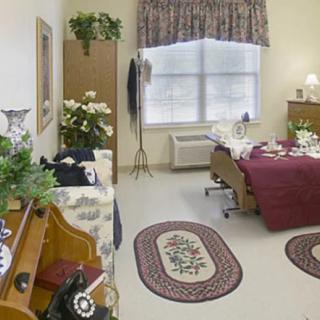
    • Fully furnished Fully furnishedFully furnished senior living communities are important for seniors because they provide convenience, comfort, and a hassle-free moving experience. Seniors can easily settle into their new living space without the stress of having to buy and move furniture. This allows them to focus on enjoying their new home and community.
    • Gaming room Gaming roomGaming rooms are important for seniors as they provide a fun and engaging environment for socializing, cognitive stimulation, and physical activity. Games can improve memory, problem-solving skills, and overall mental well-being while fostering friendships and reducing feelings of isolation.
    • Garden GardenGardens are important for seniors as they provide a peaceful and therapeutic environment for relaxation, physical activity, and socialization. Being in nature has been shown to reduce stress, improve mood, and promote overall well-being. Gardens also offer opportunities for seniors to engage in gardening activities, which can improve mobility, flexibility, and cognitive function. Additionally, gardens create a sense of community and connection with others who share a passion for plants and outdoor spaces.
    • Housekeeping services Housekeeping servicesHousekeeping services are important for seniors because they help maintain a clean and safe living environment, promote independence, and reduce the risk of accidents or illnesses. Additionally, having assistance with household chores can alleviate physical strain and allow seniors to focus on other aspects of their well-being.
    • Kitchenette KitchenetteKitchenettes are important for seniors living in senior living communities because they provide the convenience and independence of being able to prepare simple meals and snacks in the comfort of their own living space. This can help promote a sense of autonomy and well-being for seniors, allowing them to maintain some level of control over their dietary choices and daily routines.
    • Move-in coordination Move-in coordinationMove-in coordination is important for seniors because it helps ease the transition into their new living environment. It ensures that all logistics, such as packing, organizing movers, and setting up utilities are taken care of, allowing seniors to focus on settling in and adjusting to their new home. Having a smooth move-in process can alleviate stress and anxiety, making the transition smoother and more enjoyable for seniors.
    • Outdoor space Outdoor spaceOutdoor spaces are important for seniors as they provide opportunities for physical activity, social interaction, exposure to natural light and fresh air, and a sense of connection to nature. Having access to outdoor spaces can improve overall well-being and quality of life for older adults living in senior communities.
    • Private bathrooms Private bathroomsPrivate bathrooms are important for seniors in senior living communities because they provide independence, dignity, and comfort. Having a private bathroom allows seniors to maintain their personal hygiene routines without the need for assistance, promoting a sense of autonomy and privacy. Additionally, private bathrooms help prevent the spread of infections and provide a safe and clean environment for seniors to navigate safely.
    • Restaurant-style dining Restaurant-style diningRestaurant-style dining is important for seniors because it allows them to enjoy delicious, nutritious meals in a social and upscale setting. This enhances their dining experience, promotes healthy eating habits, and fosters socialization with fellow residents, ultimately contributing to their overall well-being and quality of life.
    • Small library Small librarySmall libraries are important for seniors as they provide access to a variety of reading materials, including books, newspapers, and magazines. This can help stimulate their minds, keep them engaged, and provide a sense of community through book clubs and other social activities. Additionally, reading has been shown to improve cognitive function and overall mental well-being in older adults.
    • Telephone TelephoneTelephones are important for seniors as they provide a lifeline for communication with loved ones, emergency services, and healthcare providers. They offer a sense of security and independence, enabling seniors to stay connected and access assistance when needed.
    • Wellness center Wellness centerWellness centers are important for seniors because they offer a variety of programs and services that promote physical, mental, and emotional well-being. These centers provide opportunities for exercise, socialization, education, and relaxation, helping seniors maintain their overall health and quality of life.
    • Wi-Fi/high-speed internet available Wi-Fi/high-speed internet availableWi-Fi/high-speed internet is important for seniors to stay connected with loved ones, access online resources, and participate in virtual activities to combat feelings of loneliness and isolation. It also allows them to easily manage healthcare needs, access entertainment, and engage in lifelong learning opportunities.

    Transportation

    • Community operated transportation Community operated transportationCommunity operated transportation is crucial for seniors as it provides them with the means to access essential services, social activities, and medical appointments. It allows seniors to maintain their independence and quality of life by ensuring they can participate in activities outside of their homes. Additionally, community-operated transportation services offer a safe and reliable way for seniors to travel without having to rely on family or friends for assistance.
    • Transportation arrangement Transportation arrangementTransportation arrangements are crucial for seniors as they may face challenges with driving, mobility, or access to public transportation. Having reliable transportation services ensures that seniors can easily attend appointments, social activities, and maintain their independence and quality of life.
    • Transportation arrangement (non-medical) Transportation arrangement (non-medical)Transportation arrangements are essential for seniors as they provide access to essential services, activities, and social interactions outside the home. This service helps maintain independence, mobility, and overall well-being for seniors who may have limited transportation options.
    • Transportation to doctors appointments Transportation to doctors appointmentsTransportation to doctors appointments is crucial for seniors as it ensures they have access to necessary medical care and support, promoting their health and well-being. It allows them to receive timely treatment, monitor existing conditions, and address any new health concerns efficiently. Additionally, transportation services can help seniors maintain their independence and quality of life by enabling them to stay connected with their healthcare providers.

    Care Services

    • 12-16 hour nursing 12-16 hour nursing12-16 hour nursing care is crucial for seniors in order to ensure around-the-clock monitoring, timely medication administration, and prompt response to any health concerns or emergencies. This level of care helps to promote the overall well-being and safety of seniors living in senior living communities.
    • 24-hour call system 24-hour call system24-hour call systems are important for seniors because they provide peace of mind and immediate assistance in case of emergencies. This technology ensures that help is always available, promoting safety and security for elderly individuals living alone or in assisted living facilities.
    • 24-hour supervision 24-hour supervision24-hour supervision is important for seniors to ensure their safety, well-being, and access to immediate assistance in case of emergencies or health issues. This constant support provides peace of mind for both seniors and their loved ones, allowing them to age in place with dignity and security.
    • Activities of daily living assistance Activities of daily living assistanceActivities of daily living assistance are important for seniors because they provide essential support with tasks such as eating, bathing, dressing, and mobility. This assistance helps seniors maintain their independence, dignity, and overall quality of life as they age.
    • Assistance with bathing Assistance with bathingAssistance with bathing is crucial for seniors as it helps maintain personal hygiene, prevents infections, and ensures their overall well-being and comfort. It also provides a sense of dignity and independence for seniors who may struggle with this task on their own.
    • Assistance with dressing Assistance with dressingAssistance with dressing is important for seniors because it helps maintain their independence, promotes personal hygiene, prevents accidents and injuries, and improves overall quality of life. This service ensures that seniors can continue to dress comfortably and confidently, despite any physical limitations they may have.
    • Assistance with transfers Assistance with transfersAssistance with transfers is crucial for seniors as it helps prevent falls and injuries, maintains their independence, and ensures they can safely navigate their living environment. It also provides peace of mind for both seniors and their loved ones.
    • Diabetes diet Diabetes dietA diabetes diet is crucial for seniors as it helps manage blood sugar levels, reduce risks of complications, and improve overall health and well-being. By following a balanced and nutritious diet tailored to their specific needs, seniors can better control their diabetes and enhance their quality of life.
    • Meal preparation and service Meal preparation and serviceMeal preparation and service are crucial for seniors as they may have limited mobility or energy to cook nutritious meals. Having access to healthy and convenient food options can ensure they are getting the proper nutrition needed to maintain their overall health and well-being.
    • Medication management Medication managementMedication management is crucial for seniors to ensure they are taking the right medications at the correct dosages and times. This helps prevent adverse drug interactions, reduces the risk of medication errors, and promotes overall health and well-being. Proactive management also allows for adjustments as needed based on changing health conditions or new prescriptions.
    • Mental wellness program Mental wellness programMental wellness programs are essential for seniors as they promote cognitive stimulation, emotional support, and social engagement. These programs help prevent isolation, depression, and cognitive decline, ultimately enhancing the overall quality of life for older adults.
    • Special dietary restrictions Special dietary restrictionsSpecial dietary restrictions are important for seniors because age-related changes in metabolism and health conditions can make it difficult for their bodies to process certain foods. By following a diet tailored to their specific needs, seniors can maintain their overall health and well-being, manage chronic conditions, and reduce the risk of complications such as malnutrition or food interactions with medications.

    Dining

    • Diabetes diet Diabetes dietA diabetes diet is crucial for seniors as it helps manage blood sugar levels, reduce risks of complications, and improve overall health and well-being. By following a balanced and nutritious diet tailored to their specific needs, seniors can better control their diabetes and enhance their quality of life.
    • Special dietary restrictions Special dietary restrictionsSpecial dietary restrictions are important for seniors because age-related changes in metabolism and health conditions can make it difficult for their bodies to process certain foods. By following a diet tailored to their specific needs, seniors can maintain their overall health and well-being, manage chronic conditions, and reduce the risk of complications such as malnutrition or food interactions with medications.

    Activities

    • Community-sponsored activities Community-sponsored activitiesCommunity-sponsored activities are important for seniors as they provide opportunities for social interaction, mental stimulation, and physical activity. These activities can help improve overall well-being, combat loneliness and isolation, and promote a sense of belonging and purpose among older adults.
    • Concierge services Concierge servicesConcierge services are essential for seniors as they provide assistance with daily tasks and errands, enhance their quality of life by offering convenience and personalized care, and promote a sense of safety and security.
    • Fitness programs Fitness programsFitness programs are crucial for seniors as they help improve strength, flexibility, balance, and overall well-being. Staying active can reduce the risk of chronic diseases, improve mental health, and enhance quality of life in older adults.
    • Planned day trips Planned day tripsPlanned day trips are important for seniors because they offer opportunities for socialization, mental stimulation, and physical activity. They provide a change of scenery and help seniors stay engaged and connected to their community, promoting overall well-being and quality of life.
    • Resident-run activities Resident-run activitiesResident-run activities are important for seniors as they encourage social interaction, creativity, and a sense of autonomy. These activities empower seniors to stay engaged and active in their community while fostering meaningful connections with their peers.
    • Scheduled daily activities Scheduled daily activitiesScheduled daily activities are important for seniors because they provide structure, socialization, mental stimulation, and physical activity. Engaging in regular activities can improve overall well-being and quality of life for seniors living in a community setting.

    Description

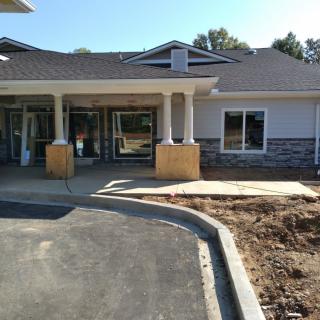
    Holly Springs Rehabilitation And Healthcare Center in Holly Springs, MS is a beautiful assisted living community offering a range of amenities and care services to ensure the comfort and well-being of its residents. The community boasts a beauty salon where residents can pamper themselves, as well as cable or satellite TV in each room for entertainment.

    For those who need assistance with transportation, the community offers both community-operated transportation and transportation arrangement services. Residents can easily access doctors' appointments or explore the surrounding area. There is also a computer center with Wi-Fi/high-speed internet for residents to stay connected with loved ones or engage in online activities.

    The dining options at Holly Springs Rehabilitation And Healthcare Center are top-notch, with a restaurant-style dining room offering delicious meals prepared by professional chefs. Special dietary restrictions are accommodated to ensure everyone's needs are met.

    Residents can stay active and engaged with the various amenities available on-site, including a fitness room, gaming room, small library, and outdoor space for walking or gardening. Planned daily activities and resident-run initiatives promote socialization and create a vibrant community atmosphere.

    Care services provided include 24-hour call system and supervision to ensure residents' safety. Assistance is available for activities of daily living such as bathing, dressing, and transfers. Medication management is also offered to support individuals in their healthcare needs.

    The location of Holly Springs Rehabilitation And Healthcare Center provides convenient access to essential services nearby. With four pharmacies, two physicians, eight restaurants, two transportation options, 16 places of worship, and two hospitals within proximity, residents have easy access to everything they may need.

    Overall, Holly Springs Rehabilitation And Healthcare Center offers a welcoming environment where seniors can enjoy an array of amenities while receiving high-quality care tailored to their individual needs.

    Nearby Places of Interest

    Hospitals

    • Alliance Healthcare System (0.3 miles)
    • Marshall County Health Center (1.8 miles)

    Places of Worship

    • Hopewell M B Church (1.2 miles)
    • Providence Missionary Baptist (1.5 miles)
    • St Joseph Catholic Church (1.8 miles)
    • Christ Episcopal Church (1.8 miles)
    • First Baptist Church (1.9 miles)
    • First United Methodist Church (1.9 miles)
    • First Umc Parsonage (2 miles)

    Transportation

    • Natchez Trace Railroad (1.4 miles)
    • U-Haul Neighborhood Dealer (1.5 miles)
    • U-Haul (14.2 miles)

    Restaurants

    • Oak Palace (1.4 miles)
    • Annie's Restaurant (1.9 miles)
    • J B's Family Restaurant (2 miles)
    • Subway (3 miles)
    • Mi Pueblo Mexican Restaurant (3 miles)
    • McDonald's (3 miles)
    • Burger King (3 miles)

    Pharmacies

    • Tyson Medical Center Pharmacy (1.9 miles)
    • Tyson Drug Company (2 miles)
    • Liddy's Health Mart (2.7 miles)
    • Walmart Pharmacy (3.4 miles)
    • Potts Camp Pharmacy (11.4 miles)
    • Ashland Discount Drugs (13.3 miles)
    • Ashland Drug (13.3 miles)

    Physicians

    • Brame & Wright Medical Group (2 miles)
    • Hawkins Family Medicine (2.6 miles)
    • Williams Medical Clinic (11.4 miles)
    • Northeast Mississippi Health Care (16.5 miles)
    • Collierville Family Medical Center PC (23.8 miles)
    • Levy Dermatology PC (24.1 miles)
    • Southern Tennessee Eye Specialists (24.4 miles)

    Parks

    • Collierville Dog Park (22.5 miles)
    • H.W. Cox Park (24.3 miles)

    Cafes

    • Cheffie's Cafe (23.9 miles)
    • Starbucks (23.9 miles)
    • Carrington Oaks Coffeehouse (23.9 miles)

    Theaters

    • Malco Towne Cinema (24.2 miles)

    Frequently Asked Questions

    Where is Holly Springs Rehabilitation And Healthcare Center?
    What photos are available for Holly Springs Rehabilitation And Healthcare Center in Holly Springs, Mississippi?

    Nearby Communities

    Related Resources

    • senior move managementSenior Move Management: Understanding the Role, Value, and Associated Costs

      Senior move management provides specialized support for older adults relocating by assisting with logistics, emotional challenges, and downsizing decisions to ensure a smooth transition to new living environments. These services address the unique needs of seniors and have become increasingly important as baby boomers retire and seek to downsize.

    • weight training for seniorsWeight Training for Seniors: Building Strength and Vitality

      Weight training is vital for seniors to maintain muscle mass, bone density, and overall health, combating age-related declines through customized resistance exercises that enhance balance and well-being. Safe routines should start with realistic goals and proper form, while emphasizing gradual progress and consultations with healthcare providers to ensure safety and effectiveness.

    • what does the sandwich generation meanUnderstanding the Sandwich Generation: Stress and Responsibilities for Multigenerational Caregivers
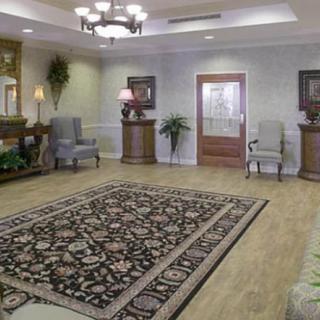
      The Sandwich Generation comprises adults managing the dual responsibilities of caring for aging parents and raising children, leading to significant emotional, logistical, and financial challenges. This situation is exacerbated by longer life expectancies and cultural expectations, necessitating effective coping strategies and support resources to alleviate caregiver stress and burnout.


    Get Pricing Ask A Question Schedule A Tour Contact Senior Advisor