Overall Review of Great Oaks Rehabilitation And Healthcare Center
differentiator4 reviews mention this
Physical therapy gets strong mentions
Physical therapy is repeatedly described as a meaningful part of recovery.
Several residents and families describe the rehab team and therapy staff as focused on progress and comfort during their stay. One reviewer highlights exceptional results and expertise from physical therapy, while another praises the therapy department as “amazing.” A couple of reviews also mention physical therapy in the context of concerns, including calls for better progress reporting or safety around the rehab process. Overall, therapy appears to be a central experience during rehabilitation stays here.
common4 reviews mention this
Dining quality varies by review
Residents mention both enjoyable meals and dining disappointments.
Some reviews are positive about meals, including enjoying food during a family member’s stay and having a “first meal” that worked well. Another reviewer mentions the dietary manager and describes the food as consistently good and served hot. At the same time, at least one review criticizes the food quality and portioning experience, describing repetitive meals and trouble with getting proper nutrition. Dining seems to land differently depending on the resident and situation.
caveat3 reviews mention this
Supervision and fall safety worries
Some reviews raise concerns about supervision and fall safety.
A few reviews describe incidents that they connect to inadequate monitoring, including falls and delayed response when help was needed. One reviewer says a loved one fell multiple times and that staff did not appear to be watching closely enough. Another describes a fall soon after arrival despite a stated high fall risk. These accounts stand out because they describe outcomes the families felt could have been prevented with closer supervision.
How we summarize
Counts show how many written reviews mention each theme; a review can touch several themes, and only frequently mentioned themes are displayed.
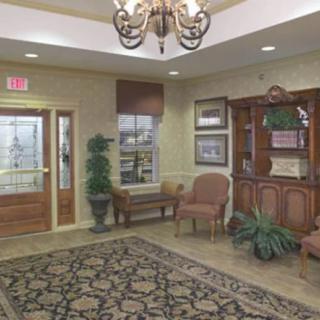
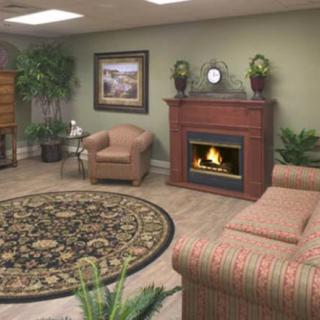
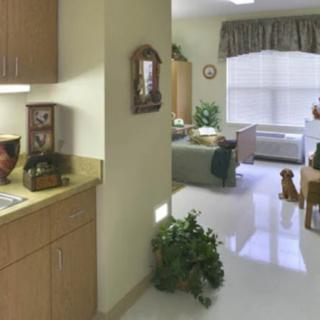
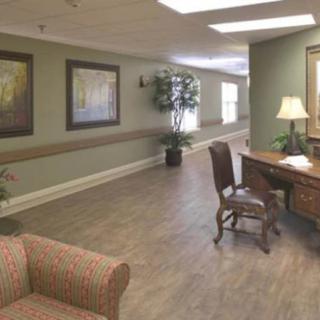
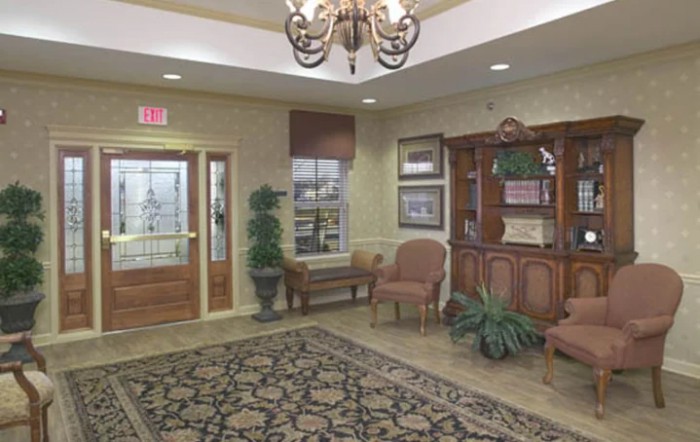
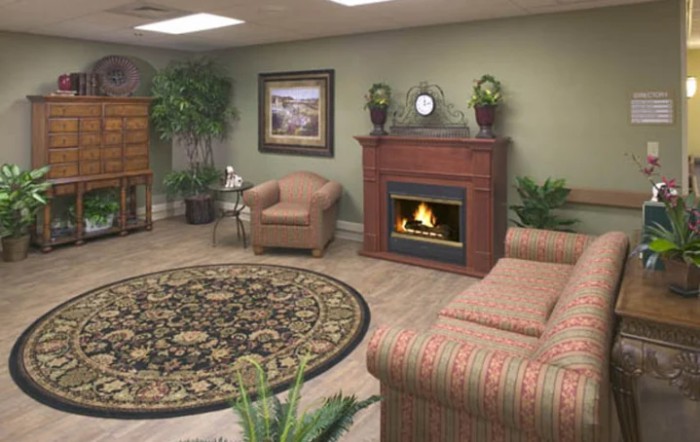
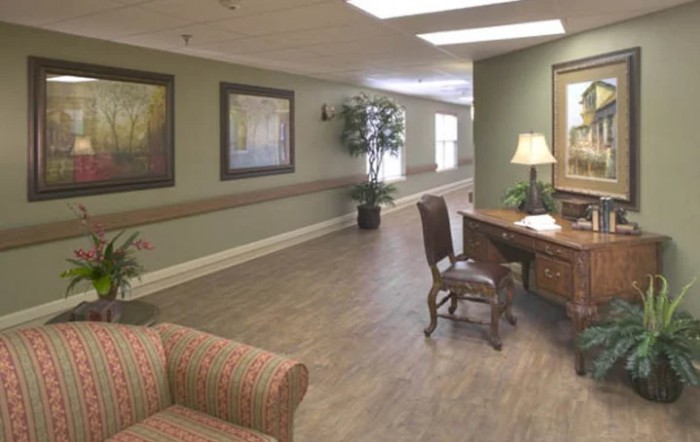
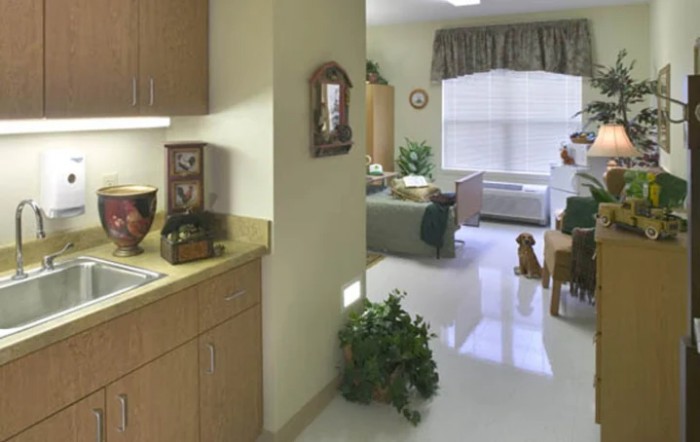
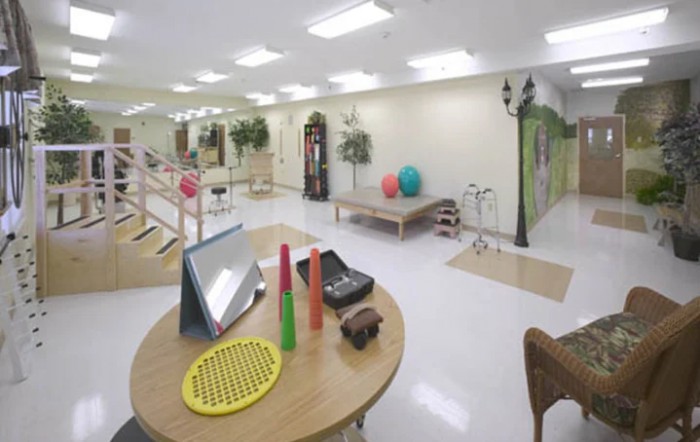
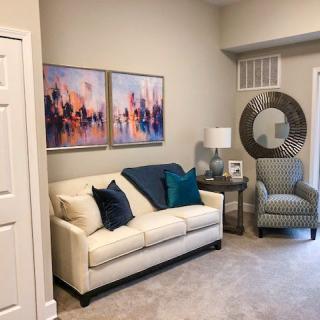
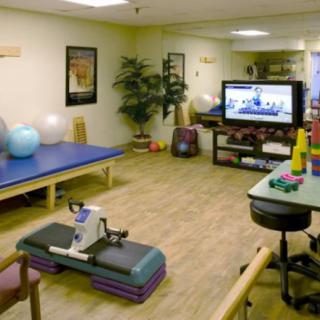
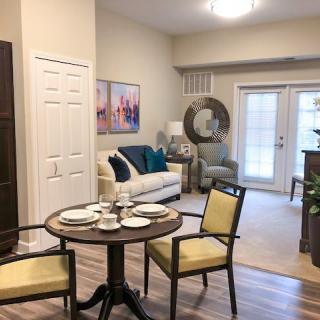
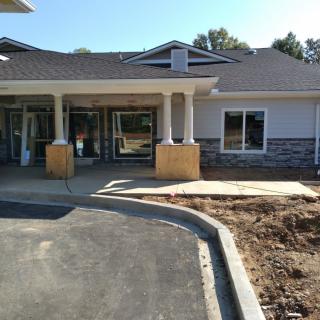
Great Oaks Rehabilitation And Healthcare Center on seniors.fyi includes 5 photos including images showing interior, living room, gym, lobby, therapy room, healthcare, waiting area, chandelier, and more.
Nearby Communities
Olive Grove Terrace Senior Living
Olive Branch, MS
4.2 from 50 reviews
$3,150 to $4,350 / month
Friendly, attentive staff in a clean, home-like setting with beautiful surroundings.
The Oaks at Parkview
Olive, MS
Small, intimate community with onsite meal prep and medication management.
Silvercreek Senior Living
Olive Branch, MS
4.8 from 68 reviews
$3,500 to $4,700 / month
Caring staff and engaging activities.
Storypoint Collierville
Collierville, TN
4.7 from 67 reviews
Comprehensive amenities and care services (transportation, wellness programs, private bathrooms, housekeeping, and scheduled activities).
Heritage At Irene Woods
Memphis, TN
4.6 from 99 reviews
Warm, attentive staff and a wide range of amenities foster a welcoming, active community.
The Village at Schilling Farms
Collierville, TN
4.6 from 5 reviews
Comprehensive care (meals and medication management) with strong connectivity and nearby parks.
Collierville Nursing And Rehabilitation
Collierville, TN
4 from 109 reviews
Caring staff and a clean, well-maintained facility with varied amenities.
StoryPoint Collierville
Collierville, TN
4.9 from 205 reviews
$3,803 to $4,506 / month
Caring staff in a welcoming, home-like atmosphere with strong dining and activities.
Beehive Homes of Collierville
Collierville, TN
4.7 from 16 reviews
$4,000 to $5,250 / month
Attentive staff who treat residents like family in a warm, homelike, secure setting.
Dogs can greatly improve the lives of older adults by offering emotional support and encouraging physical activity, with factors such as size, temperament, and grooming needs being crucial in selecting a suitable breed. Senior dogs often make ideal companions for this demographic, promoting social connections and requiring care routines that align with seniors' capabilities.
The guide on blood pressure charts for older adults stresses the importance of understanding normal and high blood pressure readings influenced by age, genetics, and lifestyle, while emphasizing regular monitoring and lifestyle modifications to prevent serious health issues. It provides insights into blood pressure categories, dietary recommendations, medication considerations, and the role of caregivers in supporting healthy habits.
The article explores the complexities of using Social Security to finance long-term nursing home care in the U.S., detailing eligibility requirements and misconceptions, while emphasizing that these benefits often do not cover full costs and highlighting the need for strategic financial planning and professional guidance.
Great Oaks Rehabilitation And Healthcare Center photos
×
Interior
Decor
Living Room
Hallway
Exercise Equipment
Interior
Decor and Fireplace
Living Room
Windows and Kitchen
Chandelier, Lobby, Plant, and Waiting Area
Exercise Equipment, Healthcare, Gym, Rehabilitation, Physical Therapy, and Therapy Room
Hallway and Paintings
Get PricingAsk A QuestionSchedule A TourContact Senior Advisor
By clicking submit, you agree to our Partner's Terms of Use. You
also consent to receive calls and texts, which may be autodialed, from our Partner. Your consent is not a condition to
using our Partner's service. Please visit our Partner's Privacy Policy for information about their privacy practices.


 60 resident community capacity
 Skilled Nursing Facility
 Air-conditioning
 Beauty salon
 Cable or satellite TV
 Computer center
 Dining room
 Fitness room
 Fully furnished
 Gaming room
 Garden
 Housekeeping services
 Kitchenette
 Move-in coordination
 Outdoor space
 Private bathrooms
 Restaurant-style dining
 Small library
 Telephone
 Wellness center
 Wi-Fi/high-speed internet available
 Memphis International (19 miles away)
 Community operated transportation
 12-16 hour nursing
 24-hour call system
 Activities of daily living assistance
 Assistance with bathing
 Assistance with dressing
 Assistance with transfers
 Diabetes diet
 Medication management
 Mental wellness program
 Special dietary restrictions
 Concierge services
 Planned day trips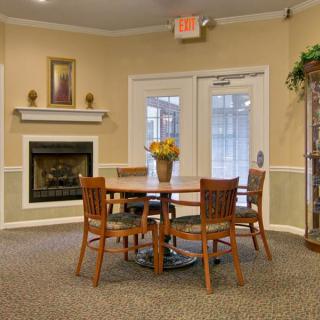
 Friendly, attentive staff in a clean, home-like setting with beautiful surroundings.


 Top Canine Companions for Older Adults
 Comprehensive Guide to Blood Pressure Charts for Older Adults: Understanding Normal and High Readings by Age
 Financing Long-Term Nursing Home Care Through Social Security: A Thorough Exploration